Genres
Artists
Albums
Make Music
Sign in
Sign in
Artists
Polka
Artists
Polka
Dainava
2000
·
1 album
Listen
1
/5
Genres
Polka
Polka is a lively Central European couple dance and musical style in a brisk 2/4 meter, characterized by its buoyant “oom‑pah” bass-chord accompaniment and bright, diatonic melodies. Originating in Bohemia (today’s Czech Republic) in the early 19th century, it quickly became a pan-European craze before taking root across immigrant communities in the Americas. Ensembles typically feature accordion or button box/concertina, clarinet or saxophone, trumpets/trombone, tuba or string bass, and drum kit, with regional variants highlighting different lead voices and rhythmic feels. While the classical ballroom tradition codified polka into formal strains (often AABB with a contrasting trio), folk and popular styles favor singable tunes, simple I–IV–V harmonies, and tempos commonly around 115–135 BPM, inviting upbeat social dancing and communal celebration.
Discover
Listen
Lithuanian Folk Music
Lithuanian folk music is the traditional music of Lithuania, marked by ancient multipart singing (sutartinės), modal melodies, and a close connection to the agrarian ritual calendar. It features both monophonic and polyphonic practices, distinctive secondal harmonies and canonic entrances in sutartinės, and a rich palette of instruments such as the kanklės (Baltic zither), birbynė (reed pipe), lamzdelis (flute), daudytė (wooden trumpet), ragai (horns), skrabalai (wooden bells), dambrelis (jaw harp), and later additions like fiddle and accordion. Lyrics commonly reference nature, family, work, and life-cycle rites, and are strongly tied to regional styles (Aukštaitija, Žemaitija/Samogitia, Dzūkija, Suvalkija).
Discover
Listen
Sutartinės
Sutartinės are ancient Lithuanian multipart songs characterized by tightly interlocking voices, canon-like entrances, and striking dissonances (especially seconds) that resolve through stepwise motion. They are traditionally performed by small groups (often two to four women) and can also be rendered instrumentally on skudučiai (end-blown panpipes), ragai/daudytės (wooden horns), or kanklės (zither). The genre features short, repetitive melodic formulas, narrow-range modal lines, and a pulsating, steady beat that supports round-dance movement. Texts span calendar-cycle rituals, work, nature, weddings, and playful themes, frequently using vocables and refrain syllables. Sutartinės are organized in types—dvejinės (in twos), trejinės (in threes), and keturinės (in fours)—and rely on hocketing and ostinati to create a hypnotic, shimmering texture. In 2010 they were inscribed on UNESCO’s Representative List of the Intangible Cultural Heritage of Humanity.
Discover
Listen
Albums
2000
1
/5
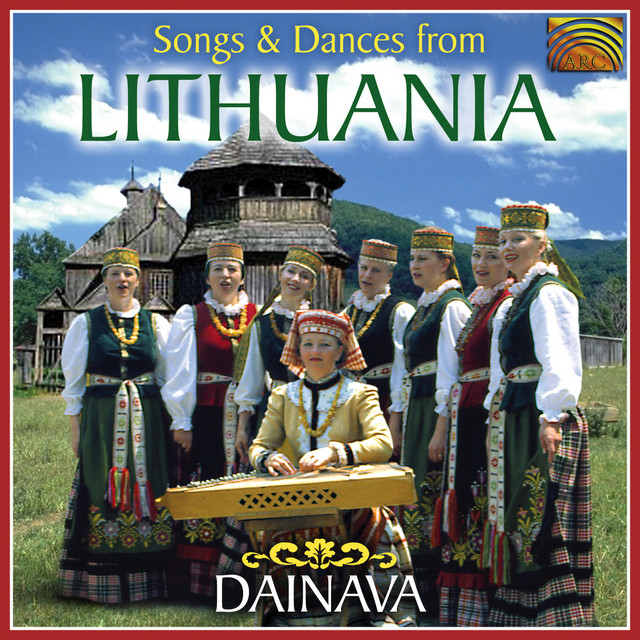
Dainava: Songs and Dances From Lithuania
Traditional, Dainava
Sutartinės
Lithuanian Folk Music
Similar artists
4
/5
Traditional
Gregorian Chant
Spanish Classical Music
Medieval Classical Music
1
/5
Veronika Povilioniene
Lithuanian Folk Music
Traditional Folk
Baltic Folk Music
1
/5
Petras Vysniauskas
Traditional Folk
Baltic Folk Music
Lithuanian Folk Music
1
/5
Trys Keturiose
Sutartinės
Lithuanian Folk Music
1
/5
KŪLGRINDA
Traditional Folk
Baltic Folk Music
Lithuanian Folk Music
1
/5
The Baltic Sisters
Baltic Folk Music
Lithuanian Folk Music
Sutartinės
1
/5
Ūtara
Folk Pop
Traditional Folk
Lithuanian Folk Music
4
/5
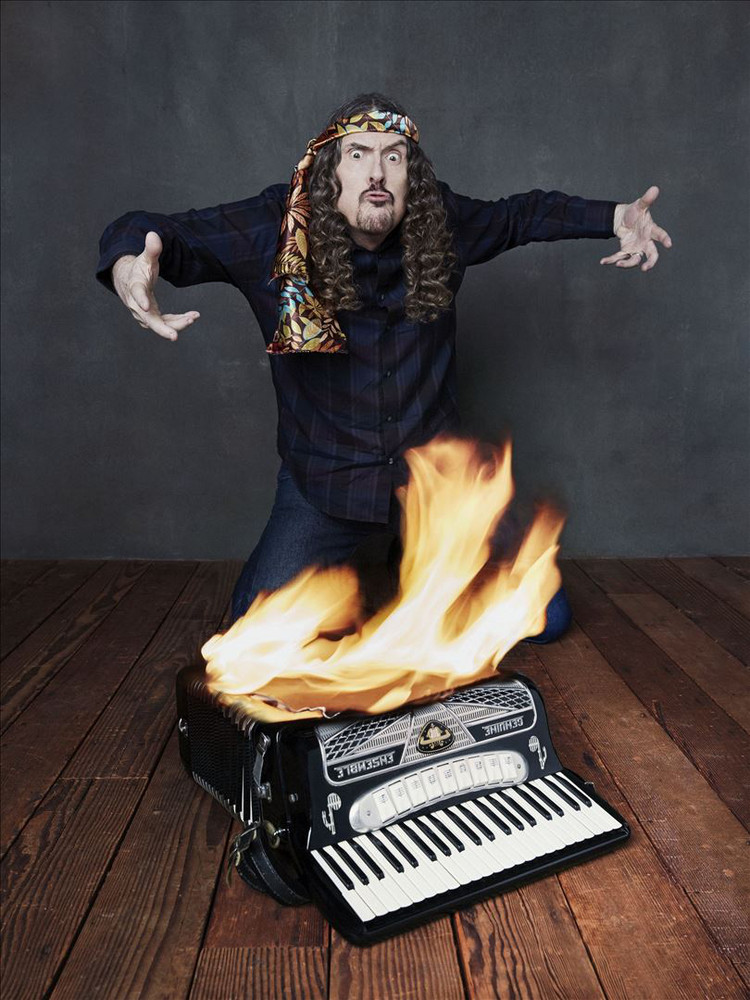
"Weird Al" Yankovic
Comedy
Comedy Rock
Polka
3
/5
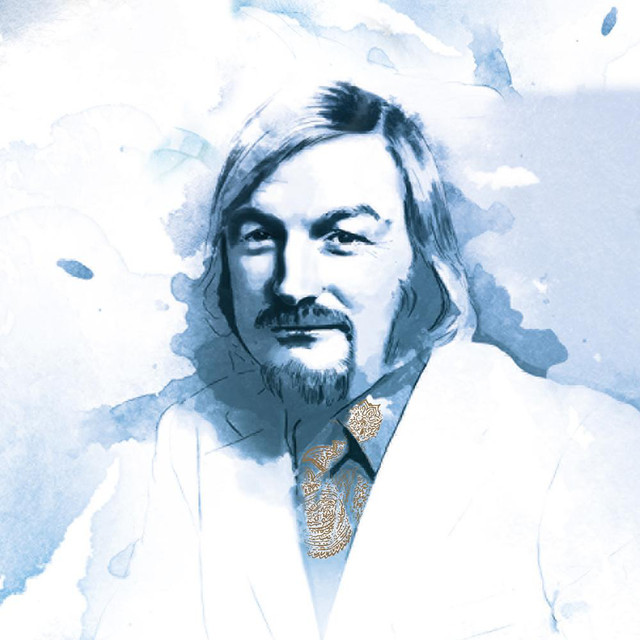
James Last
Polka
Big Band
Easy Listening
3
/5
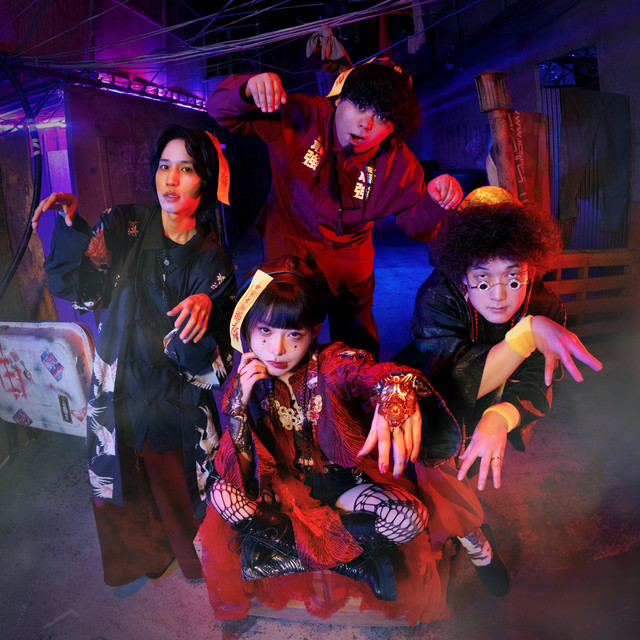
POLKADOT STINGRAY
Polka
Isekai
J-Pop
Download our mobile app
Get the Melodigging app and start digging for new genres on the go
Download on the App Store
Get it on Google Play
© 2026 Melodigging
Give feedback
Legal
Melodding was created as a tribute to
Every Noise at Once
, which inspired us to help curious minds keep digging into music's ever-evolving genres.