Genres
Artists
Albums
Make Music
Sign in
Sign in
Artists
Polka
Artists
Polka
POLKADOT STINGRAY
2016–2025
·
6 albums
Listen
3
/5
Genres
Isekai
Isekai (lit. "another world") in music refers to songs and scores written for anime and games where characters are transported—often accidentally or involuntarily—into a parallel universe or fantasy world. In practice, it is a sub-current of Japanese anisong and soundtrack culture whose soundworld emphasizes the wonder, peril, and empowerment arcs typical of isekai narratives. Musically, isekai blends high-impact J‑pop/J‑rock openings (OPs) with hybrid orchestral scores: soaring string ostinati, heroic brass, choir pads, and EDM/rock rhythm sections used to frame battles, leveling-up sequences, and portal moments. Endings (EDs) often pivot to lyrical, nostalgic or bittersweet pop to reflect homesickness, found-family bonds, or the protagonist’s inner monologue.
Discover
Listen
Rap Metalcore
Rap metalcore is a hybrid style that fuses the rhythmic, lyrical flow of hip hop with the high-gain guitars, breakdowns, and screamed/sung hooks of metalcore. Compared to 1990s rap metal and nu metal, it keeps metalcore’s tighter, modern low-tuned riffing, double-time drumming, and cathartic breakdown structures, while foregrounding MC-style verses, rhyme schemes, and hip‑hop cadences. Production often blends live drums with programmed elements (808 subs, trap hats) and layers percussive, djent-leaning guitar chugs under rapped verses, then explodes into screamed or anthemic sung choruses. Lyrical themes span personal struggle, social commentary, resilience, and identity, delivered with a mix of rap’s directness and metalcore’s emotive intensity.
Discover
Listen
J-Pixie
J‑pixie is a sparkle‑bright corner of contemporary Japanese pop/rock that blends anison (anime song) bombast with idol polish and indie‑rock drive. The “pixie” label hints at the sound’s effervescent, twinkling timbres: high, agile female vocals; glittering synth arpeggios; and punchy guitars that sprint toward cathartic, sky‑punching choruses. Arrangements tend to be compact and cinematic—verse/pre‑chorus/chorus structures with dramatic lifts, halftime-to-double‑time switches, precision drum fills, and frequent late‑song key changes. The overall aesthetic is optimistic and youthful, with lyrics about resolve, friendship, and wonder, often peppered with catchy English hooks. It sits between mainstream J‑Pop, anison, seiyū (voice‑actor) pop, and female‑fronted alt‑rock, making it both playlist‑friendly and tailor‑made for anime tie‑ins and live band settings.
Discover
Listen
Jirai Kei
Jirai kei is a recent Japanese internet-born pop micro‑genre and aesthetic that blends cute, sugary sounds with darker, obsessive and self‑destructive themes. The term comes from a fashion/aesthetic scene associated with yamikawaii and menhera culture, and in music it describes songs that sound soft and adorable on the surface but conceal lyrics about toxic love, dependency, jealousy, and emotional volatility. Sonically, jirai kei draws from J‑pop and Vocaloid traditions (denpa/picopop brightness, catchy hooks) while adopting modern hyperpop gloss, trap/EDM percussion, and highly edited, youthful vocals. The contrast between childlike, pastel timbres and intense, confessional writing is central to the style, making it both immediately hooky and emotionally sharp—an audio embodiment of “cute but dangerous.”
Discover
Listen
Otacore
Otacore is a fan-driven, internet-native umbrella for music centered on anime, manga, gaming, and broader otaku culture. Rather than a single strict musical style, it describes a cluster of scenes where pop, electronic, rock, and rap intersect with anime aesthetics, story tropes, and character/fandom references. Typical otacore repertoires include Vocaloid productions, anisong-style pop/rock, high-energy EDM with kawaii sound design, nightcore-style edits, game-inspired chiptune flourishes, and cover cultures (English/Japanese) tied to anime and game franchises. Distribution and discovery are powered by platforms such as Nico Nico Douga, YouTube, SoundCloud, streaming playlists, and later TikTok, where memeability, fan videos (AMVs), and vtuber performances help songs spread globally.
Discover
Listen
Diy Emo
DIY emo is a grassroots, home-recorded and community-driven branch of contemporary emo that blends twinkly Midwest-emo guitar work, confessional lyricism, and pop-punk urgency with a distinctly lo‑fi, self-produced aesthetic. It foregrounds the ethics of the do‑it‑yourself underground: basement shows, tape or Bandcamp releases, collective touring, and a preference for intimacy over polish. Sonically, it leans on clean, chiming guitars, melodic basslines, dynamic drumming, and unvarnished vocals that veer from soft-spoken to cathartic sing-alongs. Rather than chasing radio gloss, DIY emo embraces rawness and vulnerability—often capturing the feel of a crowded living room show—while channeling themes of friendship, mental health, hometowns, and the bittersweet transitions of early adulthood.
Discover
Listen
Yakousei
Yakousei is an eclectic, internet-native strain of J‑Pop that coalesced in the late 2010s. It blends Vocaloid-informed songwriting with indie pop sensibilities, bright electropop textures, and danceable, club‑ready grooves. Lyrically, the style leans inward: songs often explore sleepless nights, urban solitude, and coming‑of‑age anxieties, pairing intimate narratives with big, melodic hooks. Production favors glossy synths, clean guitars, and tightly programmed drums, while vocals—human or software‑assisted—trace agile, hook‑dense lines that feel both nostalgic and contemporary.
Discover
Listen
J-Pop
J-pop (Japanese pop) is a broad umbrella for mainstream Japanese popular music that blends Western pop/rock, dance, and R&B with distinctly Japanese songwriting, vocal delivery, and industry practices. It is characterized by strong hooks, polished production, bright synths and guitars, frequent key changes and modulatory bridges, and chorus-first or chorus-centric structures. J-pop spans idol groups, singer-songwriters, band-oriented pop-rock, electronic dance-pop, and R&B ballads, while remaining closely tied to television, advertising, video games, and anime tie-ins (anisong).
Discover
Listen
Japanese Indie
Japanese indie refers to Japan’s independent rock and pop scenes that developed outside the major-label idol system. It blends DIY production and small-label distribution with a wide palette of sounds, from jangly guitar pop and post‑punk angularity to dreamy shoegaze and lo‑fi recordings. The scene is anchored by “live houses” (small venues) around Tokyo (Shimokitazawa, Koenji, Shinjuku), Osaka, Kyoto, and Fukuoka. Artists often sing in Japanese (sometimes mixing English), with introspective, everyday-life lyrics and arrangements that prize dynamics, texture, and melody over flashy virtuosity. Aesthetically, Japanese indie inherits Western indie rock’s DIY ethos while retaining local melodic sensibilities shaped by kayōkyoku and city pop. Production ranges from 4‑track cassette grit to clean, minimal studio mixes, but the emphasis remains on authenticity, atmosphere, and the energy of the live circuit.
Discover
Listen
Pop Punk
Pop punk blends the speed and attitude of punk rock with the melody, hooks, and songcraft of pop. It features bright, concise songs driven by crunchy power-chord guitars, punchy drums, and catchy vocal lines that often favor gang shouts and harmonies. Lyrically, pop punk tends to focus on adolescence, relationships, boredom, suburbia, and self-deprecating humor, delivered with a mix of earnestness and wit. Production ranges from raw and DIY to radio-ready polish, but the core is always immediacy: big choruses, tight structures, and energetic performances.
Discover
Listen
Power Pop
Power pop is a guitar-driven style that distills the melodic immediacy of 1960s British Invasion pop into concise, high-energy rock songs. It emphasizes big hooks, ringing guitars (often Rickenbacker-style jangle), tight vocal harmonies, and punchy, economical arrangements that typically run around three minutes. Lyrically, it leans toward youthful longing, romance, and bittersweet nostalgia, delivered with bright major-key progressions, chiming arpeggios, and sing-along choruses. Though Pete Townshend used the term in the late 1960s, the genre cohered in the early 1970s with bands like Badfinger, Big Star, and the Raspberries, and it has resurfaced repeatedly in waves through new wave, indie, and modern pop-punk contexts.
Discover
Listen
J-Rock
J-rock (Japanese rock) is the umbrella term for rock music created in Japan, spanning everything from classic rock, punk, and metal to alternative, indie, and progressive strains. It blends Western rock instrumentation and songcraft with Japanese melodic sensibilities, crisp production, and lyrics primarily in Japanese (often mixed with some English phrases). Typical features include hook-forward choruses, expressive guitar leads, tight rhythm sections, and dynamic arrangements that can pivot from delicate verses to big, anthemic refrains. Because of Japan’s media ecosystem, J-rock frequently intersects with anime, TV dramas, and video games, which helps bands reach mainstream audiences while retaining a band-centric, live-performance identity. Although stylistically diverse, J-rock commonly emphasizes memorable melodies, emotional catharsis, and precise musicianship, with influences ranging from British Invasion and classic rock to punk/new wave, progressive rock, and heavy metal.
Discover
Listen
Rock
Rock is a broad family of popular music centered on amplified instruments, a strong backbeat, and song forms that foreground riffs, choruses, and anthemic hooks. Emerging from mid‑20th‑century American styles like rhythm & blues, country, and gospel-inflected rock and roll, rock quickly expanded in scope—absorbing folk, blues, and psychedelic ideas—while shaping global youth culture. Core sonic markers include electric guitar (often overdriven), electric bass, drum kit emphasizing beats 2 and 4, and emotive lead vocals. Rock songs commonly use verse–chorus structures, blues-derived harmony, and memorable melodic motifs, ranging from intimate ballads to high‑energy, stadium‑sized performances.
Discover
Listen
Polka
Polka is a lively Central European couple dance and musical style in a brisk 2/4 meter, characterized by its buoyant “oom‑pah” bass-chord accompaniment and bright, diatonic melodies. Originating in Bohemia (today’s Czech Republic) in the early 19th century, it quickly became a pan-European craze before taking root across immigrant communities in the Americas. Ensembles typically feature accordion or button box/concertina, clarinet or saxophone, trumpets/trombone, tuba or string bass, and drum kit, with regional variants highlighting different lead voices and rhythmic feels. While the classical ballroom tradition codified polka into formal strains (often AABB with a contrasting trio), folk and popular styles favor singable tunes, simple I–IV–V harmonies, and tempos commonly around 115–135 BPM, inviting upbeat social dancing and communal celebration.
Discover
Listen
Show all 14 genres
Albums
2025
2
/5
ねてもさめても
POLKADOT STINGRAY
Polka
2025
2
/5
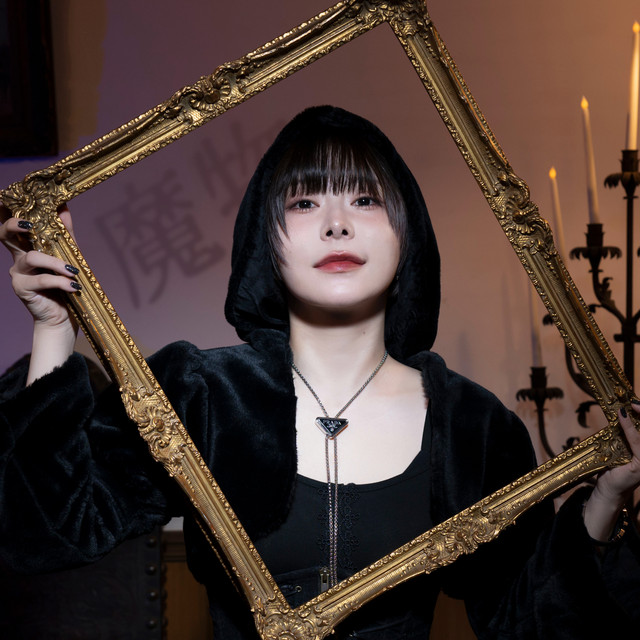
魔物
POLKADOT STINGRAY
Polka
2024
2
/5
キメラ
POLKADOT STINGRAY
Polka
2023
1
/5
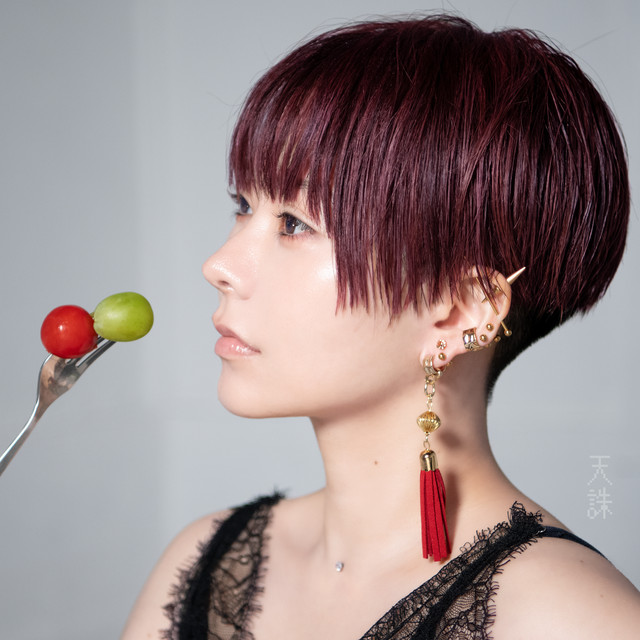
天誅 (雫 Solo Ver.)
POLKADOT STINGRAY
Polka
2023
2
/5
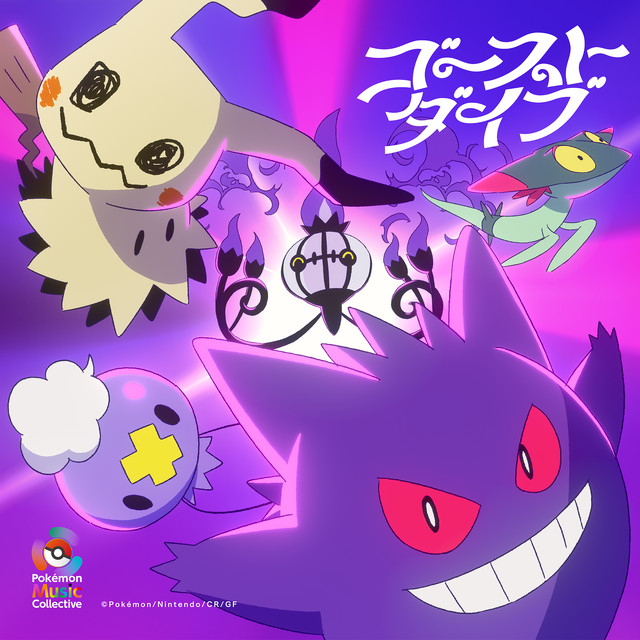
ゴーストダイブ
POLKADOT STINGRAY
Polka
2016
2
/5
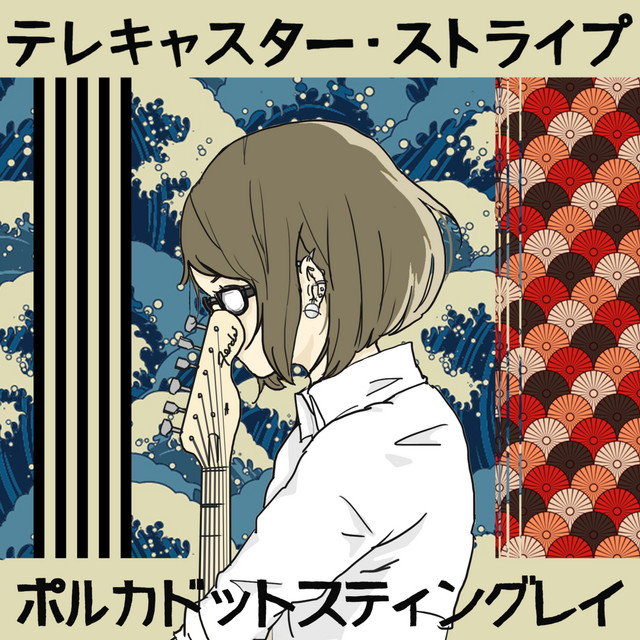
TELECASTER STRIPE
POLKADOT STINGRAY
Polka
Similar artists
4
/5
Vaundy
Japanese Indie
J-Rock
Anime
4
/5
Eve
Yakousei
J-Pop
Utaite
4
/5
ZUTOMAYO
J-Pop
Japanese Indie
Yakousei
4
/5
sakanaction
Japanese Indie
Alternative Dance
Experimental Indie
5
/5
Mrs. GREEN APPLE
J-Rock
J-Pop
Anime
4
/5
Ado
Vocaloid
J-Pop
J-Rock
4
/5
Kenshi Yonezu
J-Pop
J-Rock
Anime
4
/5
RADWIMPS
Visual Kei
Anime
J-Pop
4
/5
ヨルシカ
Japanese Indie
J-Pop
Anime
4
/5
OFFICIAL HIGE DANDISM
J-Rock
Anime
J-Pop
Download our mobile app
Get the Melodigging app and start digging for new genres on the go
Download on the App Store
Get it on Google Play
© 2026 Melodigging
Give feedback
Legal
Melodding was created as a tribute to
Every Noise at Once
, which inspired us to help curious minds keep digging into music's ever-evolving genres.