Genres
Artists
Albums
Make Music
Sign in
Sign in
Artists
Psychedelic Soul
Artists
Psychedelic Soul
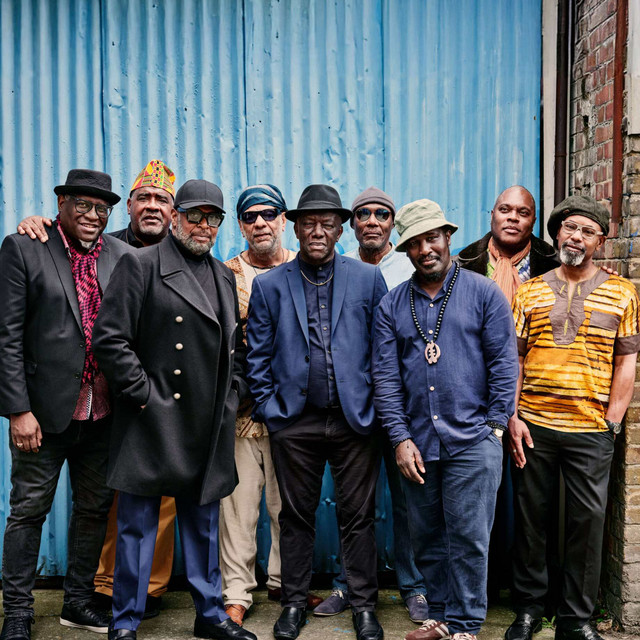
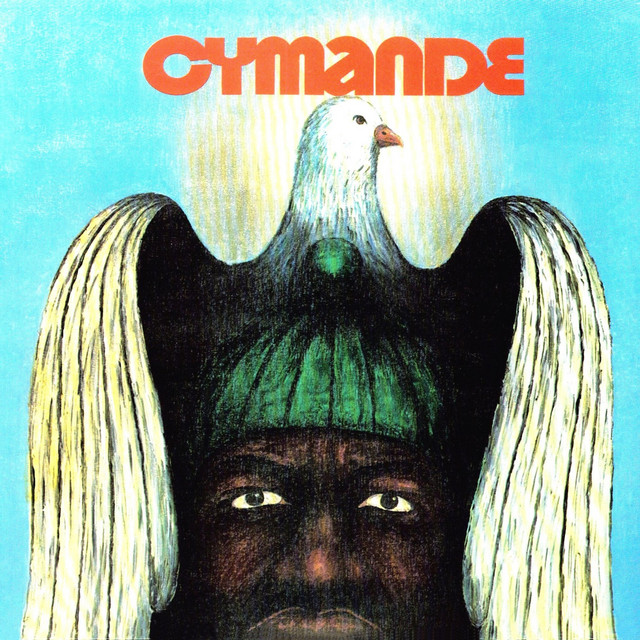
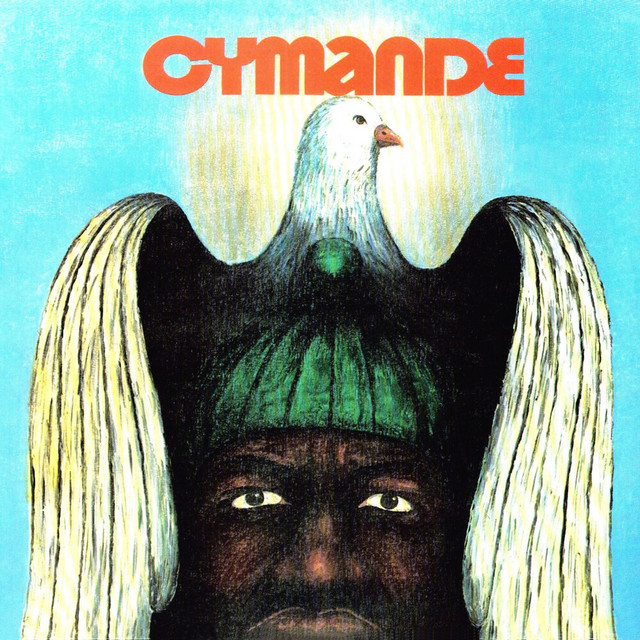
Cymande
1972
·
3 albums
Listen
3
/5
Genres
Chill Drill
Chill drill is a mellow, melodic offshoot of UK drill that keeps the style’s distinctive sliding 808s, syncopated hi-hats, and snare-on-3 placement, but softens the overall timbre and mood. Instead of ominous synths and harsh textures, it leans on airy pads, Rhodes pianos, gentle guitar loops, and lo‑fi ambience. Vocals tend to be more introspective and tuneful, with sing-rap hooks, laid-back cadences, and reflective lyric themes (romance, ambition, day-to-day life). The result bridges drill’s rhythmic identity with chillhop and lo‑fi hip hop’s relaxed atmosphere, creating tracks that are both groove-driven and easy to live with.
Discover
Listen
Neo R&b
Neo R&B is a modern evolution of contemporary R&B that blends classic soul vocal traditions with current hip-hop sensibilities and forward-looking electronic production. It typically features intimate, close-mic singing (often with melisma and layered harmonies), spacious mixes, and experimental textures drawn from electronic music, alternative pop, and modern hip-hop beat-making. Compared with earlier mainstream R&B, neo R&B often favors subtler hooks, mood-driven songwriting, and a “late-night” sonic palette built on deep bass, soft drums, and minimalist chord movement.
Discover
Listen
Color Noise
Color noise is an umbrella term for steady‑state, spectrally shaped noise used as an end in itself for listening, masking, sleep, focus, and relaxation. Instead of musical melodies or beats, it presents continuous sound with a specific spectral tilt ("color") such as white (flat spectrum), pink (−3 dB per octave), brown or brownian (−6 dB per octave), blue (+3 dB per octave), violet (+6 dB per octave), and gray (psychoacoustically equal‑loudness shaped). As a listening genre, color noise emphasizes function and timbral nuance over song form: seamless loops, stable loudness, extremely low dynamic range, and gentle filtering. It sits at the intersection of sound design, psychoacoustics, audio engineering, and wellness media, and is commonly delivered via long streams, playlists, and apps rather than traditional albums.
Discover
Listen
Ghetto Funk
Ghetto funk is a mid‑tempo, breakbeat-driven style that fuses classic funk, soul, and disco samples with modern bass music sound design. It typically sits around 100–112 BPM and pairs swinging drum breaks with chunky, wobbling basslines and hip‑hop style vocal chops. Emerging from the UK’s breaks and nu‑funk scenes, the genre celebrates crate‑digging aesthetics—horn stabs, guitar licks, talkbox hooks—while using contemporary production tools like aggressive saturation, multiband compression, and LFO‑modulated bass. The result is party‑ready, DJ‑friendly tracks that feel both retro and fresh: the attitude of hip hop, the groove of funk, and the weight of modern bass music.
Discover
Listen
Souldies
Souldies is a modern revival of classic lowrider “oldies” soul—slow, tender ballads rooted in 1960s and early-’70s sweet soul and doo‑wop aesthetics, reimagined by a new generation of largely Chicano/Latinx artists in Southern California. Characterized by warm, analog-leaning production, mellow backbeats, honeyed vocal harmonies, and heart‑on‑sleeve lyricism, the style favors mid‑slow tempos, tape‑like saturation, spring/plate reverb, and minimalist yet expressive arrangements. English and Spanish (or Spanglish) lyrics often explore love, longing, devotion, and cruising/lowrider culture. Souldies sits at the intersection of classic soul, rhythm & blues, northern soul selections, and Latin soul, offering a contemporary, community‑centered sound that feels both timeless and newly personal.
Discover
Listen
Afrobeat
Afrobeat is a horn-driven, polyrhythmic, and politically charged style that emerged in Nigeria, spearheaded by bandleader Fela Kuti and drummer Tony Allen. It fuses West African highlife and juju with American funk, jazz, and soul to create extended, hypnotic grooves. Typical tracks revolve around interlocking guitar and keyboard ostinatos, elastic bass vamps, dense percussion (shekere, congas, agogô, cowbell), and tightly arranged horn riffs that punctuate the beat. Vocals often use call-and-response and socially conscious lyrics, delivered in English, Nigerian Pidgin, or Yoruba. Harmonically sparse but rhythmically intricate, Afrobeat prioritizes feel: long, evolving arrangements, richly syncopated drum patterns, and sectional dynamics that spotlight solos and collective interplay.
Discover
Listen
Psychedelic Soul
Psychedelic soul blends the grit and gospel-rooted emotion of soul and rhythm & blues with the studio experimentation and mind-bending textures of late-1960s psychedelic rock. Expect fuzzed-out or wah-wah guitars, extended vamping grooves, bold bass lines, swirling organs and electric pianos, phased drums, and liberal use of tape delay, reverb, and stereo panning. Lyrically it ranges from utopian idealism and cosmic imagery to socially conscious reflections on race, war, and urban life. The result is a sound that’s both danceable and hallucinatory: groove-first soul shot through with acid-rock color and studio-as-instrument creativity.
Discover
Listen
Funk
Funk is a rhythm-forward African American popular music style that centers on groove, syncopation, and interlocking parts. Rather than emphasizing complex chord progressions, funk builds tight, repetitive vamps that highlight the rhythm section and create an irresistible dance feel. The genre is marked by syncopated drum patterns, melodic yet percussive bass lines, choppy guitar "chanks," punchy horn stabs, call‑and‑response vocals, and a strong backbeat. Funk’s stripped-down harmony, prominent use of the one (accenting the downbeat), and polyrhythmic layering draw deeply from soul, rhythm and blues, jazz, gospel, and African rhythmic traditions. From James Brown’s late-1960s innovations through the expansive P-Funk universe and the slicker sounds of the 1970s and 1980s, funk has continually evolved while seeding countless other genres, from disco and hip hop to house and modern R&B.
Discover
Listen
Rock
Rock is a broad family of popular music centered on amplified instruments, a strong backbeat, and song forms that foreground riffs, choruses, and anthemic hooks. Emerging from mid‑20th‑century American styles like rhythm & blues, country, and gospel-inflected rock and roll, rock quickly expanded in scope—absorbing folk, blues, and psychedelic ideas—while shaping global youth culture. Core sonic markers include electric guitar (often overdriven), electric bass, drum kit emphasizing beats 2 and 4, and emotive lead vocals. Rock songs commonly use verse–chorus structures, blues-derived harmony, and memorable melodic motifs, ranging from intimate ballads to high‑energy, stadium‑sized performances.
Discover
Listen
Soul
Soul is a genre of popular music that blends the spiritual fervor and vocal techniques of African‑American gospel with the grooves and song forms of rhythm & blues and the harmonic palette of jazz and blues. It is defined by impassioned, melismatic lead vocals; call‑and‑response with backing singers; handclaps and a strong backbeat; syncopated bass lines; and memorable horn or string riffs. Typical instrumentation includes drum kit, electric bass, electric guitar, piano or Hammond organ, horns (trumpet, saxophone, trombone), and sometimes orchestral strings. Lyrically, soul ranges from love and heartbreak to pride, social commentary, and spiritual yearning. Regionally distinct scenes—such as Detroit’s Motown, Memphis/Stax, Muscle Shoals, Chicago, New Orleans, and Philadelphia—shaped different flavors of soul, while the style’s emotional directness and rhythmic drive made it a cornerstone of later funk, disco, contemporary R&B, and hip hop.
Discover
Listen
Nyahbinghi
Nyahbinghi (also spelled Nyabinghi) is the sacred ceremonial music of the Rastafari movement, centered on communal drumming, chant, and prayer. It features a three-drum ensemble—the bass ("thunder"), funde, and repeater ("akete")—that creates an earthy, heartbeat-like pulse supporting call-and-response psalmody and biblical chants. Rooted in Afro-Jamaican ritual drumming (e.g., Burru, Kumina) and the early Rastafari communities of the 1930s–40s, Nyahbinghi gatherings ("binghi" or "grounation") serve as spiritual assemblies rather than entertainment. The music is slow to moderate in tempo, deeply cyclical, and intentionally trance-inducing, emphasizing devotion to Jah, livity, and repatriation themes. Its rhythms and chant tradition profoundly shaped ska, rocksteady, and reggae—especially the one‑drop feel in roots reggae.
Discover
Listen
Show all 11 genres
Albums
1972
1
/5
Cymande
Cymande
Psychedelic Soul
Funk
Rock
1972
3
/5
Cymande
Cymande
Psychedelic Soul
Funk
Rock
1972
2
/5
Cymande
Cymande
Psychedelic Soul
Similar artists
1
/5
Various Artists
Afro-Funk
Alternative Rock
Ambient
3
/5
Sly & The Family Stone
Funk
Psychedelic Soul
Soul
4
/5
Prince
Funk
Minneapolis Sound
Synth Funk
4
/5
The Isley Brothers
Soul
Funk
Motown
2
/5
Baby Huey
Funk
Psychedelic Soul
Soul
4
/5
Stevie Wonder
Soul
Funk
Motown
4
/5
Michael Kiwanuka
Psychedelic Soul
Soul
Chill Abstract Hip Hop
3
/5
Funkadelic
Funk
Funk Rock
P-Funk
3
/5
Rare Earth
Psychedelic Soul
Acid Rock
Chill Pop
4
/5
Tim Maia
Mpb
Samba Soul
Samba-Rock
Download our mobile app
Get the Melodigging app and start digging for new genres on the go
Download on the App Store
Get it on Google Play
© 2026 Melodigging
Give feedback
Legal
Melodding was created as a tribute to
Every Noise at Once
, which inspired us to help curious minds keep digging into music's ever-evolving genres.