Genres
Artists
Albums
Make Music
Sign in
Sign in
Artists
Psychedelic Folk
Artists
Psychedelic Folk
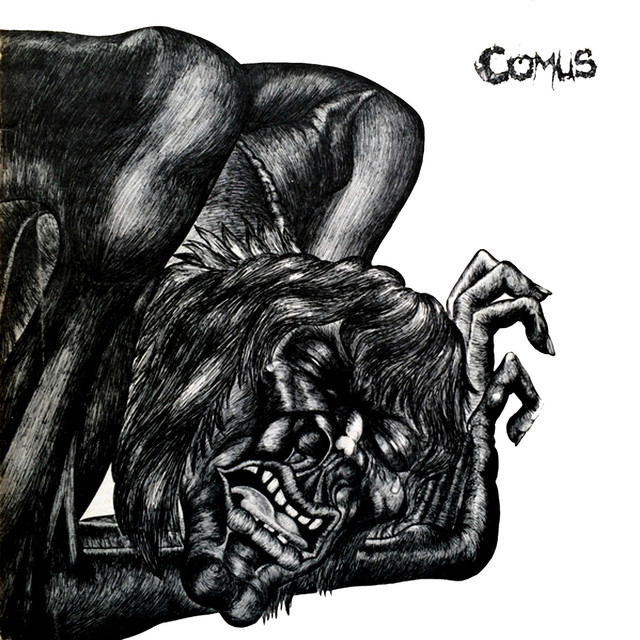
Comus
1971
·
2 albums
Listen
2
/5
Genres
Wyrd Folk
Wyrd folk is a contemporary, experimental strain of folk that blends traditional balladry and acoustic instrumentation with psychedelia, ritualistic drones, and a subtly uncanny, pastoral mood. It often sounds intimate and handmade—fingerpicked guitars, harmoniums, fiddles, flutes, and dulcimers are common—yet it introduces tape hiss, room ambience, drones, and spectral harmonies to tilt the sound toward the otherworldly. The style draws on British and Celtic folk idioms, the 1960s/70s acid-folk lineage, and the early-2000s “new weird” movement. Lyrics tend to reference folklore, landscape, esoterica, and myth; forms may be circular or chant-like, encouraging a trancey, contemplative state rather than a conventional verse–chorus release. The result is music that feels both ancient and modern: rustic in timbre, but unafraid of collage, ambience, and experimental arrangement.
Discover
Listen
Freak Folk
Freak folk is a 2000s revival and mutation of psychedelic and traditional folk that embraces eccentric vocals, surreal lyrics, and homespun, experimental arrangements. It blends fingerpicked acoustics and hand percussion with harps, harmoniums, toy instruments, and found sounds, often recorded in lo‑fi, intimate settings. Aesthetically, it is earthy yet otherworldly: pastoral melodies, drones, and modal harmonies coexist with whimsical, childlike timbres and mystical imagery. The scene is closely associated with the New Weird America movement, valuing communal creativity, DIY production, and a porous boundary between folk tradition and avant‑garde exploration.
Discover
Listen
Dark Folk
Dark folk is a somber, acoustic-centered branch of folk that blends minor-key songwriting with post-industrial atmospheres and gothic aesthetics. It often favors intimate, close-mic’d vocals; fingerpicked classical or steel‑string guitars; and sparse, martial or ritual percussion. Arrangements tend to be minimalist yet textural: drones, harmonium or accordion beds, bowed strings (violin, cello), and occasional field recordings or analog hiss deepen the mood. Lyrics explore themes of memory, decay, paganism, esotericism, romanticism, and the natural world, presented in a reflective or incantatory tone. The result is music that feels both archaic and modern—rural in timbre yet post-industrial in spirit.
Discover
Listen
Psychedelic Folk
Psychedelic folk (often called acid folk or psych folk) blends the acoustic intimacy and modal harmony of traditional folk with the exploratory textures, surreal lyricism, and studio experimentation of psychedelic music. It typically favors acoustic guitars, hand percussion, flutes, drones (e.g., tambura or harmonium), and small acoustic instruments, while embracing effects such as reverb, delay, tape manipulation, field recordings, and unconventional song structures. Lyrics tend toward the pastoral, mystical, and dreamlike—drawing on folklore, nature, and visionary or inward-looking themes. Musically, it often uses modal melodies (Dorian, Mixolydian), drones, fingerstyle guitar in open tunings, and hypnotic ostinatos, creating a hazy, otherworldly atmosphere that sits between singer‑songwriter intimacy and psychedelic exploration.
Discover
Listen
Progressive Folk
Progressive folk is a strand of folk music that adopts the exploratory spirit, extended forms, and harmonic richness of progressive rock and jazz while remaining rooted in traditional songcraft and acoustic timbres. It favors modal melodies, intricate fingerpicking, and unusual time signatures, often weaving together British and Celtic folk idioms with classical and jazz-informed arrangements. Compared with straight folk or folk rock, progressive folk is more ambitious in structure: suites, long-form ballads, and thematic albums are common. Lyrically it ranges from pastoral and mythical to philosophical and introspective, and it frequently experiments with instrumentation (e.g., dulcimer, sitar, harp, early music winds) and layered vocal counterpoint. The result is music that feels both ancient and modern—earthy yet expansive.
Discover
Listen
Progressive Rock
Progressive rock is a rock subgenre that expands the genre’s formal, harmonic, and conceptual boundaries. It favors long-form compositions, intricate arrangements, and virtuosic musicianship, often drawing on Western classical, jazz, folk, and psychedelic idioms. Typical hallmarks include multi-part suites, shifting time signatures, extended instrumental passages, recurring motifs, and concept albums that present unified themes or narratives. The sound palette commonly features electric guitar, bass, and drums alongside an array of keyboards (Hammond organ, Mellotron, Moog/ARP synthesizers, piano), woodwinds or brass, and occasional orchestral additions. Lyrics often explore science fiction, mythology, philosophy, social commentary, and introspective themes.
Discover
Listen
Contemporary Folk
Contemporary folk is a modern evolution of traditional folk aesthetics centered on intimate storytelling, clear melodies, and largely acoustic instrumentation. It favors voice-forward production, fingerpicked or gently strummed guitars, and arrangements that leave space for lyrics to resonate. While rooted in older folk ballad traditions, contemporary folk embraces current themes, production values, and song forms. Artists often blend guitar, banjo, mandolin, fiddle, upright or electric bass, light percussion, and close vocal harmonies, creating a warm, organic sound. The genre frequently addresses personal reflection, social issues, place, memory, and identity, balancing timeless simplicity with contemporary sensibilities.
Discover
Listen
Scenes & Movements
“Scenes & movements” is not a single musical style but a meta‑category used by historians, critics, and discographers to group releases and artists that cohere around a place, community, manifesto, press‑coined wave, or shared infrastructure (venues, labels, fanzines, studios, aesthetics). Examples include geographically rooted clusters (Merseybeat in Liverpool, CBGB punk in New York, Madchester in Manchester), ideational collectives (Rock in Opposition across the UK/Europe), press‑named waves (No Wave, C86), and label‑centric families (Elephant 6 in the U.S.). These scenes frequently develop recognizable sonic traits, visual codes, and production practices—yet what binds them first is social ecology and self‑identification rather than a strict set of musical parameters.
Discover
Listen
Second British Folk Revival
The Second British Folk Revival was a mid-20th-century resurgence of interest in traditional song and dance music of the British Isles. Emerging in the years after World War II, it drew on field-collecting, scholarship, and a growing network of folk clubs to bring ballads, sea songs, and dance tunes back into contemporary performance. By the late 1960s and early 1970s, the movement broadened from unaccompanied singing and acoustic ensembles to "electric folk" (or British folk rock), as bands adapted traditional repertoire with drum kits and amplified instruments. Its peak arrived in the early-to-mid 1970s, after which its mainstream visibility faded, though the repertoire, techniques, and community structures it fostered have remained foundational for later folk, singer-songwriter, and indie-folk scenes.
Discover
Listen
Folk
Folk is a song-centered acoustic tradition rooted in community storytelling, everyday life, and social history. It emphasizes clear melodies, simple harmonies, and lyrics that foreground narrative, protest, and personal testimony. As a modern recorded genre, folk coalesced in the early-to-mid 20th century in the United States out of older ballad, work song, and rural dance traditions. It typically features acoustic instruments (guitar, banjo, fiddle, mandolin, harmonica), strophic song forms, and participatory singing (choruses, call-and-response).
Discover
Listen
Show all 10 genres
Albums
1971
3
/5
First Utterance
Comus
Psychedelic Folk
1971
1
/5
First Utterance
Comus
Wyrd Folk
Progressive Folk
Psychedelic Folk
Similar artists
1
/5
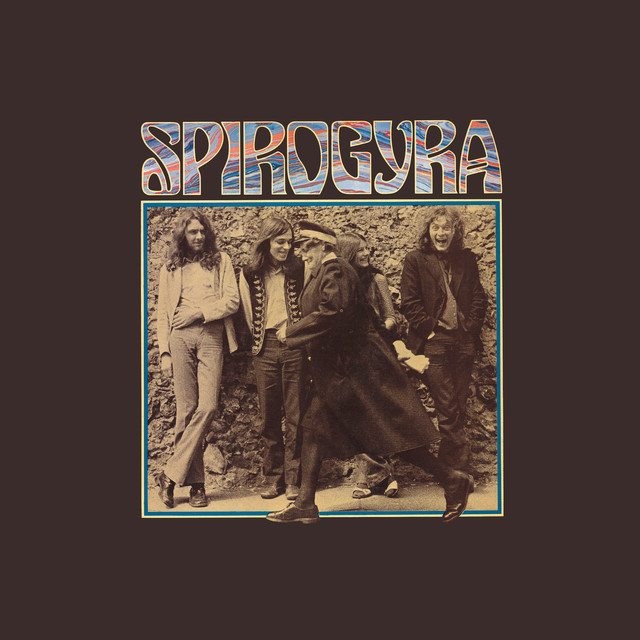
Spirogyra
Folk
Folk Rock
Progressive Rock
3
/5
Joanna Newsom
Chamber Folk
New Weird America
Contemporary Folk
3
/5
Los Jaivas
Rock Andino
Nueva Trova
Latin Folk
3
/5
Animal Collective
Freak Folk
Neo-Psychedelia
Experimental
3
/5
Linda Perhacs
Psychedelic Folk
Freak Folk
Reading Indie
3
/5
Harmonium
Progressive Folk
Chanson Québécoise
Folk Québécois
2
/5
Roy Harper
Psychedelic Folk
Acid Rock
Folk
4
/5
Mike Oldfield
New Age
Progressive Rock
Chill Pop
3
/5
Sui Generis
Nueva Trova
Trova
Folk Rock
2
/5
Hexvessel
New Weird Finland
Folk Rock
Psychedelic Rock
Download our mobile app
Get the Melodigging app and start digging for new genres on the go
Download on the App Store
Get it on Google Play
© 2026 Melodigging
Give feedback
Legal
Melodding was created as a tribute to
Every Noise at Once
, which inspired us to help curious minds keep digging into music's ever-evolving genres.