Genres
Artists
Albums
Make Music
Sign in
Sign in
Artists
Axé
Artists
Axé
Claudia Leitte
2025–2026
·
3 albums
Listen
4
/5
Genres
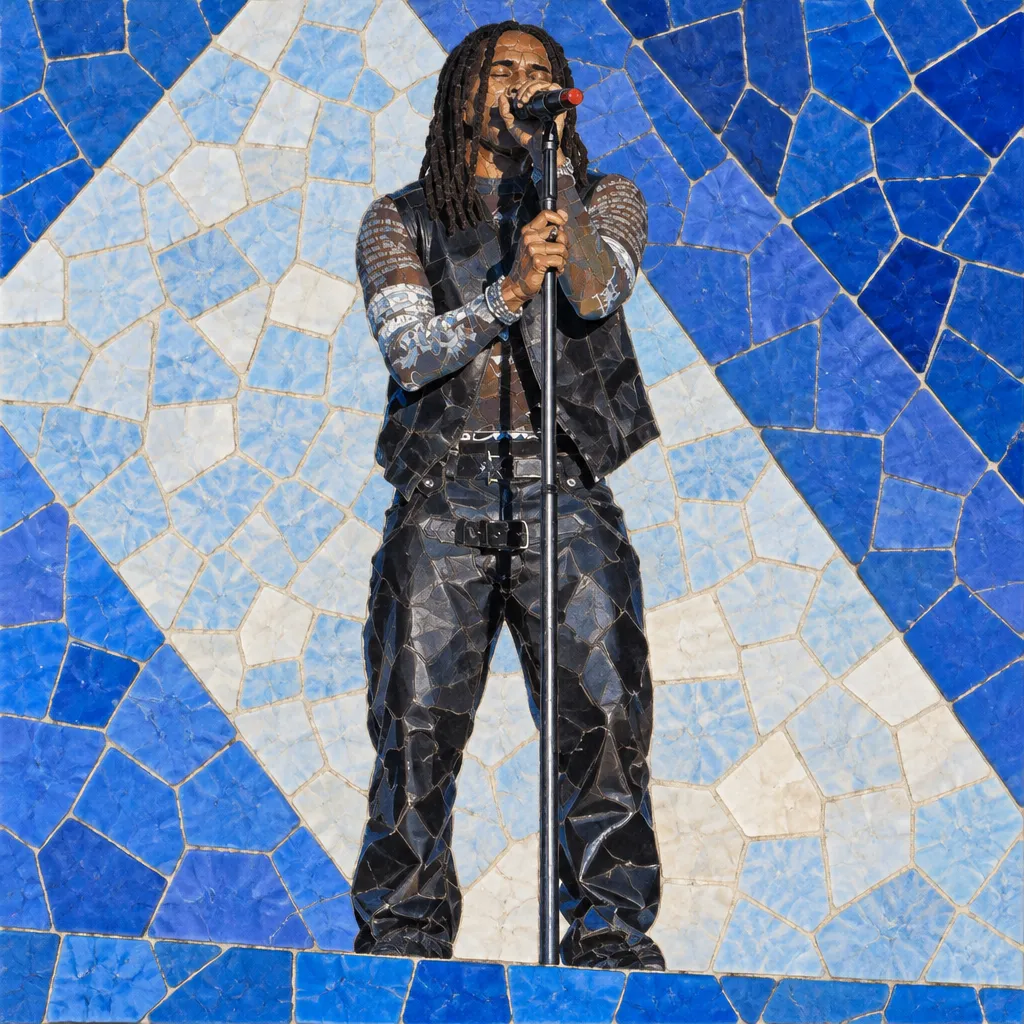
Brazilian Trap
Brazilian trap (trap brasileiro) is the Brazilian adaptation of the Atlanta-born trap sound, performed primarily in Portuguese and colored by local rhythms, slang, and aesthetics. It features 808-heavy beats, half-time grooves, rapid hi-hat rolls, and melodic, Auto-Tuned vocals, while often folding in the swing and percussive feel of funk carioca. Lyrics commonly move between street realities, internet-native lifestyle, fashion, and aspirational luxury, with strong regional accents and Brazilian vernacular giving it a distinct identity from US trap.
Discover
Listen
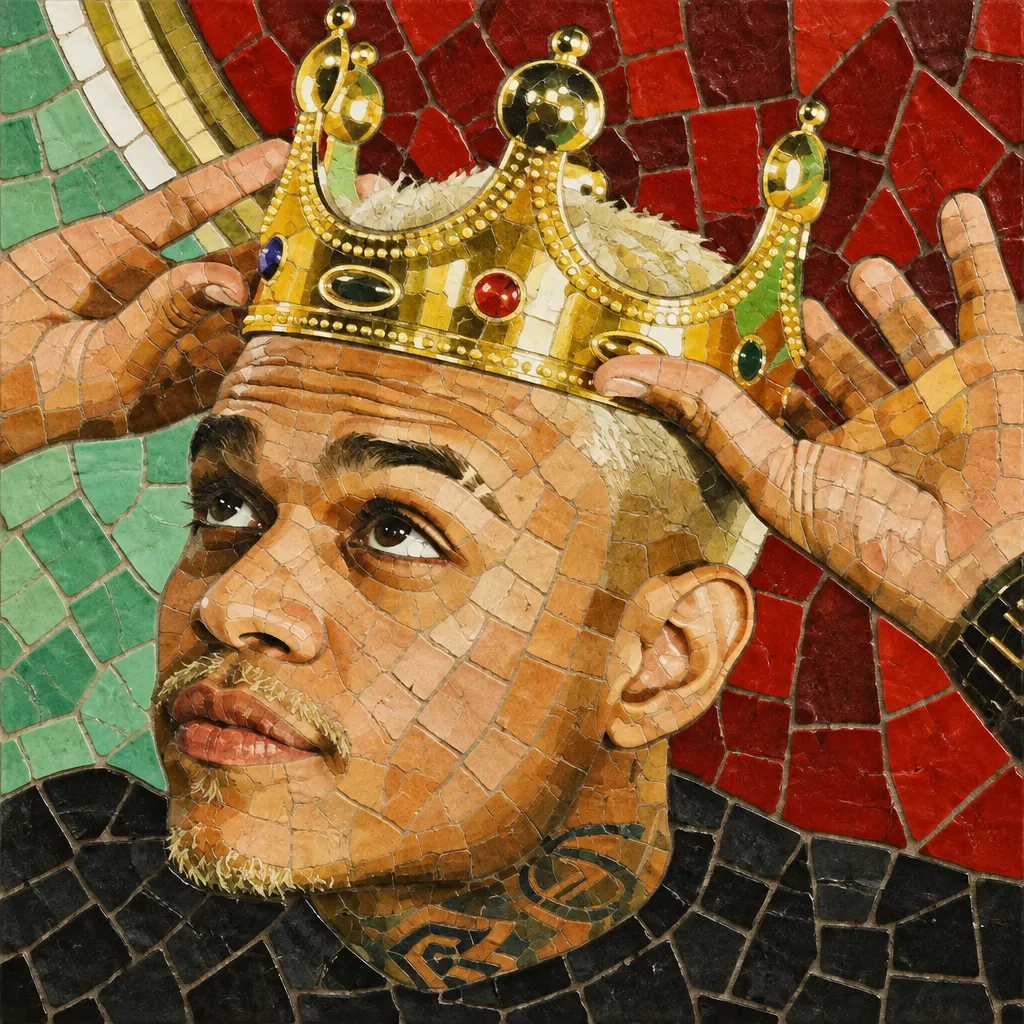
Vixa
Vixa is a Polish club-oriented strain of mainstream EDM that blends the swagger of big room house with the bouncy drive of Melbourne bounce and Dutch house. In Poland, “vixa” is also slang for a wild party, and the genre reflects that ethos: hard-hitting kicks, bold supersaw or brass-stab leads, and simple, chantable hooks designed for maximum dancefloor impact. Typically sitting around 128–132 BPM, vixa favors dramatic snare-roll builds, pitch-rising risers, and explosive drops with offbeat bass patterns. DJ edits of pop and regional hits—reworked into high-energy drops—are common, helping the sound dominate Polish club nights and festival stages where it thrives on big, euphoric moments.
Discover
Listen
Classify
Classify is a streaming-era microgenre that blends light classical technique with contemporary pop repertoire, typically presented as unobtrusive instrumental covers. It prioritizes soft dynamics, gentle tempos, and intimate recording to create a calm, elegant backdrop suitable for studying, working, or events. Most arrangements are for solo piano, string quartet, cello/piano duos, or small chamber ensembles. Harmonies remain diatonic and consonant, melodies are clearly voiced, and textures favor arpeggios, ostinati, and sustained legato lines. The overall aesthetic borrows from modern classical and new age moods while retaining the familiarity of pop song forms.
Discover
Listen
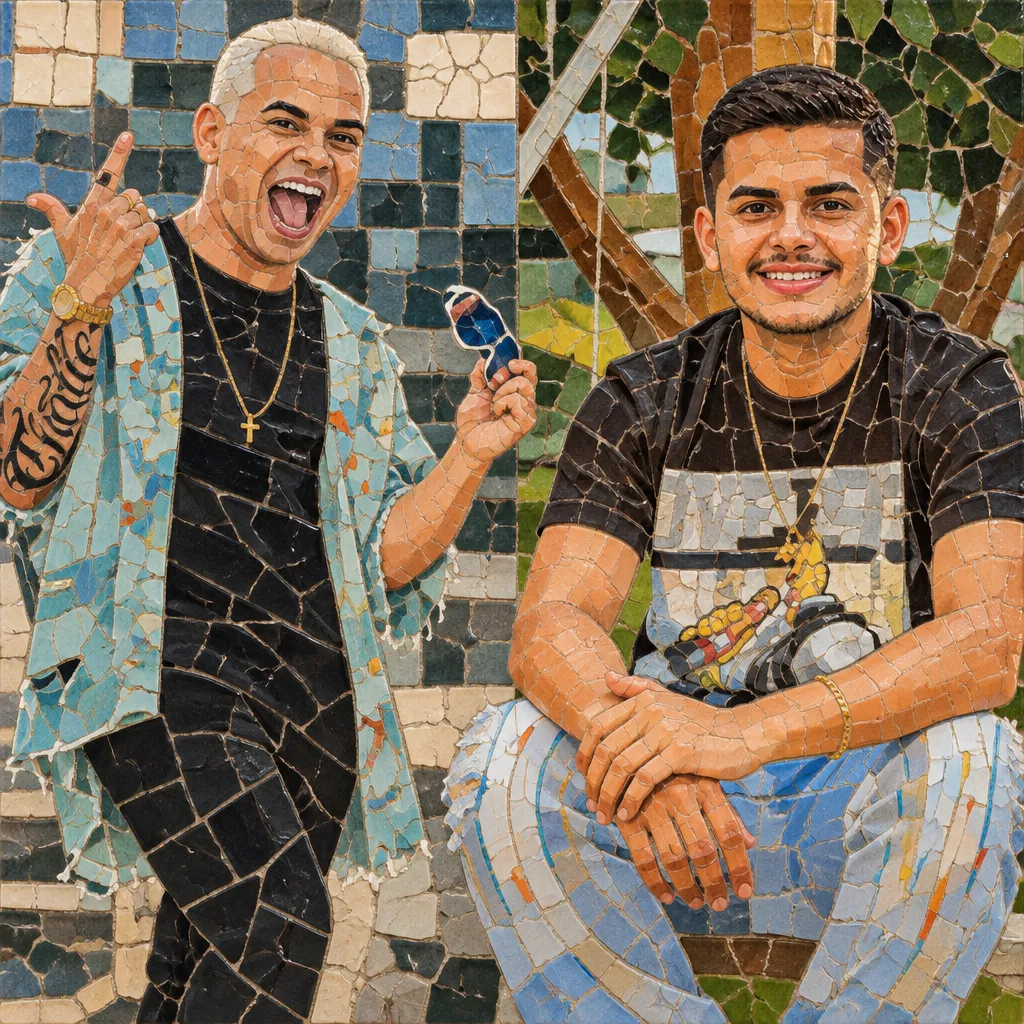
Trap Carioca
Trap carioca is a Rio de Janeiro–rooted branch of Brazilian trap that fuses the half‑time 808 power of U.S. trap with the swing, percussion accents, and party ethos of funk carioca. Built on booming 808 sub‑bass, triplet hi‑hats, and minor‑key loops, it often layers or references the tamborzão and other baile funk drum idioms, local slang, and narratives of favela life, hustle, style, and romance. The result is a gritty yet polished sound that can slide between cold, nocturnal menace and swaggering dance energy, reflecting Rio’s street reality and club culture.
Discover
Listen
Bregadeira
Bregadeira is a contemporary Brazilian party style that fuses romantic and melodic brega songwriting with the percussive swing of pagodão baiano and the booming low‑end of funk scenes. Built for paredão (sound‑system) culture, it emphasizes catchy hooks, call‑and‑response vocals, and drop‑driven arrangements that explode on heavy car and street systems. Producers blend tamborzão- and pagodão‑inspired drum patterns with technobrega/brega‑funk synths and sub‑bass, creating an extroverted, dance‑first sound that can be both flirtatious and rowdy.
Discover
Listen
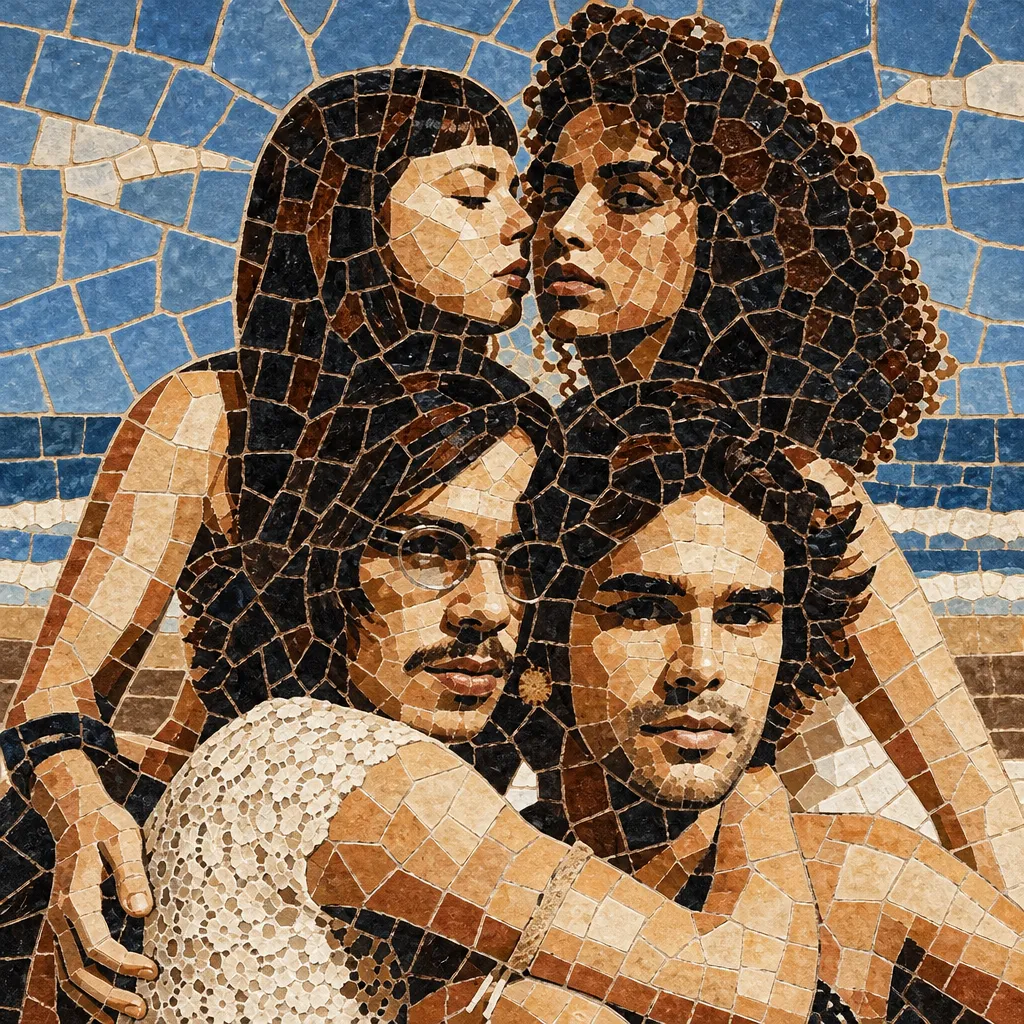
Nova Mpb
Nova MPB ("new Música Popular Brasileira") is a contemporary wave of Brazilian popular music that renews the classic MPB ethos with indie, electronic, neo‑soul, and modern pop production. Artists in this scene preserve the melodic richness, poetic lyricism, and rhythmic DNA of bossa nova and samba while embracing lo‑fi textures, synth pads, and intimate, close‑mic vocals. Compared to classic MPB, nova MPB tends to be more minimalist and bedroom‑studio friendly, favoring warm, analog‑leaning timbres and restrained grooves. Lyrics often blend romantic and introspective themes with snapshots of urban life, identity, and the everyday, delivered in Portuguese with a natural, conversational flow.
Discover
Listen
Russemusikk
Russemusikk is a Norwegian party-oriented micro-genre made for the annual high school graduation celebration known as "russ." It blends mainstream EDM and hard-hitting hip hop/trap aesthetics with simple, chantable hooks designed for mass singalongs on party buses and at outdoor gatherings. Musically, it leans on big-room leads, distorted festival-style kicks (often edging into hardstyle), noisy risers, crowd FX (airhorns, sirens), and breakdowns that set up explosive drops. Lyrically, it is direct and hedonistic—centered on celebration, bragging, friendship, and the communal identity of a specific russ crew—often using playful or provocative Norwegian slang. Tempos typically range from 125–150 BPM, with both four-on-the-floor and trap-influenced halftime patterns common. Over time, russemusikk has evolved from a niche commissioning culture into a pipeline that occasionally launches artists into the broader Norwegian pop and dance mainstream.
Discover
Listen
Axé
Axé is a high-energy popular music from Salvador, Bahia, that fuses Afro-Brazilian and Caribbean rhythms with pop and rock songcraft. Designed for massive Carnival parades, it pairs large percussion ensembles with bright electric guitars, brass hooks, and call-and-response vocals to drive dancing crowds along the trio elétrico (truck-mounted sound stages). Grounded in afoxê/ijexá and samba-reggae grooves, axé favors upbeat major-key melodies, anthemic choruses, and lyrics celebrating joy, love, summer, Afro-Bahian pride, and the collective ecstasy of the street party. Its sound is at once percussive and melodic: layered surdos, timbales, repiniques, and atabaques interlock beneath catchy horn lines and pop arrangements built to move tens of thousands of revelers.
Discover
Listen
Brazilian Pop
Brazilian pop is the mainstream-oriented spectrum of popular music made in Brazil, merging local rhythmic DNA (samba, bossa nova, MPB, axé, forró, sertanejo) with international pop, rock, R&B, and electronic production. Across eras, it has balanced melodic immediacy and radio-friendly structures with the harmonic richness and syncopation characteristic of Brazilian traditions. In the 2010s–2020s, Brazilian pop increasingly incorporates baile funk grooves, trap/R&B textures, and polished EDM elements, while retaining Portuguese lyrics, regional slang, and themes tied to Brazilian daily life, romance, and celebration.
Discover
Listen
Show all 9 genres
Albums
2026
2
/5
Vuco Vuco
Claudia Leitte
Axé
2025
1
/5
Especiarias - Ato II
Claudia Leitte
Axé
2025
1
/5
Soul D'Rua (Ao Vivo no Candyall Guetho Square)
Claudia Leitte
Axé
Similar artists
4
/5
Léo Santana
Axé
Arrocha
Brazilian Pop
4
/5
Ivete Sangalo
Samba-Reggae
Axé
Brazilian Pop
1
/5
Various Artists
Afro-Funk
Alternative Rock
Ambient
3
/5
BaianaSystem
Samba-Reggae
Axé
Afoxê
3
/5
É O Tchan
Pagodão
Axé
Pagode
4
/5
Diogo Nogueira
Samba Moderno
Axé
Mpb
3
/5
Psirico
Pagodão
Axé
Pagode
3
/5
Ara Ketu
Samba-Reggae
Axé
Pagodão
5
/5
Snoop Dogg
G-Funk
Gangsta Rap
Hip Hop
5
/5
Black Eyed Peas
Pop Rap
Dance-Pop
Hip Hop
Download our mobile app
Get the Melodigging app and start digging for new genres on the go
Download on the App Store
Get it on Google Play
© 2026 Melodigging
Give feedback
Legal
Melodding was created as a tribute to
Every Noise at Once
, which inspired us to help curious minds keep digging into music's ever-evolving genres.