Your digging level
Description
Samba moderno is a contemporary evolution of Brazilian samba that blends the rhythmic backbone of traditional samba and pagode with modern songwriting, pop/R&B harmonies, and slick studio production.
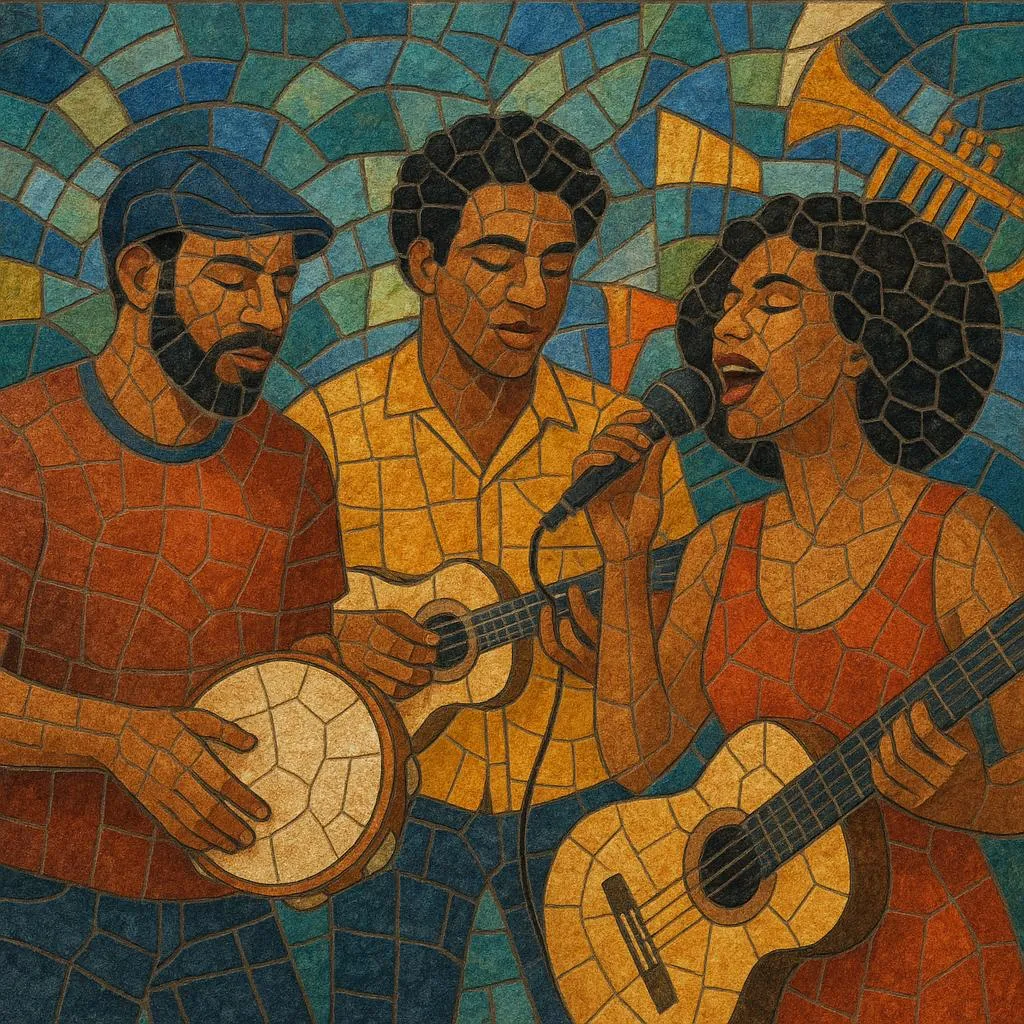
You will hear classic samba instrumentation (pandeiro, surdo, cavaquinho, acoustic guitar) alongside electric bass, keyboards, brass hooks, layered backing vocals, and occasionally electronic elements. Grooves often draw on partido‑alto accents, but with tighter arrangements, brighter mixes, and ear‑catching choruses tailored for radio and streaming.
Lyrically, samba moderno typically revolves around love, everyday life in the cidade, and communal celebration, keeping the genre’s social spirit while adopting contemporary melodic sensibilities.

History
After the 1990s boom of pagode and the longstanding prominence of samba de raiz, a new wave of artists in the 2000s began to refresh the samba songbook with pop‑oriented hooks, denser vocal arrangements, and studio polish. This shift retained samba’s communal percussion and call‑and‑response tradition while embracing the harmonic colors of MPB and bossa nova, plus the immediacy of contemporary R&B and pop.
In major hubs like Rio de Janeiro and São Paulo, producers and bands tightened arrangements and foregrounded melodies without losing the swing. Acoustic ensembles added electric bass, keys, brass riffs, and modern backing‑vocal stacks, while maintaining pandeiro/surdo drive and cavaquinho comping. The result was a radio‑friendly yet unmistakably samba feel.
From the mid‑2010s onward, streaming accelerated collaboration across scenes. Samba moderno increasingly borrowed sheen from pop and R&B, occasionally flirting with electronic textures and funk carioca rhythmic cells. Live albums and audiovisual sessions helped translate the roda’s energy to digital audiences, keeping the participatory essence alive.
Samba moderno functions as a bridge: it honors traditional grooves and neighborhood rodas while speaking the contemporary language of hooks, harmony, and production. It is at once dance‑floor‑ready and emotionally direct, sustaining samba’s central role in Brazilian popular music.