Genres
Artists
Albums
Make Music
Sign in
Sign in
Artists
Pagodão
Artists
Pagodão
Psirico
2000
·
4 albums
Listen
3
/5
Genres
Brazilian Trap
Brazilian trap (trap brasileiro) is the Brazilian adaptation of the Atlanta-born trap sound, performed primarily in Portuguese and colored by local rhythms, slang, and aesthetics. It features 808-heavy beats, half-time grooves, rapid hi-hat rolls, and melodic, Auto-Tuned vocals, while often folding in the swing and percussive feel of funk carioca. Lyrics commonly move between street realities, internet-native lifestyle, fashion, and aspirational luxury, with strong regional accents and Brazilian vernacular giving it a distinct identity from US trap.
Discover
Listen
Funk 150 Bpm
Funk 150 BPM is a high‑tempo offshoot of Brazilian funk (funk carioca) that standardizes the groove around 150 beats per minute. It speeds up the classic tamborzão rhythm, emphasizing pounding sub‑kicks, snappy claps/snares, tom fills, sirens, and shouty vocal tags designed for baile (street party) energy. Arrangements are usually minimal and loop‑driven, centering on call‑and‑response MC lines, short hooks, and montage-style edits, with drops that arrive quickly and repeat often. The result is an intense, dance-forward sound that retains the raw grit of Rio’s funk while pushing the adrenaline and club-readiness to the foreground.
Discover
Listen
Bregadeira
Bregadeira is a contemporary Brazilian party style that fuses romantic and melodic brega songwriting with the percussive swing of pagodão baiano and the booming low‑end of funk scenes. Built for paredão (sound‑system) culture, it emphasizes catchy hooks, call‑and‑response vocals, and drop‑driven arrangements that explode on heavy car and street systems. Producers blend tamborzão- and pagodão‑inspired drum patterns with technobrega/brega‑funk synths and sub‑bass, creating an extroverted, dance‑first sound that can be both flirtatious and rowdy.
Discover
Listen
Pop Lgbtq+ Brasileira
Pop lgbtq+ brasileira is contemporary Brazilian pop created by openly LGBTQIA+ artists and rooted in the country’s club culture, internet-native scenes, and mainstream pop industry. Sonically, it blends glossy electropop and dance-pop with distinctly Brazilian rhythms and textures—most notably funk carioca’s tamborzão, brega/tecno-brega melodrama, axé’s carnival exuberance, and MPB’s lyrical sensibility. Productions often pull from reggaeton, house, trap-funk, and ballroom-vogue percussion, yielding high-energy tracks designed for both radio and dance floors. The genre is as much about voice and visibility as it is about hooks: lyrics commonly foreground queer love, pride, self-fashioning, resilience, and nightlife. Vocals range from diva belting to rap/sung hybrids, with campy, theatrical performance aesthetics that translate strongly to video and stage. The scene’s rise is tightly linked to streaming-era dynamics, YouTube/Instagram/TikTok virality, and collaborations with DJs and funk producers.
Discover
Listen
New Mpb
New MPB (Nova Música Popular Brasileira in English usage) is a 2010s–2020s wave that refreshes classic MPB’s songwriting craft with indie, R&B, hip‑hop, and electronic production. It keeps the genre’s hallmark: sophisticated harmony, intimate vocals, and poetry‑forward lyrics in Portuguese. Sonically, you’ll hear nylon‑string guitars and Rhodes pianos beside drum machines, 808s, and warm synths. Rhythms nod to samba, bossa nova, baião, and funk carioca while embracing modern pop swing and hip‑hop backbeats. The result is stylish, urban, and contemporary—romantic and reflective, yet danceable and groove‑savvy.
Discover
Listen
Nova Mpb
Nova MPB ("new Música Popular Brasileira") is a contemporary wave of Brazilian popular music that renews the classic MPB ethos with indie, electronic, neo‑soul, and modern pop production. Artists in this scene preserve the melodic richness, poetic lyricism, and rhythmic DNA of bossa nova and samba while embracing lo‑fi textures, synth pads, and intimate, close‑mic vocals. Compared to classic MPB, nova MPB tends to be more minimalist and bedroom‑studio friendly, favoring warm, analog‑leaning timbres and restrained grooves. Lyrics often blend romantic and introspective themes with snapshots of urban life, identity, and the everyday, delivered in Portuguese with a natural, conversational flow.
Discover
Listen
8d
8D (often styled “8D Audio”) is not a traditional genre but a headphone‑centric production approach where a finished song is reprocessed with fast, automated spatial panning and head‑related transfer function (HRTF) filtering to simulate 360‑degree movement around the listener. Despite the name, there are no actual "eight dimensions." The appeal comes from psychoacoustic tricks—continuous circular or figure‑eight panning, binaural/ambisonic processing, Doppler‑like EQ changes, and reverb tails—that create the illusion that sounds orbit your head. The effect became a viral format on streaming platforms and video sites in the late 2010s, commonly applied to pop, lo‑fi, and chill tracks to make “immersive” headphone versions. Because 8D is an effect rather than a compositional style, its repertoire largely consists of fan/producer remixes of pre‑existing music, plus original ambient and chill pieces designed specifically for the "moving sound" experience.
Discover
Listen
Rap Feminino Nacional
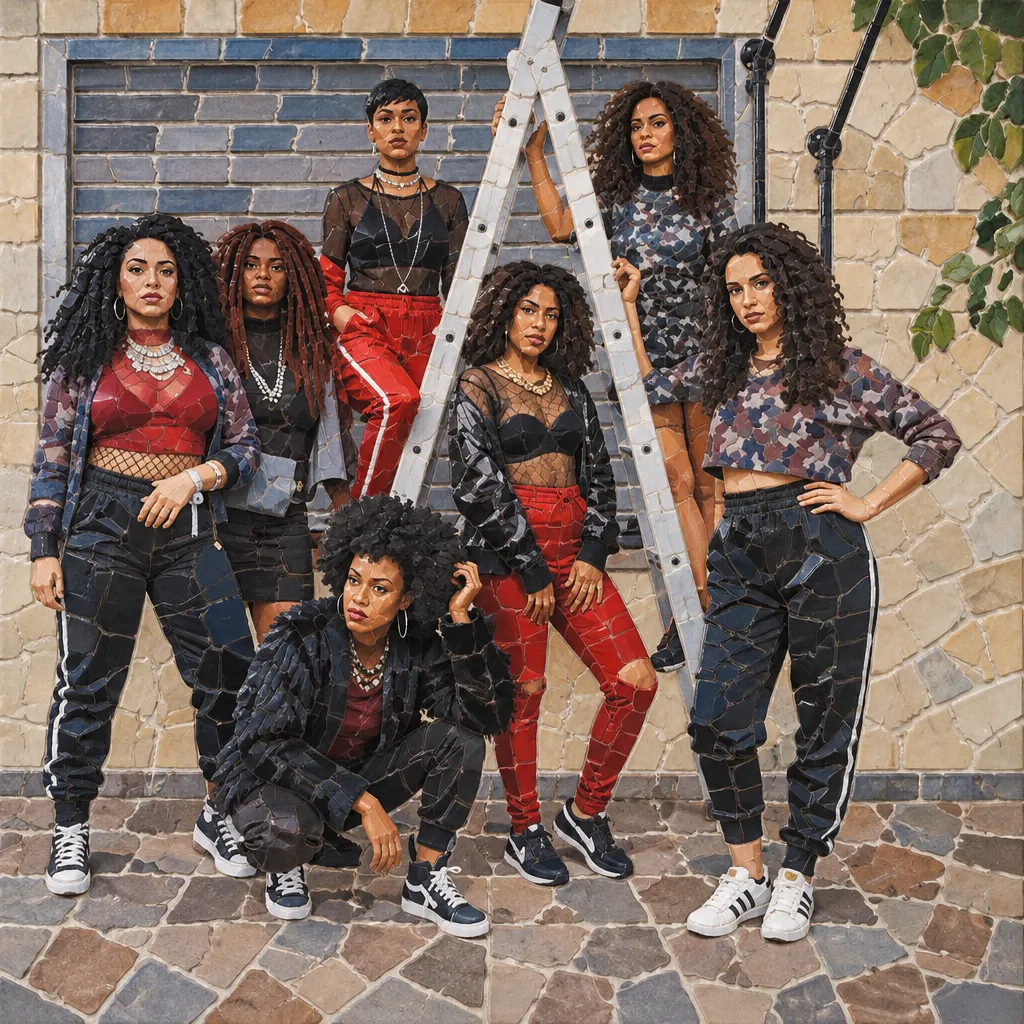
Rap feminino nacional is the Brazilian movement of women MCs who rap primarily in Portuguese, centering female perspectives, Black identity, and everyday life in Brazil. It spans classic boom‑bap and modern trap aesthetics while freely borrowing from baile funk, samba, MPB, and contemporary R&B. The sound is marked by confident flows, pointed social commentary, and hook‑forward choruses that often blur rapped and sung delivery. Production ranges from raw, sample‑driven beats to glossy, club‑ready tracks, with frequent use of Afro‑Brazilian percussion, 808 bass, and syncopated, danceable rhythms.
Discover
Listen
Pagodão
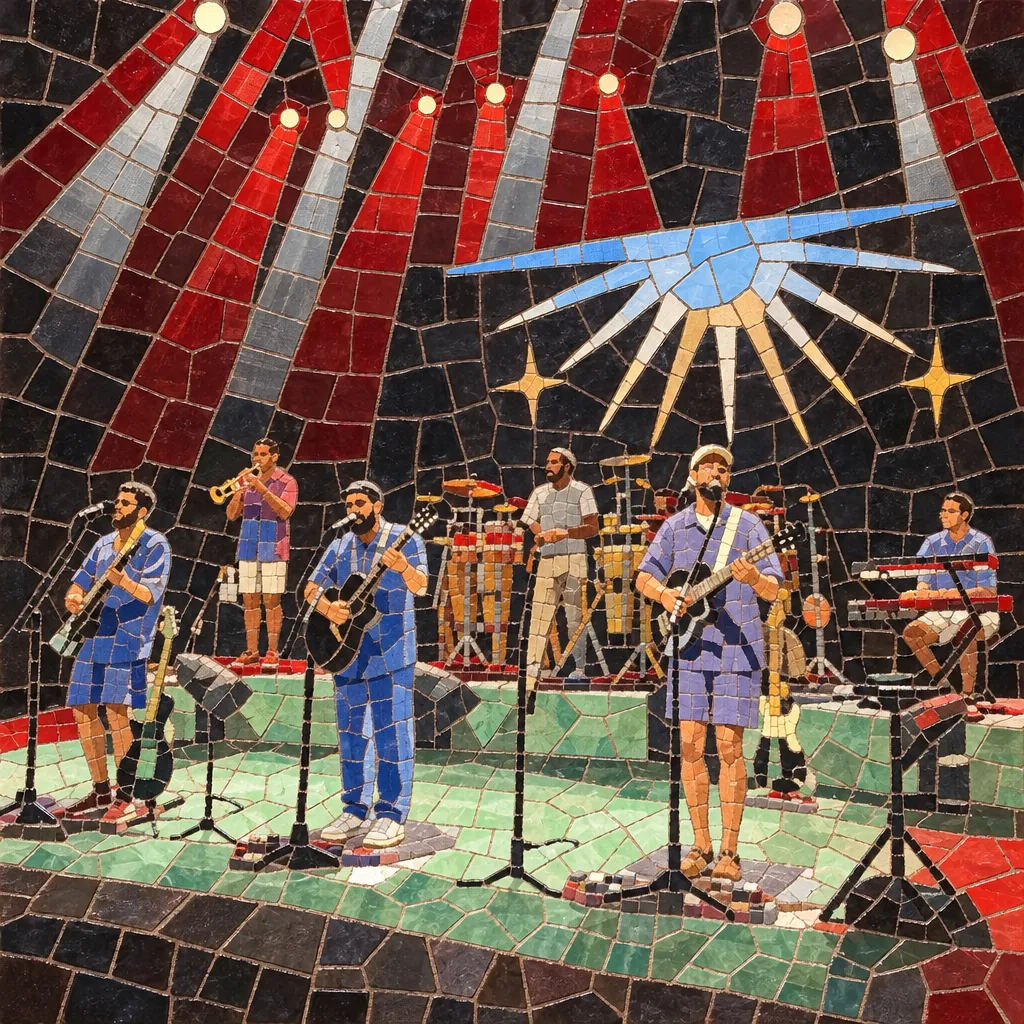
Pagodão (often called pagode baiano) is a high-energy Brazilian style from Salvador, Bahia that fuses the swing and percussion of samba-reggae with pagode’s party atmosphere. Compared with Rio/São Paulo pagode, pagodão is faster, heavier on percussion, and commonly features choreographed dance moves on stage and among audiences. It emphasizes tight, repeating electric-guitar riffs alongside powerful drums and Afro-Bahian percussion such as atabaques and pandeiros, creating a carnival-ready groove. Because it emerged in Bahia and shared mainstream success in the 1990s–2000s, pagodão is often confused with axé music. While the two scenes intersected, pagodão’s core identity is the blend of samba-reggae pulse with pagode-style hooks and call-and-response vocals, driven by bloco-style percussion and street-party energy.
Discover
Listen
Axé
Axé is a high-energy popular music from Salvador, Bahia, that fuses Afro-Brazilian and Caribbean rhythms with pop and rock songcraft. Designed for massive Carnival parades, it pairs large percussion ensembles with bright electric guitars, brass hooks, and call-and-response vocals to drive dancing crowds along the trio elétrico (truck-mounted sound stages). Grounded in afoxê/ijexá and samba-reggae grooves, axé favors upbeat major-key melodies, anthemic choruses, and lyrics celebrating joy, love, summer, Afro-Bahian pride, and the collective ecstasy of the street party. Its sound is at once percussive and melodic: layered surdos, timbales, repiniques, and atabaques interlock beneath catchy horn lines and pop arrangements built to move tens of thousands of revelers.
Discover
Listen
Pagode
Pagode is a substyle of Brazilian samba that crystallized in Rio de Janeiro in the late 1970s and became a national phenomenon in the 1980s. The word "pagode" originally meant a backyard party, and the genre reflects that intimate, convivial setting: acoustic instruments clustered around a table, communal singing, call-and-response hooks, and lyrics about love, friendship, bohemian life, and everyday humor. Musically, pagode emphasizes a warm, mid-tempo samba groove driven by hand percussion (pandeiro, repique de mão, tantã) and the bright strum of cavaquinho or banjo-cavaquinho. It favors catchy choruses, tight vocal harmonies (coro de apoio), and short, memorable melodies over virtuosic display. In the 1990s, a smoother, pop-leaning branch—often called pagode romântico—added keyboards, fuller vocal arrangements, and lush production, taking the style to mainstream radio while preserving its samba pulse.
Discover
Listen
Show all 11 genres
Albums
2000
1
/5
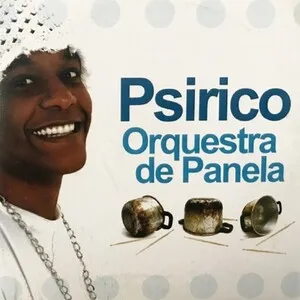
Orquestra de panela
Psirico
Pagodão
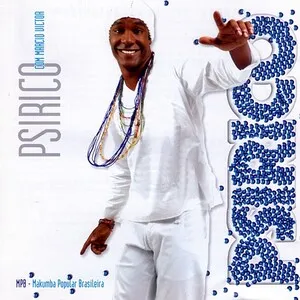
MPB: Makumba popular brasileira
Psirico
Pagode
MPB: Makumba popular brasileira
Psirico
Axé
MPB: Makumba popular brasileira
Psirico
Pagodão
Similar artists
3
/5
É O Tchan
Pagodão
Axé
Pagode
4
/5
Léo Santana
Axé
Arrocha
Brazilian Pop
3
/5
Ara Ketu
Samba-Reggae
Axé
Pagodão
4
/5
LUDMILLA
Funk Pop
Brazilian Pop
Pagode
4
/5
Ivete Sangalo
Samba-Reggae
Axé
Brazilian Pop
2
/5
A Travestis
Pagodão
Funk 150 Bpm
Axé
4
/5
Seu Jorge
Samba Soul
Rave Funk
Brazilian Trap
2
/5
Fantasmão
Pagodão
Axé
Pagode
4
/5
Diogo Nogueira
Samba Moderno
Axé
Mpb
3
/5
Tony Salles
Axé
Pagode
Pagodão
Download our mobile app
Get the Melodigging app and start digging for new genres on the go
Download on the App Store
Get it on Google Play
© 2026 Melodigging
Give feedback
Legal
Melodding was created as a tribute to
Every Noise at Once
, which inspired us to help curious minds keep digging into music's ever-evolving genres.