Genres
Artists
Albums
Make Music
Sign in
Sign in
Artists
Minimalism
Artists
Minimalism
Christoph Maria Moosmann
2019
·
1 album
Listen
1
/5
Genres
New Isolationism
New isolationism is a contemporary strain of isolationist ambient and post-industrial minimalism that emerged in the 2010s, particularly around Scandinavian experimental labels and studios. It foregrounds intimate, close-mic’d sound, negative space, and a quiet-but-present noise floor; its pieces feel both internal and architectural, like rooms built from reverb tails, tape hiss, and soft electronics. Sonically, the style blends glacial drones, fragile chamber timbres (strings, organ, piano), lo‑fi electronics, and field recordings into stark, slow-evolving tableaux. Melodic information is sparse—often only a few tones or gestures—while rhythm is either absent or reduced to distant pulses, heartbeats, or mechanical cycles. Vocals, when they appear, are murmured, diaristic, or abstracted by pitch and time manipulation. Aesthetically, new isolationism is post‑internet and diaristic: it captures solitude, memory, and dislocation with a palette that feels personal yet estranged, drawing as much from contemporary gallery sound practice as from classic dark ambient.
Discover
Listen
Spectralism
Spectralism is a movement in contemporary classical music that treats timbre and the acoustic spectrum as primary compositional materials. Rather than building music from abstract pitch-class sets or functional harmony, spectral composers derive harmonies, orchestrations, and formal processes from the real-world spectra of sounds. Using tools such as Fourier analysis, they decompose a sound into its partials and then re-synthesize or orchestrate those partials across instruments, often employing microtonality, extended techniques, and slow, morphing processes. The result is music where color, resonance, and perceptual phenomena shape structure as much as melody or rhythm.
Discover
Listen
Minimalism
Minimalism is a style of Western art music that emerged in the United States during the 1960s, characterized by the use of very limited musical materials, steady pulse, and extensive repetition. Composers often build pieces from short cells or motifs that are repeated and slowly transformed through additive or subtractive processes, phase shifting, and gradual changes in harmony, texture, or register. Harmony is typically consonant (often modal or diatonic), though just intonation and extended drones are also common. The result is music that foregrounds process, clarity, audibility of structure, and a hypnotic sense of stasis and flow. Typical ensembles include keyboards, mallet percussion, strings, winds, voices, and electronics or tape. Minimalism influenced a wide array of later styles, from ambient and new age to post-minimalism and minimal techno.
Discover
Listen
Albums
2019
1
/5
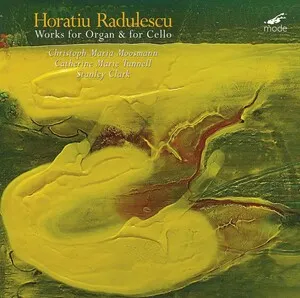
Works for Organ & for Cello
Horațiu Rădulescu
Spectralism
Similar artists
1
/5
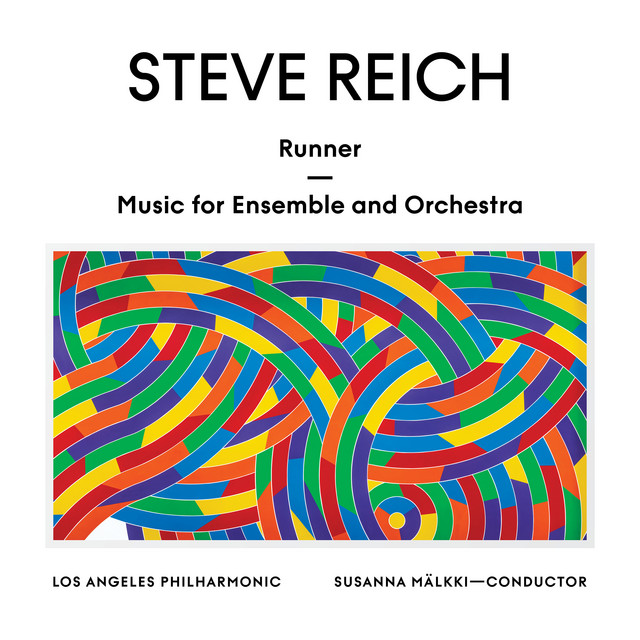
Susanna Mälkki
Classical
Minimalism
Monodrama
1
/5
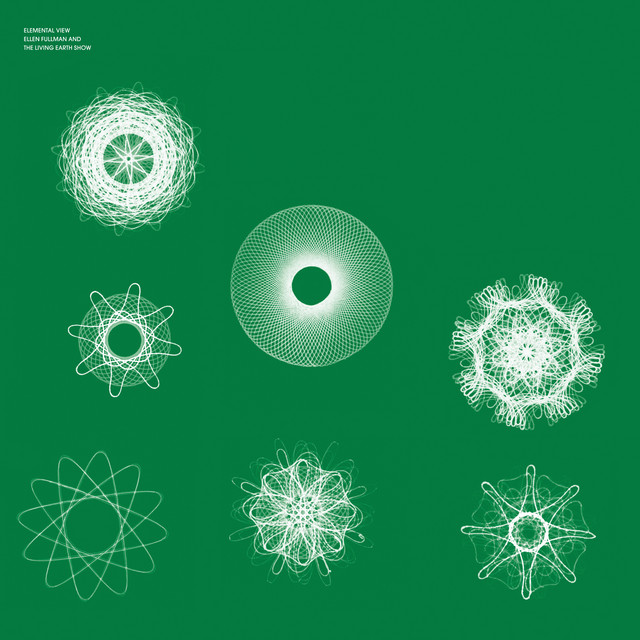
Ellen Fullman
Avant-Garde
Drone
Experimental
4
/5
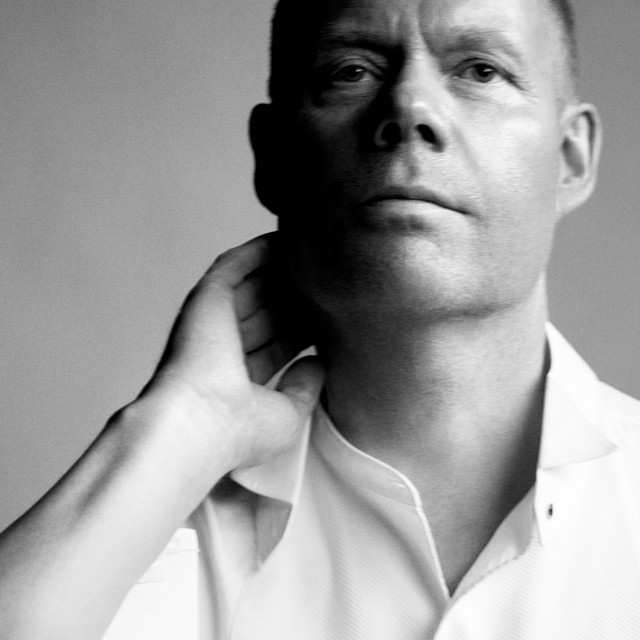
Max Richter
Post-Minimalism
Classical
Contemporary Classical
4
/5
Ólafur Arnalds
Compositional Ambient
Contemporary Classical
Minimalism
4
/5
Víkingur Ólafsson
Classical
Classical Piano
Minimalism
4
/5
Brian Eno
Ambient
Krautrock
Experimental
4
/5
Philip Glass
Classical
Minimalism
Modern Classical
4
/5
Jóhann Jóhannsson
Contemporary Classical
Minimalism
Classical
4
/5
Nils Frahm
Minimalism
Contemporary Classical
Ambient
4
/5
Harold Budd
Ambient
Minimalism
Drone
Download our mobile app
Get the Melodigging app and start digging for new genres on the go
Download on the App Store
Get it on Google Play
© 2026 Melodigging
Give feedback
Legal
Melodding was created as a tribute to
Every Noise at Once
, which inspired us to help curious minds keep digging into music's ever-evolving genres.