Genres
Artists
Albums
Make Music
Sign in
Sign in
Artists
Baroque
Artists
Baroque
Christine Schornsheim
2007
·
1 album
Listen
2
/5
Genres
Concerto
A concerto is a large-scale composition that sets one or more solo instruments in dynamic dialogue with an orchestra. Its core idea is contrast—between soloist and tutti—and the dramatic negotiation of power, color, and thematic responsibility. While Baroque concertos often relied on ritornello form, the Classical era standardized a three-movement plan (fast–slow–fast) with sonata principles in the opening movement. The Romantic period emphasized virtuosity and expressive foregrounding of the soloist, and the 20th–21st centuries broadened the palette with new instruments, harmonies, and formats. Across eras, the concerto remains a showcase for instrumental character, technical brilliance, and the art of orchestral conversation.
Discover
Listen
Baroque
Baroque is a period and style of Western art music spanning roughly 1600–1750. It is characterized by the birth of functional tonality, the widespread use of basso continuo (figured bass), and a love of contrast—between soloist and ensemble, loud and soft, and different timbres. Hallmark genres and forms of the era include opera, cantata, oratorio, concerto (especially the concerto grosso), dance suite, sonata, and fugue. Textures range from expressive monody to intricate counterpoint, and melodies are richly ornamented with trills, mordents, and appoggiaturas. Baroque music flourished in churches, courts, and theaters across Europe, with regional styles (Italian, French, German, English) shaping distinctive approaches to rhythm, dance, harmony, and ornamentation.
Discover
Listen
Harpsichord Music
Harpsichord music is the body of solo and ensemble repertoire written for the plucked‑keyboard instrument that dominated European art music from the Renaissance through the Baroque. Its sound—produced by quills plucking strings—lacks sustain, which shaped a highly articulated style built on counterpoint, dance rhythms, figuration, and ornamental nuance. National idioms emerged: the Italian toccata and variation tradition, the English Virginalists’ song- and dance-derived pieces, the French clavecinistes’ agréments-rich character pieces and dance suites, and the German synthesis of contrapuntal rigor and stylus fantasticus. In the 20th century the instrument was revived for historically informed performance and new works, and its timbre migrated into popular styles such as baroque pop.
Discover
Listen
Classical
Classical music is the notated art-music tradition of Europe and its global descendants, characterized by durable forms, carefully codified harmony and counterpoint, and a literate score-based practice. The term “classical” can refer broadly to the entire Western art-music lineage from the Medieval era to today, not just the Classical period (c. 1750s–1820s). It privileges long-form structures (such as symphonies, sonatas, concertos, masses, and operas), functional or modal harmony, thematic development, and timbral nuance across ensembles ranging from solo instruments to full orchestras and choirs. Across centuries, the style evolved from chant and modal polyphony to tonal harmony, and later to post-tonal idioms, while maintaining a shared emphasis on written notation, performance practice, and craft.
Discover
Listen
Albums
2007
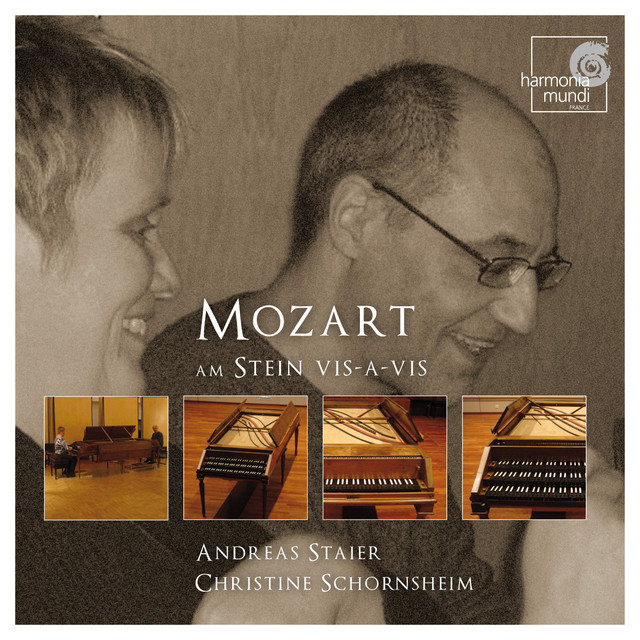
Mozart: On Stein vis-à-vis
Wolfgang Amadeus Mozart, Andreas Staier, Christine Schornsheim
Harpsichord Music
Similar artists
Hide discovered
4
/5
Johann Sebastian Bach
Baroque
Classical
Baroque Suite
3
/5
Trevor Pinnock
Baroque
Concerto
Classical
3
/5
Pieter-Jan Belder
Baroque
Chamber Music
Classical
3
/5
Ottavio Dantone
Baroque
Baroque Violin
Chamber Music
3
/5
Richard Egarr
Classical
Baroque
Concerto
2
/5
Andreas Staier
Baroque
Chamber Music
Classical
4
/5
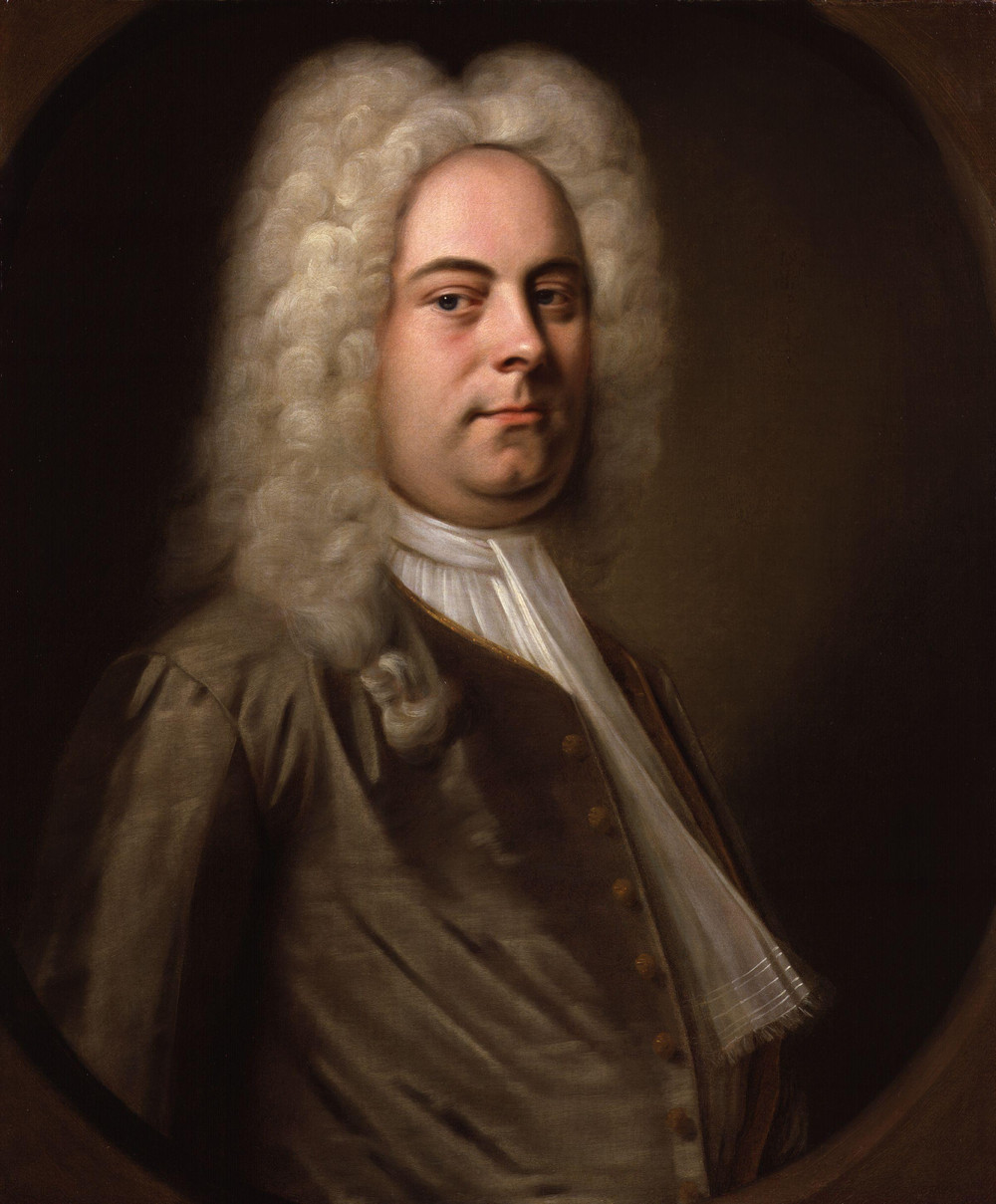
George Frideric Handel
Classical
Opera Seria
Classical Countertenor
4
/5
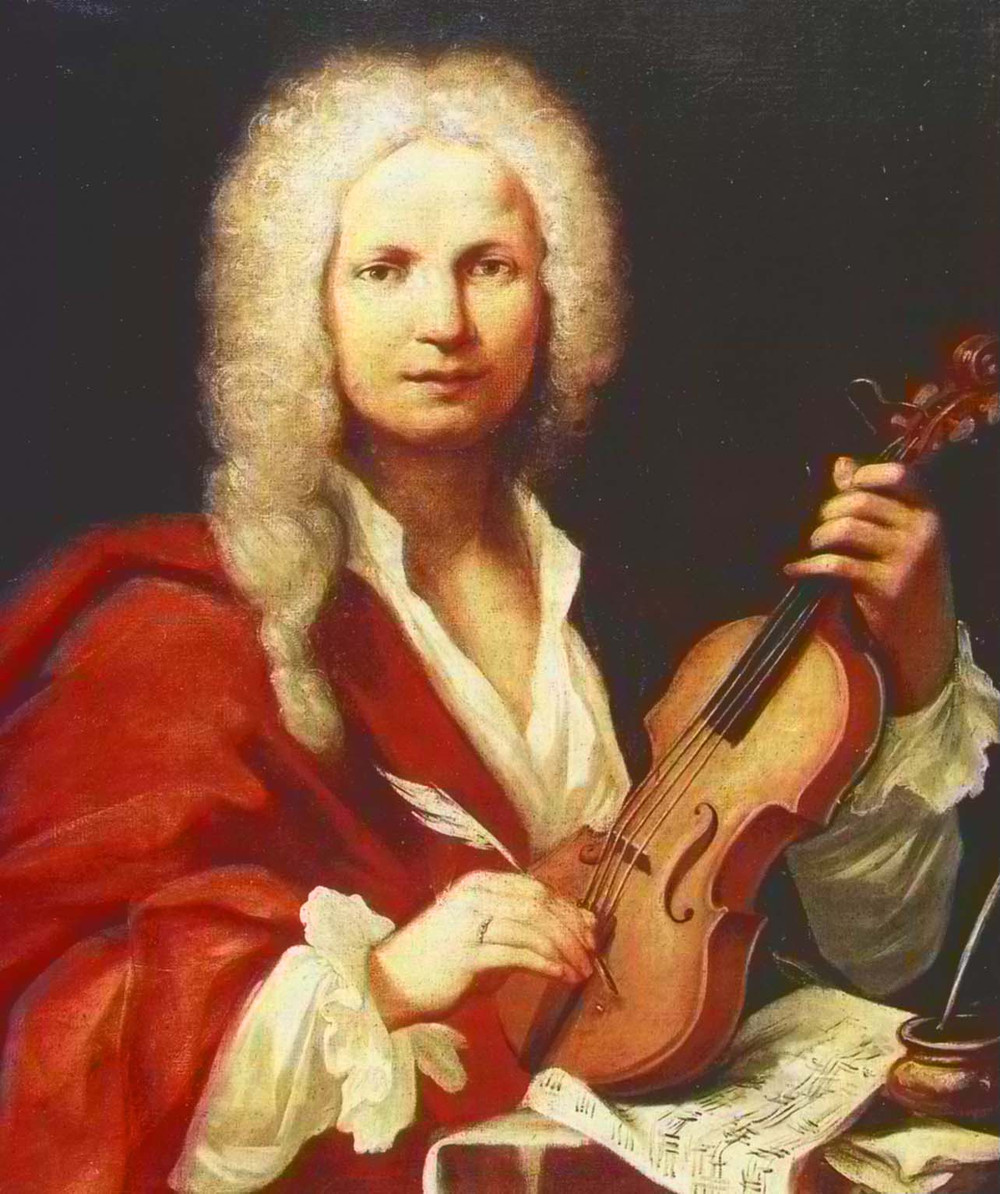
Antonio Vivaldi
Baroque
Classical
Opera Seria
4
/5
Academy of St. Martin in the Fields
Baroque
Classical
Concerto
4
/5
London Philharmonic Orchestra
Classical
Opera
Orchestral
Download our mobile app
Get the Melodigging app and start digging for new genres on the go
Download on the App Store
Get it on Google Play
© 2026 Melodigging
Give feedback
About & FAQ
Legal
Melodding was created as a tribute to
Every Noise at Once
, which inspired us to help curious minds keep digging into music's ever-evolving genres.