Your digging level
Description
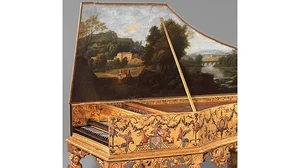
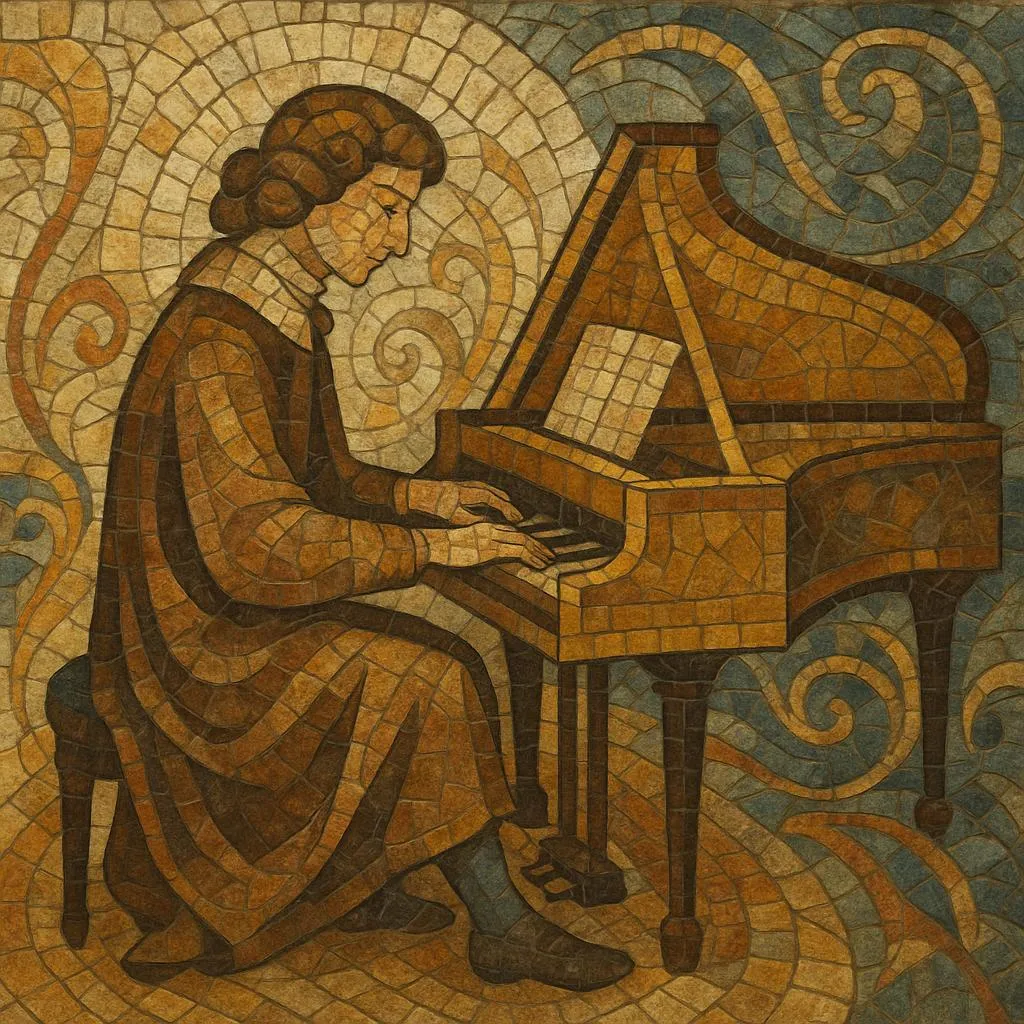
Harpsichord music is the body of solo and ensemble repertoire written for the plucked‑keyboard instrument that dominated European art music from the Renaissance through the Baroque.
Its sound—produced by quills plucking strings—lacks sustain, which shaped a highly articulated style built on counterpoint, dance rhythms, figuration, and ornamental nuance. National idioms emerged: the Italian toccata and variation tradition, the English Virginalists’ song- and dance-derived pieces, the French clavecinistes’ agréments-rich character pieces and dance suites, and the German synthesis of contrapuntal rigor and stylus fantasticus. In the 20th century the instrument was revived for historically informed performance and new works, and its timbre migrated into popular styles such as baroque pop.
History
The harpsichord emerged in Italy in the late 15th and early 16th centuries and quickly attracted composers who explored idiomatic keyboard textures suited to its plucked, unsustaining tone. Early Italian repertoire emphasized toccatas, ricercars, and variations (grounds and passacaglias), establishing forms and figuration that would define the instrument’s voice.
Johann Sebastian Bach synthesized Italian brilliance, French ornament, and German counterpoint in suites, partitas, toccatas, inventions, the Well-Tempered Clavier, and concerted works. Domenico Scarlatti revolutionized harpsichord technique with single-movement binary sonatas featuring hand-crossings, guitar-like figuration, and Iberian harmonies. In France, Rameau and François Couperin refined the character piece and the pedagogy of ornamentation.
By mid‑1700s the fortepiano eclipsed the harpsichord in domestic and concert settings due to its dynamic control and sustaining power. The harpsichord persisted mainly in basso continuo roles and in a shrinking solo repertoire before largely falling silent during the 19th century.
Wanda Landowska championed the instrument, commissioning large modern harpsichords and inspiring new works (e.g., de Falla’s Harpsichord Concerto, Poulenc’s Concert champêtre). From the 1960s, historically informed performance (Harnoncourt, Leonhardt) led to the building of lighter, historically modeled instruments and a performance style grounded in period sources. Contemporary composers (e.g., Ligeti’s Continuum) and popular musicians adopted the harpsichord’s timbre, and it became a coloristic signifier of “baroque” in film and pop.