Genres
Artists
Albums
Make Music
Sign in
Sign in
Artists
Choral
Artists
Choral
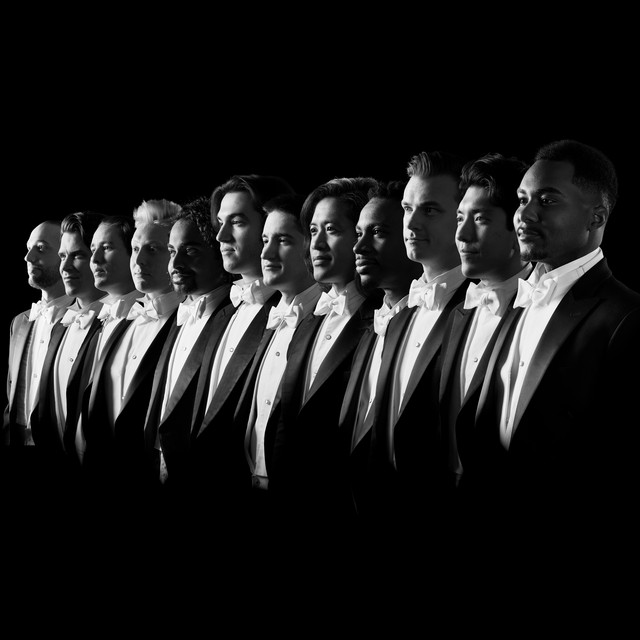
Chanticleer
1991
·
1 album
Listen
2
/5
Genres
Latin American Baroque
Latin American Baroque is the repertoire of sacred and festive art music written and performed in the cathedrals, missions, and courts of colonial Spanish and Portuguese America during the Baroque era. It blends European contrapuntal craft, basso continuo, and ceremonial grandeur with local languages, dance rhythms, and timbral practices. Typical forms include masses, motets, litanies, and villancicos (often for Christmas and major feasts), set in Latin as well as Spanish and sometimes indigenous languages such as Nahuatl, Quechua, or Guaraní. Instrumentation combines European forces—violins, cornetts, sackbuts, bajón (dulcian), harp, organ, and guitars—with local percussion and distinctive rhythmic cells (notably the sesquiáltera 3:2). The result is music that can be both solemn and architectonic for liturgy, and exuberant and dance-inflected for feast-day devotions.
Discover
Listen
A Cappella
A cappella is vocal music performed without instrumental accompaniment, by soloists or ensembles. The term, Italian for “in the manner of the chapel,” originally distinguished Renaissance polyphonic practice from Baroque concertato styles where instruments often doubled voices. Over the 19th century—amid a revival of Renaissance polyphony and a mistaken assumption that such music was always sung unaccompanied—the term solidified to mean any unaccompanied vocal performance. Today a cappella spans sacred and secular idioms, from chant and polyphony to doo‑wop, vocal jazz, collegiate and professional pop groups, and contemporary styles featuring vocal percussion and microphone technique. Very rarely, the term has also been used as a synonym for alla breve (cut time), though this usage is uncommon in modern practice.
Discover
Listen
Renaissance
Renaissance music (c. 1400–1600) marks the shift from medieval sonorities to a clearer, triad-based polyphony in which multiple independent voices are treated with near-equal importance. It favors modal counterpoint, pervasive imitation, smooth voice-leading, and carefully prepared cadences. Text intelligibility and expressive text-setting become central concerns, especially in sacred motets and masses and in secular forms like the Italian madrigal and the French chanson. While much of the repertory is a cappella, instrumental consorts (viol, recorder, sackbut, cornett, organ) play a growing role. A steady tactus underpins rhythms, and tuning systems such as meantone temperament shape its characteristic color. Music printing (from 1501) accelerates stylistic diffusion across Europe.
Discover
Listen
Christmas Music
Christmas music is a body of sacred and secular repertoire associated with the celebration of Christmas and the winter season. It spans medieval carols, liturgical hymns, and oratorios through to 20th‑century Tin Pan Alley standards, crooner ballads, jazz‑swing arrangements, pop hits, gospel renditions, and contemporary acoustic or R&B interpretations. Stylistically it is diverse but often shares warm, nostalgic melodies, memorable choruses, and lyrics that reference the Nativity story, peace and goodwill, family gatherings, winter imagery, and figures like Santa Claus. Sleigh bells, choirs, strings, brass, and glockenspiel/celesta are common coloristic touches, while harmony ranges from simple I–IV–V progressions to richer jazz voicings. Its seasonal recurrence has made it a cultural tradition that reappears annually across radio, streaming, film, advertising, and public spaces.
Discover
Listen
Choral
Choral refers to music written for and performed by a choir—an ensemble of voices organized into sections such as soprano, alto, tenor, and bass (SATB), or same-voice groupings (SSA, TTBB). It encompasses both sacred and secular repertoire and may be sung a cappella or with accompaniment by organ, piano, or full orchestra. Stylistically, choral music ranges from chant-like monophony to intricate polyphony and rich homophonic textures. Texts are drawn from liturgy, scripture, poetry, and vernacular sources, and are set in many languages. Performance contexts include church services, concert halls, and community events, making choral one of the most socially embedded and widely practiced forms of ensemble music. Across history, choral music has served as a laboratory for vocal counterpoint, word painting, and text-driven form, while functioning as a cultural bridge among religious rites, national traditions, and contemporary concert practice.
Discover
Listen
Albums
1991
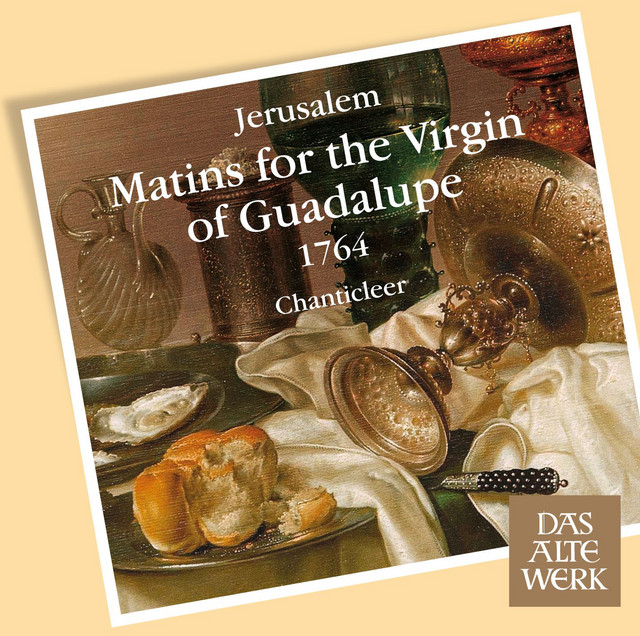
Jerúsalem : Matins for the Virgin of Guadalupe 1764 (DAW 50)
Ignacio de Jerúsalem, Chanticleer, Joseph Jennings
Latin American Baroque
Similar artists
2
/5
Boston Camerata
Choral
Christmas Music
Early Music
2
/5
Westminster Cathedral Choir
Renaissance
Requiem
Choral
3
/5
Academy of Ancient Music
Classical
Concerto
Baroque
2
/5
Jeffrey Skidmore
Baroque
Choral
Renaissance
3
/5
Jordi Savall
Renaissance
Baroque
Classical
3
/5
Peter Phillips
Renaissance
Choral
Requiem
3
/5
The Tallis Scholars
Renaissance
Choral
Classical
3
/5
The King's Singers
Puirt À Beul
Choral
Renaissance
3
/5
Anonymous 4
Gregorian Chant
Medieval Classical Music
Ars Antiqua
2
/5
Le Poème Harmonique
Renaissance
Classical
Baroque
Download our mobile app
Get the Melodigging app and start digging for new genres on the go
Download on the App Store
Get it on Google Play
© 2026 Melodigging
Give feedback
Legal
Melodding was created as a tribute to
Every Noise at Once
, which inspired us to help curious minds keep digging into music's ever-evolving genres.