Genres
Artists
Albums
Make Music
Sign in
Sign in
Artists
Cumbia Colombiana Regia
Artists
Cumbia Colombiana Regia
Celso Piña
1996–2018
·
7 albums
Listen
4
/5
Genres
Cumbia 420
Cumbia 420 is a contemporary Argentine micro‑genre that fuses the 2/4 swing and keyboard riffs of cumbia villera with the dembow/reggaetón pulse and trap/hip‑hop aesthetics. Built around minor‑key synth hooks, booming 808 sub‑bass, whistle/lead “silbido” lines and heavily Auto‑Tuned vocals, it keeps cumbia’s street‑party groove while adopting urban club sound design and lyrical themes tied to barrio life and cannabis (“420”). The result is a raw, dance‑forward style that sits between a cumbia sound system and an urban club set: simple, sticky melodies; aggressive percussive programming; and catchy call‑and‑response hooks designed for social media virality and neighborhood parties.
Discover
Listen
Latin Afrobeat
Latin Afrobeat is a contemporary fusion style that welds the polyrhythmic engine of West African Afrobeat with Latin American and Caribbean grooves. It often marries Afrobeat’s interlocking drum kit, shekere, and highlife‑style guitars with salsa/cumbia percussion sections, montuno piano figures, and bold horn arrangements. The result is a dance‑forward, big‑ensemble sound: long vamps, call‑and‑response vocals (frequently in Spanish or Portuguese), syncopated bass ostinati, and brass stabs—recorded with a warm, live, analog aesthetic. While it honors Fela Kuti’s Afrobeat blueprint, it colors that framework with Afro‑Cuban jazz harmony, salsa horn voicings, and coastal Colombia/Brazilian percussion idioms.
Discover
Listen
Black Americana
Black Americana is a contemporary umbrella genre that centers Black artists within the traditions of Americana (roots-based U.S. music such as folk, country, blues, gospel, and soul). It often blends acoustic storytelling and roots instrumentation with Black musical lineages, highlighting themes of migration, labor, faith, resilience, love, and social justice. Rather than a single fixed sound, it is a scene and framing that reconnects “Americana” to its multiracial roots while pushing the style forward with modern production, R&B/soul phrasing, and genre-crossing songwriting.
Discover
Listen
Classify
Classify is a streaming-era microgenre that blends light classical technique with contemporary pop repertoire, typically presented as unobtrusive instrumental covers. It prioritizes soft dynamics, gentle tempos, and intimate recording to create a calm, elegant backdrop suitable for studying, working, or events. Most arrangements are for solo piano, string quartet, cello/piano duos, or small chamber ensembles. Harmonies remain diatonic and consonant, melodies are clearly voiced, and textures favor arpeggios, ostinati, and sustained legato lines. The overall aesthetic borrows from modern classical and new age moods while retaining the familiarity of pop song forms.
Discover
Listen
New Tejano
New Tejano is a contemporary rejuvenation of Texas-Mexican (Tejano) music that blends the genre’s traditional accordion-forward polkas, cumbias, and rancheras with modern pop, R&B, and electronic production. It preserves signature elements—diatonic accordion riffs, bajo sexto strums, two-step and cumbia grooves—while embracing glossy synths, punchy drum programming, pop-leaning hooks, and bilingual storytelling. Compared with classic Tejano, New Tejano tends to favor hook-driven choruses, tighter radio/streaming song lengths, and crossover-friendly arrangements that sit comfortably alongside Latin pop and regional mexicano playlists. The result is music that still feels like a Saturday-night baile—joyful, danceable, and community-rooted—yet updated for the streaming era with contemporary sound design and a new generation of voices.
Discover
Listen
Cumbia Editada
Cumbia editada (also seen as “kumbias editadas”) is a DJ‑driven offshoot of Mexican cumbia and the sonidero sound system tradition. It consists of re‑editing existing cumbia recordings—looping hooks, inserting stutters and rewinds, applying heavy echo and delay, and adding sound‑effects drops (sirens, air horns, lasers), DJ tags, and MC dedications. Born in dance floors, neighborhood street parties, and later on social video platforms, cumbia editada privileges crowd response and DJ functionality. Tracks often extend intros/outros for mixing, emphasize percussion breaks, and sometimes adopt the slowed, woozy feel popular in northern Mexico, while keeping the romantic and melodic core of classic cumbia.
Discover
Listen
Electrocumbia
Electrocumbia (often called digital cumbia or nu-cumbia) is a contemporary, electronic reinterpretation of traditional cumbia. It merges cumbia’s signature off‑beat percussion, guacharaca/güiro textures, and tumbao bass with modern production elements such as synthesizers, drum machines, sampling, and dub-style effects. While rooted in Colombian cumbia, the style took shape across Latin America—especially within Buenos Aires’ club scene—where producers fused folkloric rhythms with downtempo, house, hip hop, and dub aesthetics. The result is a sound that can be both hypnotic and dance‑forward, oscillating between dreamy, psychedelic atmospheres and gritty, bass‑heavy grooves.
Discover
Listen
Cumbia Colombiana Regia
Cumbia colombiana regia is the Monterrey (Nuevo León) take on Colombian cumbia and vallenato, performed by northern Mexican bands with accordion up front, bustling hand percussion, and lyrics steeped in barrio romance and everyday life. “Regia” signals its regiomontano roots: the music arrived through imported Colombian records and touring ensembles, then was adopted by local groups who kept the Colombian accordion vocabulary and guacharaca-style scraping while framing it in Mexican dance‑hall arrangements. In Monterrey it often coexists with the rebajada practice (slowing recordings down), which deepens the groove and turns the dance into a swaying, collective ritual. Compared with Mexico City’s sonidera scene or the sax‑driven cumbia from the northeast, cumbia colombiana regia stays close to Colombian accordion phrasing and rhythms, yet bears a distinctly northern Mexican timbre and attitude.
Discover
Listen
Cumbia Sonidera
Cumbia sonidera is a Mexican urban style of cumbia shaped by the neighborhood sound-system (sonidero) culture of Mexico City and Puebla. It features mid-tempo grooves, prominent electronic keyboards or accordion doubling the melody, punchy bass lines, güiro and timbales/congas, and heavy use of echo, reverb, and DJ shout-outs (saludos y dedicatorias). Built for social dancing and open-air parties, the style blends Colombian cumbia roots with Mexican popular and grupera sensibilities. Its signature is not only musical—it's the live performance practice: extended mixes, segues between tracks, and a charismatic MC steering the dance floor with dedications, drops, and dub-style effects.
Discover
Listen
Cumbia Mexicana
Cumbia mexicana is the Mexican adaptation of Colombian cumbia, reshaped by local tropical orchestras, border accordion traditions, and urban DJ (sonidero) culture. It typically features a steady 2/4 cumbia groove, melodic accordion or organ riffs, bright brass lines, and romantic or festive lyrics. Over time it diversified into regional styles such as cumbia sonidera (Mexico City), cumbia norteña (northern Mexico with accordion-driven arrangements), and the slowed-down cumbia rebajada (Monterrey DJ culture), while also crossing over into grupera and banda contexts. Today it is a cornerstone of Mexico’s popular dance music, equally at home in neighborhood parties, massive sonidero sound-system dances, and pop collaborations.
Discover
Listen
Latin
Latin (as a genre label) is a broad umbrella used by the recording industry to categorize popular music rooted in Latin America, the Caribbean, and the Iberian world, often characterized by syncopated Afro-diasporic rhythms, dance-forward grooves, and lyrics primarily in Spanish or Portuguese. As a marketplace category that took shape in the mid-20th century United States, it gathers diverse traditions—Afro-Cuban, Brazilian, Mexican, and Caribbean styles—into a shared space. In practice, "Latin" spans everything from big-band mambo and bolero ballads to contemporary pop, rock, hip hop, and dance fusions produced by artists of Latin American heritage.
Discover
Listen
Vallenato
Vallenato is a traditional folk-pop genre from Colombia’s Caribbean region that centers on storytelling and danceable rhythms. Its signature sound comes from a trio: the diatonic button accordion (melody and riffs), the caja vallenata (a small, single-headed drum providing punchy accents), and the guacharaca (a ribbed scraper driving the groove). Classic vallenato is organized into four main aires (rhythmic-feel types): paseo (lyrical and versatile), merengue (not to be confused with the Dominican genre; it is brisk and bouncy), puya (the fastest and most virtuosic), and son (the slowest, deeply expressive and sentimental). Themes often revolve around love, everyday life, travel, and regional identity, delivered through vivid narrative verses and memorable choruses. Over time, vallenato has absorbed elements of cumbia, porro, son cubano, and bolero, and it has also blended with pop and rock to create modern variants. In 2015, UNESCO recognized the “Traditional Vallenato music of the Greater Magdalena region” as Intangible Cultural Heritage in need of safeguarding, underscoring both its cultural importance and the need to preserve its roots.
Discover
Listen
Cumbia
Cumbia is a syncretic dance-music tradition from Colombia’s Caribbean coast that blends African rhythmic heritage, Indigenous (especially gaita flute) melodic practice, and Spanish colonial instrumentation and forms. Traditionally performed in a moderate 2/4 (often felt in 4/4 today), it features interlocking hand-drum parts (tambora, alegre, llamador), guacharaca or maracas for steady texture, and long cane flutes (gaita hembra and gaita macho) carrying call-and-response melodies. As it spread in the 20th century, orchestras and dance bands added accordion, horns, piano, bass, and later electric guitar and synthesizers, creating urban and pan–Latin American variants. Harmonically simple and rhythm-forward, cumbia places groove, ostinati, and vocal refrains at the center, making it both ceremonial in origin and enduringly popular on social dance floors across the Americas.
Discover
Listen
Show all 13 genres
Albums
2018
3
/5
Un Mundo Raro: Las Canciones de José Alfredo Jiménez
Celso Piña
Cumbia Colombiana Regia
2017
2
/5
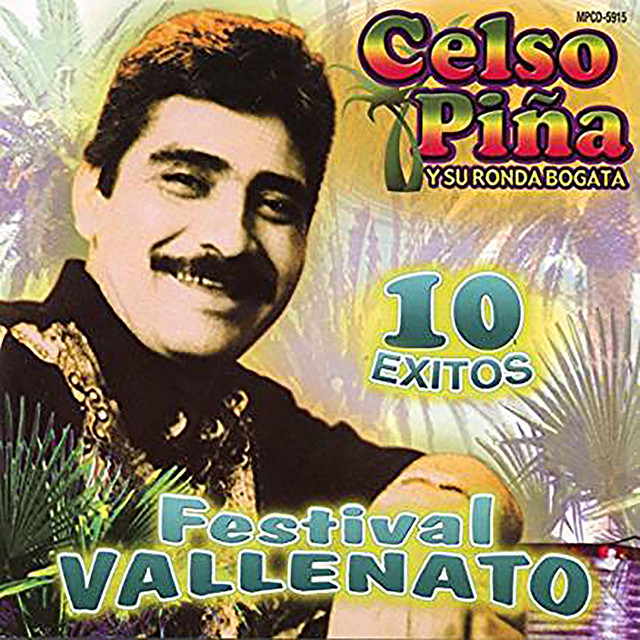
10 Exitos Festival Vallenato
Celso Piña
Cumbia Colombiana Regia
2017
3
/5
10 Exitos A Bailar Cumbia
Celso Piña
Cumbia Colombiana Regia
2003
2
/5
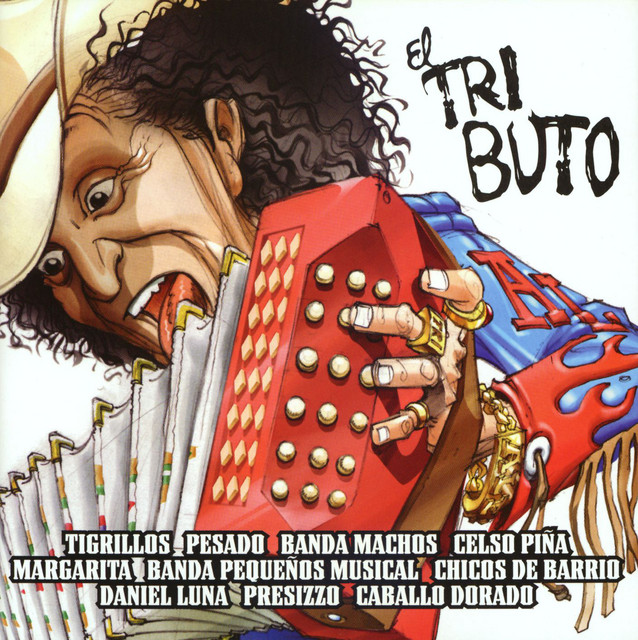
El Tri Buto
Celso Piña
Cumbia Colombiana Regia
2003
3
/5
El canto de un rebelde para un rebelde
Celso Piña
Cumbia Sonidera
Cumbia Mexicana
Cumbia Colombiana Regia
2001
4
/5
Barrio bravo
Celso Piña
Cumbia Mexicana
Cumbia Colombiana Regia
1996
2
/5
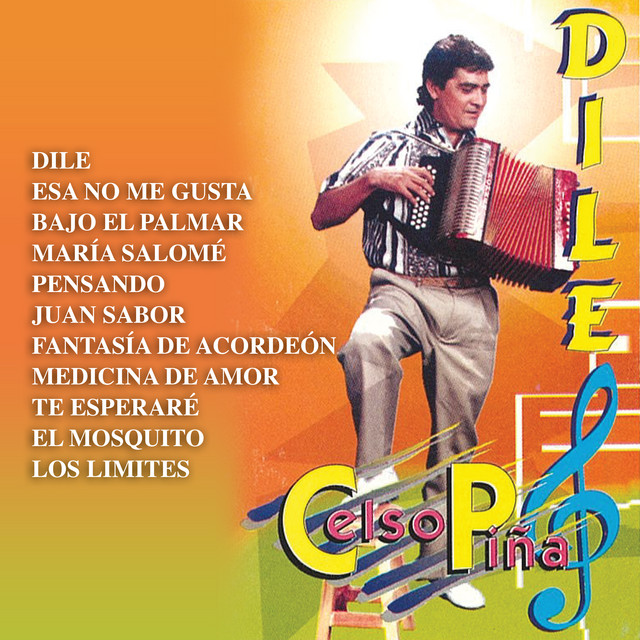
Dile
Celso Piña
Cumbia Colombiana Regia
Similar artists
3
/5
Amantes del Futuro
Cumbia Colombiana Regia
Cumbia Sonidera
Cumbia Mexicana
3
/5
La Tropa Vallenata
Cumbia Colombiana Regia
Vallenato
Cumbia
1
/5
Grupo Jejeje
Cumbia Sonidera
Cumbia
Cumbia Mexicana
4
/5
Grupo Soñador
Musica Poblana
Cumbia Sonidera
Cumbia
2
/5
Son Rompe Pera
Cumbia
Cumbia Mexicana
Cumbia Sonidera
3
/5
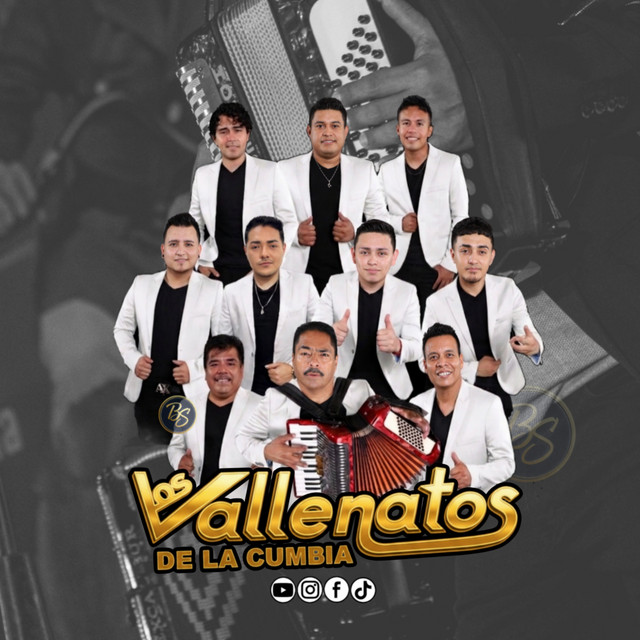
Los Vallenatos De La Cumbia
Cumbia Colombiana Regia
Cumbia
Cumbia Sonidera
2
/5
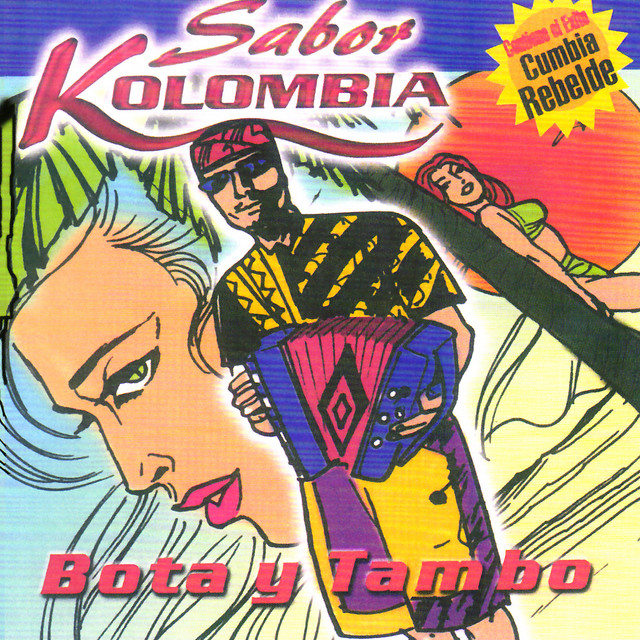
Sabor Kolombia
Cumbia Colombiana Regia
Cumbia Lagunera
Cumbia
3
/5
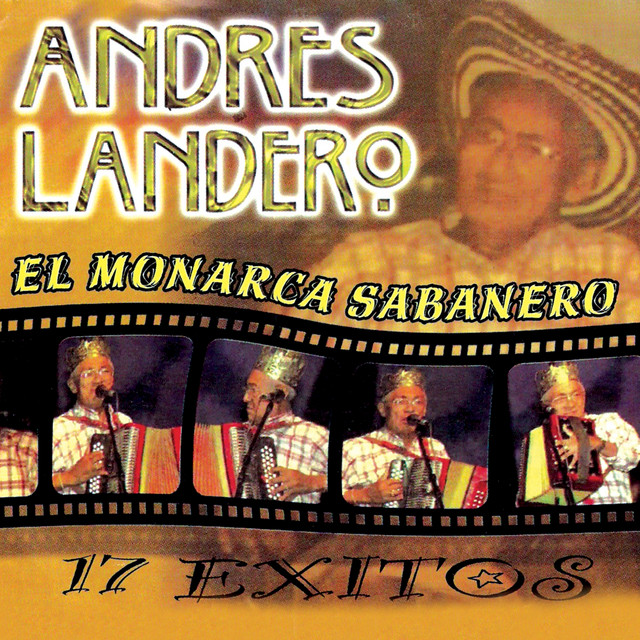
Andres Landero
Cumbia Colombiana Regia
Vallenato
Cumbia
4
/5
Los Ángeles Azules
Cumbia Mexicana
Latin
Cumbia
4
/5
Raymix
Cumbia Sonidera
Cumbia
Electrocumbia
Download our mobile app
Get the Melodigging app and start digging for new genres on the go
Download on the App Store
Get it on Google Play
© 2026 Melodigging
Give feedback
Legal
Melodding was created as a tribute to
Every Noise at Once
, which inspired us to help curious minds keep digging into music's ever-evolving genres.