Your digging level

For this genre
0/8
🏆
Sign in, then listen to this genre to level up

Description

Cumbia lagunera is a regional Mexican offshoot of cumbia centered in La Laguna (the Comarca Lagunera around Torreón, Coahuila and Gómez Palacio/Lerdo, Durango).

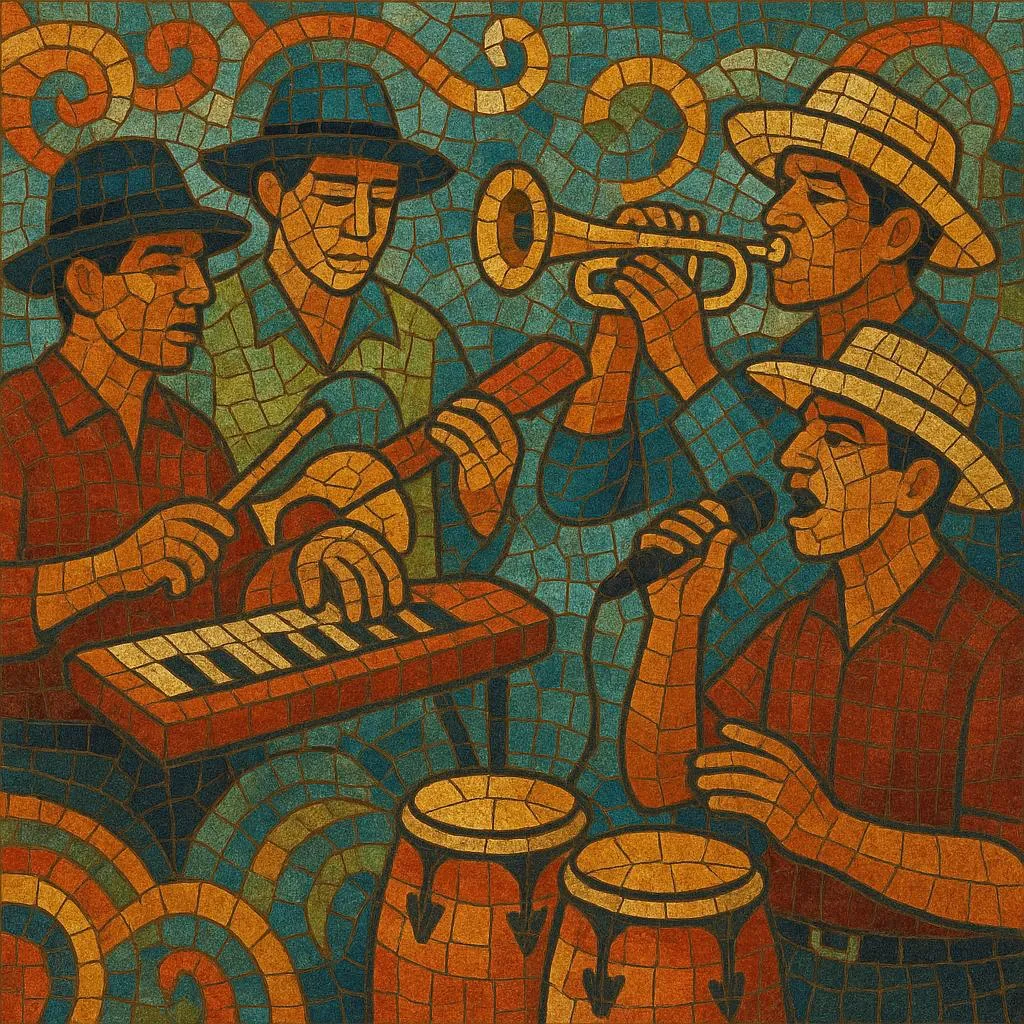
It carries the Colombian cumbia beat into a northern-Mexican party context: bright lead keyboards and synth-brass double with sax or trumpet lines; electric bass lays a tumbao against güiro, congas, timbales and drum‑kit backbeats; and singers trade coros and shout‑outs celebrating barrio identity, romance and the dance floor. The result is a high-energy, dance-forward sound closely tied to local bands and weekend bailes.


Sources: Spotify, Wikipedia, Discogs, RYM, MB, user feedback and other online sources

History

Origins (1980s)

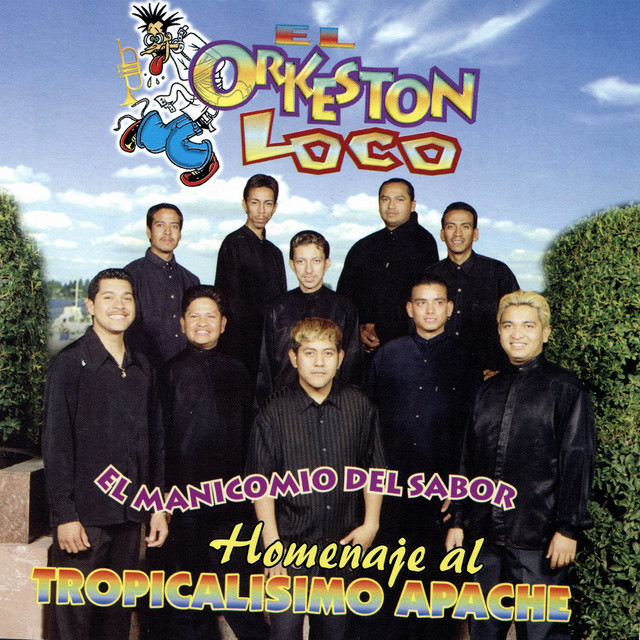
Cumbia reached northern Mexico in the mid–late 20th century and, by the 1980s, musicians in the Comarca Lagunera shaped a local variant with synthesizers, brass riffs and hard-driving percussion for neighborhood dances. Early standard-bearers such as Tropicalísimo Apache—formed in Torreón, Coahuila, and popular through the 1980s and 1990s—anchored the sound and the scene.

Expansion and identity (1990s–2000s)

Through the grupera and regional-mexicano boom, lagunera bands built devoted followings at home and among migrants in the United States. Local groups like Chicos de Barrio, Los Capi, Sonora Everest and Tropicalísimo Lobo became staples of regional parties and baile halls, codifying the bright keyboard leads, call‑and‑response hooks and celebratory, street‑level lyrics that fans now associate with the style.

Today

Cumbia lagunera remains a living city‑scene music. Community radio streams, internet pages and social platforms from the region continue to circulate mixes and live recordings, keeping the repertoire current and connecting hometown audiences with diaspora listeners across the border.

How to make a track in this genre

Core groove
•   Tempo: typically 95–110 BPM with a straight, dance‑floor feel. •   Percussion: layer güiro (continuous 8th‑note scrape), congas (martillo‑style patterns), timbales fills, and a kick–snare backbeat; add handclaps in choruses. •   Bass: syncopated cumbia tumbao outlining I–IV–V (or I–V–IV) cycles; lock with the güiro.
Harmony and melody
•   Keys: major modes predominate; progressions are simple (I–IV–V, I–V–vi–IV) to keep the focus on rhythm. •   Hooks: bright synth‑lead or brass unison riffs (often in parallel thirds); double melodies with sax or trumpet for the signature “tropical” sheen.
Arrangement
•   Intro with a shouted saludo to the city or barrio, then verse–pre–chorus–chorus cycles. •   Drop to percussion + bass mid‑song for a coros/baila breakdown, then re‑enter with full band and horn hits. •   Use keyboard montunos (left hand chords, right hand hook) and short timbal fills to cue sections.
Lyrics and delivery
•   Themes: romance, fiesta, neighborhood pride, playful bravado; keep phrasing concise for call‑and‑response. •   Vocals: lead plus coros; punctuate with spoken hype lines and place‑name shout‑outs to preserve the local flavor.

Top tracks

Locked
Share your favorite track to unlock other users’ top tracks

Upcoming concerts

in this genre
Influenced by
Has influenced
No genres found

Download our mobile app

Get the Melodigging app and start digging for new genres on the go
© 2026 Melodigging
Melodding was created as a tribute to Every Noise at Once, which inspired us to help curious minds keep digging into music's ever-evolving genres.
Buy me a coffee for Melodigging