Genres
Artists
Albums
Make Music
Sign in
Sign in
Artists
Fado
Artists
Fado
Brigada Victor Jara
2015
·
1 album
Listen
1
/5
Genres
Latin Folk
Latin folk is a broad umbrella for singer‑songwriter and ensemble music that draws on traditional folk forms from across Latin America while presenting them in contemporary, often acoustically driven arrangements. It emphasizes storytelling, social and poetic lyricism, and the timbres of regional instruments such as the guitar, charango, quena, zampoña, cuatro, and bombo legüero. Rhythmic cells are borrowed from pan‑regional traditions (chacarera, cueca, zamba, huayno, joropo, son, and others), yet songs are commonly shaped in accessible verse‑chorus structures. While its roots are centuries old, the modern genre coalesced during the mid‑20th‑century folk revival and the Nueva Canción movements, which linked ancestral sounds with contemporary concerns such as identity, justice, and cultural memory.
Discover
Listen
Traditional Music
Traditional music is an umbrella term used in the mid–20th century by folklorists and ethnomusicologists to denote community-rooted, orally transmitted repertoires tied to social ritual, work, celebration, and storytelling. Unlike commercial pop or art-music traditions, traditional music is typically learned by ear, varies regionally, and evolves slowly through communal participation. It often features modal melodies, cyclic rhythms, heterophony or unison singing, and indigenous instruments whose timbres are integral to local identity. Lyrics tend to preserve language, history, and collective memory. While the musical practices themselves can be ancient, the phrase “traditional music” emerged to replace earlier, narrower or colonial framings like “folk” or “ethnic” music, foregrounding continuity, locality, and living practice rather than exoticism.
Discover
Listen
Folclore Portugues
Folclore português (Portuguese folklore) is the umbrella term for Portugal’s regional folk music, songs, and dances as they are preserved, staged, and transmitted by community ensembles (ranchos folclóricos) and revival groups. It draws on centuries-old rural and maritime traditions and presents them in identifiable regional styles. Typical dance-forms include the lively vira (often in 6/8), the showy chula with percussive footwork, the fandango (notably in Ribatejo), the fast corridinho from the Algarve, and circle or line dances from Minho and Trás-os-Montes. Songs range from work chants and narrative romances (ballads) to love lyrics and improvised verse duels (desgarradas), often sung antiphonally or in robust choruses. Characteristic instruments include regional violas (viola braguesa, viola campaniça), cavaquinho, rabeca chuleira (folk fiddle), adufe (square frame drum), ferrinhos (triangle), castanholas (clappers), bombo (bass drum), gaitas-de-foles (bagpipes: e.g., gaita transmontana/mirandesa), concertina (diatonic accordion), and sometimes the Portuguese guitar. Melodies frequently favor modal colors (Mixolydian, Dorian) with straightforward, dance-driven harmonies.
Discover
Listen
Fado
Fado is an urban Portuguese song tradition centered on the feeling of saudade—an untranslatable mix of longing, nostalgia, and bittersweet melancholy. It emerged in 19th‑century Lisbon’s working-class neighborhoods and port districts and later developed a distinct academic strain in Coimbra. Typically performed by a solo singer (fadista) with accompaniment from the 12‑string guitarra portuguesa (Portuguese guitar) and a 6‑string viola (classical/steel‑string guitar), fado favors minor keys, expressive rubato, and ornate melodic embellishment. Its poetry (often in quatrains) contemplates love, fate, the sea, and everyday hardship. Two principal styles dominate: Fado de Lisboa, intimate and dramatic, and Fado de Coimbra, associated with student serenades and a more classical, restrained delivery. Recognized by UNESCO in 2011 as Intangible Cultural Heritage, fado remains a living tradition continually renewed by contemporary interpreters.
Discover
Listen
Albums
2015
Eito Fora
Brigada Victor Jara
Folclore Portugues
Similar artists
2
/5
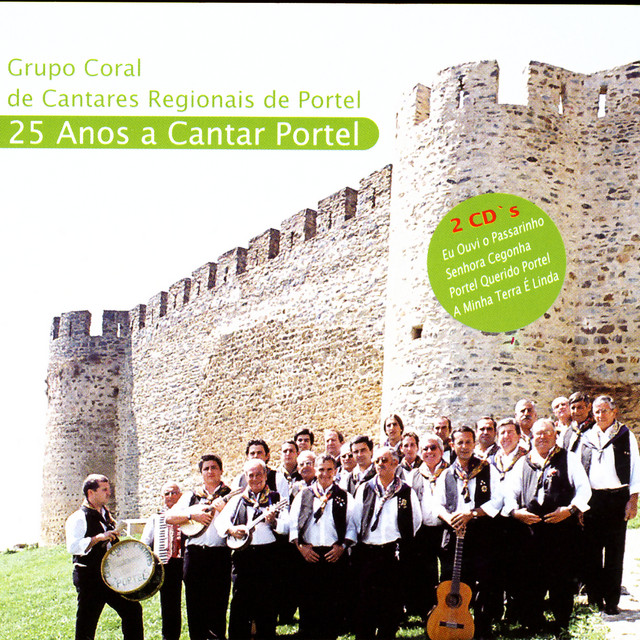
Grupo Coral de Cantares Regionais de Portel
Cante Alentejano
Fado
Traditional Music
2
/5
7 Saias
Fado
Traditional Music
Folclore Portugues
1
/5
Rancho das Lavradeiras de S. Martinho da Gandra
Fado
Traditional Music
Folclore Portugues
1
/5
Ronda Dos Quatro Caminhos
Fado
Traditional Music
Folclore Portugues
1
/5
Grupo Folclórico de Pinheiros
Fado
Traditional Music
Folclore Portugues
3
/5
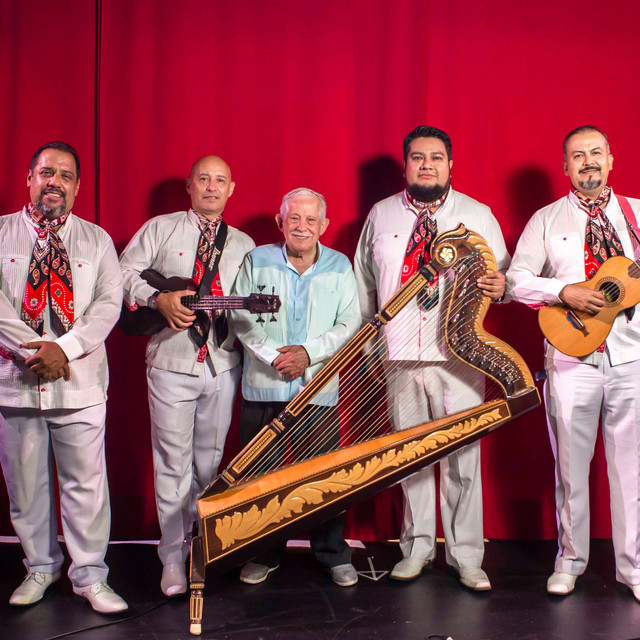
Tlen Huicani
Son Jarocho
Latin Folk
Mariachi
3
/5
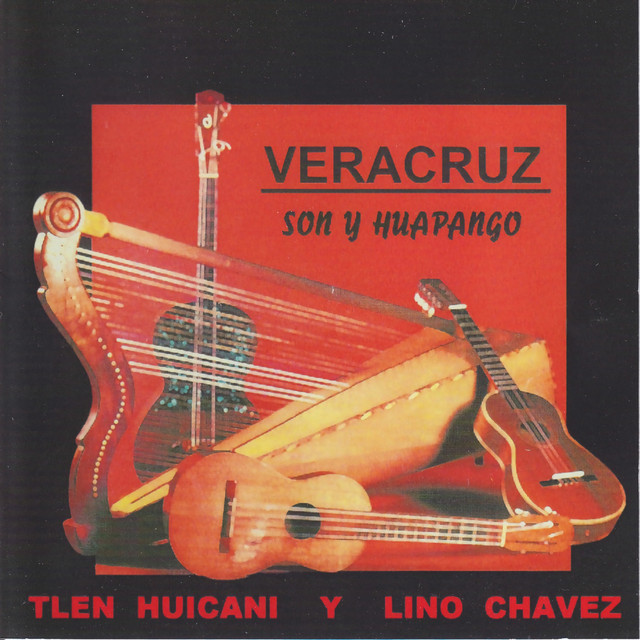
Lino Chavez
Son Jarocho
Latin Folk
Mariachi
3
/5
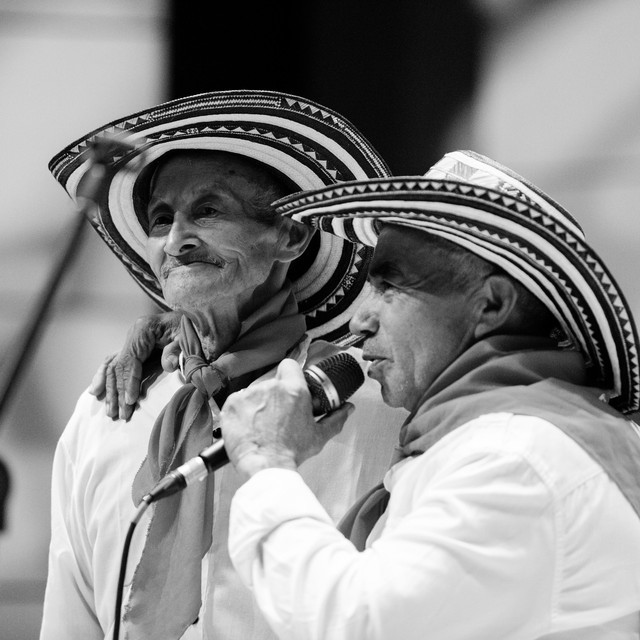
Los Gaiteros de San Jacinto
Cumbia Colombiana
Cumbia
Electrocumbia
2
/5
José Afonso
Música De Intervenção
Folk
Portuguese Music
3
/5
Amor Perdido
Fado
Latin Folk
Download our mobile app
Get the Melodigging app and start digging for new genres on the go
Download on the App Store
Get it on Google Play
© 2026 Melodigging
Give feedback
Legal
Melodding was created as a tribute to
Every Noise at Once
, which inspired us to help curious minds keep digging into music's ever-evolving genres.