Your digging level
Description
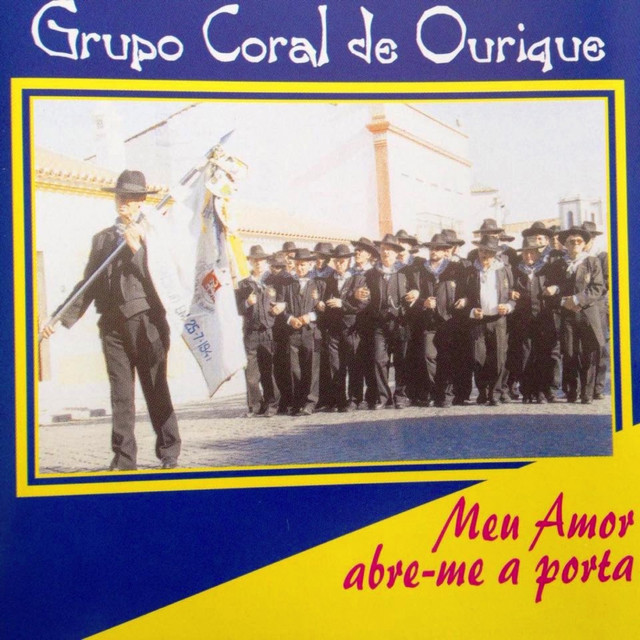
Cante Alentejano is an a cappella, polyphonic choral tradition from the Alentejo region of southern Portugal. It is typically performed by community choirs—historically male, now often mixed—who sing in slow to moderate tempos with broad, organ‑like sonorities.
Each song (“moda”) is led by two soloists: the low leader called the ponto begins the line, the high voice called the alto answers, and the full chorus sustains or completes the phrase. The texture blends parallel motion, sustained drones, and poignant seconds that give the style its striking, resonant color. Texts are strophic and speak plainly of rural work, landscape, love, longing, solidarity, and local memory.
Sung without instruments, cante developed as a communal practice linked to agricultural and herding life. In 2014 it was inscribed on UNESCO’s Representative List of the Intangible Cultural Heritage of Humanity.
History
Cante Alentejano emerged in the 19th century in the plains of Alentejo, where large estates, seasonal labor, and cattle‑ and bull‑herding shaped daily life. The practice of singing without instruments suited fieldwork and herding, helping workers coordinate effort, set pace, and sustain morale. Its responsorial layout—ponto, alto, then chorus—echoes older Iberian and ecclesiastical polyphonic habits while remaining distinctly vernacular and secular in tone.
As communities formalized local choirs, the style’s characteristic sonority coalesced: slow, sustained harmonies; prominent open intervals; and expressive clashes (seconds) between alto and chorus. Repertoires crystallized around strophic “modas,” transmitted orally at taverns, festivals, and social gatherings. Though essentially secular, cante’s phrasing and collective discipline reflect proximity to church polyphony and parish singing.
In the later 20th century, depopulation and modernization threatened rural singing circles. Municipal cultural houses, folk associations, and festivals began documenting, teaching, and presenting choirs beyond Alentejo. In 2014, UNESCO recognized Cante Alentejano as Intangible Cultural Heritage, which catalyzed new ensembles (including women’s and youth groups), archival projects, and school‑based transmission.
Today, cante thrives in village choirs and city diaspora groups, at local romarias, civic ceremonies, and international festivals. While most performances remain unaccompanied, some modern projects place cante alongside guitar or concert ensembles for outreach, yet the core identity—collective, unamplified, and rooted in place—remains central.
Form a community choir (10–20 voices). Designate two soloists:
•Ponto (low leader): intones the line and establishes the tonal center.
•Alto (high leader): answers the ponto a third or fourth above, introducing characteristic tension.
•The full chorus (“coro”) sustains or completes each phrase, often holding long tones under or around the leaders.