Genres
Artists
Albums
Make Music
Sign in
Sign in
Artists
Soft Rock
Artists
Soft Rock
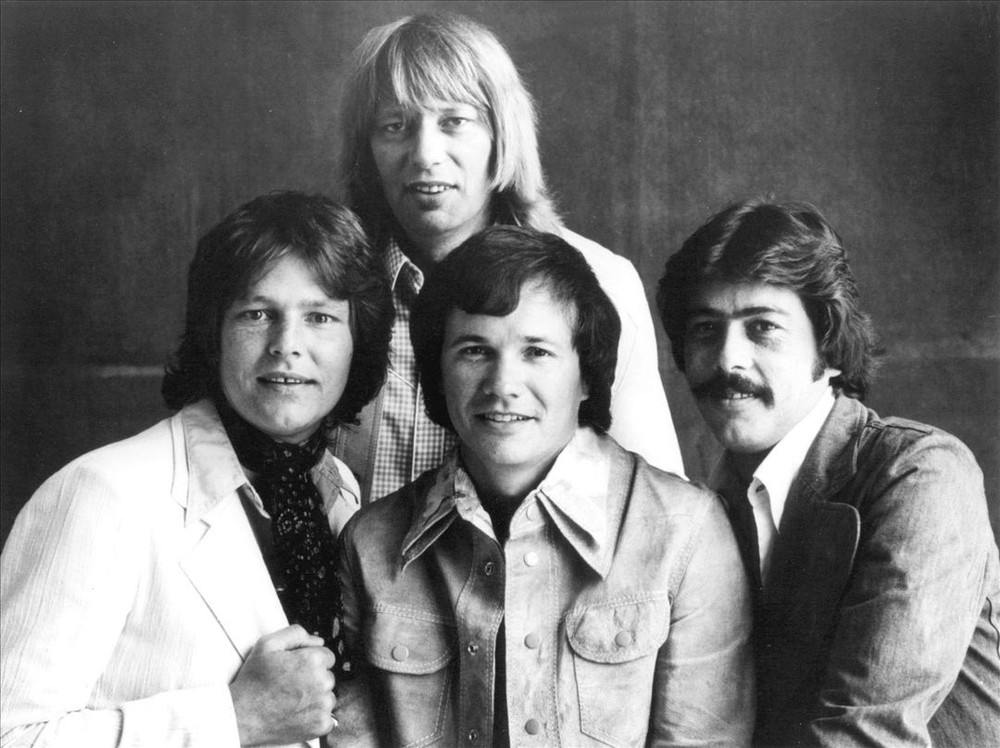
Bread
1969–1977
·
6 albums
Listen
4
/5
Genres
Classify
Classify is a streaming-era microgenre that blends light classical technique with contemporary pop repertoire, typically presented as unobtrusive instrumental covers. It prioritizes soft dynamics, gentle tempos, and intimate recording to create a calm, elegant backdrop suitable for studying, working, or events. Most arrangements are for solo piano, string quartet, cello/piano duos, or small chamber ensembles. Harmonies remain diatonic and consonant, melodies are clearly voiced, and textures favor arpeggios, ostinati, and sustained legato lines. The overall aesthetic borrows from modern classical and new age moods while retaining the familiarity of pop song forms.
Discover
Listen
Shush
Shush is a functional microgenre of sleep-oriented audio built around continuous “shh/sshhh”‑like broadband noise and closely related soothing textures (white, pink, or brown noise; soft rain; waves). Producers design long, loopable tracks with minimal dynamics and no melody so the sound masks environmental noise and promotes infant and adult sleep. As a name, “shush” reflects the centuries‑old caregiving practice of calming babies by sustained shushing, which modern sleep science popularized through white‑noise devices and smart soothers. Contemporary catalogs typically offer multiple “shush” timbres (fast/slow shush, hair‑dryer, train, brown/white noise) and publish them on streaming services in multi‑hour formats.
Discover
Listen
Pov: Indie
"pov: indie" is a social-media-native microstyle built around short, cinematic indie-pop/indie-rock snippets designed to accompany a first-person (POV) narrative. Instead of being defined by a single new musical technique, it is defined by context: the music is chosen or written to feel like the soundtrack to a specific moment (a crush, a late-night walk, moving to a new city, seasonal nostalgia). Sonically it typically uses bright but soft guitars or synths, intimate vocals, simple memorable hooks, and production that reads clearly on phone speakers. The emotional tone is often wistful, tender, and “coming-of-age,” with lyrics that can be understood quickly in a 10–30 second clip.
Discover
Listen
Southern Americana
Southern Americana is a regional strain of Americana rooted in the musical vernacular of the U.S. South. It blends songwriting-first aesthetics with the organic textures of country, folk, and blues, and the swagger of Southern rock. Typical recordings feature warm, lived‑in tones: Telecasters and acoustic guitars alongside pedal steel, Hammond organ, fiddle, mandolin, and harmony vocals. Lyrically it is grounded in place—small towns, highways, kudzu, pine line horizons—and in the South’s complicated histories of faith, work, love, and loss. The groove ranges from back‑porch shuffles and waltzes to swampy, slow‑burn rhythms, keeping the focus on stories and melody rather than studio gloss.
Discover
Listen
Soft Rock
Soft rock is a mellow, melody-forward strain of rock and pop that favors smooth vocals, polished production, and restrained dynamics over distortion and aggression. Built on acoustic and clean electric guitars, piano or electric piano (Rhodes), light rhythm sections, and lush backing vocals or strings, the style centers on memorable hooks and sentimental themes. Its lyrics often explore love, heartbreak, nostalgia, and introspection, delivered with warmth and clarity. Tempos are moderate, grooves are unobtrusive, and harmonies are diatonic with tasteful color (maj7, add9) and occasional key changes. Commercially, soft rock flourished on AM radio and adult contemporary playlists in the 1970s and early 1980s, shaping the sound of radio-friendly ballads and influencing later styles like yacht rock and modern adult contemporary.
Discover
Listen
Mellow Gold
Mellow gold is a retro-tag used to describe the smooth, radio-friendly soft rock and singer‑songwriter pop that flourished in the 1970s and early 1980s. Characterized by warm analog production, gently strummed acoustic guitars, soft electric pianos (Rhodes/Wurlitzer), silky vocal harmonies, and unobtrusive rhythm sections, it favors mid‑tempo grooves, plush major‑7th chords, and emotionally reflective, often romantic lyrics. The term is widely used in digital curation (playlists, recommendation systems) to group the laid‑back, “AM radio” side of classic rock and pop—music that feels cozy, nostalgic, and effortlessly melodic.
Discover
Listen
Yacht Rock
Yacht rock is a polished, jazz-tinged strain of late-1970s and early-1980s soft rock characterized by sophisticated chord changes, silky vocal harmonies, immaculate studio production, and a smooth, midtempo groove. It blends elements of blue-eyed soul, R&B, jazz fusion, and pop rock, often featuring electric piano (Fender Rhodes), clean chorus-laden guitars, saxophone leads, and glossy backing vocals. Lyrically, it tends toward romantic longing, aspirational lifestyles, and breezy coastal imagery—all delivered with understated cool.
Discover
Listen
Classic Rock
Classic rock is a radio-defined umbrella for mainstream, guitar-centered rock music from the mid-1960s through the 1980s. It emphasizes blues-based riffs, memorable choruses, sturdy backbeats, and prominent guitar solos, often framed by warm, analog production. Rather than being a single stylistic branch, classic rock curates a canon that spans hard rock, blues rock, folk rock, psychedelic and progressive strains, and heartland- and country-tinged rock. Albums and album-oriented rock (AOR) values—extended tracks, conceptual cohesion, and musicianship—are central to its identity. The sound evokes tube-amp crunch, Hammond organs, stacked vocal harmonies, and anthemic songwriting designed for both FM radio and the concert arena.
Discover
Listen
Pop Rock
Pop rock blends the hook-focused immediacy of pop with the instrumentation and drive of rock. It prioritizes catchy melodies, concise song structures, and polished production while retaining guitars, bass, and drums as core elements. Typical pop rock tracks use verse–pre-chorus–chorus forms, strong vocal harmonies, and memorable riffs. The sound ranges from jangly and bright to mildly overdriven and arena-ready, aiming for radio-friendly appeal without abandoning rock’s rhythmic punch.
Discover
Listen
Folk Rock
Folk rock is a fusion genre that blends the narrative lyricism, modal melodies, and acoustic timbres of traditional folk with the backbeat, amplification, and song structures of rock. It typically pairs acoustic or traditional instruments (acoustic guitar, mandolin, fiddle) with a rock rhythm section (electric guitar, bass, drums), often featuring chiming 12‑string guitar textures, close vocal harmonies, and socially conscious or storytelling lyrics. The result ranges from intimate, reflective ballads with a steady backbeat to more anthemic, roots‑driven rock. Emerging in the mid‑1960s through artists such as Bob Dylan and The Byrds, folk rock became a gateway for traditional and roots materials to enter mainstream popular music, and it seeded later movements from country rock and Americana to jangle pop and modern indie folk.
Discover
Listen
Rock
Rock is a broad family of popular music centered on amplified instruments, a strong backbeat, and song forms that foreground riffs, choruses, and anthemic hooks. Emerging from mid‑20th‑century American styles like rhythm & blues, country, and gospel-inflected rock and roll, rock quickly expanded in scope—absorbing folk, blues, and psychedelic ideas—while shaping global youth culture. Core sonic markers include electric guitar (often overdriven), electric bass, drum kit emphasizing beats 2 and 4, and emotive lead vocals. Rock songs commonly use verse–chorus structures, blues-derived harmony, and memorable melodic motifs, ranging from intimate ballads to high‑energy, stadium‑sized performances.
Discover
Listen
Pop
Pop is a broad, hook-driven style of popular music designed for wide appeal. It emphasizes memorable melodies, concise song structures, polished vocals, and production intended for radio, charts, and mass media. While pop continually absorbs elements from other styles, its core remains singable choruses, accessible harmonies, and rhythmic clarity. Typical forms include verse–pre-chorus–chorus, frequent use of bridges and middle-eights, and ear-catching intros and outros. Pop is not defined by a single instrumentation. It flexibly incorporates acoustic and electric instruments, drum machines, synthesizers, and increasingly digital production techniques, always in service of the song and the hook.
Discover
Listen
Show all 12 genres
Albums
1977
Lost Without Your Love
Bread
Classic Rock
Rock
Soft Rock
1972
Guitar Man
Bread
Pop
Rock
Soft Rock
1972
Baby I’m‐A Want You
Bread
Pop
Rock
Soft Rock
1971
Manna
Bread
Pop
Rock
1970
On the Waters
Bread
Pop Rock
Rock
Soft Rock
1969
Bread
Bread
Pop
Rock
Soft Rock
Similar artists
4
/5
Jimmy Buffett
Country
Country Rock
Rock
1
/5
Various Artists
Soundtrack
Afro-Funk
Alternative Rock
5
/5
Billy Joel
Piano Rock
Pop Rock
Pop
4
/5
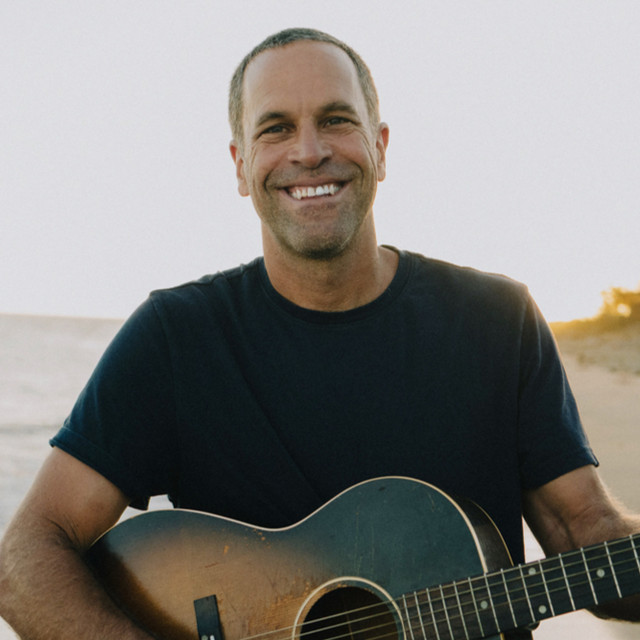
Jack Johnson
Rock
Pop
Surf Rock
4
/5
Paul Simon
Rock
Folk
Pop
3
/5
Peter Maffay
Rock
Pop
Pop Rock
3
/5
Bruce Cockburn
Contemporary Folk
Folk
Rock
4
/5
John Mayer
Rock
Singer-Songwriter
Neo Mellow
4
/5
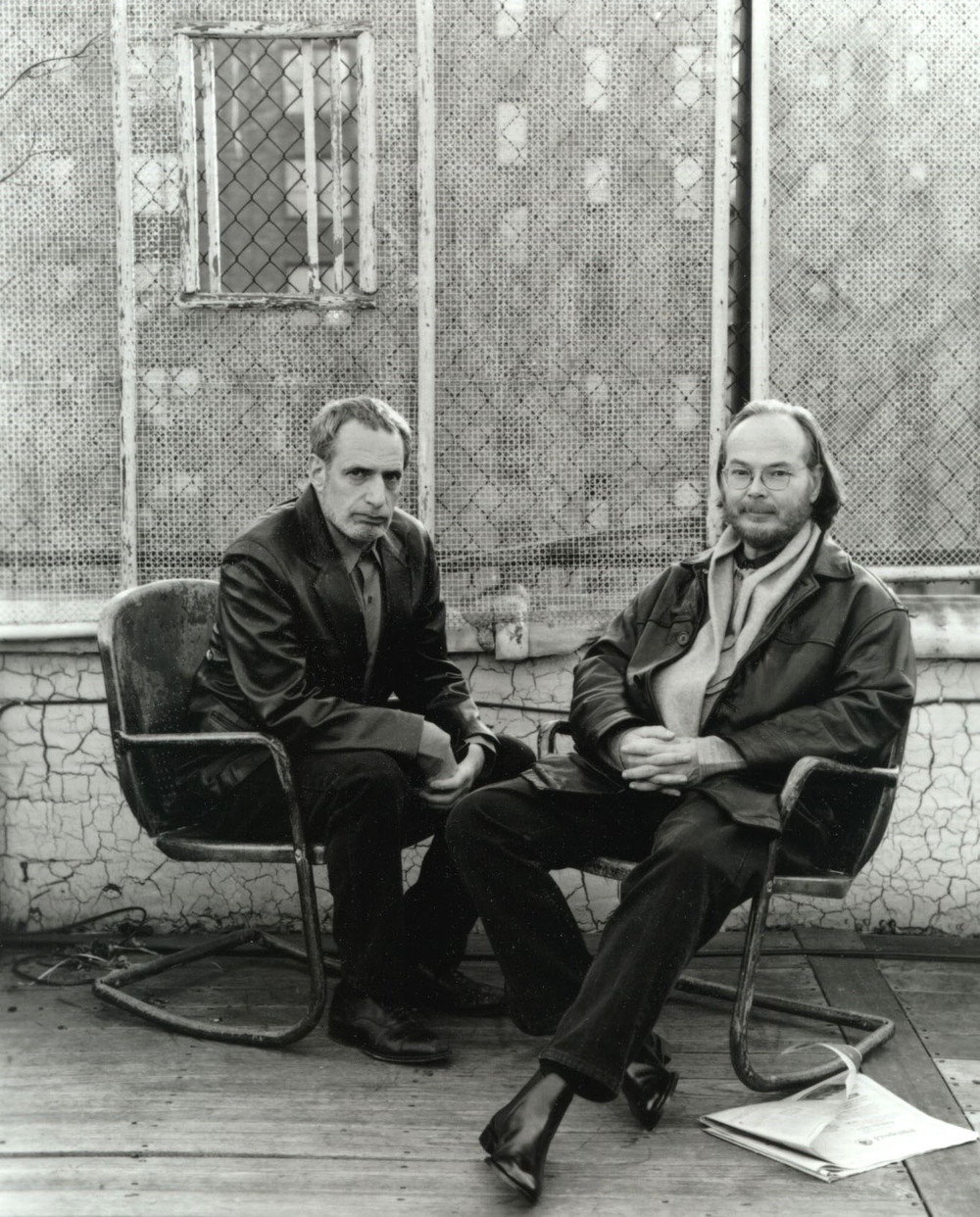
Steely Dan
Yacht Rock
Folk Rock
Jazz Rock
4
/5
Jackson Browne
Soft Rock
Rock
Boyfriend Country
Download our mobile app
Get the Melodigging app and start digging for new genres on the go
Download on the App Store
Get it on Google Play
© 2026 Melodigging
Give feedback
Legal
Melodding was created as a tribute to
Every Noise at Once
, which inspired us to help curious minds keep digging into music's ever-evolving genres.