Genres
Artists
Albums
Make Music
Sign in
Sign in
Artists
Semba
Artists
Semba
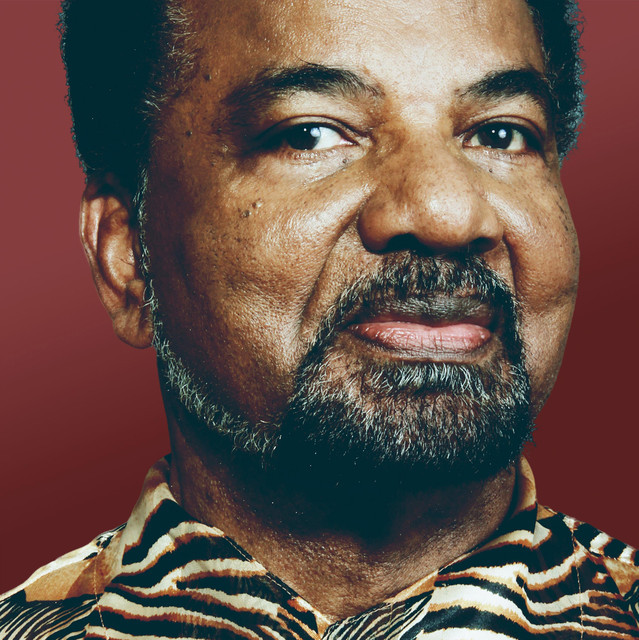
Bonga
1972–2022
·
15 albums
Listen
3
/5
Genres
Techengue
Techengue is a DJ-driven Latin club hybrid that fuses the four-on-the-floor pulse and sound design of tech house with the crowd-pleasing hooks, dembow syncopation, and edits culture of Argentine “cachengue” party music (a catch‑all for reggaeton, cumbia, and mainstream sing‑alongs). Typically sitting around 124–130 BPM, it keeps a steady 4/4 kick, adds reggaeton-style offbeat claps and ghost snares, and sprinkles Latin percussion (congas, timbales, güira) for swing and texture. Vocals are often short, catchy Spanish chants or chopped acapellas from pop, reggaeton, or cumbia, treated with DJ-friendly builds and drops. Rather than an album-based artist scene, techengue grows through bootlegs, mashups, and set-ready edits shared by club DJs, optimized for peak-time energy and seamless mixing.
Discover
Listen
Melancholia
Melancholia is an internet-era microgenre centered on soft-focus, sorrow-tinged pop and indie songs that foreground intimacy, space, and emotional candor. Tracks are typically slow to mid‑tempo, sung in a close, almost confessional register, and framed by sparse, reverb‑soaked textures. Sonically it lives between dream pop, bedroom pop, and slowcore: shimmering guitars or wistful synth pads drift over understated beats; piano, acoustic guitar, and low‑key electronic drums carry muted, pulsing grooves. Harmonies often favor minor keys, suspended chords, and gentle extensions (7ths/9ths) that heighten a bittersweet glow. Lyrically, melancholia lingers on solitude, late‑night self‑reflection, breakups, and fragile hope. The genre coalesced through streaming playlists and social media, where its hush, negative space, and diaristic tone translate into a cohesive, instantly recognizable mood.
Discover
Listen
Tulum
Tulum is a contemporary electronic dance music sound that crystallized around the boutique party scene in Tulum, Mexico, during the 2010s. It blends deep, organic house grooves with downtempo sensibilities, hand-played percussion, and "world"-leaning timbres such as oud, bansuri, handpan, and Latin guitar. The style favors warm, analog textures; modal, minor-key harmonies (often Dorian or Phrygian); long, reverb-washed atmospheres; and subtle, mantra-like vocals or chants. Tempos usually sit between 112–120 BPM, with earthy polyrhythms and shuffling, Afro- and Latin-influenced percussion propelling a hypnotic four-on-the-floor. Aesthetically, the Tulum sound is associated with sunrise/sunset beach settings, bohemian design, and a wellness-forward, festival-adjacent culture. Musically it overlaps with the broader “organic house/downtempo” movement while retaining a distinctly tropical, ritualistic character.
Discover
Listen
Latin Afrobeats
Latin Afrobeats is a hybrid of West African Afrobeats and Latin urban pop in which Spanish (and sometimes Portuguese) lyrics ride syncopated, polyrhythmic grooves. It marries Afrobeats’ swung shakers, off‑beat hi‑hats, guitar licks, and buoyant bass with dembow and dancehall drum patterns common to reggaeton and Latin pop. The result is a bright, dance‑forward style with catchy toplines, call‑and‑response hooks, and concise song forms tailored to streaming. Production tends to be minimal yet percussive, with Afro‑percussion (shekere, conga/bongo colors), plucked guitars or synth plucks, and warm sub‑bass supporting melodies that often draw on pentatonic or natural minor scales. Themes revolve around romance, partying, and feel‑good celebration, making the music equally at home in clubs and playlists.
Discover
Listen
Indie Triste
Indie triste ("sad indie") is a Spanish‑language micro‑scene of indie pop/folk that foregrounds intimate, melancholic songwriting and understated, bedroom‑made production. Its core sound blends soft acoustic guitars, gently pulsing rhythms, close‑mic’d vocals, and lo‑fi textures, often wrapped in reverb and tape‑like warmth. Thematically, the songs dwell on heartache, small‑town longing, fleeting youth, and late‑night introspection. While rooted in indie folk and singer‑songwriter traditions, the style embraces contemporary bedroom pop aesthetics and dream‑pop atmospheres, prioritizing mood and storytelling over virtuoso display.
Discover
Listen
Deep Tech
Deep tech (often shorthand for deep tech house) is a stripped‑back, groove‑led branch of house/tech house that emphasizes hypnotic repetition, swing, and sound design over big hooks. Typical tracks sit around 124–128 BPM, use tight, shuffling drum programming, and rely on deep sub‑bass, crisp hi‑hats, and minimal, percussive motifs. Harmony tends to be sparse—dubby chords, single‑note stabs, or short pads—leaving space for long DJ‑friendly arrangements. Vocals, if present, are usually snippets or whispered phrases processed with delay and reverb to blend into the texture rather than sit on top. The result is functional and heady: music optimized for long, seamless mixes, late‑night dancefloors, and a rolling, understated energy rather than explosive drops.
Discover
Listen
Float House
Float House is a subgenre of electronic dance music characterized by its relaxed, dreamy, and ethereal atmosphere. It blends the rhythmic structure of Deep House and Minimal House with the lush, atmospheric textures of Ambient and Chillout music. The sound is defined by soft, often lo-fi production values, including tape saturation and hiss, combined with melodic synthesizers, warm pads, and gentle, driving percussion. Unlike the grittier 'Outsider House' or 'Lo-Fi House', Float House focuses on a lighter, more optimistic, and 'floating' sensation, often utilizing heavy side-chain compression to create a rhythmic pumping effect that enhances the hypnotic vibe. It frequently incorporates organic samples like nature sounds (water, birds) and has a tempo that sits comfortably between downtempo and club-ready house (around 115-125 BPM).
Discover
Listen
Souldies
Souldies is a modern revival of classic lowrider “oldies” soul—slow, tender ballads rooted in 1960s and early-’70s sweet soul and doo‑wop aesthetics, reimagined by a new generation of largely Chicano/Latinx artists in Southern California. Characterized by warm, analog-leaning production, mellow backbeats, honeyed vocal harmonies, and heart‑on‑sleeve lyricism, the style favors mid‑slow tempos, tape‑like saturation, spring/plate reverb, and minimalist yet expressive arrangements. English and Spanish (or Spanglish) lyrics often explore love, longing, devotion, and cruising/lowrider culture. Souldies sits at the intersection of classic soul, rhythm & blues, northern soul selections, and Latin soul, offering a contemporary, community‑centered sound that feels both timeless and newly personal.
Discover
Listen
Kizomba
Kizomba is a smooth, romantic dance-music style that originated in Angola, blending the melodic sensibilities of local semba with the lush, slow-tempo grooves of Caribbean zouk. Typically set in 4/4 time around 86–100 BPM, it emphasizes a deep, round sub‑bass, sparse drum programming, and gently syncopated percussion that encourages close, flowing partner movement. Arrangements favor silky synth pads, clean electric guitar arpeggios or comping, and R&B-influenced vocals in Portuguese and other Angolan or Cape Verdean languages. Lyrical themes gravitate to love, intimacy, nostalgia, and urban life. Over time, kizomba diversified into substyles (such as the even sparser, bass-forward tarraxinha) and spread through the Lusophone diaspora, especially in Portugal, before becoming a global social-dance phenomenon.
Discover
Listen
Singer-Songwriter
Singer-songwriter is a song-focused style in which the same person writes, composes, and performs their own material, often accompanying themselves on acoustic guitar or piano. It emphasizes personal voice, lyrical intimacy, and storytelling over elaborate production. Arrangements are typically sparse, allowing the melody, words, and performance nuance to carry the song’s emotional weight. While rooted in folk and blues traditions, singer-songwriter embraces pop and rock songcraft, producing works that can range from quiet confessional ballads to subtly orchestrated, radio-ready pieces.
Discover
Listen
Semba
Semba is a lively, guitar‑driven dance music from Angola characterized by buoyant 4/4 grooves, call‑and‑response vocals, and witty, narrative lyrics. Its name relates to a playful, belly‑to‑belly dance move that symbolizes the music’s social, communal spirit. Emerging in Luanda’s musseques (working‑class neighborhoods), semba blends Angolan traditional rhythms with Afro‑Atlantic currents—especially Cuban son and Congolese rumba—absorbed via radio, records, and port exchanges. Typical ensembles feature interlocking guitars, bass with anticipatory syncopations, hand percussion (dikanza/reco‑reco, congas, shakers), and often drum kit, supporting melodies that are both joyous and gently sentimental. Semba is foundational for modern Angolan popular music: it seeded kizomba’s smoother, slower pulse and helped shape kuduro’s urban energy, while remaining a beloved social dance and a vehicle for storytelling about everyday life, love, humor, and social critique.
Discover
Listen
Central African Music
Central African music is an umbrella term for the traditional and popular styles that emerged in and around the Congo Basin, including today’s Democratic Republic of the Congo, Republic of the Congo, Central African Republic, Cameroon, Gabon, Equatorial Guinea, and parts of Chad and Angola. It blends deep-rooted forest and Bantu musical practices—polyphonic vocal traditions, call-and-response singing, interlocking rhythms, slit- and frame-drum ensembles, thumb pianos (likembe/sanza), and xylophones—with urban dance-band instrumentation and Latin/Caribbean influences brought by early records from Cuba. In the mid‑20th century these elements crystallized in highly influential guitar-led dance musics (notably Congolese rumba and, later, soukous/ndombolo), alongside Cameroonian scenes such as makossa and bikutsi. Signature traits include buoyant, cyclical grooves; bright, interlocking guitar parts (the sebene); syncopated bass ostinatos; bell and shaker time-lines; and exuberant call-and-response vocals in languages such as Lingala, French, Sango, Duala, and others. The result ranges from tender, romantic rumba ballads to fast, ecstatic dance pieces that dominate social life and regional club culture.
Discover
Listen
Afro-Jazz
Afro-jazz is a fusion genre that blends the improvisational language, harmony, and ensemble practices of jazz with the rhythmic vocabulary, grooves, and timbral palette of African musical traditions. Characterized by polyrhythms, cyclical vamps, call-and-response, and prominent percussion, Afro-jazz often features horn sections and keyboards (piano or electric piano) articulating jazz harmonies over dance-oriented African grooves. The result ranges from intimate, melodic pieces to high-energy, club-ready performances. While it developed across several African locales, the South African "African jazz" movement of the 1950s—rooted in marabi and kwela—was especially formative, as were contemporaneous West African fusions of highlife and jazz.
Discover
Listen
Folk
Folk is a song-centered acoustic tradition rooted in community storytelling, everyday life, and social history. It emphasizes clear melodies, simple harmonies, and lyrics that foreground narrative, protest, and personal testimony. As a modern recorded genre, folk coalesced in the early-to-mid 20th century in the United States out of older ballad, work song, and rural dance traditions. It typically features acoustic instruments (guitar, banjo, fiddle, mandolin, harmonica), strophic song forms, and participatory singing (choruses, call-and-response).
Discover
Listen
Kilapanga
Kilapanga is a traditional music-and-dance form of the Bakongo (Kongo) people of northern Angola and the Kongo regions of the Congo Basin. It is characterized by driving polyrhythmic percussion, responsorial (call-and-response) singing, and energetic, hip-and-shoulder-led group choreography. Performed at community festivities and processions, kilapanga emphasizes communal participation, proverb-rich texts, and rhythmic interplay between hand drums, scrapers, and clapping. As Kongo communities moved into urban centers in the 20th century, kilapanga’s grooves and step-patterns helped shape Angolan popular performance practice and later fed into modern styles—most famously Kuduro—where producers recast its pulse and call-and-response energy with electronic instruments.
Discover
Listen
Morna
Morna is the emblematic song genre of Cape Verde, often described as the archipelago’s equivalent of the blues. It is typically slow to moderate in tempo, performed with a lyrical, intimate vocal delivery, and rich, poetic texts in Cape Verdean Creole that dwell on sodade (longing), love, migration, the sea, and island life. Musically, morna favors minor keys and bittersweet harmonies, with guitar-led accompaniment that interweaves arpeggios and gentle counter-melodies. Its rhythmic feel can reflect a subtle habanera lilt or a waltz-like sway, yet remains understated and supple, allowing the singer’s phrasing to breathe. Over time, composers expanded its harmony with chromatic “passagens” (passing chords and brief modulations), while keeping the style’s core intimacy intact.
Discover
Listen
Fado
Fado is an urban Portuguese song tradition centered on the feeling of saudade—an untranslatable mix of longing, nostalgia, and bittersweet melancholy. It emerged in 19th‑century Lisbon’s working-class neighborhoods and port districts and later developed a distinct academic strain in Coimbra. Typically performed by a solo singer (fadista) with accompaniment from the 12‑string guitarra portuguesa (Portuguese guitar) and a 6‑string viola (classical/steel‑string guitar), fado favors minor keys, expressive rubato, and ornate melodic embellishment. Its poetry (often in quatrains) contemplates love, fate, the sea, and everyday hardship. Two principal styles dominate: Fado de Lisboa, intimate and dramatic, and Fado de Coimbra, associated with student serenades and a more classical, restrained delivery. Recognized by UNESCO in 2011 as Intangible Cultural Heritage, fado remains a living tradition continually renewed by contemporary interpreters.
Discover
Listen
Show all 17 genres
Albums
2022
1
/5
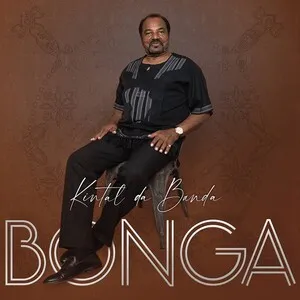
Kintal da Banda
Bonga
Semba
2016
1
/5
Recados De Fora
Bonga
Morna
Semba
Fado
2015
1
/5
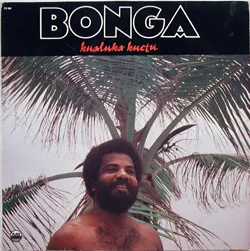
Kualuka Kuetu
Bonga
Semba
2015
1
/5
Raizes
Bonga
Kilapanga
Semba
2013
2
/5
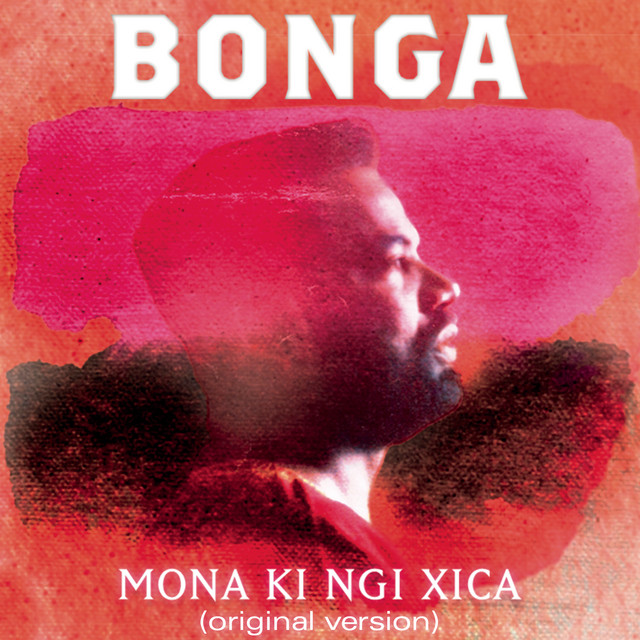
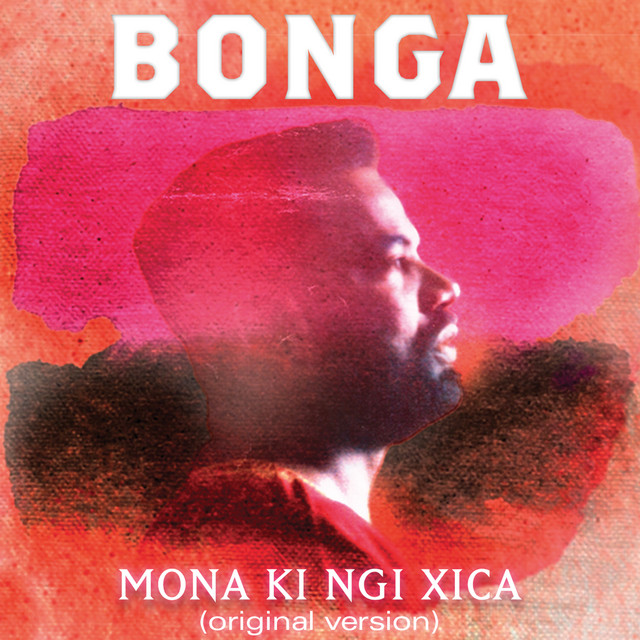
Mona Ki Ngi Xica
Bonga
Morna
Semba
2012
1
/5
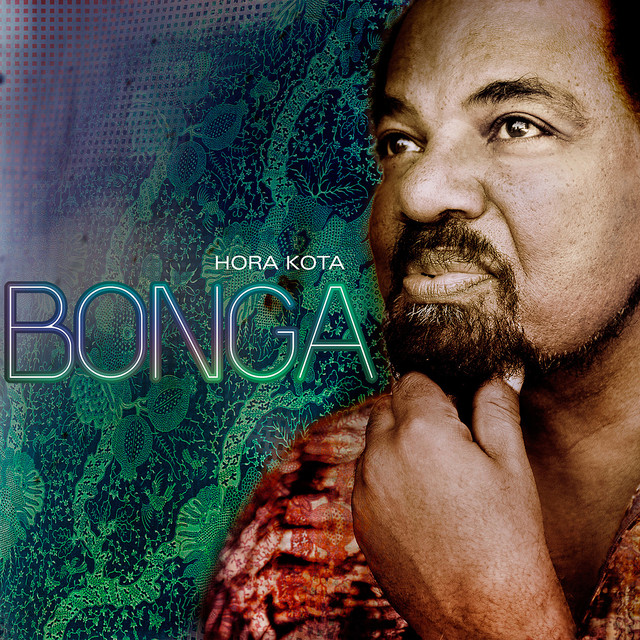
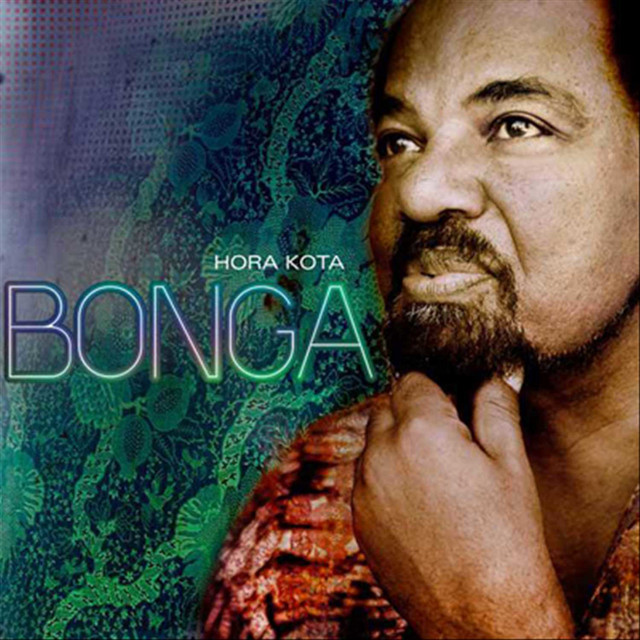
Hora Kota
Bonga
Morna
Semba
2011
1
/5
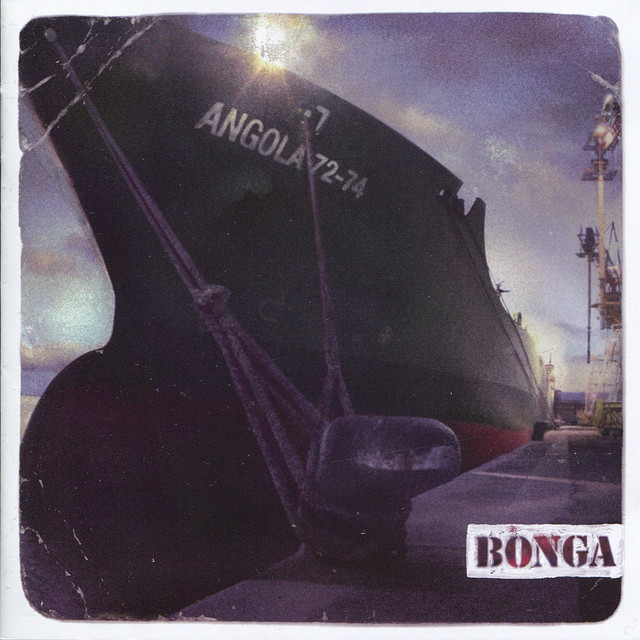
Angola 72
Bonga
Semba
Central African Music
Morna
2011
1
/5
Hora Kota
Bonga
Morna
Semba
2008
1
/5
Bairro
Bonga
Semba
2005
1
/5
Maiorais
Bonga
Semba
Kizomba
Morna
2003
1
/5
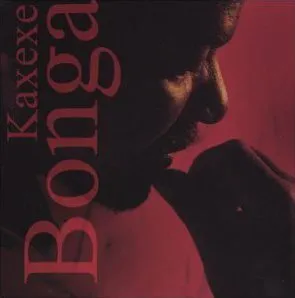
Kaxexe
Bonga
Semba
2000
1
/5
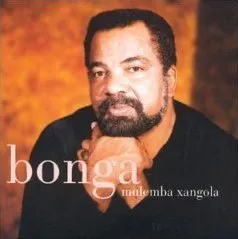
Mulemba Xangola
Bonga
Semba
1996
1
/5
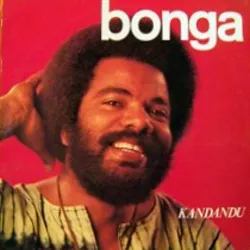
Kandandu
Bonga
Semba
1972
1
/5
Mona Ki Ngi Xica - EP
Bonga
Morna
Semba
Angola 76
Bonga
Semba
Similar artists
2
/5
Sara Tavares
Morna
Fado
Portuguese Hip Hop
3
/5
Lura
Morna
Afro House
Fado
2
/5
Tito Paris
Morna
Coladeira
Fado
1
/5
Various Artists
Afro-Funk
Alternative Rock
Ambient
3
/5
Matias Damásio
Semba
Kizomba
Kuduro
4
/5
Cesária Evora
Morna
Twoubadou
Cape Verdean Music
3
/5
Anselmo Ralph
Semba
Kizomba
Kuduro
3
/5
Mayra Andrade
Morna
Cape Verdean Music
Brazilian Trap
2
/5
Cristina Branco
Morna
Fado
Portuguese Folk Music
3
/5
Yuri da Cunha
Semba
Kizomba
Kuduro
Download our mobile app
Get the Melodigging app and start digging for new genres on the go
Download on the App Store
Get it on Google Play
© 2026 Melodigging
Give feedback
Legal
Melodding was created as a tribute to
Every Noise at Once
, which inspired us to help curious minds keep digging into music's ever-evolving genres.