Genres
Artists
Albums
Make Music
Sign in
Sign in
Artists
Morna
Artists
Morna
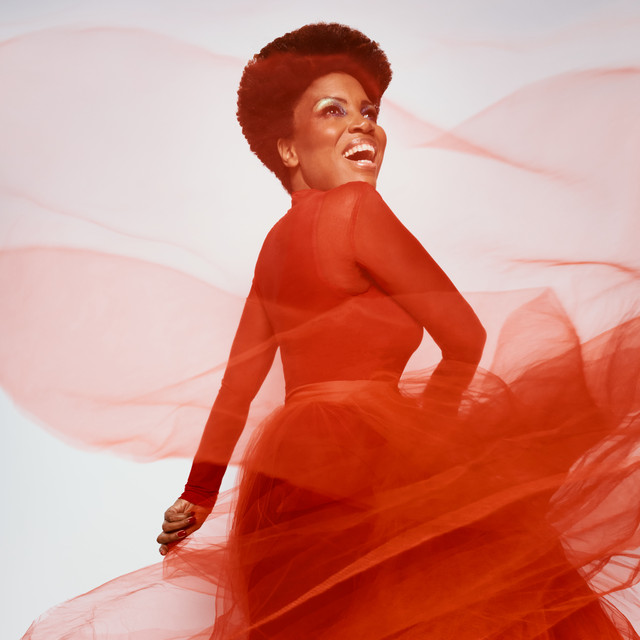
Sara Tavares
2001–2022
·
6 albums
Listen
2
/5
Genres
Portuguese Hip Hop
Portuguese hip hop (often called “hip hop tuga”) is the Portuguese-language branch of hip hop culture that took root in Lisbon and Porto’s suburbs during the early-to-mid 1990s. It blends boom-bap aesthetics and East Coast rap lyricism with local slang, Lusophone African inflections (from Cape Verdean, Angolan, and Guinean diasporas), and occasional nods to Portuguese musical heritage such as fado and guitarra portuguesa. Across its evolution, the scene has moved from sample-heavy, DJ-and-MC cypher culture to a wider palette that includes R&B hooks, dancehall/reggae flavors, and modern trap sound design. While socially engaged storytelling and sharp wordplay remain central, the genre now spans everything from classic conscious rap and backpack sensibilities to radio-friendly hits and darker, street-oriented flows.
Discover
Listen
Semba
Semba is a lively, guitar‑driven dance music from Angola characterized by buoyant 4/4 grooves, call‑and‑response vocals, and witty, narrative lyrics. Its name relates to a playful, belly‑to‑belly dance move that symbolizes the music’s social, communal spirit. Emerging in Luanda’s musseques (working‑class neighborhoods), semba blends Angolan traditional rhythms with Afro‑Atlantic currents—especially Cuban son and Congolese rumba—absorbed via radio, records, and port exchanges. Typical ensembles feature interlocking guitars, bass with anticipatory syncopations, hand percussion (dikanza/reco‑reco, congas, shakers), and often drum kit, supporting melodies that are both joyous and gently sentimental. Semba is foundational for modern Angolan popular music: it seeded kizomba’s smoother, slower pulse and helped shape kuduro’s urban energy, while remaining a beloved social dance and a vehicle for storytelling about everyday life, love, humor, and social critique.
Discover
Listen
Pop
Pop is a broad, hook-driven style of popular music designed for wide appeal. It emphasizes memorable melodies, concise song structures, polished vocals, and production intended for radio, charts, and mass media. While pop continually absorbs elements from other styles, its core remains singable choruses, accessible harmonies, and rhythmic clarity. Typical forms include verse–pre-chorus–chorus, frequent use of bridges and middle-eights, and ear-catching intros and outros. Pop is not defined by a single instrumentation. It flexibly incorporates acoustic and electric instruments, drum machines, synthesizers, and increasingly digital production techniques, always in service of the song and the hook.
Discover
Listen
Folk
Folk is a song-centered acoustic tradition rooted in community storytelling, everyday life, and social history. It emphasizes clear melodies, simple harmonies, and lyrics that foreground narrative, protest, and personal testimony. As a modern recorded genre, folk coalesced in the early-to-mid 20th century in the United States out of older ballad, work song, and rural dance traditions. It typically features acoustic instruments (guitar, banjo, fiddle, mandolin, harmonica), strophic song forms, and participatory singing (choruses, call-and-response).
Discover
Listen
Morna
Morna is the emblematic song genre of Cape Verde, often described as the archipelago’s equivalent of the blues. It is typically slow to moderate in tempo, performed with a lyrical, intimate vocal delivery, and rich, poetic texts in Cape Verdean Creole that dwell on sodade (longing), love, migration, the sea, and island life. Musically, morna favors minor keys and bittersweet harmonies, with guitar-led accompaniment that interweaves arpeggios and gentle counter-melodies. Its rhythmic feel can reflect a subtle habanera lilt or a waltz-like sway, yet remains understated and supple, allowing the singer’s phrasing to breathe. Over time, composers expanded its harmony with chromatic “passagens” (passing chords and brief modulations), while keeping the style’s core intimacy intact.
Discover
Listen
Fado
Fado is an urban Portuguese song tradition centered on the feeling of saudade—an untranslatable mix of longing, nostalgia, and bittersweet melancholy. It emerged in 19th‑century Lisbon’s working-class neighborhoods and port districts and later developed a distinct academic strain in Coimbra. Typically performed by a solo singer (fadista) with accompaniment from the 12‑string guitarra portuguesa (Portuguese guitar) and a 6‑string viola (classical/steel‑string guitar), fado favors minor keys, expressive rubato, and ornate melodic embellishment. Its poetry (often in quatrains) contemplates love, fate, the sea, and everyday hardship. Two principal styles dominate: Fado de Lisboa, intimate and dramatic, and Fado de Coimbra, associated with student serenades and a more classical, restrained delivery. Recognized by UNESCO in 2011 as Intangible Cultural Heritage, fado remains a living tradition continually renewed by contemporary interpreters.
Discover
Listen
Albums
2022
1
/5
Grog d'Pilha
Sara Tavares
Morna
2017
3
/5
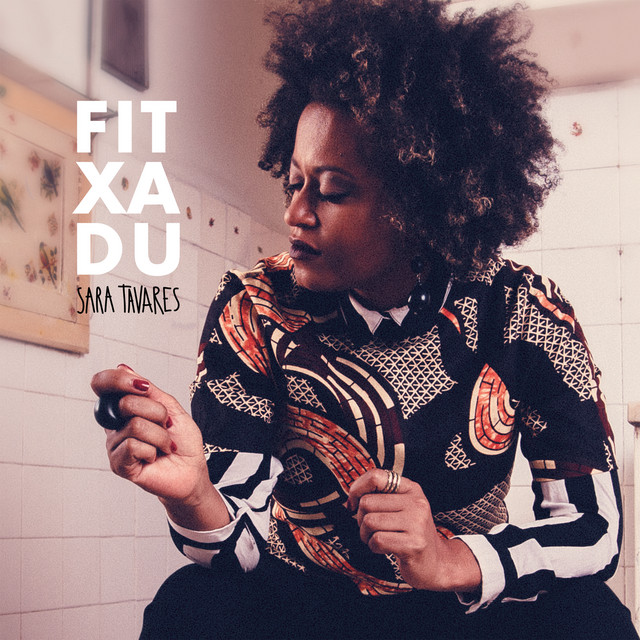
Fitxadu
Sara Tavares
Semba
Morna
Folk
2016
2
/5
Os Clássicos da Disney
Sara Tavares
Morna
2013
2
/5
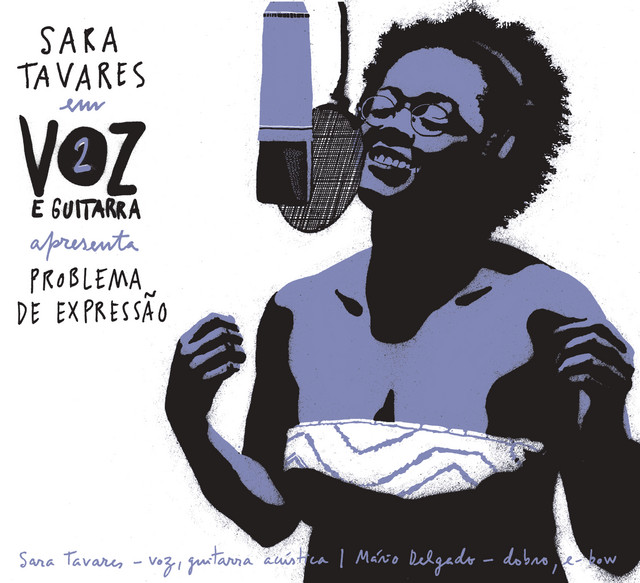
Problema de Expressão
Sara Tavares
Morna
2009
1
/5
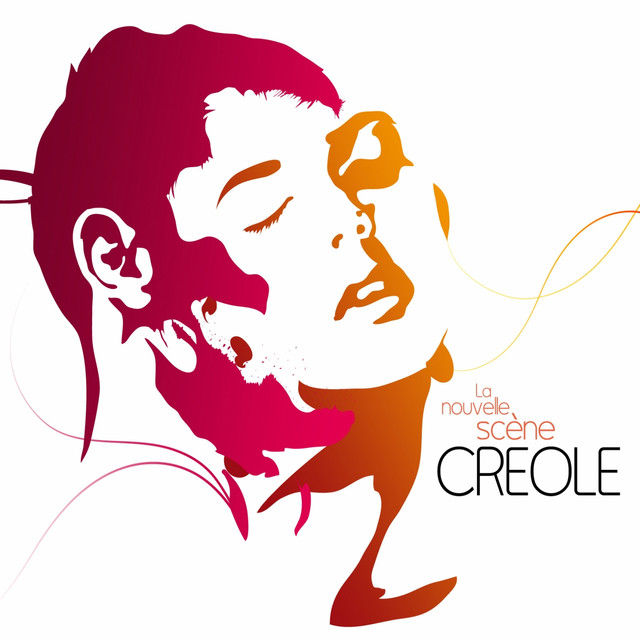
La nouvelle scène créole
Sara Tavares
Morna
Fado
2001
2
/5
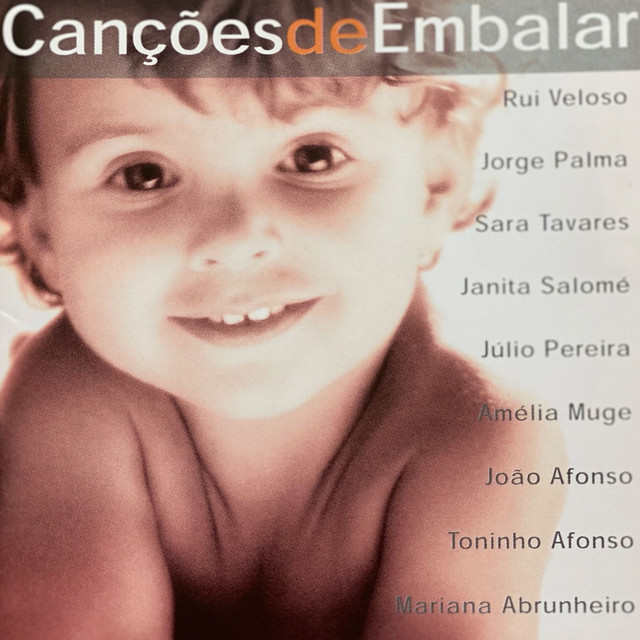
Canções de Embalar
Sara Tavares
Morna
Similar artists
4
/5
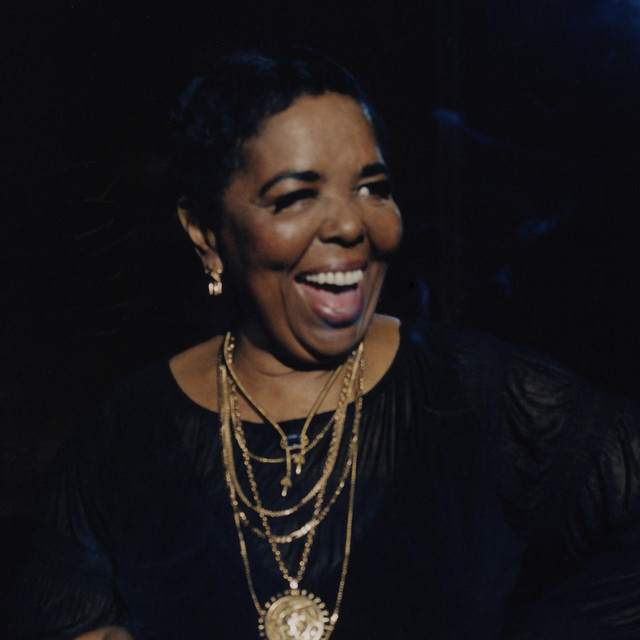
Cesária Evora
Morna
Twoubadou
Cape Verdean Music
3
/5
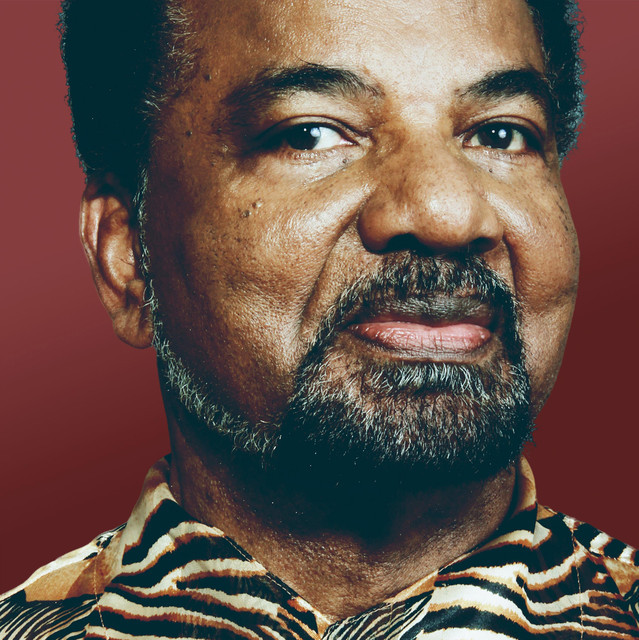
Bonga
Semba
Morna
Fado
3
/5
Mayra Andrade
Morna
Cape Verdean Music
Brazilian Trap
2
/5
Cristina Branco
Morna
Fado
Portuguese Folk Music
2
/5
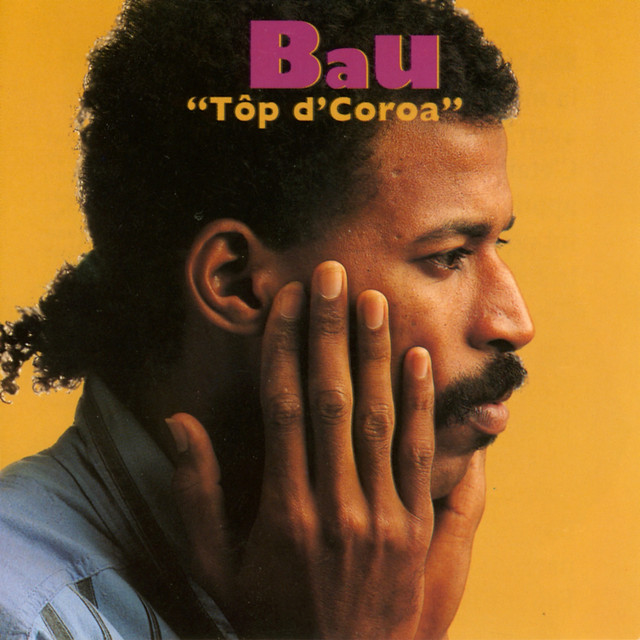
Bau
Morna
Cape Verdean Music
Fado
3
/5
Lura
Morna
Afro House
Fado
2
/5
Tito Paris
Morna
Coladeira
Fado
2
/5
Lucibela
Morna
Fado
3
/5
Marisa Liz
Fado
Portuguese Hip Hop
Musica Portuguesa Contemporanea
3
/5
Apollo G
Fado
Kizomba
Portuguese Hip Hop
Download our mobile app
Get the Melodigging app and start digging for new genres on the go
Download on the App Store
Get it on Google Play
© 2026 Melodigging
Give feedback
Legal
Melodding was created as a tribute to
Every Noise at Once
, which inspired us to help curious minds keep digging into music's ever-evolving genres.