Genres
Artists
Albums
Make Music
Sign in
Sign in
Artists
Morna
Artists
Morna
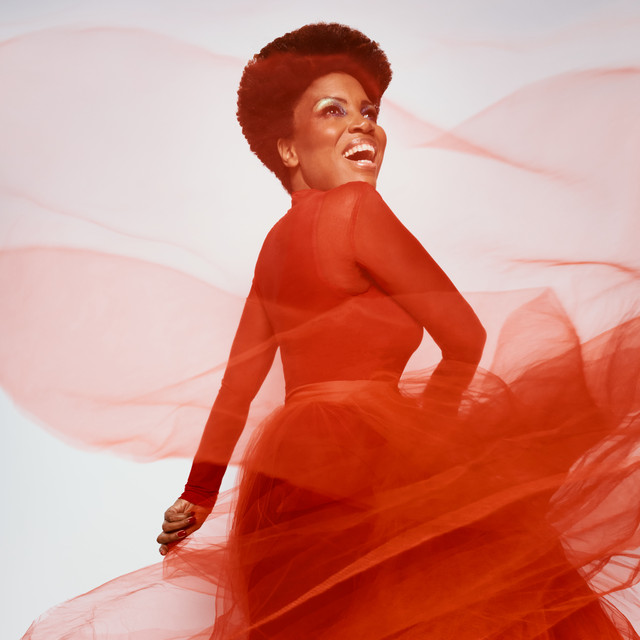
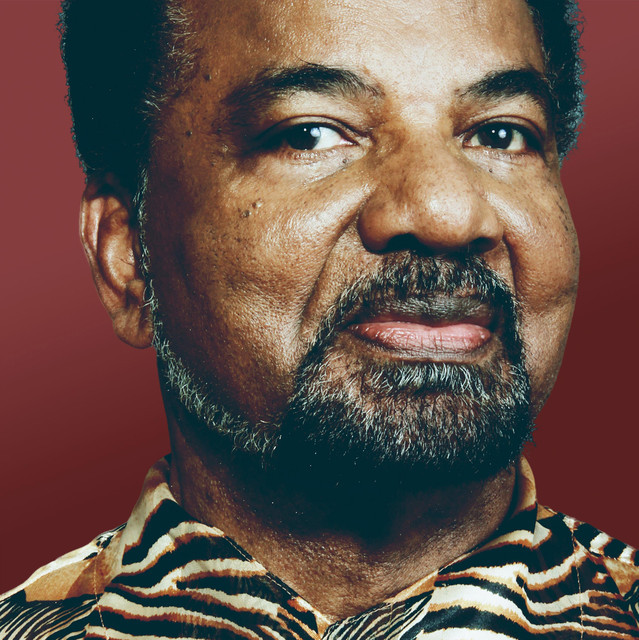
Lura
2004–2009
·
3 albums
Listen
3
/5
Genres
Progressive Electro House
Progressive electro house is a festival‑ready hybrid that marries the long, melodic builds and emotive chord progressions of progressive house with the gritty basslines, saw‑lead stabs, and syncopated drops of electro house. Tracks typically run around 126–130 BPM in 4/4, featuring wide supersaw stacks, side‑chained pads, and bright, anthemic toplines that crescendo into aggressive, electro‑flavored drops. The style thrived during the early 2010s EDM boom, with Dutch and Scandinavian producers pushing a sound designed for big‑room and main‑stage impact. Production aesthetics favor layered synth leads (Serum, Sylenth1, Massive), tight festival kicks, off‑beat open hats, sweeping risers, and snare‑roll builds, while arrangements spotlight tension‑and‑release between harmonic, euphoric breakdowns and powerful, synth‑driven drops.
Discover
Listen
Afro House
Afro house is a subgenre of house music that took shape in South Africa in the 1990s. It blends classic house’s 4/4 pulse with African rhythmic sensibilities, emphasizing hand percussion such as congas, bongos, shakers and djembe alongside warm basslines and steadily dancing kick drums. Tracks often sit around 118–124 BPM and lean into hypnotic, polyrhythmic grooves, soulful harmonies, and an organic, spiritual atmosphere. Producers commonly use piano, saxophone, synthesizers, marimba/kalimba and rich pads, while vocals appear in a variety of African languages in call‑and‑response or chantlike phrases. The result is music that feels both deeply communal and club‑ready, equally at home on outdoor dance floors and late‑night sets.
Discover
Listen
Kizomba
Kizomba is a smooth, romantic dance-music style that originated in Angola, blending the melodic sensibilities of local semba with the lush, slow-tempo grooves of Caribbean zouk. Typically set in 4/4 time around 86–100 BPM, it emphasizes a deep, round sub‑bass, sparse drum programming, and gently syncopated percussion that encourages close, flowing partner movement. Arrangements favor silky synth pads, clean electric guitar arpeggios or comping, and R&B-influenced vocals in Portuguese and other Angolan or Cape Verdean languages. Lyrical themes gravitate to love, intimacy, nostalgia, and urban life. Over time, kizomba diversified into substyles (such as the even sparser, bass-forward tarraxinha) and spread through the Lusophone diaspora, especially in Portugal, before becoming a global social-dance phenomenon.
Discover
Listen
Morna
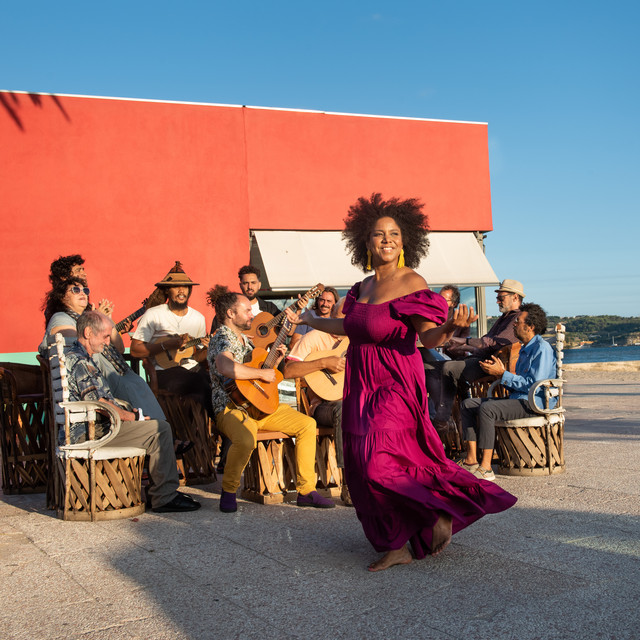
Morna is the emblematic song genre of Cape Verde, often described as the archipelago’s equivalent of the blues. It is typically slow to moderate in tempo, performed with a lyrical, intimate vocal delivery, and rich, poetic texts in Cape Verdean Creole that dwell on sodade (longing), love, migration, the sea, and island life. Musically, morna favors minor keys and bittersweet harmonies, with guitar-led accompaniment that interweaves arpeggios and gentle counter-melodies. Its rhythmic feel can reflect a subtle habanera lilt or a waltz-like sway, yet remains understated and supple, allowing the singer’s phrasing to breathe. Over time, composers expanded its harmony with chromatic “passagens” (passing chords and brief modulations), while keeping the style’s core intimacy intact.
Discover
Listen
Fado
Fado is an urban Portuguese song tradition centered on the feeling of saudade—an untranslatable mix of longing, nostalgia, and bittersweet melancholy. It emerged in 19th‑century Lisbon’s working-class neighborhoods and port districts and later developed a distinct academic strain in Coimbra. Typically performed by a solo singer (fadista) with accompaniment from the 12‑string guitarra portuguesa (Portuguese guitar) and a 6‑string viola (classical/steel‑string guitar), fado favors minor keys, expressive rubato, and ornate melodic embellishment. Its poetry (often in quatrains) contemplates love, fate, the sea, and everyday hardship. Two principal styles dominate: Fado de Lisboa, intimate and dramatic, and Fado de Coimbra, associated with student serenades and a more classical, restrained delivery. Recognized by UNESCO in 2011 as Intangible Cultural Heritage, fado remains a living tradition continually renewed by contemporary interpreters.
Discover
Listen
Cape Verdean Music
Cape Verdean music is the umbrella for the archipelago’s rich Creole soundworld, sung largely in Cape Verdean Kriolu and shaped by centuries of Atlantic exchange between West Africa, Portugal, and the Caribbean. It encompasses emblematic genres such as morna (slow, poetic, and deeply nostalgic), coladeira (lighter, witty, and danceable), funaná (fast, accordion‑driven grooves with the metallic ferrinho scraper), and batuque (communal, polyrhythmic call‑and‑response). Its melodies and harmonies blend European tonal songcraft with African rhythmic sensibilities, while instruments range from guitars, cavaquinho, violin, clarinet/saxophone, and accordion to hand percussion and ferrinho. Themes of saudade, migration, the sea, love, and everyday life run through the repertoire, giving Cape Verdean music an immediately recognizable balance of melancholy and uplift.
Discover
Listen
Albums
2009
1
/5
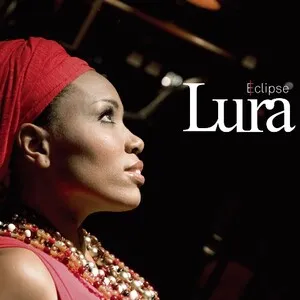
Eclipse
Lura
Morna
2006
1
/5
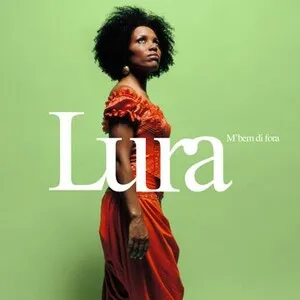
M'Bem Di Fora
Lura
Morna
Cape Verdean Music
2004
1
/5
Di korpu ku alma
Lura
Morna
Similar artists
2
/5
Tito Paris
Morna
Coladeira
Fado
3
/5
Bonga
Semba
Morna
Fado
4
/5
Cesária Evora
Morna
Twoubadou
Cape Verdean Music
3
/5
Mayra Andrade
Morna
Cape Verdean Music
Brazilian Trap
2
/5
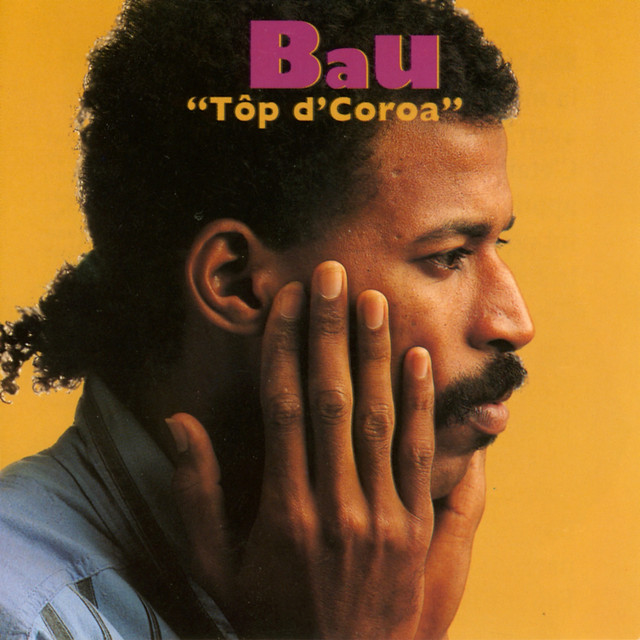
Bau
Morna
Cape Verdean Music
Fado
2
/5
Sara Tavares
Morna
Fado
Portuguese Hip Hop
2
/5
Cristina Branco
Morna
Fado
Portuguese Folk Music
2
/5
Elida Almeida
Morna
Kizomba
2
/5
Lucibela
Morna
Fado
2
/5
Nancy Vieira
Morna
Fado
Tulum
Download our mobile app
Get the Melodigging app and start digging for new genres on the go
Download on the App Store
Get it on Google Play
© 2026 Melodigging
Give feedback
Legal
Melodding was created as a tribute to
Every Noise at Once
, which inspired us to help curious minds keep digging into music's ever-evolving genres.