Genres
Artists
Albums
Make Music
Sign in
Sign in
Artists
Fado
Artists
Fado
Apollo G
2019–2023
·
2 albums
Listen
3
/5
Genres
Urban Kiz
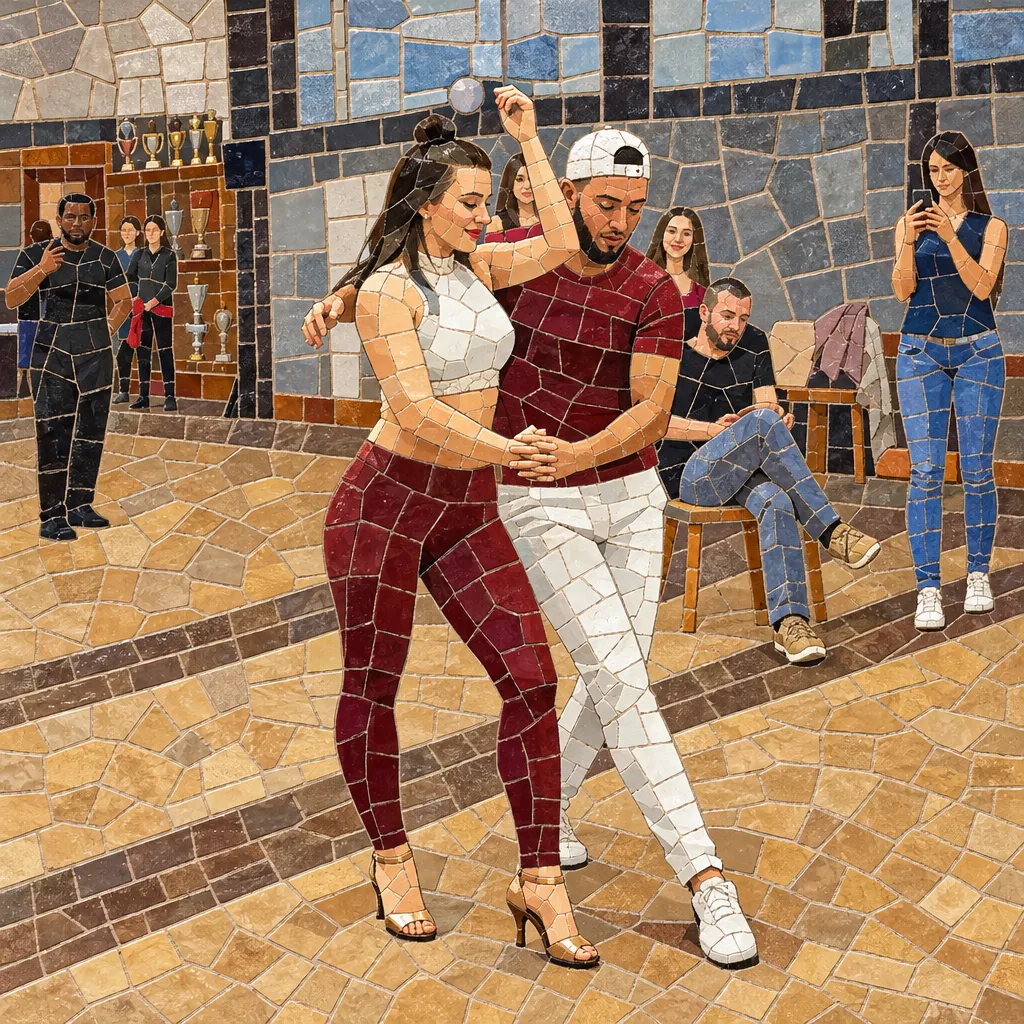
Urban Kiz is a contemporary, club-oriented offshoot of kizomba that took shape in Europe—especially in Paris—in the early-to-mid 2010s. It adapts the sensual, close-connection feel of kizomba to straighter, trap- and R&B-influenced beats with pronounced bass lines, crisp hi‑hats, and engineered breaks that suit the stop‑and‑go aesthetics of Urban Kiz social dancing. Musically, it favors 4/4 grooves around 88–102 BPM, less of the lilting/zouk swing found in classic kizomba, and more linear phrasing with dramatic drops, filters, and space for micro-pauses. Vocals (often in Portuguese, French, Cape Verdean Creole, or English) may be original toplines, sampled phrases, or R&B‑style hooks layered over sleek electronic production. Producers frequently label releases or remixes specifically for "Urban Kiz" floors, reinforcing the genre’s identity within the partner‑dance scene.
Discover
Listen
Musica Portuguesa Contemporanea
Música portuguesa contemporânea refers to the wave of Portuguese-made popular and art-leaning music that has flourished in the 2010s and 2020s. It blends the poetic sensibility and timbral colors of fado and folk with modern pop writing, indie craft, hip hop flows, and electronic production. Across this umbrella you’ll hear Portuguese-language lyrics shaped by saudade and everyday storytelling, acoustic textures (nylon-string and Portuguese guitar), and grooves informed by Lusophone urban dance (kizomba/batida) alongside chart-ready pop and indie aesthetics. The result is a scene that feels unmistakably Portuguese yet cosmopolitan, often minimalist and intimate in tone, but equally capable of sleek, dance-oriented production.
Discover
Listen
Portuguese Hip Hop
Portuguese hip hop (often called “hip hop tuga”) is the Portuguese-language branch of hip hop culture that took root in Lisbon and Porto’s suburbs during the early-to-mid 1990s. It blends boom-bap aesthetics and East Coast rap lyricism with local slang, Lusophone African inflections (from Cape Verdean, Angolan, and Guinean diasporas), and occasional nods to Portuguese musical heritage such as fado and guitarra portuguesa. Across its evolution, the scene has moved from sample-heavy, DJ-and-MC cypher culture to a wider palette that includes R&B hooks, dancehall/reggae flavors, and modern trap sound design. While socially engaged storytelling and sharp wordplay remain central, the genre now spans everything from classic conscious rap and backpack sensibilities to radio-friendly hits and darker, street-oriented flows.
Discover
Listen
Kizomba
Kizomba is a smooth, romantic dance-music style that originated in Angola, blending the melodic sensibilities of local semba with the lush, slow-tempo grooves of Caribbean zouk. Typically set in 4/4 time around 86–100 BPM, it emphasizes a deep, round sub‑bass, sparse drum programming, and gently syncopated percussion that encourages close, flowing partner movement. Arrangements favor silky synth pads, clean electric guitar arpeggios or comping, and R&B-influenced vocals in Portuguese and other Angolan or Cape Verdean languages. Lyrical themes gravitate to love, intimacy, nostalgia, and urban life. Over time, kizomba diversified into substyles (such as the even sparser, bass-forward tarraxinha) and spread through the Lusophone diaspora, especially in Portugal, before becoming a global social-dance phenomenon.
Discover
Listen
Fado
Fado is an urban Portuguese song tradition centered on the feeling of saudade—an untranslatable mix of longing, nostalgia, and bittersweet melancholy. It emerged in 19th‑century Lisbon’s working-class neighborhoods and port districts and later developed a distinct academic strain in Coimbra. Typically performed by a solo singer (fadista) with accompaniment from the 12‑string guitarra portuguesa (Portuguese guitar) and a 6‑string viola (classical/steel‑string guitar), fado favors minor keys, expressive rubato, and ornate melodic embellishment. Its poetry (often in quatrains) contemplates love, fate, the sea, and everyday hardship. Two principal styles dominate: Fado de Lisboa, intimate and dramatic, and Fado de Coimbra, associated with student serenades and a more classical, restrained delivery. Recognized by UNESCO in 2011 as Intangible Cultural Heritage, fado remains a living tradition continually renewed by contemporary interpreters.
Discover
Listen
Albums
2023
2
/5
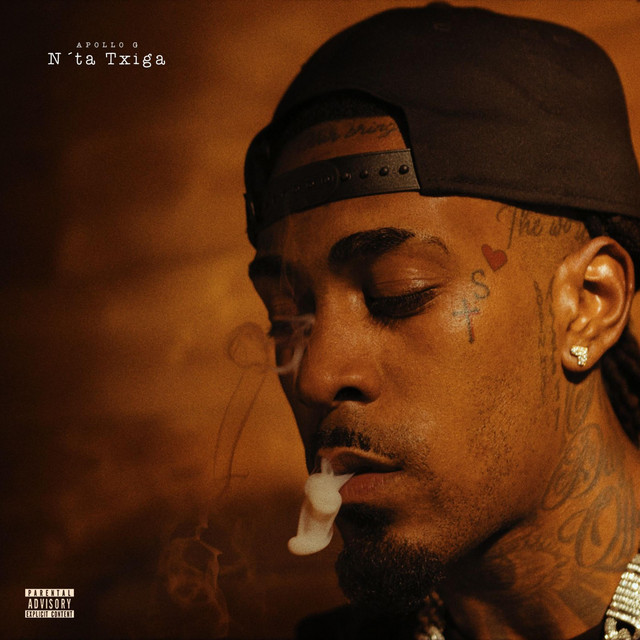
N´ta Txiga
Apollo G
Fado
2019
2
/5
Céu Azul
Apollo G
Fado
Similar artists
3
/5
Nuno Ribeiro
Fado
Kizomba
Musica Portuguesa Contemporanea
3
/5
Bonga
Semba
Morna
Fado
3
/5
Marisa Liz
Fado
Portuguese Hip Hop
Musica Portuguesa Contemporanea
2
/5
Sara Tavares
Morna
Fado
Portuguese Hip Hop
3
/5
Ivandro
Portuguese Hip Hop
Kizomba
Zouk
3
/5
Bárbara Bandeira
Portuguese Hip Hop
Kizomba
Pop
3
/5
Prodígio
Kizomba
Portuguese Hip Hop
3
/5
Soraia Ramos
Kizomba
Portuguese Hip Hop
Zouk
3
/5
Deedz B
Brazilian Trap
Funk Bruxaria
Kizomba
3
/5
Nenny
Kizomba
Portuguese Hip Hop
Pop Reggaeton
Download our mobile app
Get the Melodigging app and start digging for new genres on the go
Download on the App Store
Get it on Google Play
© 2026 Melodigging
Give feedback
Legal
Melodding was created as a tribute to
Every Noise at Once
, which inspired us to help curious minds keep digging into music's ever-evolving genres.