Genres
Make Music
Artists
Albums
Challenges
Sign in
Sign in
Albums
By Bonga
Albums
By Bonga
Recados De Fora
November 4, 2016
Listen
1
/5
Genres
Semba
Semba is a lively, guitar‑driven dance music from Angola characterized by buoyant 4/4 grooves, call‑and‑response vocals, and witty, narrative lyrics. Its name relates to a playful, belly‑to‑belly dance move that symbolizes the music’s social, communal spirit. Emerging in Luanda’s musseques (working‑class neighborhoods), semba blends Angolan traditional rhythms with Afro‑Atlantic currents—especially Cuban son and Congolese rumba—absorbed via radio, records, and port exchanges. Typical ensembles feature interlocking guitars, bass with anticipatory syncopations, hand percussion (dikanza/reco‑reco, congas, shakers), and often drum kit, supporting melodies that are both joyous and gently sentimental. Semba is foundational for modern Angolan popular music: it seeded kizomba’s smoother, slower pulse and helped shape kuduro’s urban energy, while remaining a beloved social dance and a vehicle for storytelling about everyday life, love, humor, and social critique.
Discover
Listen
Morna
Morna is the emblematic song genre of Cape Verde, often described as the archipelago’s equivalent of the blues. It is typically slow to moderate in tempo, performed with a lyrical, intimate vocal delivery, and rich, poetic texts in Cape Verdean Creole that dwell on sodade (longing), love, migration, the sea, and island life. Musically, morna favors minor keys and bittersweet harmonies, with guitar-led accompaniment that interweaves arpeggios and gentle counter-melodies. Its rhythmic feel can reflect a subtle habanera lilt or a waltz-like sway, yet remains understated and supple, allowing the singer’s phrasing to breathe. Over time, composers expanded its harmony with chromatic “passagens” (passing chords and brief modulations), while keeping the style’s core intimacy intact.
Discover
Listen
Fado
Fado is an urban Portuguese song tradition centered on the feeling of saudade—an untranslatable mix of longing, nostalgia, and bittersweet melancholy. It emerged in 19th‑century Lisbon’s working-class neighborhoods and port districts and later developed a distinct academic strain in Coimbra. Typically performed by a solo singer (fadista) with accompaniment from the 12‑string guitarra portuguesa (Portuguese guitar) and a 6‑string viola (classical/steel‑string guitar), fado favors minor keys, expressive rubato, and ornate melodic embellishment. Its poetry (often in quatrains) contemplates love, fate, the sea, and everyday hardship. Two principal styles dominate: Fado de Lisboa, intimate and dramatic, and Fado de Coimbra, associated with student serenades and a more classical, restrained delivery. Recognized by UNESCO in 2011 as Intangible Cultural Heritage, fado remains a living tradition continually renewed by contemporary interpreters.
Discover
Listen
Similar albums
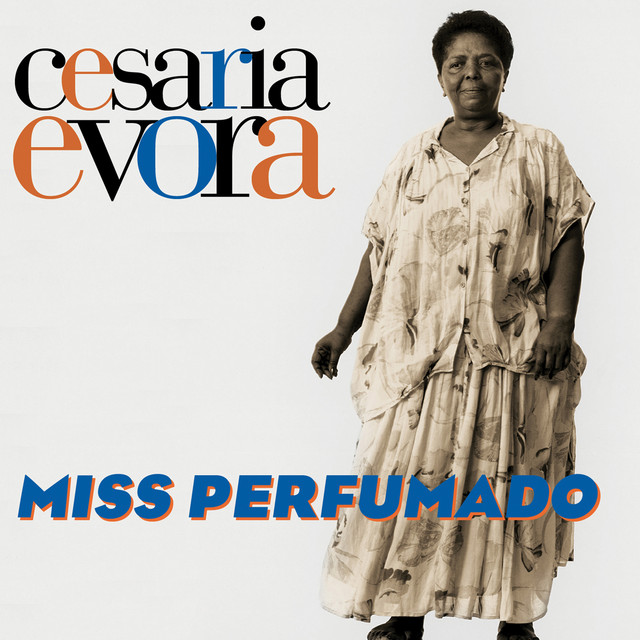
1992
Miss Perfumado
Cesária Evora
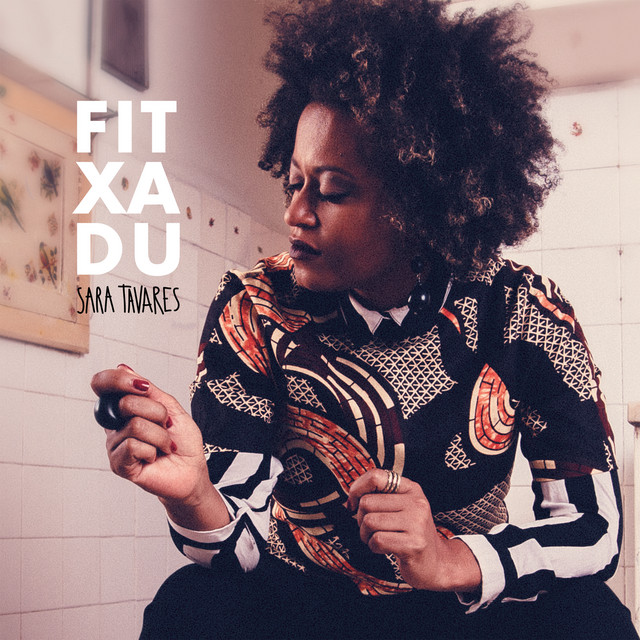
2017
Fitxadu
Sara Tavares
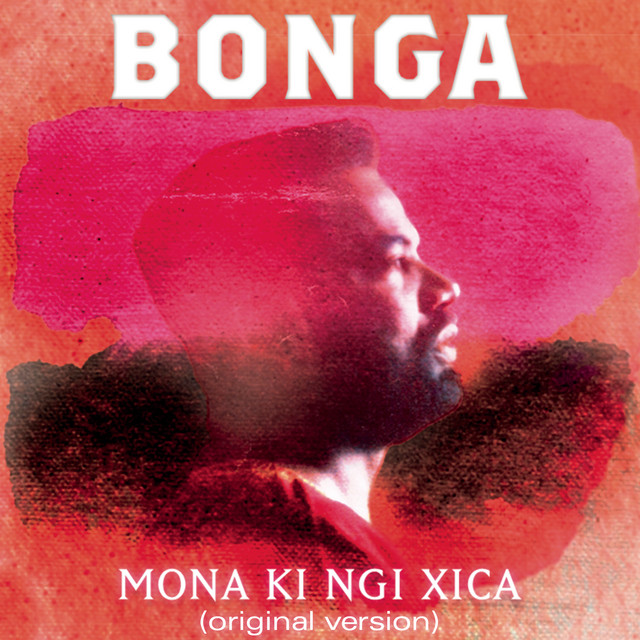
2013
Mona Ki Ngi Xica
Bonga
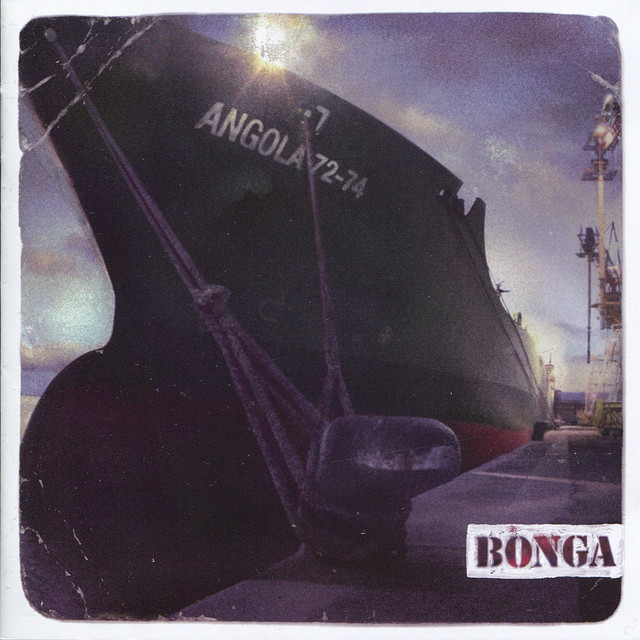
2011
Angola 72
Bonga
2005
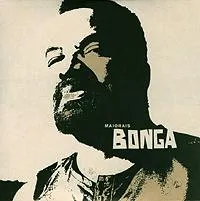
Maiorais
Bonga
2012
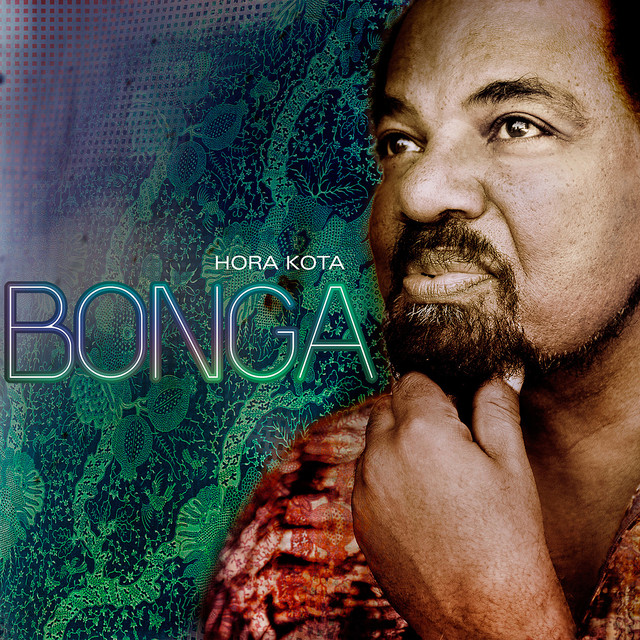
Hora Kota
Bonga
1990
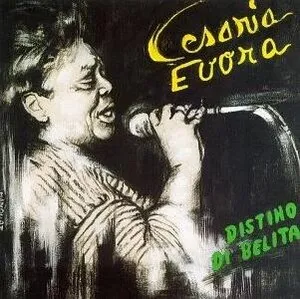
Distino di Belita
Cesária Évora
1998
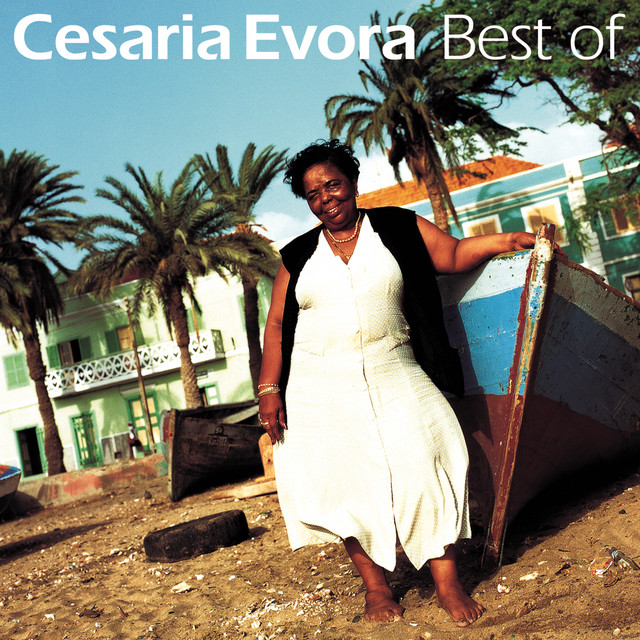
Best Of
Évora, Cesária, Boy Gé Mendes, Lima, Manu, Évora, Cesária, Bonga, Izé, Libertad…
2009
La nouvelle scène créole
Sara Tavares
1972
Mona Ki Ngi Xica - EP
Bonga
Download our mobile app
Get the Melodigging app and start digging for new genres on the go
Download on the App Store
Get it on Google Play
© 2026 Melodigging
Give feedback
Legal
Melodding was created as a tribute to
Every Noise at Once
, which inspired us to help curious minds keep digging into music's ever-evolving genres.