Genres
Artists
Albums
Make Music
Sign in
Sign in
Artists
Occult Rock
Artists
Occult Rock
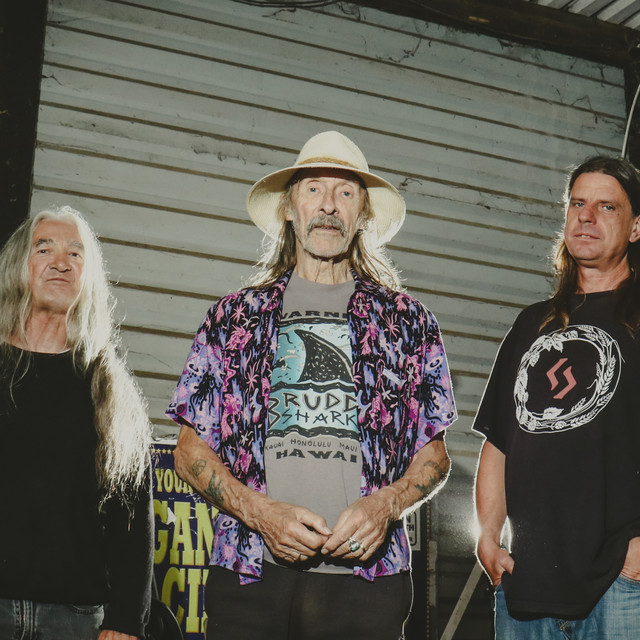
Black Widow
2007–2014
·
2 albums
Listen
1
/5
Genres
Occult Rock
Occult rock is a dark, vintage-leaning strain of hard and psychedelic rock that centers on esoteric, witchcraft, and ceremonial themes. It pairs heavy, riff-led songwriting with theatrical vocals and ritualistic imagery—candles, robes, sigils—evoking a sense of mystery and forbidden knowledge. Musically it draws on late-1960s/early-1970s hard rock and acid-drenched psychedelia: overdriven guitars, warm tube tones, analog organs (Hammond, Mellotron), fuzz bass, and dry, punchy drums. Songs are typically mid‑tempo, minor‑key, and hooky, favoring modal turns (Aeolian, Phrygian) and occasional tritone or chromatic color to heighten the ominous atmosphere. Lyrically, it references grimoires, folklore, and occult philosophy, often balancing narrative storytelling with chant-like choruses. Modern revivals preserve the 70s aesthetic—tape-saturated mixes and retro gear—while refining arrangements and production for contemporary audiences.
Discover
Listen
Classic Rock
Classic rock is a radio-defined umbrella for mainstream, guitar-centered rock music from the mid-1960s through the 1980s. It emphasizes blues-based riffs, memorable choruses, sturdy backbeats, and prominent guitar solos, often framed by warm, analog production. Rather than being a single stylistic branch, classic rock curates a canon that spans hard rock, blues rock, folk rock, psychedelic and progressive strains, and heartland- and country-tinged rock. Albums and album-oriented rock (AOR) values—extended tracks, conceptual cohesion, and musicianship—are central to its identity. The sound evokes tube-amp crunch, Hammond organs, stacked vocal harmonies, and anthemic songwriting designed for both FM radio and the concert arena.
Discover
Listen
Acid Rock
Acid rock is a heavier, louder, and more improvisation-driven branch of psychedelic rock that emerged in the mid-to-late 1960s. It is characterized by extended guitar solos, distorted and feedback-laden textures, modal or drone-based harmony, and a strong emphasis on trance-inducing grooves. The style was closely tied to the counterculture and LSD-fueled happenings of the era, particularly on the U.S. West Coast. Musically, it blends blues-rock’s grit, garage rock’s raw energy, folk-rock’s modal harmonies, and raga-influenced drones, then amplifies everything—volume, duration, and intensity—into hypnotic, often explosive performances.
Discover
Listen
Progressive Rock
Progressive rock is a rock subgenre that expands the genre’s formal, harmonic, and conceptual boundaries. It favors long-form compositions, intricate arrangements, and virtuosic musicianship, often drawing on Western classical, jazz, folk, and psychedelic idioms. Typical hallmarks include multi-part suites, shifting time signatures, extended instrumental passages, recurring motifs, and concept albums that present unified themes or narratives. The sound palette commonly features electric guitar, bass, and drums alongside an array of keyboards (Hammond organ, Mellotron, Moog/ARP synthesizers, piano), woodwinds or brass, and occasional orchestral additions. Lyrics often explore science fiction, mythology, philosophy, social commentary, and introspective themes.
Discover
Listen
Proto-Metal
Proto-metal is the late-1960s hard, heavy strain of rock that crystallized the sonic vocabulary later codified as heavy metal. It bridges blues-rock, garage rock, and psychedelic rock with louder amplification, thicker distortion, and riff‑centric songwriting. Musically, proto-metal emphasizes power-trio or organ/guitar lineups, pentatonic/blues-derived riffs, power chords, and aggressive, often fuzz-saturated tones. Vocals can range from soulful shouts to theatrical wails, and rhythms often push straight 4/4 grooves at mid-to-up tempo with a palpable sense of weight and drive. Historically, it includes bands whose heaviest work predated metal as a named genre, as well as early albums by future metal standard-bearers. Its sound laid the groundwork for the timbre, riff language, and attitude of heavy metal and, by extension, numerous metal subgenres.
Discover
Listen
Psychedelic Blues-Rock
Psychedelic blues-rock blends the raw, emotive foundations of blues with the expansive textures and improvisational freedoms of psychedelic rock. It typically features overdriven guitars drenched in fuzz, wah-wah, and tape/amp effects, extended solos, and modal improvisation over blues-derived vamps and 12‑bar variations. The style is both earthy and exploratory: shuffling or stomping grooves and pentatonic riffing anchor flights of feedback, phasing, and spacey ambience. Lyrically it often mixes classic blues imagery with surreal, mind-expanding themes. The sound crystallized in the late 1960s across the UK and US scenes, where the British blues boom met the psychedelic underground.
Discover
Listen
Hard Rock
Hard rock is a loud, riff-driven style of rock music built around heavily amplified electric guitars, a powerful rhythm section, and assertive vocals. Songs typically center on memorable, blues-based guitar riffs, strong backbeats, and energetic, often shouted or belted choruses. The genre emphasizes power, groove, and visceral impact over intricate harmony or extended improvisation. Distortion, power chords, pentatonic melodies, and call‑and‑response between vocals and guitar are core traits, while lyrical themes often explore rebellion, lust, swagger, escape, and cathartic release.
Discover
Listen
Psychedelic Rock
Psychedelic rock is a style of rock music that seeks to evoke, simulate, and expand altered states of consciousness through sound. It typically features timbral experimentation (fuzz, wah, tape delay, phasing), drones, modal or raga-influenced harmony, extended improvisation, studio-as-instrument production, and surreal, mystical, or mind-expanding lyrics. Emerging from mid-1960s counterculture, it fused garage-band energy with folk, blues, and non-Western musical ideas—especially Indian classical ragas—while embracing new studio technologies and concert light shows. Both a live and a studio art, psychedelic rock ranges from jangly, kaleidoscopic pop to heavy, hypnotic jams and cosmic soundscapes.
Discover
Listen
Rock
Rock is a broad family of popular music centered on amplified instruments, a strong backbeat, and song forms that foreground riffs, choruses, and anthemic hooks. Emerging from mid‑20th‑century American styles like rhythm & blues, country, and gospel-inflected rock and roll, rock quickly expanded in scope—absorbing folk, blues, and psychedelic ideas—while shaping global youth culture. Core sonic markers include electric guitar (often overdriven), electric bass, drum kit emphasizing beats 2 and 4, and emotive lead vocals. Rock songs commonly use verse–chorus structures, blues-derived harmony, and memorable melodic motifs, ranging from intimate ballads to high‑energy, stadium‑sized performances.
Discover
Listen
Show all 9 genres
Albums
2014
1
/5
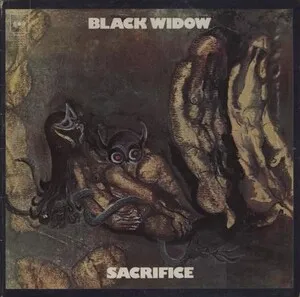
Sacrifice
Black Widow
Occult Rock
2007
1
/5
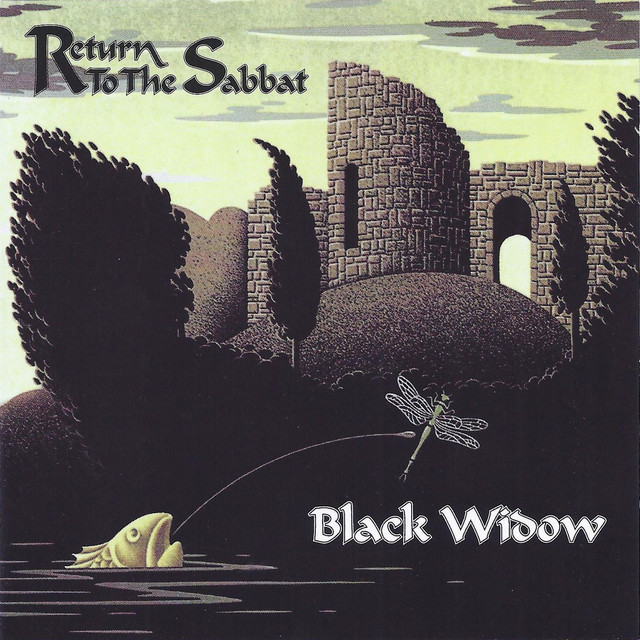
Return To The Sabbat
Black Widow
Psychedelic Blues-Rock
Rock
Similar artists
3
/5
Hawkwind
Canterbury Scene
Space Rock
Hard Rock
4
/5
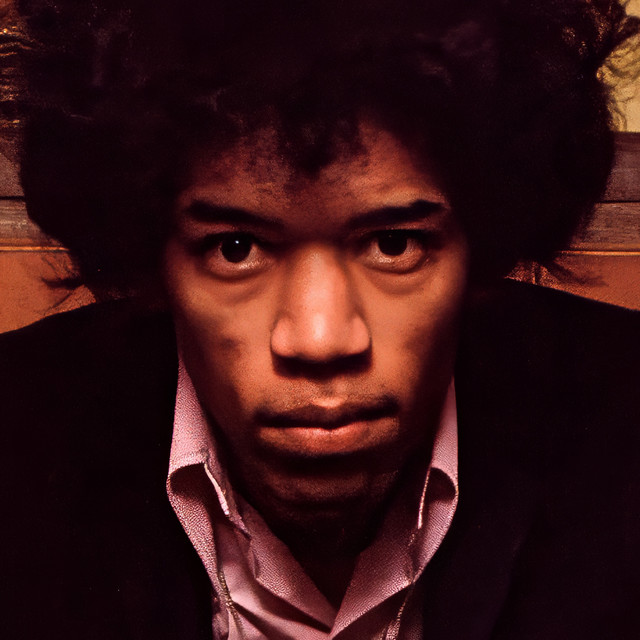
Jimi Hendrix
Blues Rock
Proto-Metal
Psychedelic Rock
4
/5
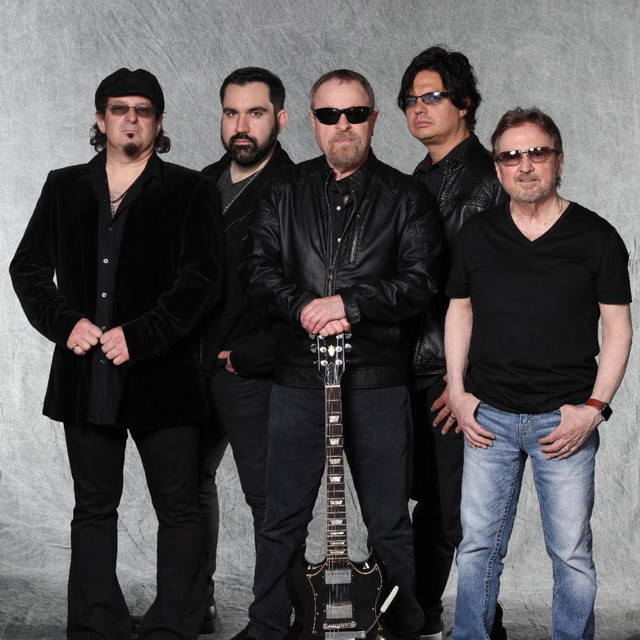
Blue Öyster Cult
Hard Rock
Occult Rock
Rock
3
/5
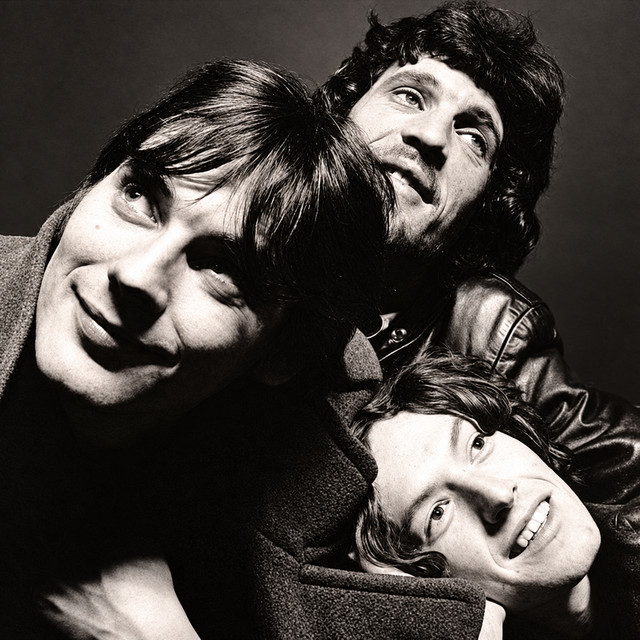
Traffic
British Blues
Progressive Rock
Acid Rock
3
/5
Uncle Acid & The Deadbeats
Doom Metal
Acid Rock
Drone Metal
3
/5
Iron Butterfly
Acid Rock
Proto-Metal
Psychedelic Rock
2
/5
Ozric Tentacles
Jam Band
Space Rock
Livetronica
2
/5
Soft Machine
Jazz Fusion
Progressive Rock
Canterbury Scene
2
/5
Gong
Canterbury Scene
Space Rock
Progressive Rock
2
/5
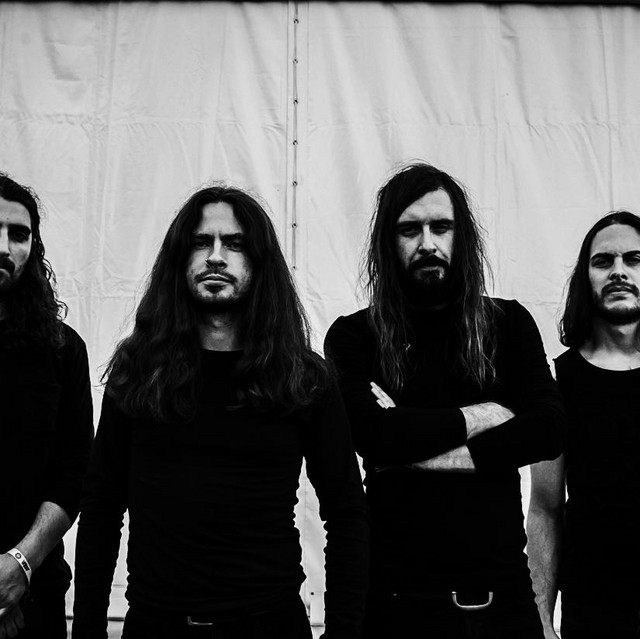
Naxatras
Heavy Psych
Instrumental Stoner Rock
Stoner Rock
Download our mobile app
Get the Melodigging app and start digging for new genres on the go
Download on the App Store
Get it on Google Play
© 2026 Melodigging
Give feedback
Legal
Melodding was created as a tribute to
Every Noise at Once
, which inspired us to help curious minds keep digging into music's ever-evolving genres.