Genres
Artists
Albums
Make Music
Sign in
Sign in
Artists
Dub
Artists
Dub
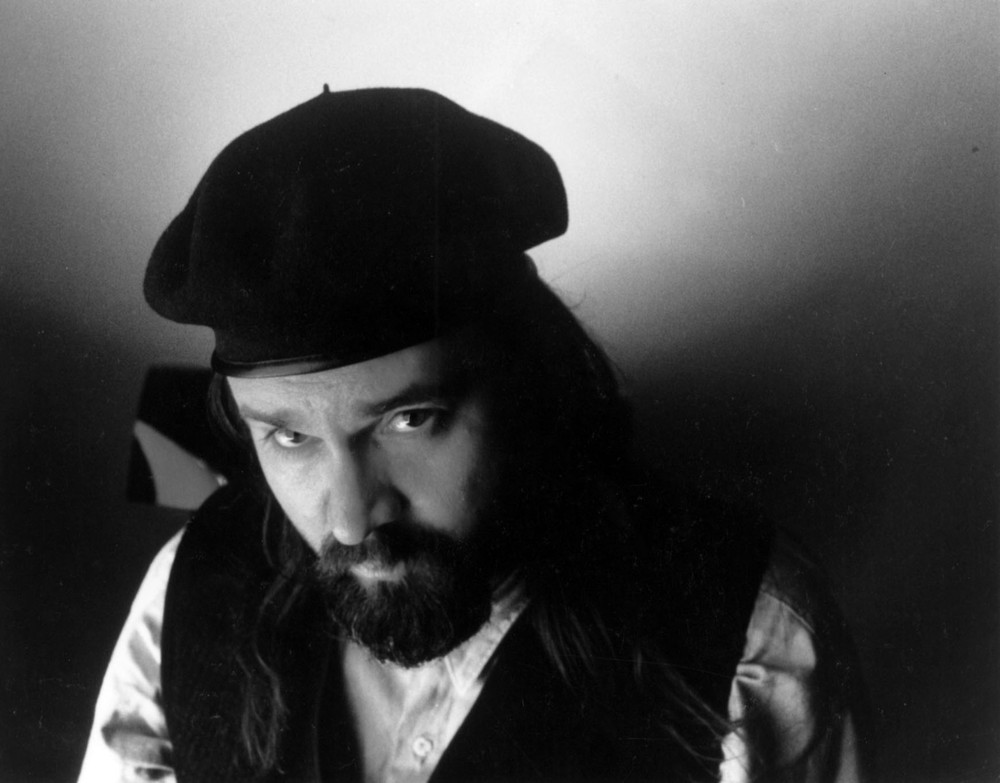
Bill Laswell
1983–2015
·
13 albums
Listen
2
/5
Genres
Digital Fusion
Digital fusion blends the hardware‑limited timbres of Chiptune and Bit Music with the harmonic language and arranging scope of jazz fusion, cinematic/classical writing, progressive music, and contemporary electronic production. Producers often start with authentic chip palettes (NES, Game Boy, YM2612/Genesis, or tracker/sample-based 8/16‑bit sets), then write harmonically rich progressions, orchestrate with layered synths and sample libraries, and sometimes add live performers (saxophone, guitar, bass, drums, strings). The result feels both retro and forward‑looking: agile, rhythmically intricate, melodically ear‑catchy, and frequently “filmic” in scope. Compared with straight Chiptune, digital fusion leans harder into jazz harmony, odd meters, and cinematic development; compared with jazztronica, it keeps a stronger attachment to console/arcade sound design and tracker‑style articulation.
Discover
Listen
Drumfunk
Drumfunk is a breakbeat-focused substyle of drum and bass that spotlights intricate, sample-based drum programming over big synth hooks or wobbling basslines. It typically runs at 160–175 BPM and emphasizes chopped, re-sequenced classic funk breaks (e.g., Amen, Think, Apache), ghost notes, micro-edits, and syncopated hi-hat work. Pads and bass are present but usually understated, creating a sparse, percussive soundstage where the drum groove is the lead instrument. Aesthetically, drumfunk prizes raw break texture, swing, and human feel, drawing heavily from funk and jazz sensibilities while retaining the tempo and DJ functionality of jungle/drum and bass.
Discover
Listen
Illbient
Illbient is an experimental, sample-based offshoot of ambient and dub that emerged in mid‑1990s New York. Its name fuses hip‑hop slang “ill” (meaning striking, intense, or unsettling) with “ambient,” signaling music that is both atmospheric and disequilibrating. Sonically, it layers heavy dub bass and echo with downtempo breakbeats, detuned drones, gritty field recordings, and noise textures. Rather than offering placid ambience, illbient evokes urban decay and nocturnal space—collaging fragments of speech, sirens, vinyl crackle, and industrial hum into sprawling, cinematic soundscapes. Hip‑hop’s sampling ethos, dub’s studio-as-instrument approach, and the spatial imagination of ambient guide the production, while dissonance, negative space, and slow, unstable grooves create a tense, dreamlike drift.
Discover
Listen
Downtempo
Downtempo is a mellow, groove-oriented branch of electronic music characterized by slower tempos, plush textures, and a focus on atmosphere over dancefloor intensity. Typical tempos range from about 60–110 BPM, with swung or laid-back rhythms, dub-informed basslines, and warm, jazz-tinged harmonies. Stylistically, it blends the spaciousness of ambient, the head-nodding rhythms of hip hop and breakbeat, and the cosmopolitan smoothness of lounge and acid jazz. Producers often use sampled drums, Rhodes or Wurlitzer electric pianos, guitar licks with delay, and field recordings to create intimate, cinematic soundscapes. The mood spans from soulful and romantic to introspective and dusk-lit, making it a staple of after-hours listening, cafes, and relaxed club back rooms.
Discover
Listen
Ambient Dub
Ambient dub fuses the studio-as-instrument ethos of Jamaican dub with the spacious textures and slow-motion pacing of ambient and ambient house. It is marked by deep sub‑bass, echo‑drenched percussion, and vast, reverb‑heavy soundscapes where delays, filtering, and tape‑style feedback become primary compositional tools. Tracks tend to be long, hypnotic, and minimal, often incorporating field recordings, gentle synth pads, and fragmentary vocals that are treated as atmospheric elements rather than lyrical leads. Emerging in the early 1990s UK, the style crystallized through influential artists and compilations that showcased a reflective, psychedelic, and immersive approach to dub-informed electronic music.
Discover
Listen
Celtic Electronica
Celtic electronica is a fusion genre that blends the melodies, modes, and instruments of Celtic traditional music with contemporary electronic production. Typical sounds include fiddles, uilleann pipes, whistles, Celtic harp, bouzouki, and bodhrán layered with synthesizers, samplers, drum machines, and atmospheric processing. Jigs, reels, and airs are reimagined over breakbeats, 4/4 house grooves, downtempo rhythms, and trance inflections, often retaining modal flavors like Dorian and Mixolydian. The result is both rootsy and futuristic: a dance- and cinema-friendly soundscape where Gaelic and Scots traditions meet ambient textures, trip‑hop weight, and club-ready momentum.
Discover
Listen
Electronica
Electronica is a broad, largely 1990s umbrella term for a spectrum of electronic music crafted as much for immersive, album‑oriented listening as for clubs and raves. It gathers elements from techno, house, ambient, breakbeat, IDM, and hip hop production, emphasizing synthesizers, drum machines, samplers, and studio experimentation. The sound can range from downtempo and atmospheric to hard‑hitting and breakbeat‑driven, but it typically foregrounds sound design, texture, and mood over strict dance‑floor utility. In the mid‑to‑late 1990s the term was used by labels and press—especially in the United States—to market and introduce diverse electronic acts to mainstream rock and pop audiences.
Discover
Listen
Worldbeat
Worldbeat is a pop-oriented fusion that blends contemporary Western production (pop, rock, dance, and electronic) with rhythms, instruments, scales, and vocal styles drawn from diverse musical traditions around the world. It typically features layered percussion, polyrhythms, call-and-response vocals, and multilingual or code-switching lyrics, while maintaining accessible song forms and hook-driven choruses. Arrangements often juxtapose drum kits, bass guitar, and synths with instruments such as kora, mbira, oud, sitar, djembe, balafon, or charango. As a retail and radio category in the 1980s–1990s, worldbeat served both as a creative space for cross-cultural collaboration and a marketing umbrella, attracting praise for bridge-building and criticism for occasional exoticism or unequal credit-sharing.
Discover
Listen
Dub
Dub is a studio-born offshoot of reggae that uses the mixing desk as a performance instrument. Producers strip songs down to their rhythmic core—drums and bass—and then rebuild them in real time with radical mutes, echoes, reverbs, and filters. Typically created from the B-sides (“versions”) of reggae singles, dub foregrounds spacious low-end, one-drop or steppers drum patterns, and fragmented vocal or instrumental phrases that drift in and out like ghostly textures. Spring reverb, tape echo, and feedback are not just effects but compositional tools, turning the studio into an instrument of improvisation. The result is bass-heavy, spacious, and hypnotic music that emphasizes negative space and textural transformation, laying the foundation for countless electronic and bass music styles.
Discover
Listen
Ambient
Ambient is a form of electronic and electroacoustic music that prioritizes tone, atmosphere, and texture over conventional song structures and rhythmic drive. It typically features slow-moving harmonies, sustained drones, gentle timbral shifts, and extensive use of space and silence. Rather than drawing attention to itself through hooks or beats, ambient is designed to be as ignorable as it is interesting, rewarding both background listening and focused immersion. Artists often employ synthesizers, samplers, tape loops, field recordings, and subtle acoustic instruments, with reverb and delay creating a sense of place. Substyles range from luminous, consonant soundscapes to darker, more dissonant atmospheres.
Discover
Listen
European Free Jazz
European free jazz is a post-1960s jazz current that transplanted the freedoms of American free jazz into European contexts while developing its own aesthetic priorities. It privileges collective improvisation, timbral exploration, and open form over chord-based harmony and fixed meter. Compared to its American counterpart, European free jazz tends to be less blues- and gospel-derived and more informed by the European avant‑garde: contemporary classical techniques, serial and post-serial thinking, graphic notation, extended instrumental techniques, and experimental approaches to sound and silence. It spans intense, high-energy "fire music" as well as sparse, textural improvisation, and thrives in both small groups and large ensembles. The scene coalesced across Germany, the UK, the Netherlands, Scandinavia, France, and Poland, supported by independent labels and festivals (FMP, Incus, BYG/Actuel, ECM, ICP), and by collectives that treated improvisation as both an artistic practice and a social project.
Discover
Listen
Persian Pop
Persian pop (Iranian pop) blends Western popular music forms with Persian melodic systems, poetic lyricism, and distinctive vocal ornamentation. It emerged in urban centers like Tehran, where nightlife venues, radio, and television fostered a modern sound that stayed rooted in Persian aesthetics. The genre spans romantic ballads and dance-floor anthems, often using a 4/4 or Iranian 6/8 groove, lush string arrangements, and memorable choruses. Singers typically deliver expressive lines that borrow from classical tahrir (ornamented vocal runs) while staying within accessible pop song structures.
Discover
Listen
Reggae
Reggae is a popular music genre from Jamaica characterized by a laid-back, syncopated groove, prominent bass lines, and steady offbeat “skank” guitar or keyboard chords. The rhythmic core often emphasizes the third beat in a bar (the “one drop”), creating a spacious, rolling feel that foregrounds bass and drums. Typical instrumentation includes drum kit, electric bass, rhythm and lead guitars, keyboards/organ (notably the Hammond and the percussive "bubble"), and often horn sections. Tempos generally sit around 70–80 BPM (or 140–160 BPM felt in half-time), allowing vocals to breathe and messages to be clearly delivered. Lyrically, reggae ranges from love songs and everyday storytelling to incisive social commentary, resistance, and spirituality, with Rastafarian culture and language (e.g., “I and I”) playing a central role in many classic recordings. Studio production techniques—spring reverbs, tape delays, and creative mixing—became signature elements, especially through dub versions that strip down and reimagine tracks.
Discover
Listen
Free Jazz
Free jazz is a radical branch of jazz that rejects fixed chord progressions, strict meter, and conventional song forms in favor of collective improvisation, textural exploration, and spontaneous interaction. Musicians prioritize timbre, dynamics, and gesture as much as pitch and harmony, often using extended techniques (multiphonics, overblowing, prepared piano) and unconventional sounds. While rooted in the blues and earlier jazz vocabularies, free jazz frees improvisers from pre-set harmonic cycles, allowing lines to unfold over tonal centers, shifting modes, drones, or complete atonality. Rhythm sections may float without a steady pulse, or drive with layered polyrhythms and “energy playing.” The result ranges from contemplative soundscapes to cathartic, high-intensity eruptions. Culturally, the genre intersected with the civil rights era and broader avant-garde movements, emphasizing autonomy, community, and new possibilities for musical expression.
Discover
Listen
Experimental
Experimental music is an umbrella term for practices that prioritize exploration, process, and discovery over adherence to established genre norms. It embraces new sound sources, nonstandard tuning systems, indeterminacy and chance operations, graphic and open-form scores, extended techniques, and technology-led sound design (tape, electronics, computers, and live processing). Rather than a single style, it is a methodology and ethos: testing hypotheses about sound, structure, and performance, often blurring boundaries between composition, improvisation, sound art, and performance art. Listeners can expect unfamiliar timbres, unusual forms, and an emphasis on how music is made as much as the resulting sound.
Discover
Listen
Algerian Chaabi
Algerian Chaâbi is an urban popular music that emerged in the Casbah of Algiers in the early 20th century. It blends the modal and poetic heritage of Andalusian classical traditions (san'a) and melhoun with a more direct, street-level expressiveness. Characterized by a rich, melismatic vocal style and refined poetry in Algerian Arabic (Derja), Chaâbi is typically accompanied by the Algerian mandole (a larger, metal‑strung mandolin), oud or banjo, violin, and frame and goblet drums (bendir, tar, darbuka). Rhythms often move between lilting 6/8 grooves and steady 2/4 patterns, while melodies draw on Arabic maqamat and Andalusian rhythmic cycles (mizân). The repertoire addresses love, longing, ethics, spiritual devotion, and social life, delivered with an intimate, narrative quality. Figures like El Hadj M'Hamed El Anka helped codify the style, shaping it into a conservatory-taught art that still feels rooted in the cafés and alleyways of Algiers.
Discover
Listen
Jazz
Jazz is an improvisation-centered music tradition that emerged from African American communities in the early 20th century. It blends blues feeling, ragtime syncopation, European harmonic practice, and brass band instrumentation into a flexible, conversational art. Defining features include swing rhythm (a triplet-based pulse), call-and-response phrasing, blue notes, and extended harmonies built on 7ths, 9ths, 11ths, and 13ths. Jazz is as much a way of making music—spontaneous interaction, variation, and personal sound—as it is a set of forms and tunes. Across its history, jazz has continually hybridized, from New Orleans ensembles and big-band swing to bebop, cool and hard bop, modal and free jazz, fusion, and contemporary cross-genre experiments. Its influence permeates global popular and art music.
Discover
Listen
Avant-Garde
Avant-garde music is an umbrella term for boundary-pushing practices that challenge prevailing norms of harmony, rhythm, timbre, form, and performance. It privileges experimentation, conceptual rigor, and a willingness to reframe what counts as music at all. Historically tied to early 20th‑century artistic modernism, avant-garde music introduced atonality, the emancipation of noise, and new forms of notation and process. It embraces indeterminacy, extended techniques, electronics, spatialization, and multimedia performance, treating sound as material to be sculpted, questioned, and reinvented.
Discover
Listen
Electronic
Electronic is a broad umbrella genre defined by the primary use of electronically generated or electronically processed sound. It encompasses music made with synthesizers, drum machines, samplers, computers, and studio/tape techniques, as well as electroacoustic manipulation of recorded or synthetic sources. The genre ranges from academic and experimental traditions to popular and dance-oriented forms. While its sonic palette is rooted in electricity and circuitry, its aesthetics span minimal and textural explorations, structured song forms, and beat-driven club permutations. Electronic emphasizes sound design, timbre, and studio-as-instrument practices as much as melody and harmony.
Discover
Listen
Show all 19 genres
Albums
2015
2
/5
In Dub
Bill Laswell
Illbient
2012
1
/5
Boniche Dub
Lili Boniche
Algerian Chaabi
2008
1
/5
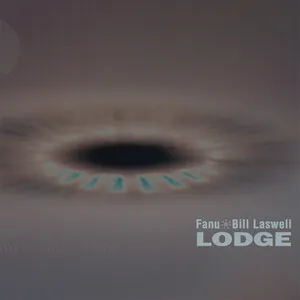
Lodge
Fanu & Bill Laswell
Drumfunk
2007
1
/5
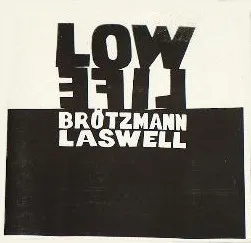
Low Life
Brötzmann Laswell
European Free Jazz
Free Jazz
Jazz
2005
1
/5
Emerald Aether: Shape Shifting
Bill Laswell
Celtic Electronica
2004
1
/5
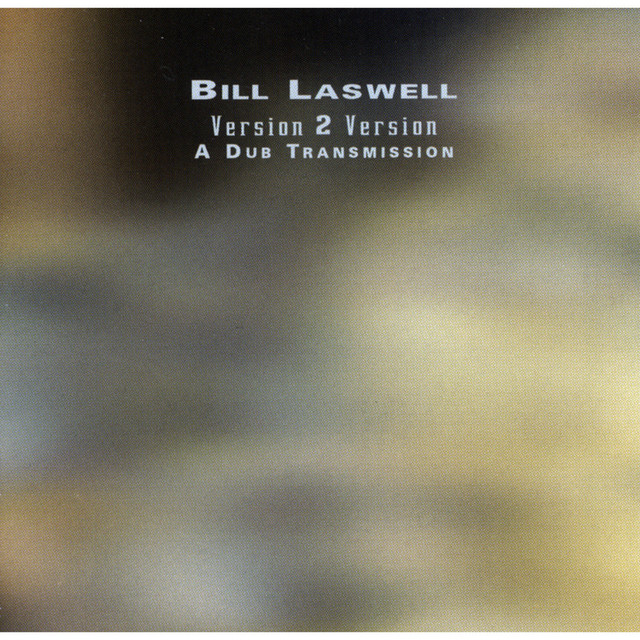
Version 2 Version: A Dub Transmission
Bill Laswell
Illbient
2002
1
/5
Sacred System: Book Of Exit / Dub Chamber 4
Bill Laswell
Illbient
Downtempo
Dub
2002
1
/5
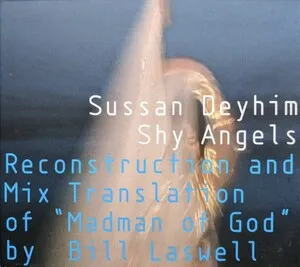
Shy Angels
Sussan Deyhim
Persian Pop
2001
1
/5
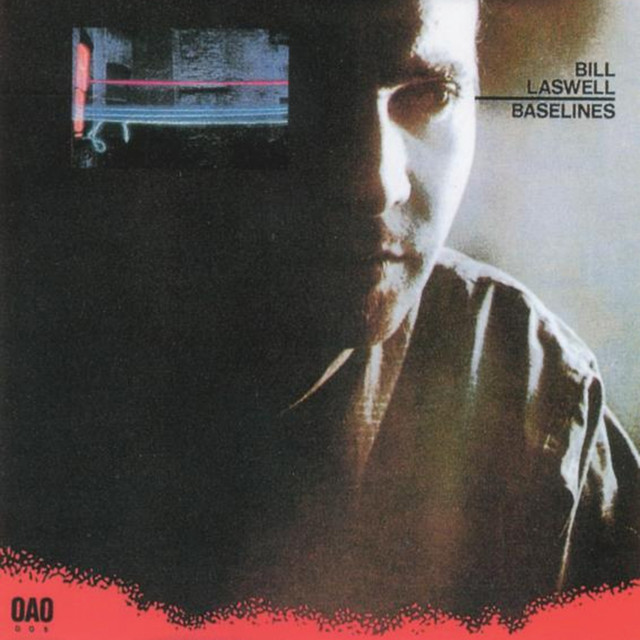
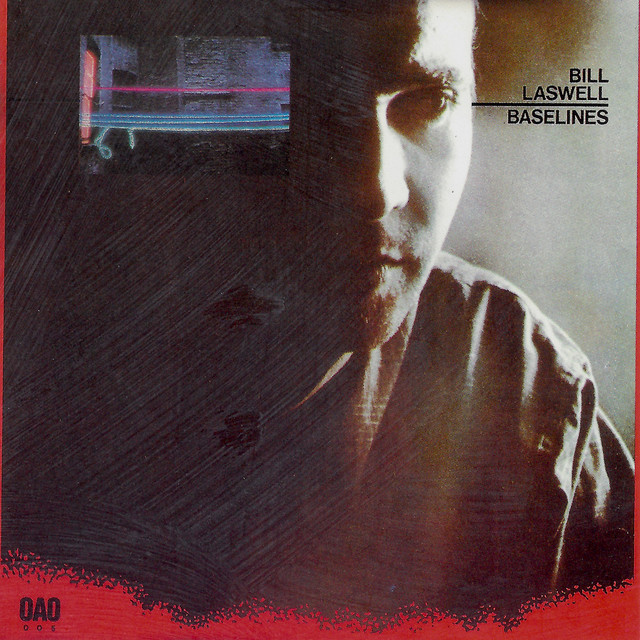
Baselines
Bill Laswell
Illbient
2000
1
/5
Dub Chamber 3
Bill Laswell
Illbient
Ambient Dub
Ambient
1999
1
/5
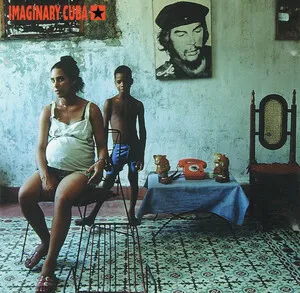
Imaginary Cuba
Bill Laswell
Worldbeat
Ambient
Dub
1996
1
/5
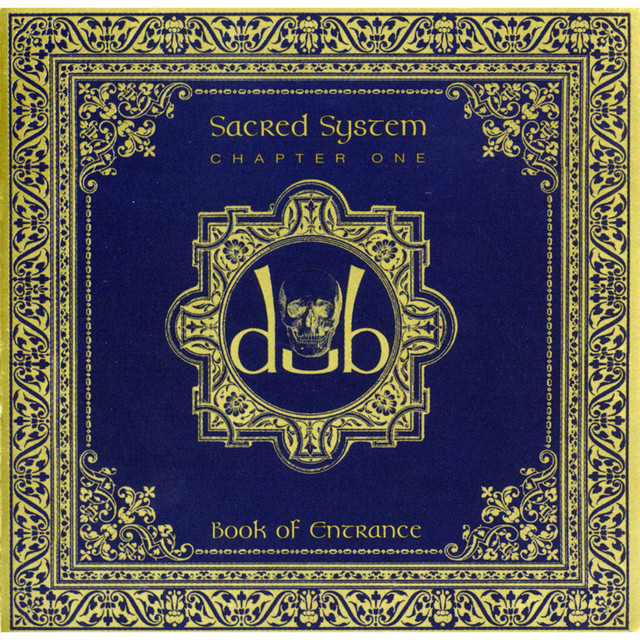
Sacred System Chapter One: Book Of Entrance
Bill Laswell
Illbient
Dub
Electronic
1983
1
/5
Baselines
Bill Laswell
Illbient
Similar artists
1
/5
Various Artists
Afro-Funk
Alternative Rock
Ambient
2
/5
The Bug
Illbient
Grime
Dubstep
2
/5
Scorn
Illbient
Dub Metal
Experimental
2
/5
Deadbeat
Ambient Dub
Dub
Dub Techno
3
/5
The Orb
Ambient House
Ambient
Idm
3
/5
Ulver
Post-Metal
Avant-Garde
Black Metal
2
/5
Deepchord
Dub Techno
Ambient
Minimal Techno
2
/5
Yagya
Ambient Techno
Ambient
Dub Techno
2
/5
Ott
Psydub
Downtempo
Electronic
1
/5
Deepchord Presents: Echospace
Dub Techno
Minimal Techno
Ambient
Download our mobile app
Get the Melodigging app and start digging for new genres on the go
Download on the App Store
Get it on Google Play
© 2026 Melodigging
Give feedback
Legal
Melodding was created as a tribute to
Every Noise at Once
, which inspired us to help curious minds keep digging into music's ever-evolving genres.