Genres
Artists
Albums
Make Music
Sign in
Sign in
Artists
Noise Rock
Artists
Noise Rock
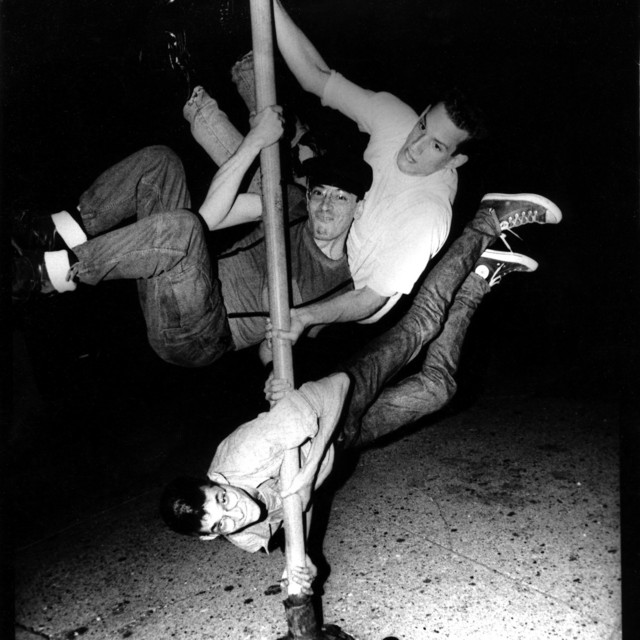
Big Black
1985–1987
·
2 albums
Listen
2
/5
Genres
Noise Rock
Noise rock is a subgenre of rock that deliberately embraces distortion, feedback, dissonance, and abrasive textures as primary musical materials rather than mere effects. It prioritizes timbre, volume, and sonic density over conventional melody and harmony, often using nonstandard tunings, prepared or detuned guitars, and extended techniques to generate harsh overtones and sheets of sound. Rhythm sections tend to be driving and repetitive, anchoring the chaos with motorik pulses, lurching grooves, or pummeling, minimal patterns. Vocals range from spoken and murmured to shouted and cathartic, with lyrics that skew cryptic, confrontational, or surreal. Aesthetically, noise rock traces a line from punk’s anti-virtuosity and DIY ethos through no wave’s iconoclasm and the avant-garde’s interest in sound-as-sound, yielding music that can be physically intense, psychologically unsettling, and artistically exploratory.
Discover
Listen
Post-Hardcore
Post-hardcore is a branch of hardcore punk that retains the style’s urgency and DIY ethos while expanding its musical vocabulary. Bands push beyond breakneck tempos and simple power-chord progressions into more dynamic song structures, varied rhythms, and a wider emotional range. Guitars often alternate between caustic distortion and clean, chiming textures; vocals can shift from shouted slogans to melodic singing; and arrangements emphasize tension-and-release, odd meters, and dramatic builds. Lyrically, post-hardcore tends to be more introspective and socially conscious than its hardcore roots, touching on personal, political, and philosophical themes.
Discover
Listen
Pigfuck
Pigfuck is a caustic, noise-scraped strain of American underground rock that emerged in the mid‑1980s. It mashes the velocity and antagonism of punk with the abrasion of no wave and the mechanical thud of early industrial, often delivered with a blackly comic, misanthropic streak. Typical tracks lurch on repetitive, bass-forward riffs, blown-out guitar texture, and pummeling drum patterns (frequently tom-heavy or even drum-machine driven). Vocals are barked, sneered, or deadpan, while lyrics dwell on the grotesque, blue-collar absurdity, and the uglier corners of American life. Production is intentionally raw and dry—close-miked, low on reverb, and happy to leave in feedback, clipping, and unpleasant overtones.
Discover
Listen
Post-Industrial
Post-industrial is an umbrella term for the diverse musical currents that evolved out of first‑wave industrial music in the early 1980s. Rather than a single sound, it describes a methodology: the recontextualization of noise, tape collage, found sound, non‑traditional percussion, and transgressive or esoteric themes into new hybrids. It commonly emphasizes textural experimentation over conventional song form, drawing on ambient drones, harsh electronics, ritualistic rhythms, and performance-art strategies. The scene grew through DIY cassette culture, mail‑art networks, and small independent labels, fostering substyles like power electronics, dark ambient, neofolk, martial industrial, and illbient. Aesthetically, post‑industrial retains industrial’s confrontational stance but disperses it into atmospheric, political, mystical, and avant‑garde directions, making it as much a way of working with sound and media as a genre label.
Discover
Listen
Industrial Rock
Industrial rock fuses the abrasive sonics of industrial music with the riffs, song structures, and performance energy of rock. Characterized by distorted guitars, pounding drum machines, sequenced bass lines, metallic samples, and heavily processed vocals, the style evokes a mechanized, dystopian atmosphere. Tempos often sit between 100–140 BPM, with rigid 4/4 grooves, syncopated patterns, and looped motifs that feel relentless and machine-driven. Lyrically and aesthetically, industrial rock often explores themes of alienation, power, technology, politics, and transgression, drawing on post-punk’s nihilism and performance-art provocation while retaining rock’s hook-driven choruses.
Discover
Listen
Industrial
Industrial is an experimental electronic music tradition that uses abrasive timbres, mechanical rhythms, and transgressive aesthetics. Its sound palette often includes distorted drum machines, tape loops, metallic percussion, feedback, and found-object recordings alongside synthesizers and samplers. Emerging from late-1970s UK underground art and performance scenes, industrial foregrounds themes of dehumanization, technology, surveillance, and power. Releases frequently embrace anti-commercial presentation, stark graphic design, and confrontational performance art, treating the studio as a laboratory for sonic manipulation rather than a vehicle for conventional songcraft. While early industrial emphasized noise, tape processing, and avant-garde collage, later waves fused the style with dancefloor precision (EBM), rock and metal heft, and club-oriented production, giving rise to a broad post-industrial family that remains influential in experimental, electronic, and popular music.
Discover
Listen
Post-Punk
Post-punk is a broadly experimental strain of rock that emerged in the late 1970s as artists sought to push beyond the speed, simplicity, and orthodoxy of first-wave punk. It typically features angular, bass-forward grooves; jagged or minimal guitar lines; stark, spacious production; and an openness to dub, funk, electronic, and avant-garde ideas. Lyrics often examine alienation, urban decay, politics, and the inner life with artful or abstract delivery. A studio-as-instrument approach, emphasis on rhythm section interplay, and an appetite for non-rock textures (tape effects, drum machines, found sound, synths) distinguish the style. The result can be danceable yet tense, cerebral yet visceral, and emotionally restrained yet intensely expressive.
Discover
Listen
Industrial & Noise
Industrial & noise is an umbrella for abrasive, experimental music that foregrounds distortion, mechanical rhythm, feedback, and non-musical sound sources. It merges the harsh timbral explorations of noise with the confrontational, machine-driven aesthetics of industrial. Artists typically use found objects, scrap metal, feedback systems, tape manipulation, and heavily processed electronics alongside drum machines and synthesizers. The style ranges from arrhythmic walls of sound to regimented, factory-like beats, often eschewing conventional harmony in favor of texture, density, and psychoacoustic impact. Thematically, it is frequently transgressive and confrontational—exploring dehumanization, technology, power structures, and catharsis—while performance practice can be theatrical, ritualistic, and intensely physical.
Discover
Listen
Show all 8 genres
Albums
1987
2
/5
Songs About Fucking
Big Black
Pigfuck
Noise Rock
1985
1
/5
Atomizer
Big Black
Pigfuck
Industrial Rock
Post-Industrial
Similar artists
3
/5
HEALTH
Grave Wave
Noise Pop
Industrial Metal
3
/5
Swans
Experimental Rock
Post-Rock
No Wave
2
/5
Daughters
Noise Rock
Industrial Rock
Mathcore
3
/5
Model/Actriz
Industrial Rock
Noise Rock
Post-Punk
2
/5
The Jesus Lizard
Noise Rock
Pigfuck
Grunge
1
/5
Scraping Foetus off the Wheel
Industrial Rock
Industrial
Avant-Garde
1
/5
Kill The Thrill
Industrial Rock
Industrial
Industrial Metal
2
/5
Unsane
Noise Rock
Post-Hardcore
Sludge Metal
1
/5
Various Artists
Afro-Funk
Alternative Rock
Ambient
3
/5
Godflesh
Industrial Metal
Sludge Metal
Drone
Download our mobile app
Get the Melodigging app and start digging for new genres on the go
Download on the App Store
Get it on Google Play
© 2026 Melodigging
Give feedback
Legal
Melodding was created as a tribute to
Every Noise at Once
, which inspired us to help curious minds keep digging into music's ever-evolving genres.