Genres
Artists
Albums
Make Music
Sign in
Sign in
Artists
Noise Rock
Artists
Noise Rock
The Jesus Lizard
1990–1992
·
3 albums
Listen
2
/5
Genres
Noise Rock
Noise rock is a subgenre of rock that deliberately embraces distortion, feedback, dissonance, and abrasive textures as primary musical materials rather than mere effects. It prioritizes timbre, volume, and sonic density over conventional melody and harmony, often using nonstandard tunings, prepared or detuned guitars, and extended techniques to generate harsh overtones and sheets of sound. Rhythm sections tend to be driving and repetitive, anchoring the chaos with motorik pulses, lurching grooves, or pummeling, minimal patterns. Vocals range from spoken and murmured to shouted and cathartic, with lyrics that skew cryptic, confrontational, or surreal. Aesthetically, noise rock traces a line from punk’s anti-virtuosity and DIY ethos through no wave’s iconoclasm and the avant-garde’s interest in sound-as-sound, yielding music that can be physically intense, psychologically unsettling, and artistically exploratory.
Discover
Listen
Pigfuck
Pigfuck is a caustic, noise-scraped strain of American underground rock that emerged in the mid‑1980s. It mashes the velocity and antagonism of punk with the abrasion of no wave and the mechanical thud of early industrial, often delivered with a blackly comic, misanthropic streak. Typical tracks lurch on repetitive, bass-forward riffs, blown-out guitar texture, and pummeling drum patterns (frequently tom-heavy or even drum-machine driven). Vocals are barked, sneered, or deadpan, while lyrics dwell on the grotesque, blue-collar absurdity, and the uglier corners of American life. Production is intentionally raw and dry—close-miked, low on reverb, and happy to leave in feedback, clipping, and unpleasant overtones.
Discover
Listen
Grunge
Grunge is a guitar-driven subgenre of alternative rock that emerged in the mid-to-late 1980s in Seattle, United States. It fuses the raw aggression and DIY ethos of punk with the weight and riff-centric power of hard rock and heavy metal. Characterized by thick, heavily distorted guitars, dynamic quiet–loud song structures, and a visceral, unpolished production aesthetic, grunge foregrounds themes of alienation, apathy, social disaffection, and personal struggle. Vocals often shift between subdued, introspective verses and cathartic, shouted or soaring choruses, while lyrics tend toward confessional and existential tones. Beyond sound, grunge represented a cultural stance: anti-gloss, anti-virtuosity, and anti-commercial posturing—even as it became a global commercial force in the early 1990s.
Discover
Listen
Post-Hardcore
Post-hardcore is a branch of hardcore punk that retains the style’s urgency and DIY ethos while expanding its musical vocabulary. Bands push beyond breakneck tempos and simple power-chord progressions into more dynamic song structures, varied rhythms, and a wider emotional range. Guitars often alternate between caustic distortion and clean, chiming textures; vocals can shift from shouted slogans to melodic singing; and arrangements emphasize tension-and-release, odd meters, and dramatic builds. Lyrically, post-hardcore tends to be more introspective and socially conscious than its hardcore roots, touching on personal, political, and philosophical themes.
Discover
Listen
Alternative Rock
Alternative rock is a broad umbrella for guitar-based rock that emerged from the independent and college-radio scenes as a counterpoint to mainstream, commercial rock. It blends the energy and ethos of punk with the textural and songwriting experiments of post-punk, new wave, jangle pop, and noise rock, often foregrounding introspective or socially aware lyrics. Across its many strains—from the melodic minimalism of college rock to the loud-quiet-loud dynamics of grunge and the artful experimentation of Radiohead-era modernism—alternative rock prioritizes authenticity, sonic individuality, and a do-it-yourself approach. Its sound ranges from chiming, chorus-laden clean guitars to abrasive distortion and feedback, supported by straightforward rock rhythms or off-kilter grooves, and production that can be either raw and live-sounding or polished yet unconventional.
Discover
Listen
Math Rock
Math rock is a subgenre of indie and experimental rock defined by complex, irregular rhythms, sudden dynamic shifts, and angular, interlocking guitar lines. It frequently employs odd and mixed meters (such as 5/4, 7/8, 11/8), polyrhythms, start–stop figures, and intricate syncopation. Guitars often favor clean or lightly overdriven tones, tapping, and harmonically adventurous voicings over traditional power-chord riffing. Vocals, if present, are usually sparse, textural, or rhythmically coordinated with the ensemble rather than the primary focal point. Aesthetically, math rock draws from the precision and structural ambition of progressive rock, the urgency of post-hardcore, and the textural curiosity of indie and noise rock, resulting in music that feels both cerebral and visceral.
Discover
Listen
Punk
Punk is a fast, abrasive, and minimalist form of rock music built around short songs, stripped-down instrumentation, and confrontational, anti-establishment lyrics. It emphasizes DIY ethics, raw energy, and immediacy over virtuosity, often featuring distorted guitars, shouted or sneered vocals, and simple, catchy melodies. Typical songs run 1–3 minutes, sit around 140–200 BPM, use power chords and basic progressions (often I–IV–V), and favor live, unpolished production. Beyond sound, punk is a cultural movement encompassing zines, independent labels, political activism, and a fashion vocabulary of ripped clothes, leather, and safety pins.
Discover
Listen
Rock
Rock is a broad family of popular music centered on amplified instruments, a strong backbeat, and song forms that foreground riffs, choruses, and anthemic hooks. Emerging from mid‑20th‑century American styles like rhythm & blues, country, and gospel-inflected rock and roll, rock quickly expanded in scope—absorbing folk, blues, and psychedelic ideas—while shaping global youth culture. Core sonic markers include electric guitar (often overdriven), electric bass, drum kit emphasizing beats 2 and 4, and emotive lead vocals. Rock songs commonly use verse–chorus structures, blues-derived harmony, and memorable melodic motifs, ranging from intimate ballads to high‑energy, stadium‑sized performances.
Discover
Listen
Show all 8 genres
Albums
1992
2
/5
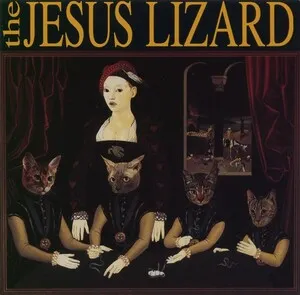
Liar
The Jesus Lizard
Pigfuck
Noise Rock
Alternative Rock
1991
1
/5
Goat
The Jesus Lizard
Pigfuck
Noise Rock
1990
1
/5
Head
The Jesus Lizard
Pigfuck
Similar artists
3
/5
Helmet
Alternative Metal
Groove Metal
Grunge
2
/5
Big Black
Noise Rock
Industrial Rock
Post-Hardcore
3
/5
Sonic Youth
Alternative Rock
Noise Rock
Post-Punk
3
/5
Unwound
Post-Hardcore
Noise Rock
Post-Rock
3
/5
Dinosaur Jr.
Alternative Rock
Slacker Rock
Noise Rock
2
/5
Unsane
Noise Rock
Post-Hardcore
Sludge Metal
2
/5
TODAY IS THE DAY
Mathcore
Sludge Metal
Pigfuck
3
/5
Butthole Surfers
Experimental Rock
Alternative Rock
Grunge Revival
3
/5
Fugazi
Post-Hardcore
Punk
Rock
3
/5
Melvins
Sludge Metal
Drone Metal
Grunge
Download our mobile app
Get the Melodigging app and start digging for new genres on the go
Download on the App Store
Get it on Google Play
© 2026 Melodigging
Give feedback
Legal
Melodding was created as a tribute to
Every Noise at Once
, which inspired us to help curious minds keep digging into music's ever-evolving genres.