Genres
Artists
Albums
Make Music
Sign in
Sign in
Artists
Alternative Metal
Artists
Alternative Metal
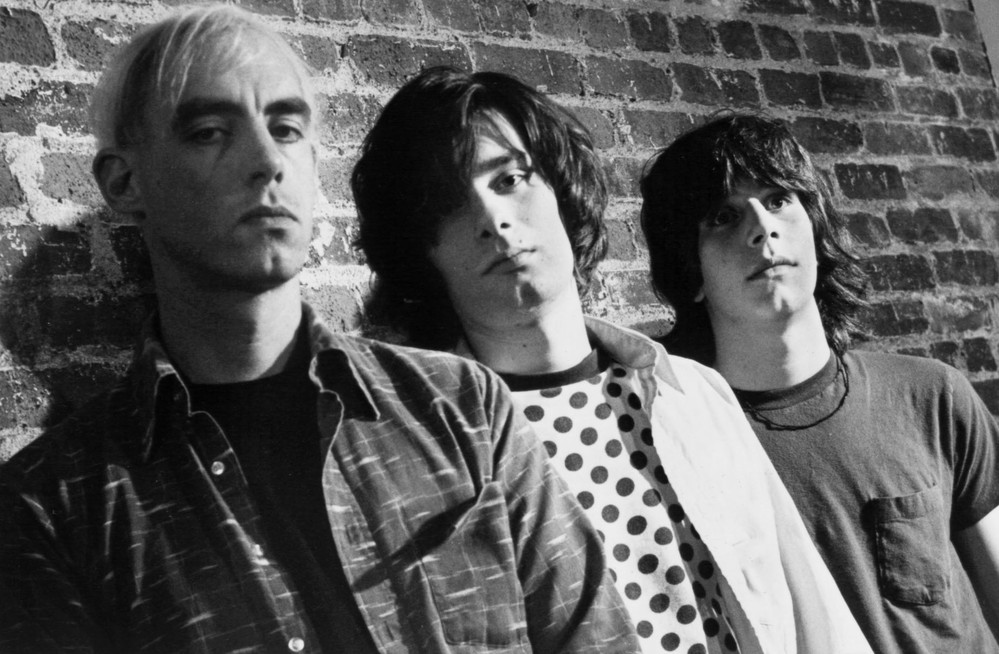
Helmet
1992
·
1 album
Listen
3
/5
Genres
Indie Shoegaze
Indie shoegaze is a modern fusion of indie rock songcraft with the texture-heavy aesthetics of classic shoegaze. It keeps the haze: washed-out guitars drenched in reverb and delay, breathy or buried vocals, and a strong emphasis on atmosphere. Unlike the denser, sometimes overwhelming walls of sound in late-’80s/early-’90s shoegaze, indie shoegaze tends to prize clearer hooks, jangly patterns, and compact song forms. The result is a gauzy, melodic sound that feels intimate and contemporary while still dreamily saturated.
Discover
Listen
Spacegrunge
Spacegrunge is a modern hybrid that fuses the serrated, riff‑driven power of 1990s grunge with the expansive ambience of space rock and the hazy textures of shoegaze. It typically features heavy, detuned guitars wrapped in delay, reverb, and chorus; muscular, driving basslines; and roomy, mid‑tempo drums that swing between soft‑loud dynamics and tidal crescendos. Vocals often sit slightly submerged in the mix, conveying themes of cosmic isolation, nostalgia, and interior reflection. While rooted in alt‑rock songcraft, spacegrunge widens the sonic field with drones, synth pads, and atmospheric interludes, creating a sense of lift‑off without abandoning the grit and immediacy of guitar music.
Discover
Listen
Soundclown
Soundclown is an internet-born remix and mashup style that thrives on comedic juxtaposition, bait‑and‑switch reveals, and hyper-referential sample collage. It blends pop hits, game and cartoon music, ad jingles, meme sounds, and viral speech into quick-cut audio gags. The genre developed across YouTube and SoundCloud, favoring shock humor, nostalgia, and absurdity over traditional song form. Hallmarks include sudden key/tempo whiplash, exaggerated pitch-shifts, ear‑rending “earrape” peaks, and punchline drops that transform a familiar source into something hilariously incongruent. Because it is fundamentally platform-native, soundclown is as much a memetic editing culture as a musical style. Its tracks often function like sonic shitposts: fast, punchy, and built for instant recognition and shareability.
Discover
Listen
Groove Metal
Groove metal is a heavy metal subgenre defined by mid‑tempo, syncopated, and riff‑centric songwriting that prioritizes head‑nodding "groove" over sheer speed. Guitars are typically down‑tuned and palm‑muted, locking tightly to a punchy, backbeat‑driven drum feel and muscular bass lines. Vocals are usually aggressive shouts or barks with occasional melodic or anthemic passages, while lead guitars favor pinched harmonics, blues‑tinged bends, and compact, percussive phrases rather than long neo‑classical runs. Production tends to be tight and weighty, emphasizing a thick, modern rhythm‑guitar tone and precise drum transients. Stylistically, groove metal grew out of late‑’80s thrash and hardcore but slowed and widened the rhythms, borrowing the feel of funk metal’s syncopation and, in some cases, southern rock’s swagger.
Discover
Listen
Post-Metal
Post-metal is a heavy, atmospheric offshoot of metal that blends the weight and distortion of sludge and doom with the expansive dynamics and textural focus of post-rock. Instead of traditional verse–chorus structures, it emphasizes long-form development, layering, and crescendos, often moving from sparse, ambient passages to overwhelming climaxes. Vocals (if present) are used more as another texture—ranging from harsh screams to distant, chant-like cleans—while guitars prioritize drones, pedal tones, and richly effected timbres over conventional riffs. The result is music that feels cinematic and immersive: slow-to-mid tempos, tectonic low-end, and wide dynamic arcs that convey bleakness, catharsis, and grandeur in equal measure.
Discover
Listen
Alternative Metal
Alternative metal blends the weight and riff-centric power of heavy metal with the experimentation, attitude, and sonic breadth of alternative rock. It favors downtuned guitars, groove-forward rhythm sections, dynamic shifts between quiet and loud passages, and a wide stylistic toolkit that can include funk syncopation, industrial textures, noise rock abrasion, and even hip-hop cadences. Vocals range from melodic crooning to aggressive shouts and screams; song forms often depart from standard verse–chorus structures in favor of unpredictable builds, angular bridges, and atmospheric interludes. Harmonically, it leans on modal colors (Aeolian, Dorian, Phrygian), dissonant intervals, and chromatic motion, while production choices highlight contrast—thick guitar layers set against open space, clean arpeggios against crushing walls of sound, and organic performances enhanced by creative effects.
Discover
Listen
Grunge
Grunge is a guitar-driven subgenre of alternative rock that emerged in the mid-to-late 1980s in Seattle, United States. It fuses the raw aggression and DIY ethos of punk with the weight and riff-centric power of hard rock and heavy metal. Characterized by thick, heavily distorted guitars, dynamic quiet–loud song structures, and a visceral, unpolished production aesthetic, grunge foregrounds themes of alienation, apathy, social disaffection, and personal struggle. Vocals often shift between subdued, introspective verses and cathartic, shouted or soaring choruses, while lyrics tend toward confessional and existential tones. Beyond sound, grunge represented a cultural stance: anti-gloss, anti-virtuosity, and anti-commercial posturing—even as it became a global commercial force in the early 1990s.
Discover
Listen
Noise Rock
Noise rock is a subgenre of rock that deliberately embraces distortion, feedback, dissonance, and abrasive textures as primary musical materials rather than mere effects. It prioritizes timbre, volume, and sonic density over conventional melody and harmony, often using nonstandard tunings, prepared or detuned guitars, and extended techniques to generate harsh overtones and sheets of sound. Rhythm sections tend to be driving and repetitive, anchoring the chaos with motorik pulses, lurching grooves, or pummeling, minimal patterns. Vocals range from spoken and murmured to shouted and cathartic, with lyrics that skew cryptic, confrontational, or surreal. Aesthetically, noise rock traces a line from punk’s anti-virtuosity and DIY ethos through no wave’s iconoclasm and the avant-garde’s interest in sound-as-sound, yielding music that can be physically intense, psychologically unsettling, and artistically exploratory.
Discover
Listen
Post-Hardcore
Post-hardcore is a branch of hardcore punk that retains the style’s urgency and DIY ethos while expanding its musical vocabulary. Bands push beyond breakneck tempos and simple power-chord progressions into more dynamic song structures, varied rhythms, and a wider emotional range. Guitars often alternate between caustic distortion and clean, chiming textures; vocals can shift from shouted slogans to melodic singing; and arrangements emphasize tension-and-release, odd meters, and dramatic builds. Lyrically, post-hardcore tends to be more introspective and socially conscious than its hardcore roots, touching on personal, political, and philosophical themes.
Discover
Listen
Pigfuck
Pigfuck is a caustic, noise-scraped strain of American underground rock that emerged in the mid‑1980s. It mashes the velocity and antagonism of punk with the abrasion of no wave and the mechanical thud of early industrial, often delivered with a blackly comic, misanthropic streak. Typical tracks lurch on repetitive, bass-forward riffs, blown-out guitar texture, and pummeling drum patterns (frequently tom-heavy or even drum-machine driven). Vocals are barked, sneered, or deadpan, while lyrics dwell on the grotesque, blue-collar absurdity, and the uglier corners of American life. Production is intentionally raw and dry—close-miked, low on reverb, and happy to leave in feedback, clipping, and unpleasant overtones.
Discover
Listen
Alternative Rock
Alternative rock is a broad umbrella for guitar-based rock that emerged from the independent and college-radio scenes as a counterpoint to mainstream, commercial rock. It blends the energy and ethos of punk with the textural and songwriting experiments of post-punk, new wave, jangle pop, and noise rock, often foregrounding introspective or socially aware lyrics. Across its many strains—from the melodic minimalism of college rock to the loud-quiet-loud dynamics of grunge and the artful experimentation of Radiohead-era modernism—alternative rock prioritizes authenticity, sonic individuality, and a do-it-yourself approach. Its sound ranges from chiming, chorus-laden clean guitars to abrasive distortion and feedback, supported by straightforward rock rhythms or off-kilter grooves, and production that can be either raw and live-sounding or polished yet unconventional.
Discover
Listen
Show all 11 genres
Albums
1992
2
/5
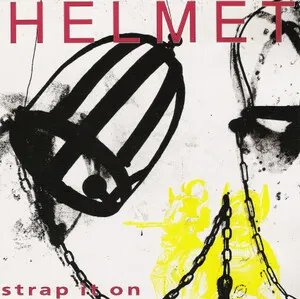
Strap It On
Helmet
Pigfuck
Similar artists
3
/5
Quicksand
Alternative Metal
Noise Rock
Post-Hardcore
2
/5
The Jesus Lizard
Noise Rock
Pigfuck
Grunge
2
/5
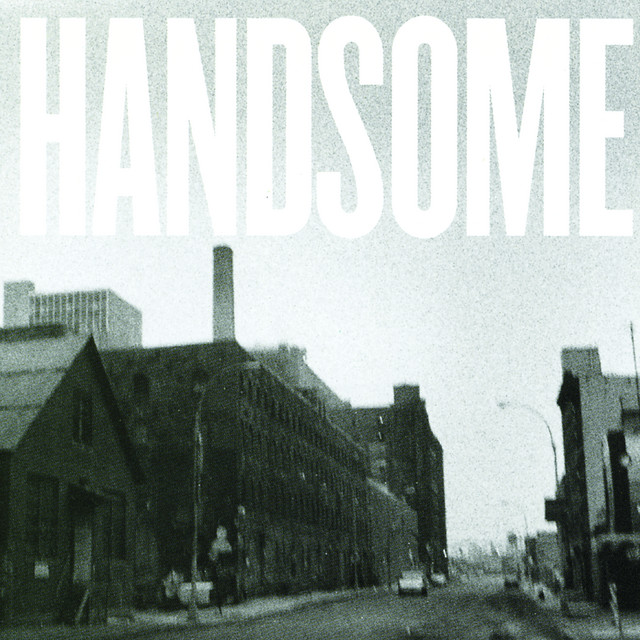
Handsome
Alternative Metal
Noise Rock
Post-Hardcore
3
/5
Wipers
Punk
Post-Punk
Punk Rock
1
/5
Various Artists
Afro-Funk
Alternative Rock
Ambient
5
/5
Slipknot
Alternative Metal
Nu Metal
Heavy Metal
5
/5
Bring Me The Horizon
Melodic Metalcore
Post-Hardcore
Screamo
4
/5
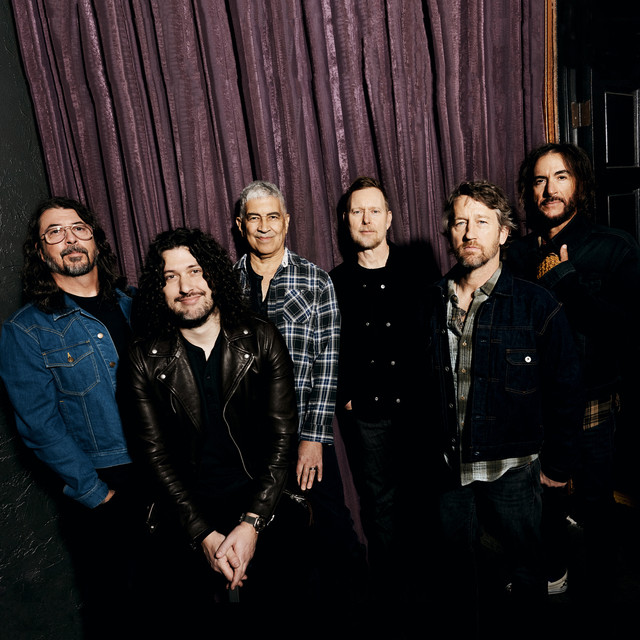
Foo Fighters
Alternative Rock
Grunge
Rock
4
/5
Pearl Jam
Alternative Rock
Grunge
Rock
4
/5
Alice In Chains
Grunge
Alternative Rock
Nu Metal
Download our mobile app
Get the Melodigging app and start digging for new genres on the go
Download on the App Store
Get it on Google Play
© 2026 Melodigging
Give feedback
Legal
Melodding was created as a tribute to
Every Noise at Once
, which inspired us to help curious minds keep digging into music's ever-evolving genres.