Genres
Artists
Albums
Make Music
Sign in
Sign in
Artists
Soul
Artists
Soul
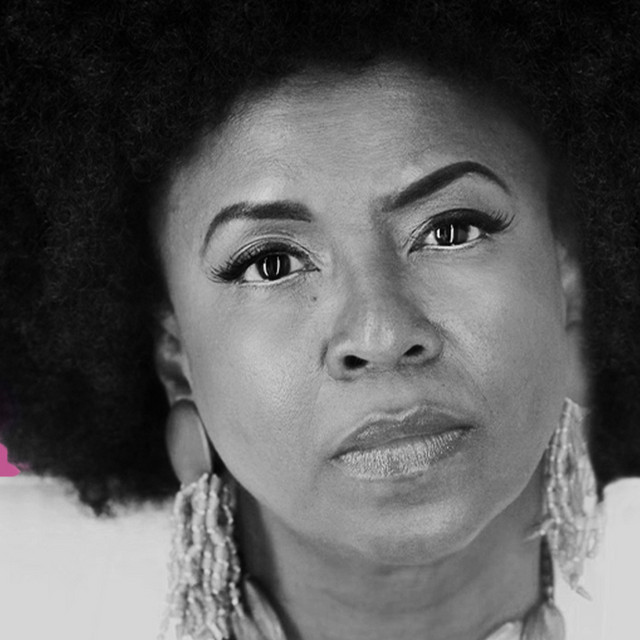
Betty Wright
2012
·
1 album
Listen
3
/5
Genres
Souldies
Souldies is a modern revival of classic lowrider “oldies” soul—slow, tender ballads rooted in 1960s and early-’70s sweet soul and doo‑wop aesthetics, reimagined by a new generation of largely Chicano/Latinx artists in Southern California. Characterized by warm, analog-leaning production, mellow backbeats, honeyed vocal harmonies, and heart‑on‑sleeve lyricism, the style favors mid‑slow tempos, tape‑like saturation, spring/plate reverb, and minimalist yet expressive arrangements. English and Spanish (or Spanglish) lyrics often explore love, longing, devotion, and cruising/lowrider culture. Souldies sits at the intersection of classic soul, rhythm & blues, northern soul selections, and Latin soul, offering a contemporary, community‑centered sound that feels both timeless and newly personal.
Discover
Listen
The Wave
The Wave is a loosely defined cluster of American post-hardcore/emo bands that surged in the early 2010s as emo-pop’s mainstream moment faded. The name was a tongue‑in‑cheek scene tag that stuck in press coverage, but it points to a real overlap in sound, ethos, and touring networks. Musically, The Wave fuses the urgency of 1990s post‑hardcore and screamo with confessional, literate lyric writing associated with emo. Expect shouted or half‑sung/half‑spoken vocals, dynamic quiet‑loud builds, intricate but driving drums, and guitar textures that shift between glassy clean arpeggios and overdriven, emotive climaxes. The songs often emphasize catharsis, narrative detail, and community-minded DIY presentation.
Discover
Listen
Synth Funk
Synth funk is a strand of funk and post‑disco that foregrounds electronic instruments—particularly analog and early digital synthesizers, drum machines, and effects—while retaining funk’s syncopated groove and R&B songcraft. Typically driven by LinnDrum or TR‑808 patterns, rubbery synth bass lines, clipped rhythm guitar, bright stabs, and talkbox/vocoder leads, synth funk balances dance‑floor propulsion with sleek, radio‑ready hooks. It often uses extended seventh and ninth chords, call‑and‑response vocals, and glossy production associated with the early to mid‑1980s. The style is closely linked to the Minneapolis sound and overlaps with boogie and post‑disco, but it is generally more synth‑forward and machine‑tight than 1970s band‑centered funk. Its influence echoes through new jack swing, G‑funk, and modern retro‑leaning pop and electronic forms.
Discover
Listen
Boogie
Boogie (often called boogie-funk or post-disco) is a mid‑tempo, synth-forward strain of R&B that emerged as disco’s luminous sheen gave way to sleeker, funkier production. It centers on rubbery basslines (often synth-bass), crisp handclaps and clattering drum-machine patterns, jazzy/modern-soul chord voicings, and hook-laden vocals that celebrate nightlife, romance, and empowerment. Typically sitting around 100–115 BPM, boogie blends the rhythmic insistence of funk with disco’s dancefloor sensibility, replacing full orchestras with analog synths, electric pianos, and early drum machines for a glossy yet warm sound.
Discover
Listen
Disco
Disco is a dance-music genre and nightlife subculture that crystallized in the United States during the 1970s, drawing especially from African-American, Italian-American, Latino, and queer club communities. Musically, disco is typified by a steady four-on-the-floor kick drum, syncopated and melodic electric-bass lines, lush string sections, bright brass and horns, electric pianos and synthesizers, and percussive, choppy rhythm guitars. Arrangements often feature orchestral colors, handclaps, congas, and vibraphone or bell textures, all engineered to deliver a continuous, groove-forward experience for the dance floor. The style combines the rich orchestration and romantic sweep of Philadelphia soul with the bottom-end drive of funk and the songcraft of contemporary R&B/pop, delivered in DJ-friendly extended mixes and 12-inch singles designed for club play.
Discover
Listen
Classic Soul
Classic soul is the 1960s–early 1970s strain of soul music that fused gospel's emotive vocals and church-derived harmony with the backbeat and instrumentation of rhythm & blues. It emphasizes powerful lead singing, call-and-response with background vocals, tight rhythm sections, and punchy horn arrangements. The sound ranges from uptempo, danceable singles to deeply expressive ballads in 12/8 time. Production is typically warm and analog, with live bands, tambourine and handclaps on the backbeat, and arrangements crafted for immediacy and drama. Lyrical themes center on love, heartbreak, perseverance, community, and, at times, social conscience.
Discover
Listen
Soul
Soul is a genre of popular music that blends the spiritual fervor and vocal techniques of African‑American gospel with the grooves and song forms of rhythm & blues and the harmonic palette of jazz and blues. It is defined by impassioned, melismatic lead vocals; call‑and‑response with backing singers; handclaps and a strong backbeat; syncopated bass lines; and memorable horn or string riffs. Typical instrumentation includes drum kit, electric bass, electric guitar, piano or Hammond organ, horns (trumpet, saxophone, trombone), and sometimes orchestral strings. Lyrically, soul ranges from love and heartbreak to pride, social commentary, and spiritual yearning. Regionally distinct scenes—such as Detroit’s Motown, Memphis/Stax, Muscle Shoals, Chicago, New Orleans, and Philadelphia—shaped different flavors of soul, while the style’s emotional directness and rhythmic drive made it a cornerstone of later funk, disco, contemporary R&B, and hip hop.
Discover
Listen
R&b
R&B (Rhythm and Blues) is a vocal- and groove-centered popular music tradition that blends blues tonality, jazz harmony, and gospel-inflected singing with a steady backbeat. It emphasizes expressive lead vocals, call-and-response, lush harmonies, and danceable rhythms. From its 1940s roots in African American communities to its later evolutions, R&B has continually absorbed and reshaped surrounding sounds—from jump blues and swing in the early days to soul, funk, hip hop, and electronic production in the contemporary era. Today, R&B ranges from intimate, slow-burning ballads to club-ready tracks, all tied together by a focus on feel, melody, and vocal performance.
Discover
Listen
Gospel
Gospel is a vocal-centered Christian genre whose lyrics explicitly express faith, salvation, hope, and communal testimony. Performances emphasize expressive lead vocals, choirs, call-and-response, and congregational participation, often supported by piano/organ, handclaps, and a rhythm section. While the modern form coalesced in the early 20th century through urban church music and the work of composer–leaders such as Thomas A. Dorsey, its roots trace back to earlier Christian hymnody and African American sacred traditions. Across cultures and denominations, gospel functions in worship, evangelism, community celebration, and—by the late 20th century—in commercial recordings and concerts. Stylistically, gospel spans traditional quartet and choir styles, “gospel blues,” and contemporary fusions with R&B, soul, pop, and hip hop. What unites these strands are dominant vocals, testimonial lyrics grounded in Scripture and lived experience, and a performance practice designed to move both spirit and body.
Discover
Listen
Show all 9 genres
Albums
2012
1
/5
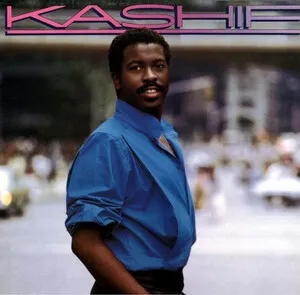
Kashif
Kashif
Boogie
Synth Funk
Soul
Similar artists
4
/5
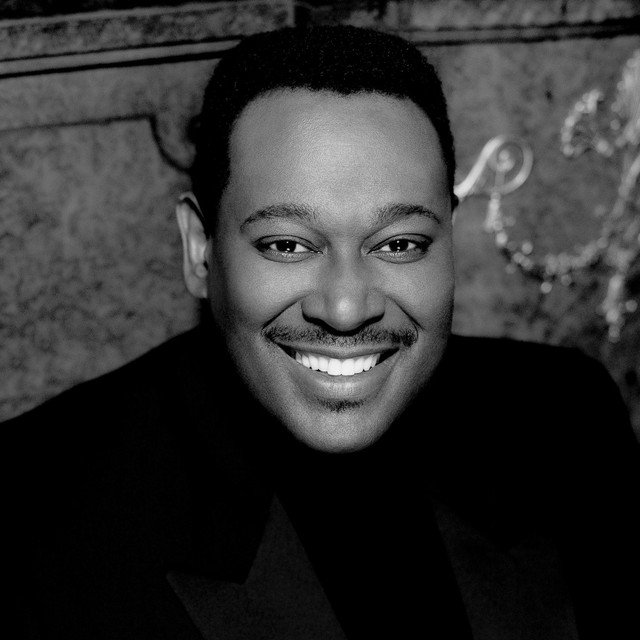
Luther Vandross
Classic Soul
Quiet Storm
Soul
1
/5
Various Artists
Afro-Funk
Alternative Rock
Ambient
4
/5
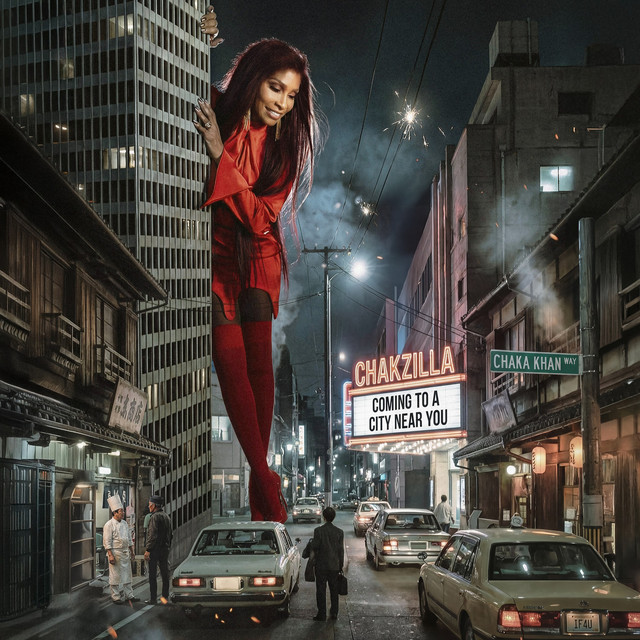
Chaka Khan
Disco
Soul
Chill Pop
4
/5
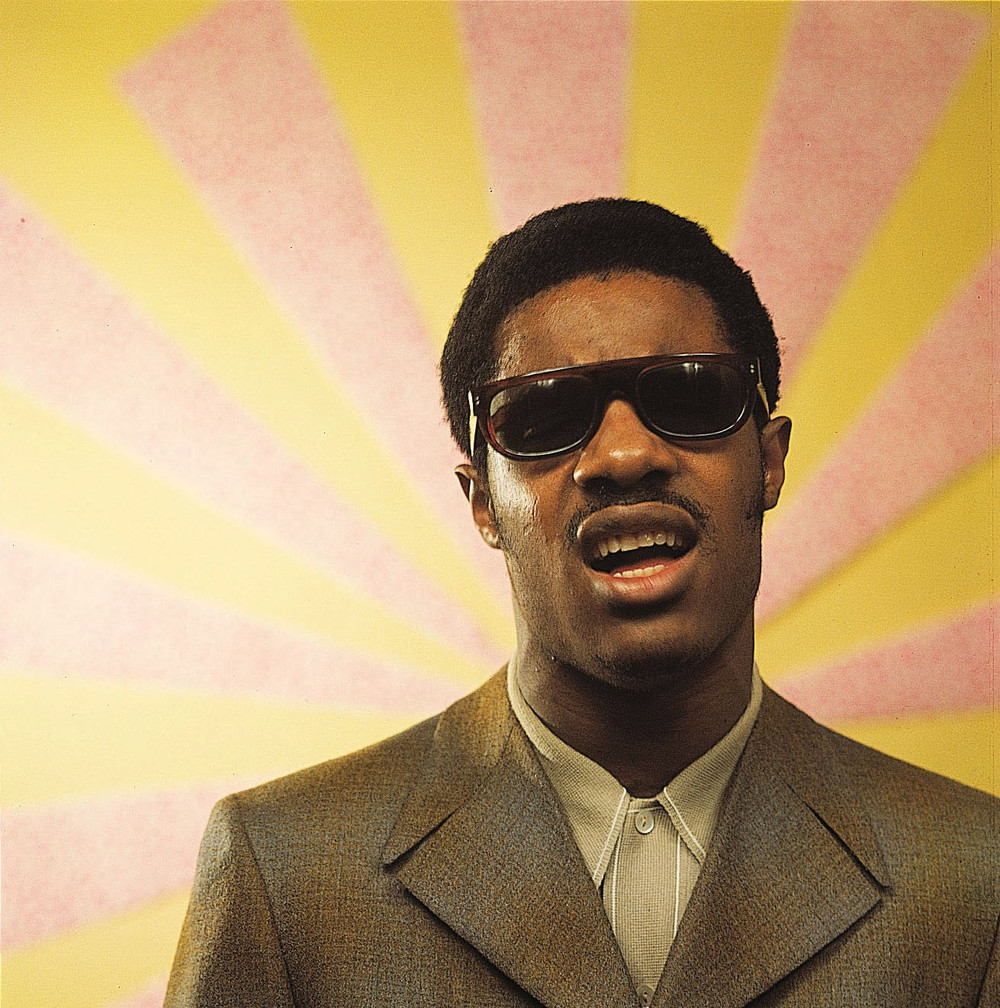
Stevie Wonder
Soul
Funk
Motown
4
/5
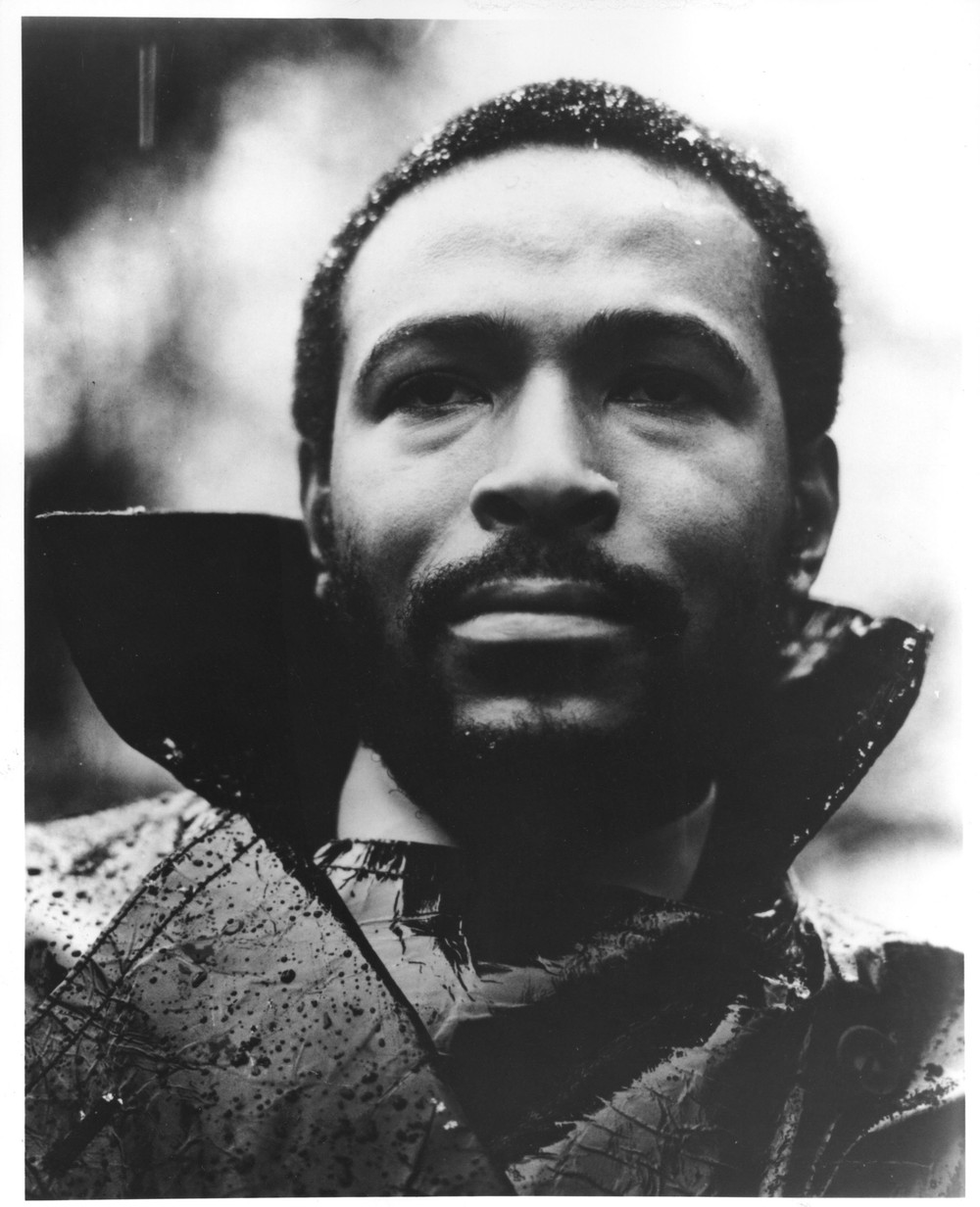
Marvin Gaye
Motown
Soul
Northern Soul
4
/5
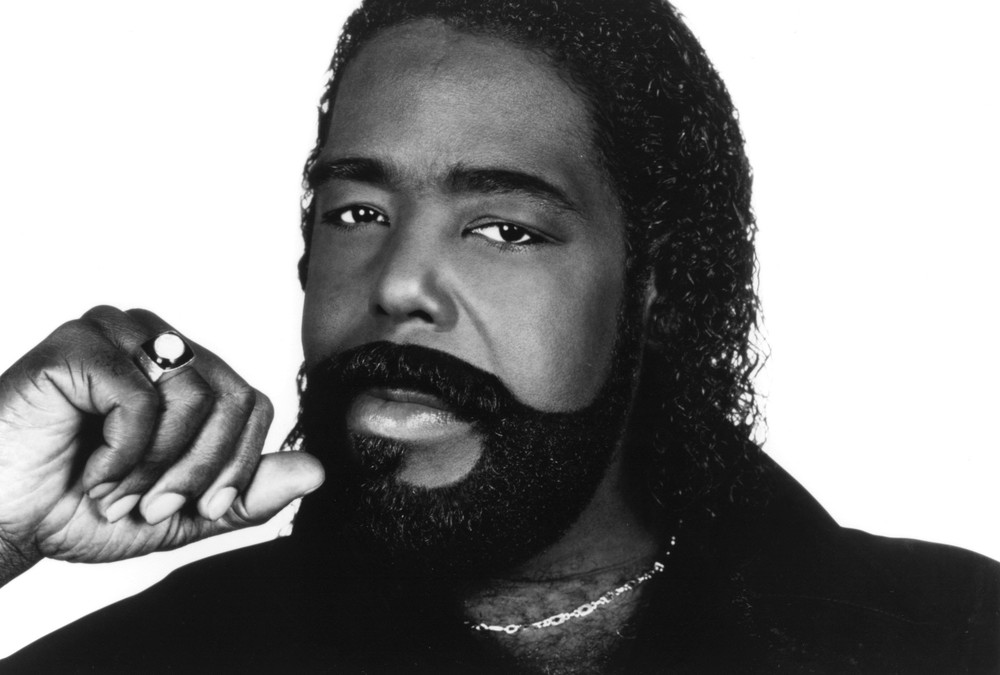
Barry White
Philly Soul
Disco
Soul
4
/5
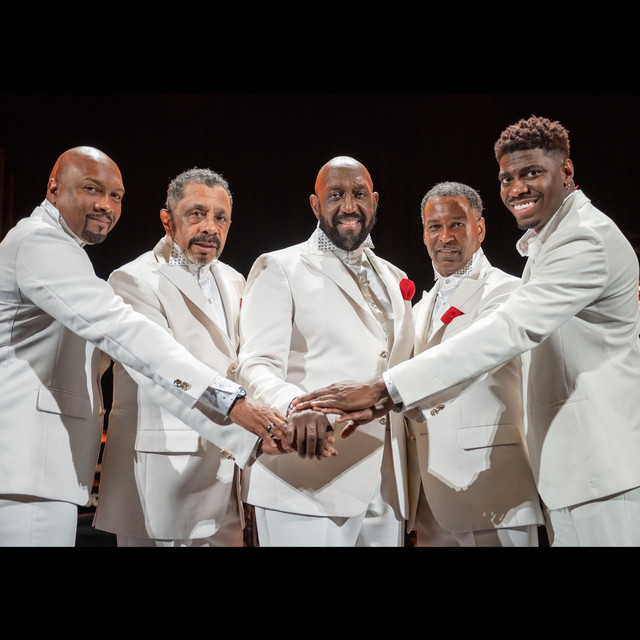
The Temptations
Motown
Soul
Psychedelic Soul
4
/5
The Isley Brothers
Soul
Funk
Motown
4
/5
The Supremes
Motown
Girl Group
Soul
4
/5
Teddy Pendergrass
Soul
Philly Soul
Pop
Download our mobile app
Get the Melodigging app and start digging for new genres on the go
Download on the App Store
Get it on Google Play
© 2026 Melodigging
Give feedback
Legal
Melodding was created as a tribute to
Every Noise at Once
, which inspired us to help curious minds keep digging into music's ever-evolving genres.