Genres
Artists
Albums
Make Music
Sign in
Sign in
Artists
Breakbeat
Artists
Breakbeat
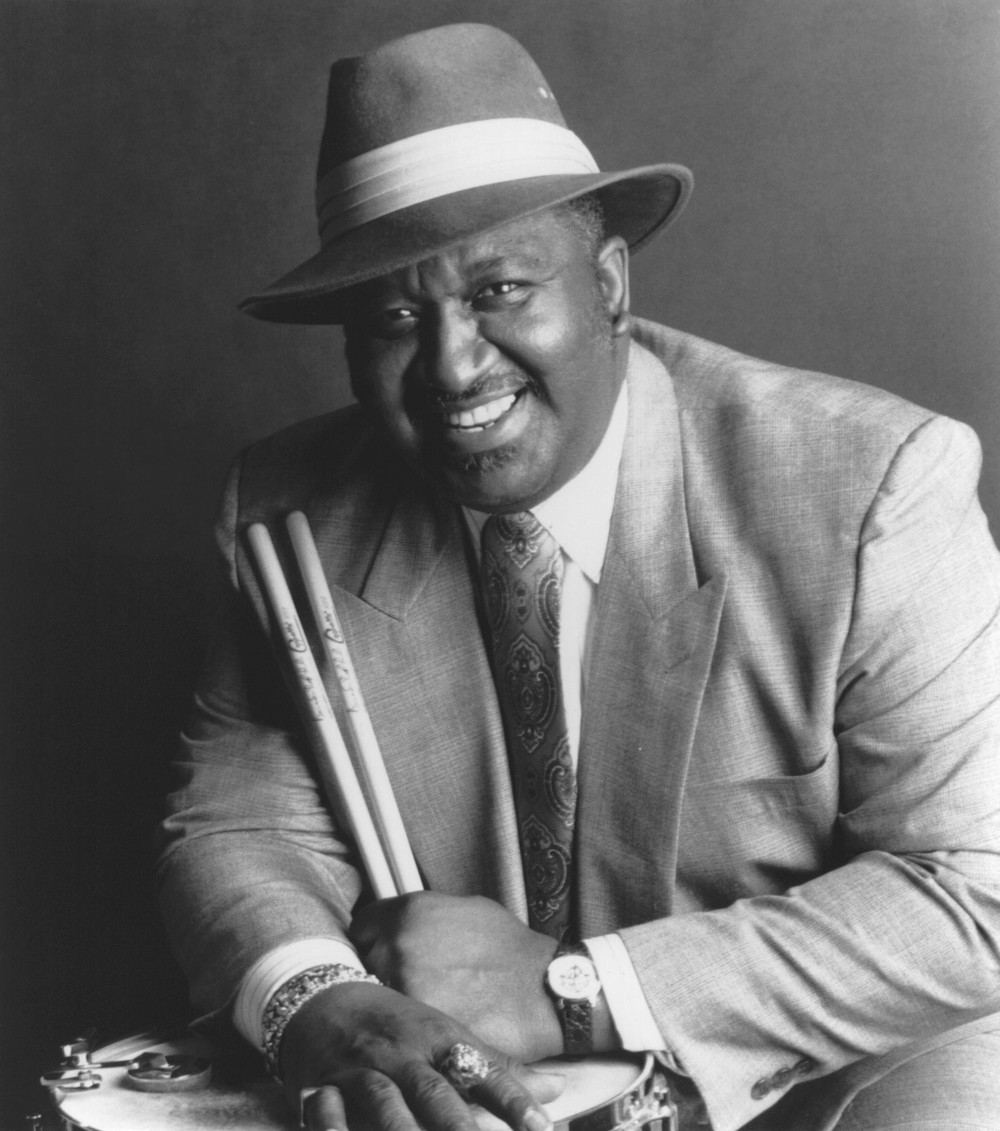
Bernard "Pretty" Purdie
2001
·
1 album
Listen
2
/5
Genres
Acid Jazz
Acid jazz is a groove-focused fusion that blends the rhythmic drive of 1970s funk and soul with jazz harmony, improvisation, and DJ culture. Emerging from the UK club scene in the late 1980s, it revived crate-dug "rare groove" aesthetics and reintroduced live instrumentation—Hammond organ, Rhodes, horns, and tight rhythm sections—into contemporary dance music. Stylistically, acid jazz favors mid-tempo, syncopated rhythms, vamp-based structures, extended chords, and concise solos, often paired with warm, analog-leaning production. It sits between dancefloor energy and lounge sophistication, bridging DJs, bands, and studio producers while maintaining a polished, urban, and feel-good mood.
Discover
Listen
Breakbeat
Breakbeat is a broad branch of electronic music defined by its use of broken, syncopated drum patterns ("breakbeats") rather than straight four-on-the-floor rhythms. Producers typically build tracks from looped and chopped drum breaks—often sampled from vintage funk, jazz, and R&B recordings—layered with basslines, synths, and effects. As both a production technique and a stylistic umbrella, breakbeat underpins and intersects with many scenes: from old‑school hip‑hop turntablism and electro to the UK rave continuum (breakbeat hardcore, big beat, Florida breaks) and onward to garage-derived styles. While not synonymous with jungle and drum & bass, the same culture of sampling and chopping classic breaks (e.g., the Amen break) helped inform those genres as well.
Discover
Listen
Jazz-Funk
Jazz-funk is a groove-forward hybrid of jazz improvisation and harmony with the rhythmic drive and backbeat of funk. It features syncopated basslines, crisp drum patterns, and tight horn or keyboard riffs, often organized around vamping two- or four-bar progressions rather than complex chord changes. The sound is defined by electric instruments—Fender Rhodes, Clavinet, analog and early digital synthesizers, electric bass, and wah-inflected guitar—alongside punchy horn sections and extended solos. Compared to traditional jazz, the harmonic language is leaner but still rich, emphasizing 9ths, 11ths, 13ths, and modal centers (especially Dorian). The music aims for deep, danceable pocket, slick production, and a soulful, urban feel.
Discover
Listen
Dub Poetry
Dub poetry is a form of performance poetry that merges spoken-word delivery with the bass-heavy, spacious rhythms of reggae and dub. Unlike Jamaican toasting (the DJ "talk-over" tradition), dub poets typically recite crafted, page-ready poems with deliberate meter, imagery, and rhetorical structure, performing them over live bands or pre-recorded "version" tracks sculpted with echo, delay, and reverb. The style is closely tied to Rastafarian consciousness and social commentary, addressing themes such as anti-racism, diaspora identity, working-class struggle, and state violence. Vocals are often delivered in Jamaican patois (or Caribbean English), with strong rhythmic phrasing that locks into one‑drop and steppers grooves while the mix engineer uses dub techniques to frame the voice in space.
Discover
Listen
Soul Jazz
Soul jazz is a groove-forward branch of jazz that blends the improvisational language of hard bop with the churchy harmonies of gospel and the backbeat of rhythm & blues. It favors memorable riffs, earthy tones, and a strong, danceable pulse over dense harmonic complexity. Typical settings include Hammond B-3 organ trios (organ, guitar, drums) or small combos with saxophone or trumpet. Tunes often use blues forms, minor-key vamps, and gospel cadences, featuring call-and-response figures, pentatonic and blues-scale lines, and a relaxed but insistent pocket. The overall aesthetic is warm, direct, and soulful—equally at home in jazz clubs, lounges, and on the radio.
Discover
Listen
Experimental
Experimental music is an umbrella term for practices that prioritize exploration, process, and discovery over adherence to established genre norms. It embraces new sound sources, nonstandard tuning systems, indeterminacy and chance operations, graphic and open-form scores, extended techniques, and technology-led sound design (tape, electronics, computers, and live processing). Rather than a single style, it is a methodology and ethos: testing hypotheses about sound, structure, and performance, often blurring boundaries between composition, improvisation, sound art, and performance art. Listeners can expect unfamiliar timbres, unusual forms, and an emphasis on how music is made as much as the resulting sound.
Discover
Listen
Spoken Word
Spoken word is a performance-centered genre where text—poems, monologues, stories, or manifestos—is delivered aloud with musicality in voice rather than through singing. It may be entirely a cappella or accompanied by sparse instrumentation (often jazz combos, ambient textures, or minimal electronics) that frames the cadence and rhetoric of the performer. The emphasis is on language: prosody, pacing, imagery, and argument. Pieces often explore personal narratives, social critique, and political themes, drawing on techniques such as internal rhyme, alliteration, and repetition. While recordings exist, the tradition is fundamentally live, prioritizing immediacy, audience engagement, and oratorical presence.
Discover
Listen
Jazz
Jazz is an improvisation-centered music tradition that emerged from African American communities in the early 20th century. It blends blues feeling, ragtime syncopation, European harmonic practice, and brass band instrumentation into a flexible, conversational art. Defining features include swing rhythm (a triplet-based pulse), call-and-response phrasing, blue notes, and extended harmonies built on 7ths, 9ths, 11ths, and 13ths. Jazz is as much a way of making music—spontaneous interaction, variation, and personal sound—as it is a set of forms and tunes. Across its history, jazz has continually hybridized, from New Orleans ensembles and big-band swing to bebop, cool and hard bop, modal and free jazz, fusion, and contemporary cross-genre experiments. Its influence permeates global popular and art music.
Discover
Listen
Non-Music
Non-music is an umbrella category for recorded audio whose primary purpose is not musical performance. It encompasses spoken word, speeches, interviews, poetry readings, comedy, audio documentaries, instructional recordings, field recordings, sound effects, and other forms of organized sound meant to inform, narrate, document, or entertain without relying on melody or conventional song structure. Rather than emphasizing harmony, rhythm, and instrumentation, non-music foregrounds voice, text, ambient sound, narrative flow, informational content, and sonic texture. Its aesthetics range from raw, unedited actuality to highly produced studio works, and its scope spans archival preservation, education, performance art, and mass entertainment.
Discover
Listen
Show all 9 genres
Albums
2001
1
/5
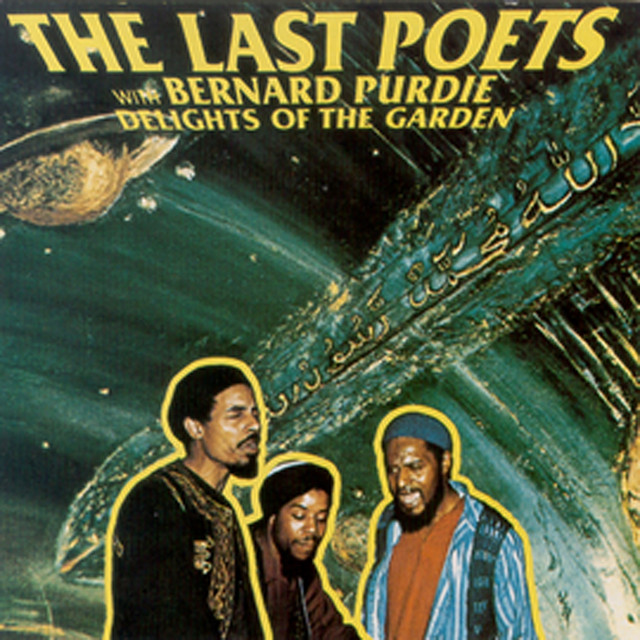
Delights of the Garden
The Last Poets
Dub Poetry
Experimental
Non-Music
Similar artists
1
/5
Various Artists
Afro-Funk
Alternative Rock
Ambient
3
/5
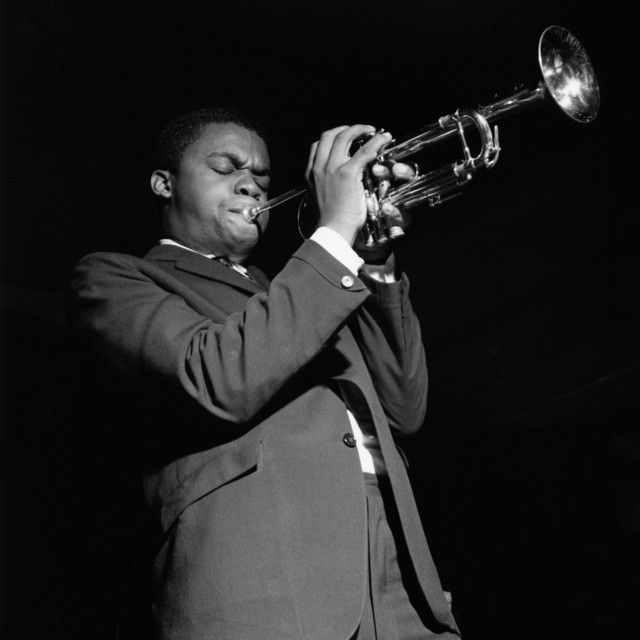
Freddie Hubbard
Jazz
Hard Bop
Jazz-Funk
4
/5
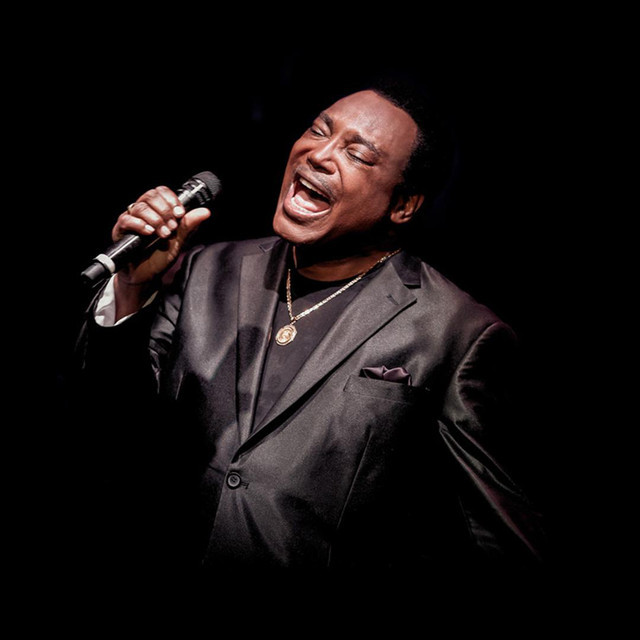
George Benson
Smooth Jazz
Soul Jazz
Jazz-Funk
3
/5
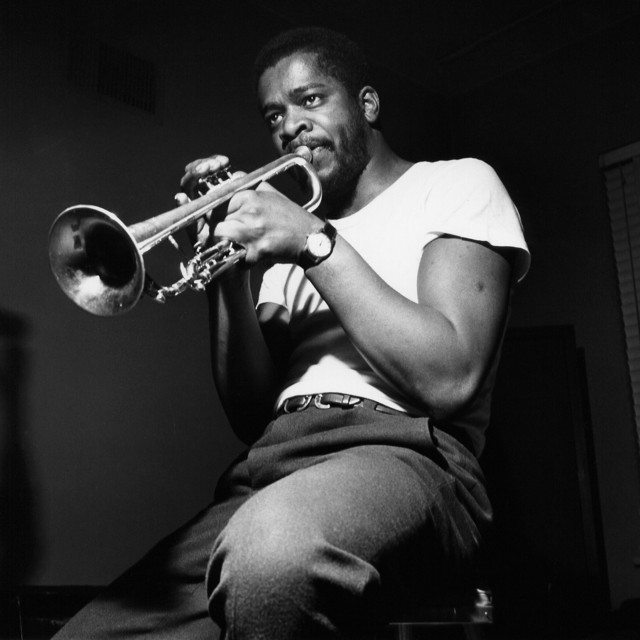
Donald Byrd
Jazz-Funk
Hard Bop
Soul Jazz
3
/5
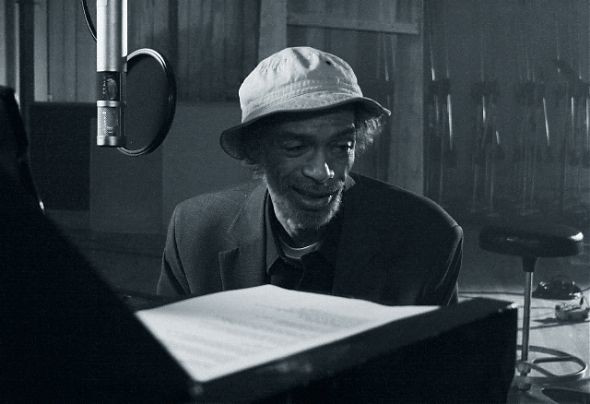
Gil Scott-Heron
Slam Poetry
Spoken Word
Jazz-Funk
3
/5
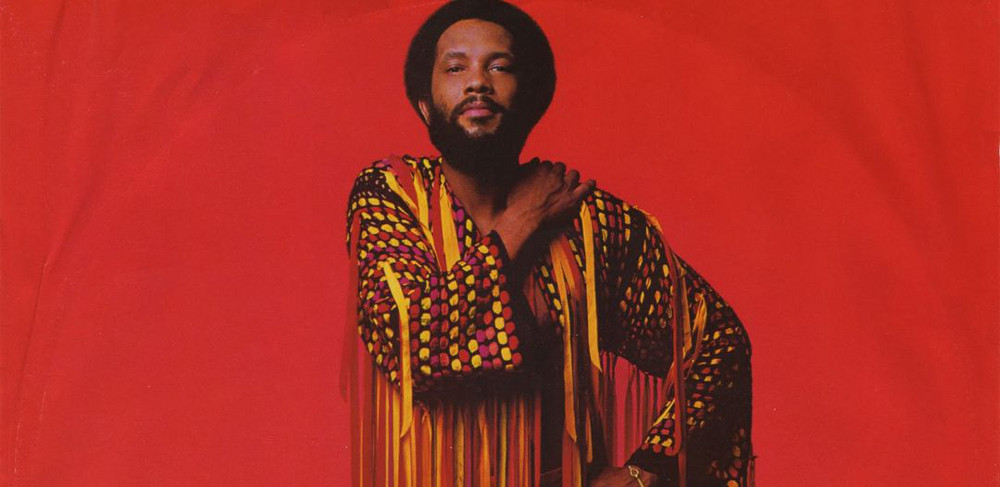
Roy Ayers
Acid Jazz
Funk
Jazz-Funk
3
/5
Lou Donaldson
Bebop
Cool Jazz
Hard Bop
3
/5
The Blackbyrds
Funk
Jazz-Funk
Shimmer Psych
3
/5
Grant Green
Soul Jazz
Jazz
Cool Jazz
3
/5
John Scofield
Jazz
Jazz Blues
Jazz Fusion
Download our mobile app
Get the Melodigging app and start digging for new genres on the go
Download on the App Store
Get it on Google Play
© 2026 Melodigging
Give feedback
Legal
Melodding was created as a tribute to
Every Noise at Once
, which inspired us to help curious minds keep digging into music's ever-evolving genres.