Genres
Artists
Albums
Make Music
Sign in
Sign in
Artists
Idol Game
Artists
Idol Game
Ave Mujica
Listen
3
/5
Genres
Idol Game
Idol game is a Japanese pop substyle built around songs written for idol-raising, rhythm, and simulation video games. The music is performed by voice actors (seiyū) as fictional idol units, and is designed to work both in-game (for note charts and event scenes) and on stage in "2.5D" concerts. Sonically it blends bright, hook-forward J‑Pop and anisong with modern EDM, rock band textures, and occasional denpa-tinged cuteness. Arrangements favor high energy, clean transients, big choruses, and often a last-chorus key change. Lyrics lean into themes of dreams, teamwork, perseverance (ganbatte), and fan–idol intimacy, while preserving each character’s persona. Because these projects are multimedia, the genre sits at the crossroads of game OST, pop idol music, and anime culture—releasing character singles, unit albums, and staging large live events where the seiyū perform in character.
Discover
Listen
Alternative Idol
Alternative idol (often shortened to alt-idol) is a Japanese offshoot of the idol scene that fuses conventional pop-idol vocal formats and choreography with underground and left-field music aesthetics. Instead of polished, uniformly cheerful arrangements, alternative idol projects lean into punk, post-punk, noise, metal, industrial, and experimental electronics, often embracing darker themes, abrasive timbres, and performance-art sensibilities. The result preserves the immediacy, hooks, and audience participation of idols while introducing unpredictable song structures, heavier guitars, club-ready drops, screams or harsh vocals, and conceptual imagery. Visually and lyrically, alt‑idol cultivates a self-aware, sometimes subversive response to mainstream idol culture—playing with vulnerability, catharsis, and satire—yet still prioritizing big choruses, chantable hooks, and high-energy live shows.
Discover
Listen
Gothic Metal
Gothic metal is a fusion of the heaviness and slow, atmospheric pull of doom metal with the dark romanticism and melodrama of gothic rock. It emphasizes minor-key harmony, thick guitar textures, and prominent keyboards or orchestral pads to create a brooding, cinematic mood. Vocals range from deep baritone croons and clean female sopranos to harsh growls—sometimes used together in the "beauty-and-the-beast" style. Lyrical themes often explore love and loss, mortality, melancholy, myth, and the supernatural, presented with a sense of theatricality. While centered in metal, the style borrows from dark wave’s somber synths and gothic rock’s atmosphere, leading to variations that lean toward doom, symphonic, or even alternative-leaning approaches.
Discover
Listen
Symphonic Metal
Symphonic metal fuses the power and riff-driven weight of heavy metal with the grandeur of orchestral music, choral writing, and operatic vocals. It often features full-scale symphonic arrangements—either via live orchestras and choirs or through sophisticated sampling—alongside distorted guitars, bass, and double-kick drumming. Hallmarks include cinematic songwriting, classical harmony (minor keys, modal colors, counterpoint), sweeping string ostinati, brass fanfares, and layered choirs. Vocal approaches range from operatic soprano leads to melodic rock vocals and occasional harsh growls. Lyrically, the genre leans toward myth, fantasy, history, philosophy, and romantic or existential themes, delivering an epic, theatrical atmosphere.
Discover
Listen
Metal
Metal (often used to mean heavy metal in its broad, umbrella sense) is a loud, guitar-driven style of rock defined by high-gain distortion, emphatic and often martial rhythms, and a dense, powerful low end. It foregrounds riff-based songwriting, dramatic dynamics, virtuosic guitar solos, and commanding vocals that range from melodic wails to aggressive snarls and growls. Harmonically, metal favors minor modes, modal color (Aeolian, Phrygian), chromaticism, and tritone-inflected tension, while thematically it explores power, mythology, the occult, social critique, fantasy, and existential subjects. While adjacent to hard rock, metal typically pushes amplification, distortion, precision, and thematic intensity further, forming a foundation for many specialized subgenres.
Discover
Listen
J-Rock
J-rock (Japanese rock) is the umbrella term for rock music created in Japan, spanning everything from classic rock, punk, and metal to alternative, indie, and progressive strains. It blends Western rock instrumentation and songcraft with Japanese melodic sensibilities, crisp production, and lyrics primarily in Japanese (often mixed with some English phrases). Typical features include hook-forward choruses, expressive guitar leads, tight rhythm sections, and dynamic arrangements that can pivot from delicate verses to big, anthemic refrains. Because of Japan’s media ecosystem, J-rock frequently intersects with anime, TV dramas, and video games, which helps bands reach mainstream audiences while retaining a band-centric, live-performance identity. Although stylistically diverse, J-rock commonly emphasizes memorable melodies, emotional catharsis, and precise musicianship, with influences ranging from British Invasion and classic rock to punk/new wave, progressive rock, and heavy metal.
Discover
Listen
Similar artists
2
/5
Ariabl'eyeS
Gothic Metal
Gothic Rock
J-Rock
4
/5
Nightwish
Fantasy Metal
Opera Metal
Power Metal
4
/5
Within Temptation
Gothic Symphonic Metal
Gothic Metal
Gothic Rock
3
/5
Epica
Opera Metal
Symphonic Metal
Gothic Metal
3
/5
Kamelot
Power Metal
Progressive Metal
Symphonic Metal
3
/5
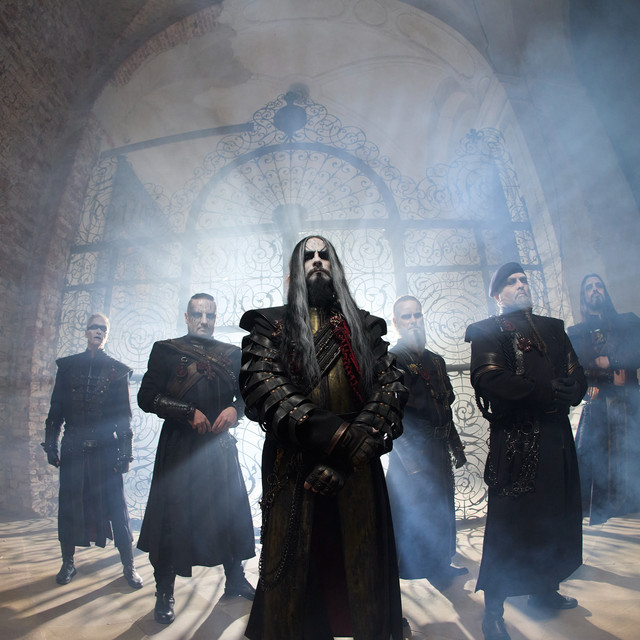
Dimmu Borgir
Symphonic Black Metal
Black Metal
Metal
3
/5
Lacuna Coil
Gothic Metal
Symphonic Rock
Gothic Rock
3
/5
Cradle Of Filth
Black Metal
Gothic Black Metal
Symphonic Black Metal
3
/5
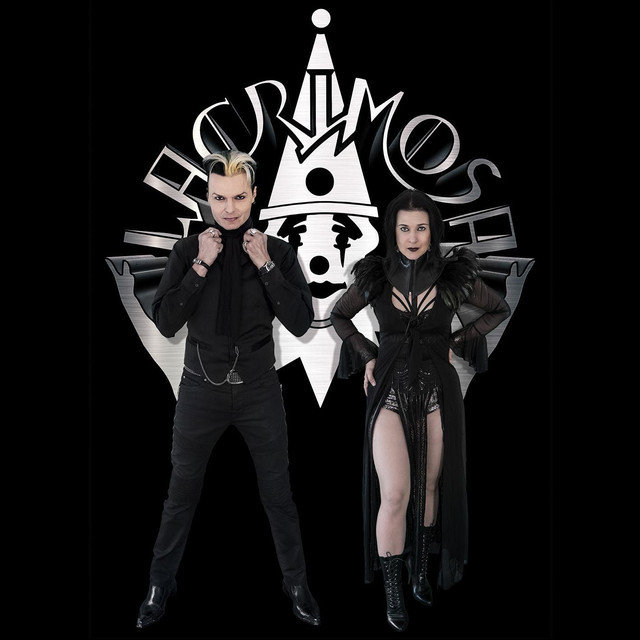
Lacrimosa
Neue Deutsche Todeskunst
Dark Wave
Gothic Metal
3
/5
Therion
Symphonic Metal
Doom Metal
Gothic Metal
Download our mobile app
Get the Melodigging app and start digging for new genres on the go
Download on the App Store
Get it on Google Play
© 2026 Melodigging
Give feedback
Legal
Melodding was created as a tribute to
Every Noise at Once
, which inspired us to help curious minds keep digging into music's ever-evolving genres.