Genres
Artists
Albums
Make Music
Sign in
Sign in
Artists
Afro Rock
Artists
Afro Rock
Assagai
2014
·
2 albums
Listen
1
/5
Genres
Souldies
Souldies is a modern revival of classic lowrider “oldies” soul—slow, tender ballads rooted in 1960s and early-’70s sweet soul and doo‑wop aesthetics, reimagined by a new generation of largely Chicano/Latinx artists in Southern California. Characterized by warm, analog-leaning production, mellow backbeats, honeyed vocal harmonies, and heart‑on‑sleeve lyricism, the style favors mid‑slow tempos, tape‑like saturation, spring/plate reverb, and minimalist yet expressive arrangements. English and Spanish (or Spanglish) lyrics often explore love, longing, devotion, and cruising/lowrider culture. Souldies sits at the intersection of classic soul, rhythm & blues, northern soul selections, and Latin soul, offering a contemporary, community‑centered sound that feels both timeless and newly personal.
Discover
Listen
Afro Rock
Afro rock is a fusion of African popular and traditional rhythms with the power, instrumentation, and song forms of rock music. It typically blends electric guitar riffs, bass-driven grooves, trap-set drumming, and horns with polyrhythms drawn from styles such as highlife, afrobeat, and juju. The result is a propulsive, dance-forward sound that can be earthy and communal yet also psychedelic and exploratory. Emerging at the turn of the 1970s, afro rock drew on the global spread of rock and funk while foregrounding African rhythmic cycles, call-and-response vocals, and percussion. It often features extended jams, bright horn lines, and chant-like hooks, sitting comfortably between concert-stage rock energy and down-home, party-starting social dance music.
Discover
Listen
Afrobeat
Afrobeat is a horn-driven, polyrhythmic, and politically charged style that emerged in Nigeria, spearheaded by bandleader Fela Kuti and drummer Tony Allen. It fuses West African highlife and juju with American funk, jazz, and soul to create extended, hypnotic grooves. Typical tracks revolve around interlocking guitar and keyboard ostinatos, elastic bass vamps, dense percussion (shekere, congas, agogô, cowbell), and tightly arranged horn riffs that punctuate the beat. Vocals often use call-and-response and socially conscious lyrics, delivered in English, Nigerian Pidgin, or Yoruba. Harmonically sparse but rhythmically intricate, Afrobeat prioritizes feel: long, evolving arrangements, richly syncopated drum patterns, and sectional dynamics that spotlight solos and collective interplay.
Discover
Listen
Afro-Funk
Afro-funk is a groove-driven fusion that marries the syncopated punch of American funk with West African rhythmic traditions such as highlife and jùjú. It features tightly interlocking rhythm sections, ostinato bass lines, bright horn riffs, call-and-response vocals, and guitar textures that often use wah-wah, palm-muted chanks, and cyclical vamps. While rooted in dance-floor energy, afro-funk retains a strong sense of locality—languages, proverbs, and social themes are woven into songs—making it both a party music and a vehicle for cultural expression. The sound flourished in the 1970s across West Africa, especially Nigeria, Ghana, and Benin, with some bands based in diasporic hubs like London, creating a pan-African, cosmopolitan take on funk.
Discover
Listen
Jazz-Funk
Jazz-funk is a groove-forward hybrid of jazz improvisation and harmony with the rhythmic drive and backbeat of funk. It features syncopated basslines, crisp drum patterns, and tight horn or keyboard riffs, often organized around vamping two- or four-bar progressions rather than complex chord changes. The sound is defined by electric instruments—Fender Rhodes, Clavinet, analog and early digital synthesizers, electric bass, and wah-inflected guitar—alongside punchy horn sections and extended solos. Compared to traditional jazz, the harmonic language is leaner but still rich, emphasizing 9ths, 11ths, 13ths, and modal centers (especially Dorian). The music aims for deep, danceable pocket, slick production, and a soulful, urban feel.
Discover
Listen
Psychedelic
Psychedelic is an umbrella term for music that seeks to evoke, emulate, or accompany altered states of consciousness through sound, arrangement, and studio technique. It emphasizes timbral color, drones, modal harmony, surreal or mystical lyrics, and immersive production, often using tape manipulation, extended effects, and non‑Western instruments (notably from Indian classical traditions). The result ranges from delicate, dreamlike textures to dense, kaleidoscopic soundscapes intended to expand perception and dissolve conventional song form.
Discover
Listen
Rock
Rock is a broad family of popular music centered on amplified instruments, a strong backbeat, and song forms that foreground riffs, choruses, and anthemic hooks. Emerging from mid‑20th‑century American styles like rhythm & blues, country, and gospel-inflected rock and roll, rock quickly expanded in scope—absorbing folk, blues, and psychedelic ideas—while shaping global youth culture. Core sonic markers include electric guitar (often overdriven), electric bass, drum kit emphasizing beats 2 and 4, and emotive lead vocals. Rock songs commonly use verse–chorus structures, blues-derived harmony, and memorable melodic motifs, ranging from intimate ballads to high‑energy, stadium‑sized performances.
Discover
Listen
Tropical
Tropical (often called música tropical) is a broad Latin American dance‑music umbrella that grew from Afro‑Caribbean styles and big‑band arrangements. It emphasizes lively, percussion‑driven grooves, syncopated horn lines, piano montunos, tumbao bass patterns, and call‑and‑response vocals. The feel ranges from elegant ballroom danzón and bolero to the high‑energy drive of mambo, cha‑cha‑chá, salsa, cumbia, and merengue. While repertoire and instrumentation vary by substyle and country, a shared rhythmic DNA—rooted in the clave and Afro‑diasporic percussion—unites Tropical music across the Caribbean and the Americas.
Discover
Listen
Jazz
Jazz is an improvisation-centered music tradition that emerged from African American communities in the early 20th century. It blends blues feeling, ragtime syncopation, European harmonic practice, and brass band instrumentation into a flexible, conversational art. Defining features include swing rhythm (a triplet-based pulse), call-and-response phrasing, blue notes, and extended harmonies built on 7ths, 9ths, 11ths, and 13ths. Jazz is as much a way of making music—spontaneous interaction, variation, and personal sound—as it is a set of forms and tunes. Across its history, jazz has continually hybridized, from New Orleans ensembles and big-band swing to bebop, cool and hard bop, modal and free jazz, fusion, and contemporary cross-genre experiments. Its influence permeates global popular and art music.
Discover
Listen
Show all 9 genres
Albums
2014
1
/5
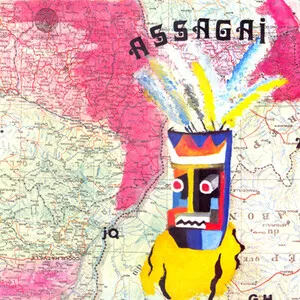
Assagai
Assagai
Afro Rock
Afro-Funk
Rock
2014
1
/5
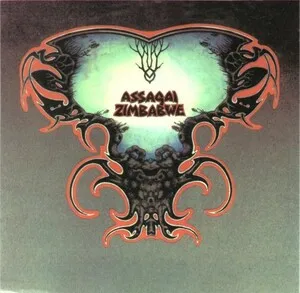
Zimbabwe
Assagai
Afro Rock
Jazz
Jazz-Funk
Similar artists
3
/5
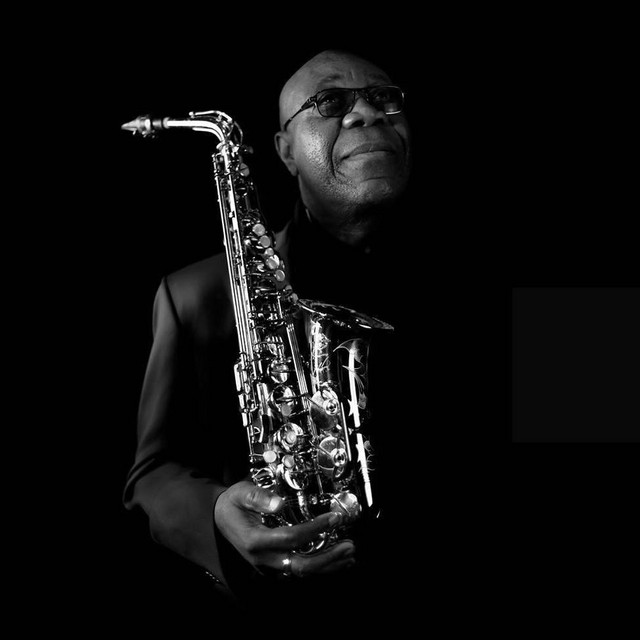
Manu Dibango
Makossa
Afrobeat
Jazz
2
/5
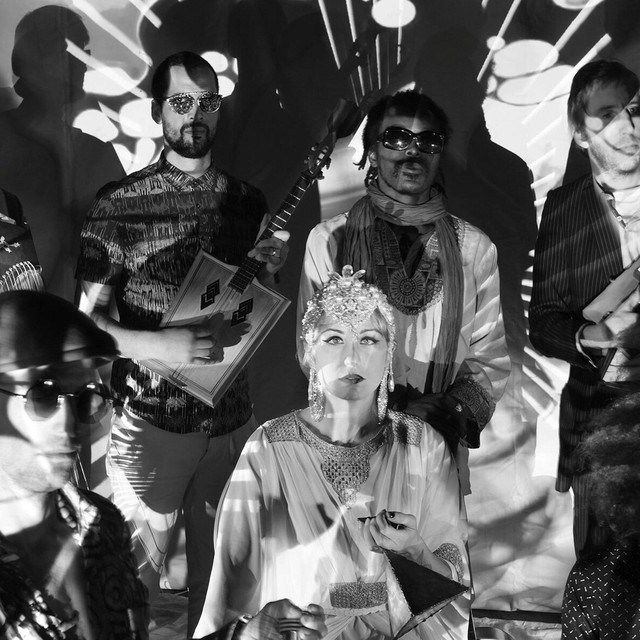
The Heliocentrics
Afrobeat
Ethio-Jazz
New London Jazz
2
/5
Babatunde Olatunji
Yoruba Music
Afrobeat
Afropop
1
/5
Various Artists
Afro-Funk
Alternative Rock
Ambient
1
/5
Jupiter & Okwess
Afro-Funk
Afrobeat
Afro Rock
3
/5
Fela Kuti
Afrobeat
African Music
Jazz
3
/5
The Souljazz Orchestra
Afrobeat
Jazz-Funk
Latin Afrobeat
2
/5
Akalé Wubé
Ethio-Jazz
Afrobeat
Ethiopic Music
1
/5
The Shaolin Afronauts
Ethio-Jazz
Afro Soul
Afrobeat
2
/5
Idris Ackamoor
Free Jazz
Afro-Jazz
Jazz
Download our mobile app
Get the Melodigging app and start digging for new genres on the go
Download on the App Store
Get it on Google Play
© 2026 Melodigging
Give feedback
Legal
Melodding was created as a tribute to
Every Noise at Once
, which inspired us to help curious minds keep digging into music's ever-evolving genres.