Genres
Artists
Albums
Make Music
Sign in
Sign in
Artists
Chill Pop
Artists
Chill Pop
AronChupa
Listen
4
/5
Genres
Epadunk
Epadunk (also called raggardunk) is a Swedish party‑centric microgenre that fuses high‑energy electronic dance templates with blunt, humorous and often risqué lyrics about rural cruising culture, alcohol and sex. Its name references EPA/A‑tractors—heavily modified slow‑moving cars driven by Swedish teens—that blast these tracks through oversized sound systems. Musically it draws on EDM and 1990s Eurodance hooks, sing‑along choruses and booming, car‑audio‑friendly low end. Culturally it sits inside the youth “EPA” scene and raggare tradition, where showing off vehicles and bass is part of the lifestyle. The sound crossed over nationally in 2022 when several epadunk acts dominated Sweden’s streaming charts.
Discover
Listen
Chill Pop
Chill pop is a contemporary pop micro‑genre that blends radio‑friendly songwriting with the mellow textures of chillout and lo‑fi aesthetics. It favors soft vocals, smooth synths, clean guitar plucks, understated bass, and relaxed, mid‑tempo grooves. Instead of big, bombastic hooks, chill pop tends toward intimate, conversational melodies and minimal, airy arrangements. Production often borrows from bedroom pop and alternative R&B—subtle trap hi‑hats, warm saturation, roomy reverbs, and gentle side‑chain compression—to create a breezy, pastel sound palette well suited to playlists and late‑night listening. Lyrically, chill pop is introspective and relatable: romance, longing, gentle optimism, and coming‑of‑age themes delivered in a plain‑spoken, whisper‑close tone. The result sits between indie pop’s understated cool and mainstream pop’s catchy structures, optimized for the streaming era’s mood‑driven consumption.
Discover
Listen
Deep Big Room
Deep big room is a hybrid branch of EDM that fuses the stadium-scale drops and arrangement of big‑room house with the warmer timbres, deeper basslines, and more groove‑led sensibilities of deep/progressive house. Instead of the piercing supersaw leads and maximalist claps typical of early‑2010s main‑stage tracks, deep big room favors chunky, sidechained low‑end, percussive toplines, filtered plucks, organ/piano stabs, and longer, moodier breakdowns. The result is music that still “hits” on large systems but reads less abrasive—more rolling, hypnotic, and groove‑centric—while retaining crowd‑moving build/drop architecture.
Discover
Listen
Bass Trap
Bass trap is a high-energy electronic dance music style that merges trap’s halftime hip-hop drum language with festival-scale sound design. It is defined by hard-hitting 808-style sub-bass, punchy snare/clap patterns, rapid hi-hat figures, and aggressive synth or bass “growls” borrowed from modern bass music. Tracks are typically built for big drops and crowd impact, using tension-heavy builds, sudden silences, and explosive low-end releases.
Discover
Listen
Big Room House
Big room house is a festival-focused strain of EDM built for massive sound systems and outdoor main stages. It typically runs around 126–132 BPM (most commonly 128), uses four-on-the-floor kick patterns, and features huge, simple lead riffs designed to be instantly memorable to large crowds. A defining trait is the contrast between cinematic, reverb-washed breakdowns and ultra-dry, percussive drops driven by a powerful kick, sub, and a few bold supersaw or horn-like synth stabs. Arrangements lean on dramatic builds with snare rolls, risers, and crowd-hyping vocal chops, culminating in drops that emphasize impact over harmonic complexity.
Discover
Listen
Briddim
Briddim is a hybrid strain of bass music that fuses the lurching, loop-driven minimalism of riddim with the high-impact, sound-design-forward aggression of brostep. It typically runs at 140–150 BPM in half-time, placing a punchy snare on beat three and driving the groove with syncopated bass stabs and call‑and‑response motifs. Compared to classic riddim, briddim foregrounds complex, highly modulated bass patches, sharp fills, and cinematic builds borrowed from brostep and tearout. The drops tend to be heavier and more varied than traditional riddim, yet remain more pattern‑centric and hypnotic than typical brostep, hence the “bridge” quality implied by the name.
Discover
Listen
Drikkelek
Drikkelek is a Scandinavian micro‑genre of high‑energy party music built around drinking games. The word itself means "drinking game" in Norwegian/Danish, and the tracks function as soundtracks that give simple, shouted instructions to a crowd (drink, swap seats, point people out, count‑downs) while riding big, festival‑style drops. Musically it blends Eurodance and big‑room/electro‑house sonics—four‑on‑the‑floor kicks, supersaw leads, risers and air‑horn FX—with ultra‑catchy chant hooks and easy rhymes. The tone is playful and rowdy; lyrics favor commands and call‑and‑response over storytelling so the party can follow along instantly. The result is music optimized for pre‑games, party buses/boats, student events and cabin trips across Norway (and neighboring Nordic scenes).
Discover
Listen
Progressive Electro House
Progressive electro house is a festival‑ready hybrid that marries the long, melodic builds and emotive chord progressions of progressive house with the gritty basslines, saw‑lead stabs, and syncopated drops of electro house. Tracks typically run around 126–130 BPM in 4/4, featuring wide supersaw stacks, side‑chained pads, and bright, anthemic toplines that crescendo into aggressive, electro‑flavored drops. The style thrived during the early 2010s EDM boom, with Dutch and Scandinavian producers pushing a sound designed for big‑room and main‑stage impact. Production aesthetics favor layered synth leads (Serum, Sylenth1, Massive), tight festival kicks, off‑beat open hats, sweeping risers, and snare‑roll builds, while arrangements spotlight tension‑and‑release between harmonic, euphoric breakdowns and powerful, synth‑driven drops.
Discover
Listen
Dakke Dak
Dakke Dak (also spelled Dakkedak) is a Danish electronic dance music subgenre and slang term that emerged as a distinct cultural phenomenon in the 2010s. Musically, it is a high-energy fusion of various hard dance styles, primarily drawing from Psytrance, Hardstyle, Melbourne Bounce, and Hands Up techno. The name is an onomatopoeia mimicking the rapid, pounding "dak-dak-dak" sound of the heavy basslines and kick drums characteristic of the genre. It is strongly associated with provincial Danish youth culture, "tramper" (stomping) dance styles, car audio culture, and parties in rural or suburban areas. The lyrics are almost exclusively in Danish, often humorous, hedonistic, and centered around drinking, partying, and local identity.
Discover
Listen
Edm
EDM (Electronic Dance Music) refers to the mainstream, festival-oriented wave of electronic dance styles that rose to global prominence in the early 2010s. It emphasizes high-energy drops, ear-catching toplines, and crowd-pleasing arrangements designed for large stages and mass audiences. Musically, EDM typically sits around 124–130 BPM with a strong four-on-the-floor kick, wide supersaw leads, bright plucks, and heavily sidechained pads and basses for a pumping feel. Tracks are structured around tension-and-release: intros and builds lead to explosive drops, followed by breakdowns that rebuild energy. Vocals and pop-style songwriting frequently appear, enabling crossover success on radio and streaming platforms.
Discover
Listen
Gaming Dubstep
Gaming dubstep is a high-energy offshoot of modern dubstep tailored for gameplay, esports highlights, and streaming content. It emphasizes explosive drops, cinematic builds, and hyper-detailed sound design that cuts through voice chat and game SFX. Typically centered around 140 BPM with a half-time groove, it blends brostep aggression, riddim simplicity, and melodic dubstep breakdowns. Producers favor bright, wide leads for anthemic choruses and gritty, midrange-focused bass timbres for drops. The result is music that feels epic and adrenalized, built to amplify on-screen action and montage pacing.
Discover
Listen
Electro Swing
Electro swing fuses the timbres and rhythms of 1920s–1940s swing and big band jazz with modern electronic dance production. Producers sample or recreate vintage horn sections, clarinets, crooner vocals, and walking bass lines, then place them over four‑on‑the‑floor house grooves, syncopated breakbeats, and punchy electronic bass. Typical tempos sit around 110–128 BPM, with swung/shuffle hi‑hats, call‑and‑response horn riffs, and jazz harmony (ii–V–I cadences, extended 7ths/9ths/13ths). Vocals range from retro scat and cabaret‑style singing to contemporary rap or chopped vocal hooks. The result is a playful, dance‑forward sound that feels both nostalgic and fresh: gramophone grit and brass flair meeting club‑ready drums, sidechain swells, and modern sound design.
Discover
Listen
Show all 12 genres
Similar artists
4
/5
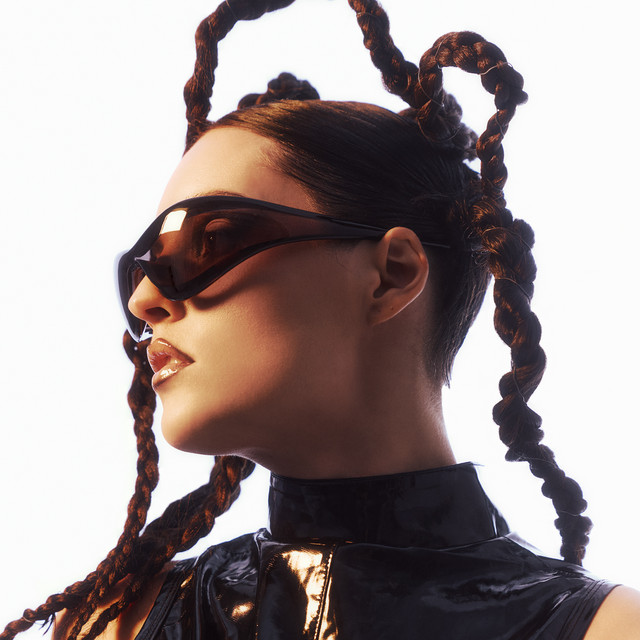
Little Sis Nora
Melbourne Bounce
Electro Swing
Chill Pop
5
/5
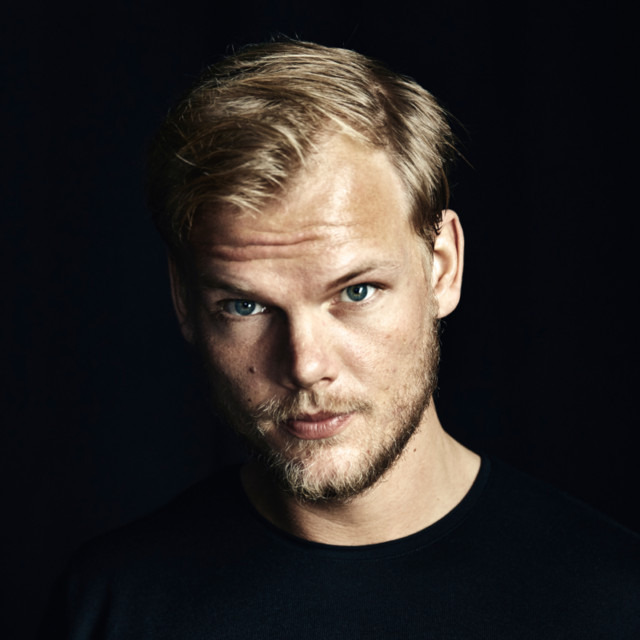
Avicii
Dance-Pop
Electronic
Tropical House
4
/5
AFROJACK
Dutch House
Electronic
Big Room House
4
/5
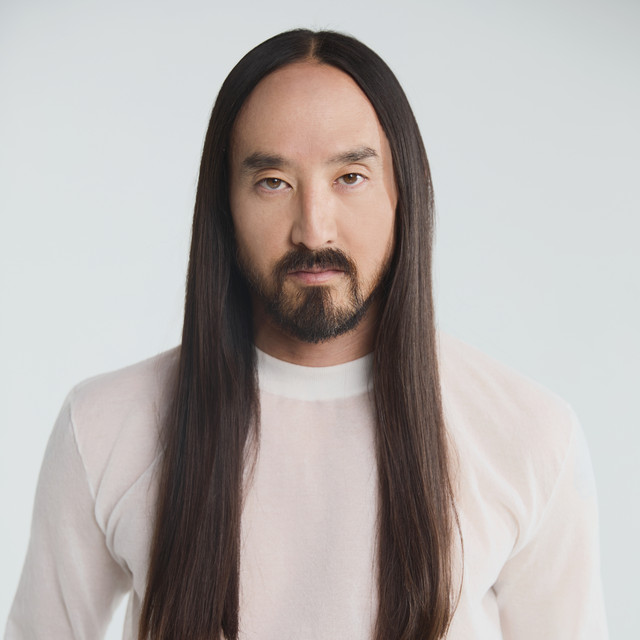
Steve Aoki
Electro House
Big Room House
Chill Pop
5
/5
Drake
Canadian Hip Hop
Hip Hop
Rap
5
/5
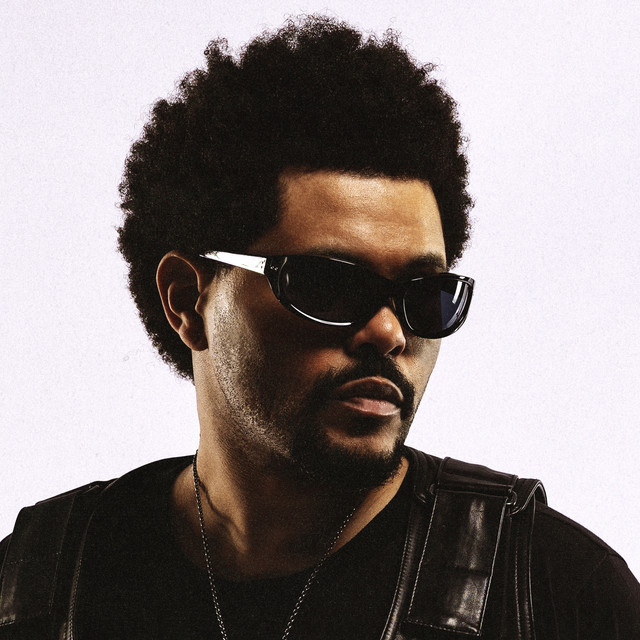
The Weeknd
Contemporary R&b
Alternative R&b
Pop
5
/5
Ariana Grande
Pop
Contemporary R&b
Trap Soul
5
/5
BTS
K-Pop
K-Pop Boy Group
Pop
5
/5
Rihanna
Barbadian Pop
Contemporary R&b
Electronic
5
/5
Justin Bieber
Pop
Contemporary R&b
Dance-Pop
Download our mobile app
Get the Melodigging app and start digging for new genres on the go
Download on the App Store
Get it on Google Play
© 2026 Melodigging
Give feedback
Legal
Melodding was created as a tribute to
Every Noise at Once
, which inspired us to help curious minds keep digging into music's ever-evolving genres.