Genres
Artists
Albums
Make Music
Sign in
Sign in
Artists
Musical
Artists
Musical
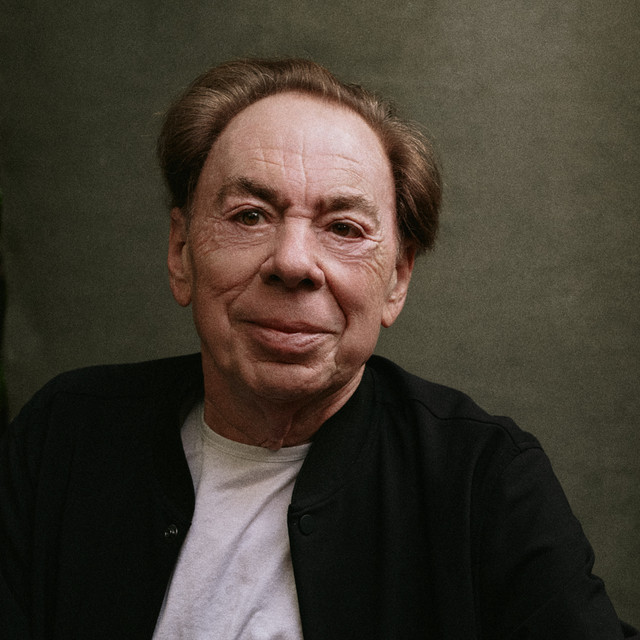
Andrew Lloyd Webber
1969–1976
·
4 albums
Listen
4
/5
Genres
Doble Paso
Doble paso is a high‑tempo reggaetón variant characterized by running the classic dembow groove at double speed, creating a frenetic, hard‑hitting feel aimed squarely at the dance floor. Compared with standard reggaetón drum patterns (typically around 90–100 BPM), doble paso accelerates the same rhythmic skeleton to roughly 120–140 BPM, often accompanying a club dance of the same name. Producers keep the core syncopation and low‑end punch of reggaetón while tightening hi‑hats, adding denser percussion fills, and favoring short, chant‑like hooks that match the breathless pace. The result is intense, perreo‑ready energy that bridges classic reggaetón, Dominican dembow’s urgency, and club‑forward editing trends.
Discover
Listen
Fake
“Fake” is an informal, streaming-era genre tag used for sound‑alike covers, karaoke takes, tribute recordings, and generic instrumental remakes that closely mimic current or classic hits. Rather than foregrounding the original songwriter’s concept, these recordings prioritize recognizability, search optimization, and fast turnaround. Session singers and studio players reproduce the hook, tempo, and arrangement with minimal reinterpretation; track and artist names often echo the original title or lyrical catchphrase to capture search traffic.
Discover
Listen
Lo Star
Lo star is a streaming-era umbrella tag used to group under-the-radar, low-profile artists who sit on the fringes of indie, alternative, DIY pop, and related scenes. Rather than denoting a single, tightly defined musical vocabulary, it marks a discovery space of self-produced or small-label projects with modest audiences, genre-fluid aesthetics, and a distinctly DIY approach to recording and release. Expect intimate vocals, inexpensive or home-studio production, hybrid acoustic/electronic textures, and songwriting that favors personal storytelling and immediacy over polish. Because it functions as a curatorial category for emerging or niche acts, the sonic palette spans indie rock and folk-pop to bedroom pop and lo-fi electronic, unified by scale, ethos, and distribution more than by strict musical rules.
Discover
Listen
Psychedelic Rock
Psychedelic rock is a style of rock music that seeks to evoke, simulate, and expand altered states of consciousness through sound. It typically features timbral experimentation (fuzz, wah, tape delay, phasing), drones, modal or raga-influenced harmony, extended improvisation, studio-as-instrument production, and surreal, mystical, or mind-expanding lyrics. Emerging from mid-1960s counterculture, it fused garage-band energy with folk, blues, and non-Western musical ideas—especially Indian classical ragas—while embracing new studio technologies and concert light shows. Both a live and a studio art, psychedelic rock ranges from jangly, kaleidoscopic pop to heavy, hypnotic jams and cosmic soundscapes.
Discover
Listen
Rock Musical
Rock musical is a stage musical whose primary musical language is rock and its closely related pop-rock idioms. It brings the instrumentation, vocal style, rhythmic drive, and production aesthetics of rock into musical theatre storytelling, typically with amplified bands, electric guitars, drum kit, and contemporary vocal belting. Narratively, rock musicals blend character-driven songs and scene-integrated numbers with hooks, anthemic choruses, and recurring motifs, addressing themes such as youth culture, counterculture, identity, politics, and social change. While some works are through-sung like rock opera, many rock musicals retain book-musical dialogue, combining theatre craft with the immediacy and energy of live rock performance.
Discover
Listen
Toytown Pop
Toytown pop (sometimes called "toytown psych") is a whimsical, childlike offshoot of late‑1960s British psychedelic pop. It mixes bright, sing‑song melodies and music‑hall bounce with storybook lyrics, sound effects, and colorful orchestration. Songs often feel like miniature cartoons or nursery rhymes brought to life, featuring harpsichord, Mellotron, woodwinds, brass, glockenspiel, toy pianos, and fairground organs. Harmonically it leans on diatonic, major‑key writing with quick key lifts and baroque‑pop touches, while production embraces psychedelic tricks such as tape varispeed, ADT, flanging, and collage‑style interludes. The overall effect is playful, nostalgic, and vividly cinematic—psychedelia viewed through a child’s kaleidoscope.
Discover
Listen
Pop
Pop is a broad, hook-driven style of popular music designed for wide appeal. It emphasizes memorable melodies, concise song structures, polished vocals, and production intended for radio, charts, and mass media. While pop continually absorbs elements from other styles, its core remains singable choruses, accessible harmonies, and rhythmic clarity. Typical forms include verse–pre-chorus–chorus, frequent use of bridges and middle-eights, and ear-catching intros and outros. Pop is not defined by a single instrumentation. It flexibly incorporates acoustic and electric instruments, drum machines, synthesizers, and increasingly digital production techniques, always in service of the song and the hook.
Discover
Listen
Rock
Rock is a broad family of popular music centered on amplified instruments, a strong backbeat, and song forms that foreground riffs, choruses, and anthemic hooks. Emerging from mid‑20th‑century American styles like rhythm & blues, country, and gospel-inflected rock and roll, rock quickly expanded in scope—absorbing folk, blues, and psychedelic ideas—while shaping global youth culture. Core sonic markers include electric guitar (often overdriven), electric bass, drum kit emphasizing beats 2 and 4, and emotive lead vocals. Rock songs commonly use verse–chorus structures, blues-derived harmony, and memorable melodic motifs, ranging from intimate ballads to high‑energy, stadium‑sized performances.
Discover
Listen
Musical
Musical (musical theatre) is a narrative stage form that integrates songs, spoken dialogue, acting, and dance to tell a story. Its core aim is dramatic storytelling in which music advances plot, deepens character, and shapes emotional arcs, often through recurring motives and reprises. Developed primarily on Broadway (New York) and later the West End (London), the genre blends operetta’s melodic lyricism, vaudeville’s variety entertainment, revue’s song-driven showcase, and Tin Pan Alley’s popular songcraft. Musicals range from intimate chamber pieces to large-scale "megamusicals," and from traditional book musicals to rock, hip‑hop, and concept-driven works. The musical’s songbook has fed the Great American Songbook and popular music at large, while the stage craft has influenced film, television, and concert performance.
Discover
Listen
Show Tunes
Show tunes are songs written for stage musicals and revues, designed to advance plot, reveal character, or provide memorable set‑piece moments. They favor strong, singable melodies, clear structures (often AABA 32‑bar or verse–chorus), witty and narrative lyrics, and orchestrations that support drama and choreography. While rooted in the Great American Songbook, show tunes draw on operetta, vaudeville, ragtime, jazz, and popular songcraft, and they are typically performed by stage voices (from legit to belt) with pit orchestras. Because many became popular standards beyond the theater, show tunes occupy a central place in American popular music and are frequently adapted for cabaret, big band, and vocal jazz.
Discover
Listen
Theme And Variations
Theme and variations is a classical musical form in which a clearly stated theme is followed by a sequence of self-contained variations that transform the theme’s melody, harmony, rhythm, texture, register, mode, meter, or orchestration. Although used across many eras, the form crystallized during the late Renaissance and Baroque periods through keyboard and lute traditions, then became a structural mainstay in the Classical and Romantic eras. In performance, the listener recognizes the original idea through its continuities—often the harmonic plan or characteristic contour—while enjoying the inventive contrasts that each variation brings.
Discover
Listen
Classical
Classical music is the notated art-music tradition of Europe and its global descendants, characterized by durable forms, carefully codified harmony and counterpoint, and a literate score-based practice. The term “classical” can refer broadly to the entire Western art-music lineage from the Medieval era to today, not just the Classical period (c. 1750s–1820s). It privileges long-form structures (such as symphonies, sonatas, concertos, masses, and operas), functional or modal harmony, thematic development, and timbral nuance across ensembles ranging from solo instruments to full orchestras and choirs. Across centuries, the style evolved from chant and modal polyphony to tonal harmony, and later to post-tonal idioms, while maintaining a shared emphasis on written notation, performance practice, and craft.
Discover
Listen
Show all 12 genres
Albums
1976
2
/5
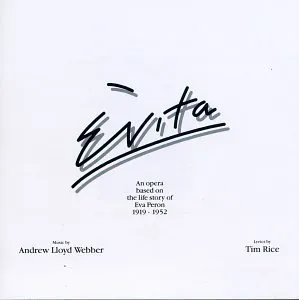
Evita [Original Concept Recording]
Andrew Lloyd Webber & Tim Rice
Show Tunes
1969
1
/5
Joseph and the Amazing Technicolor Dreamcoat
The Joseph Consortium
Toytown Pop
Show Tunes
Pop
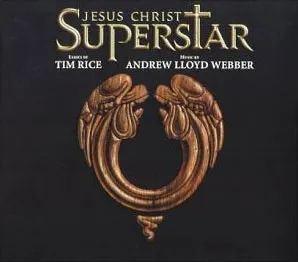
Jesus Christ Superstar: 1996 London Cast Recording
Andrew Lloyd Webber
Rock Musical
Variations
Andrew Lloyd Webber
Theme And Variations
Similar artists
3
/5
Tim Rice
Musical
Pop
Show Tunes
1
/5
Various Artists
Afro-Funk
Alternative Rock
Ambient
5
/5
Disney
Comedy
Show Tunes
Wrestling
4
/5
Lin-Manuel Miranda
Musical
Show Tunes
Hip Hop
4
/5
Ben Platt
Show Tunes
Musical
Ballad
4
/5
Sara Bareilles
Acoustic Pop
Ectofolk
Lilith
3
/5
Benny Andersson
Show Tunes
Soundtrack
Neo-Classical
3
/5
Björn Ulvaeus
Show Tunes
Soundtrack
Pop
5
/5
A.R. Rahman
Bollywood
Filmi
Sufi
5
/5
Elton John
Adult Contemporary
Ectofolk
Piano Rock
Download our mobile app
Get the Melodigging app and start digging for new genres on the go
Download on the App Store
Get it on Google Play
© 2026 Melodigging
Give feedback
Legal
Melodding was created as a tribute to
Every Noise at Once
, which inspired us to help curious minds keep digging into music's ever-evolving genres.