Genres
Artists
Albums
Make Music
Sign in
Sign in
Artists
Nova Musica Carioca
Artists
Nova Musica Carioca
Ana Frango Elétrico
2018–2023
·
9 albums
Listen
3
/5
Genres
Nova Musica Carioca
Nova Música Carioca (literally “new Carioca music”) is a 2010s wave from Rio de Janeiro that refreshes MPB and bossa/samba songcraft with indie-pop attitude, jazz-informed harmony, experimental textures, and 21st‑century production. Songwriters favor intimate vocals and narrative, often reflecting Rio’s coastal/urban imagery, social nuances, and everyday poetry. Arrangements mix nylon‑string guitars and percussion with synths, drum machines, tape/lo‑fi color, and studio-as-instrument techniques. Rhythms can pivot from a relaxed samba swing to funk‑carioca pulse or soft-rock grooves, while harmony stays lush—extended chords, chromatic color, and surprising modulations—anchoring the style in the MPB lineage even when it gets arty or electronic.
Discover
Listen
Nova Mpb
Nova MPB ("new Música Popular Brasileira") is a contemporary wave of Brazilian popular music that renews the classic MPB ethos with indie, electronic, neo‑soul, and modern pop production. Artists in this scene preserve the melodic richness, poetic lyricism, and rhythmic DNA of bossa nova and samba while embracing lo‑fi textures, synth pads, and intimate, close‑mic vocals. Compared to classic MPB, nova MPB tends to be more minimalist and bedroom‑studio friendly, favoring warm, analog‑leaning timbres and restrained grooves. Lyrics often blend romantic and introspective themes with snapshots of urban life, identity, and the everyday, delivered in Portuguese with a natural, conversational flow.
Discover
Listen
Utopian Virtual
Utopian virtual is an online-born microgenre that recreates the glossy optimism of late‑20th‑century futurism and corporate media. Instead of relying on chopped samples like much vaporwave, producers write original cues that sound like in‑house ‘90s corporate BGM, software demos, tech‑expo reels, and promotional VHS soundtracks. The palette leans deliberately "tacky": General MIDI and ROMpler presets, glassy digital bells, airy synth brass, smooth-jazz pads, and bright slap or fretless bass. The result is a clean, hyper-synthetic sheen that suggests a frictionless corporate future—equal parts sincere nostalgia and gently uncanny pastiche.
Discover
Listen
Musica Triste Brasileira
Música triste brasileira (Brazilian sad music) is a contemporary, streaming-native umbrella for mellow, downcast Brazilian pop, indie, and rap made to soundtrack heartbreak, solitude, and late‑night introspection. It blends intimate Portuguese‑language songwriting with lo‑fi textures, slow or mid‑tempo trap grooves, and MPB‑style bittersweet harmonies. While it borrows the global aesthetics of bedroom pop and emo‑rap, the genre’s core feeling is distinctly Brazilian: a modern, internet‑age rearticulation of saudade. Acoustic guitars and soft keys often share space with 808s and hazy synth pads; vocals are close‑mic’d, confessional, and drenched in reverb, with melodies that linger on minor/added‑color chords.
Discover
Listen
Chamber Pop
Chamber pop is a style of pop that integrates small-ensemble, orchestral colors—strings, woodwinds, brass, harp, and occasionally harpsichord—into intimate, melodically driven songwriting. It favors sophisticated harmony, counterpoint, and meticulous arrangements over rock bombast, drawing on the poise of classical chamber music and the tunefulness of classic pop. The result is lush yet restrained: gentle dynamics, carefully layered timbres, and literate, often reflective lyrics that foreground storytelling and mood.
Discover
Listen
Indie Pop
Indie pop is a melodic, DIY-rooted branch of alternative music that blends the immediacy of pop songwriting with the independence and aesthetics of underground scenes. It typically features jangly, clean-toned guitars, tuneful bass lines, compact song structures, and intimate, literate lyrics that balance sweetness with subtle melancholy. The sound often leans toward bright chord progressions, earworm choruses, and understated production, favoring charm and personality over gloss. Culturally, indie pop is tied to small labels, fanzines, and community radio, with influential scenes and imprints such as Postcard, Sarah, and Creation laying the groundwork for its global diffusion.
Discover
Listen
Sophisti-Pop
Sophisti-pop is a sleek, jazz-tinged strain of 1980s pop distinguished by refined songwriting, urbane imagery, and studio polish. It blends new wave and synth-pop’s contemporary sheen with the harmonic language of jazz and the warmth of soul and blue‑eyed soul. Typical hallmarks include lush electric pianos and synths, tasteful saxophone and horn parts, clean DI bass, crisp yet understated drums, and smooth, intimate vocals. Harmonically, it favors extended chords (maj7, 9ths, 11ths), chromatic voice-leading, and sophisticated modulations, while maintaining strong hooks and radio-friendly song forms. Lyrically, sophisti-pop often evokes cosmopolitan life—nighttime cityscapes, romance, bittersweet reflection—delivered with elegance rather than excess. The result is music that feels chic, romantic, and effortlessly cool.
Discover
Listen
Boogie
Boogie (often called boogie-funk or post-disco) is a mid‑tempo, synth-forward strain of R&B that emerged as disco’s luminous sheen gave way to sleeker, funkier production. It centers on rubbery basslines (often synth-bass), crisp handclaps and clattering drum-machine patterns, jazzy/modern-soul chord voicings, and hook-laden vocals that celebrate nightlife, romance, and empowerment. Typically sitting around 100–115 BPM, boogie blends the rhythmic insistence of funk with disco’s dancefloor sensibility, replacing full orchestras with analog synths, electric pianos, and early drum machines for a glossy yet warm sound.
Discover
Listen
Mpb
MPB (Música Popular Brasileira) is a broad Brazilian popular music movement that crystallized in the mid-1960s after bossa nova. It blends samba and other regional rhythms with jazz harmony, singer‑songwriter craft, and elements of contemporary pop and rock. The style is marked by sophisticated melodies, extended harmonies, inventive arrangements, and lyrically rich songs that often use poetry and metaphor. Many classic MPB works balance intimacy (voice and violão/nylon‑string guitar) with lush studio orchestration, drawing from samba‑canção, choro, baião, and frevo while engaging modern influences. Historically, MPB provided a platform for social commentary during Brazil’s military dictatorship, with artists employing allegory to navigate censorship. It remains a living tradition that continually renews itself through new generations (“nova MPB”).
Discover
Listen
Funk
Funk is a rhythm-forward African American popular music style that centers on groove, syncopation, and interlocking parts. Rather than emphasizing complex chord progressions, funk builds tight, repetitive vamps that highlight the rhythm section and create an irresistible dance feel. The genre is marked by syncopated drum patterns, melodic yet percussive bass lines, choppy guitar "chanks," punchy horn stabs, call‑and‑response vocals, and a strong backbeat. Funk’s stripped-down harmony, prominent use of the one (accenting the downbeat), and polyrhythmic layering draw deeply from soul, rhythm and blues, jazz, gospel, and African rhythmic traditions. From James Brown’s late-1960s innovations through the expansive P-Funk universe and the slicker sounds of the 1970s and 1980s, funk has continually evolved while seeding countless other genres, from disco and hip hop to house and modern R&B.
Discover
Listen
Jazz Pop
Jazz pop blends the melodic immediacy and song structures of pop with the harmonic richness, phrasing, and instrumentation of jazz. Typical arrangements feature piano or guitar-led rhythm sections, upright or electric bass, light drum kits (often with brushes), and tasteful horns or strings. Harmonically it favors extended chords (maj7, 9ths, 13ths), ii–V–I cadences, and sophisticated substitutions, while rhythms range from gentle swing and bossa nova to straight pop backbeats. Vocals usually emphasize warm timbres, nuanced crooning, and elastic, behind-the-beat phrasing. The result is urbane, approachable music that keeps pop’s hooks and forms while carrying jazz’s color and elegance, making it a perennial crossover sound for radio, lounges, and contemporary singer‑songwriters.
Discover
Listen
Bossa Nova
Bossa nova is a Brazilian popular music style that emerged in Rio de Janeiro in the late 1950s, blending samba’s syncopated pulse with the harmonic sophistication and understated cool of jazz. It is characterized by intimate, almost whispered vocals; a nylon‑string guitar playing the distinctive batida (a gently syncopated, two-beat accompaniment); subtle, brushed percussion; and lush, extended jazz harmonies. The mood is relaxed, refined, and full of saudade—a bittersweet sense of longing—often evoking images of Rio’s beaches, nightclubs, and urban modernity.
Discover
Listen
Pop
Pop is a broad, hook-driven style of popular music designed for wide appeal. It emphasizes memorable melodies, concise song structures, polished vocals, and production intended for radio, charts, and mass media. While pop continually absorbs elements from other styles, its core remains singable choruses, accessible harmonies, and rhythmic clarity. Typical forms include verse–pre-chorus–chorus, frequent use of bridges and middle-eights, and ear-catching intros and outros. Pop is not defined by a single instrumentation. It flexibly incorporates acoustic and electric instruments, drum machines, synthesizers, and increasingly digital production techniques, always in service of the song and the hook.
Discover
Listen
Jazz
Jazz is an improvisation-centered music tradition that emerged from African American communities in the early 20th century. It blends blues feeling, ragtime syncopation, European harmonic practice, and brass band instrumentation into a flexible, conversational art. Defining features include swing rhythm (a triplet-based pulse), call-and-response phrasing, blue notes, and extended harmonies built on 7ths, 9ths, 11ths, and 13ths. Jazz is as much a way of making music—spontaneous interaction, variation, and personal sound—as it is a set of forms and tunes. Across its history, jazz has continually hybridized, from New Orleans ensembles and big-band swing to bebop, cool and hard bop, modal and free jazz, fusion, and contemporary cross-genre experiments. Its influence permeates global popular and art music.
Discover
Listen
Show all 14 genres
Albums
2023
1
/5
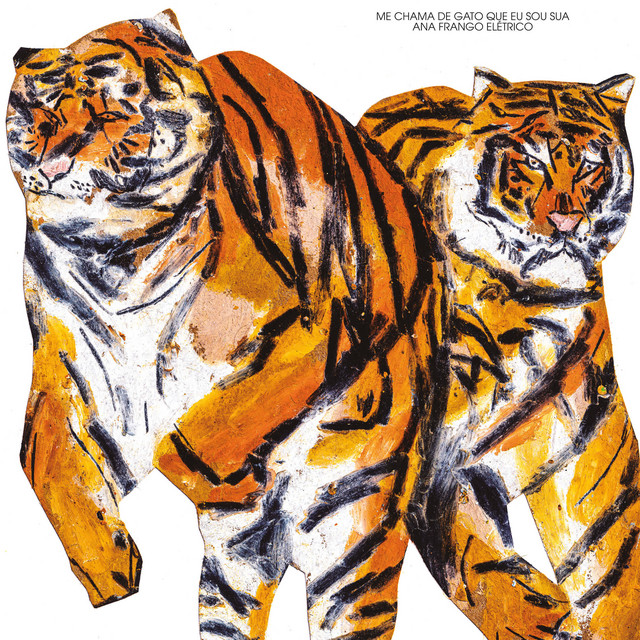
Me Chama de Gato Que Eu Sou Sua
Ana Frango Elétrico
Nova Musica Carioca
2023
3
/5
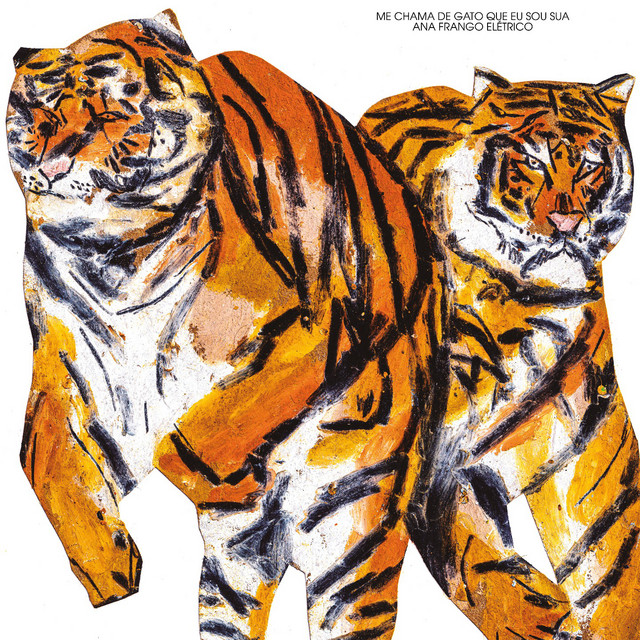
Me chama de gato que eu sou sua
Ana Frango Elétrico
Nova Musica Carioca
Sophisti-Pop
2020
3
/5
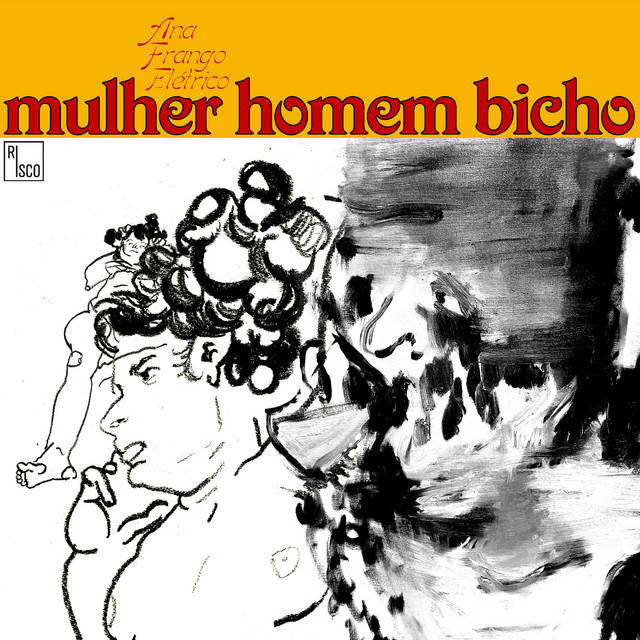
Mulher Homem Bicho
Ana Frango Elétrico
Nova Musica Carioca
Nova Mpb
Boogie
2020
2
/5
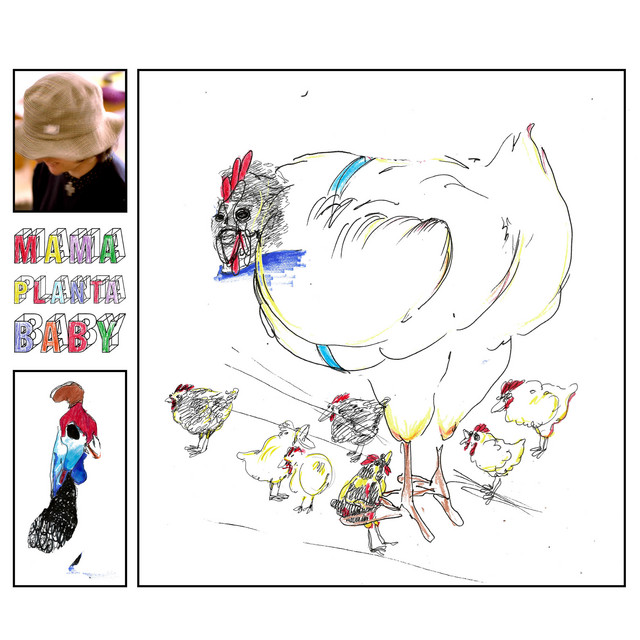
Mama Planta Baby
Ana Frango Elétrico
Nova Musica Carioca
Bossa Nova
Indie Pop
2020
1
/5
Mama Planta Baby
Ana Frango Elétrico
Nova Musica Carioca
Bossa Nova
Indie Pop
2019
3
/5
Little Electric Chicken Heart
Ana Frango Elétrico
Nova Musica Carioca
2019
1
/5
Little Electric Chicken Heart
Ana Frango Elétrico
Jazz Pop
Nova Musica Carioca
Chamber Pop
2018
1
/5
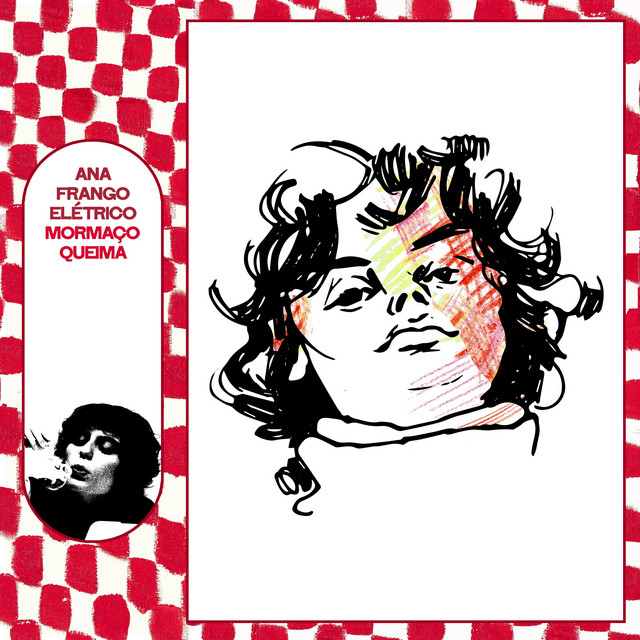
Mormaço Queima
Ana Frango Elétrico
Nova Musica Carioca
Jazz
Mpb
2018
2
/5
Mormaço Queima
Ana Frango Elétrico
Nova Musica Carioca
Jazz
Mpb
Similar artists
1
/5
Various Artists
Afro-Funk
Alternative Rock
Ambient
4
/5
Rubel
Nova Musica Carioca
Mpb
Nova Mpb
4
/5
Lagum
Nova Mpb
Brazilian Pop
Mpb
3
/5
Mariana Volker
Nova Musica Carioca
Mpb
New Mpb
4
/5
Vanessa Da Mata
Mpb
Samba
Nova Mpb
4
/5
ANAVITÓRIA
Brazilian Pop
Mpb
Nova Mpb
4
/5
Gilsons
Mpb
Nova Mpb
Latin Afrobeat
3
/5
Zeca Baleiro
Brazilian Pop
Brazilian Rock
Mpb
3
/5
Ana Gabriela
Brazilian Pop
Mpb
Nova Mpb
3
/5
Jovem Dionisio
Mpb
Nova Mpb
Brazilian Trap
Download our mobile app
Get the Melodigging app and start digging for new genres on the go
Download on the App Store
Get it on Google Play
© 2026 Melodigging
Give feedback
Legal
Melodding was created as a tribute to
Every Noise at Once
, which inspired us to help curious minds keep digging into music's ever-evolving genres.