Genres
Artists
Albums
Make Music
Sign in
Sign in
Artists
Ragtime
Artists
Ragtime
Alphabetical Four
1995
·
1 album
Listen
1
/5
Genres
Vocal Harmony Group
A vocal harmony group is an ensemble—typically three to five singers—whose defining “instrument” is multi‑part vocal harmony, often arranged in close or block voicings and presented either a cappella or with light accompaniment. Its lineage fuses late‑19th‑century barbershop part‑singing with the African American jubilee/gospel quartet tradition, and crystallizes in the 1930s–40s with popular groups that brought sophisticated blend and part‑writing to mainstream radio and records. Common musical markers include stacked triads and 7ths within an octave, a clearly profiled lead voice supported by tenor/alto/baritone/bass roles, call‑and‑response riffs, unison “pad” lines for blend, and (in doo‑wop derived settings) nonsense syllables functioning as rhythmic accompaniment. The style adapts flexibly across eras—from swing and traditional pop to doo‑wop, Motown soul, harmony‑rich rock, and contemporary a cappella.
Discover
Listen
Southern Gospel
Southern gospel is a Christian vocal music tradition rooted in the American South that centers on close-harmony ensembles—most famously male quartets—singing testimonies of faith, hope, and salvation. It is typically piano-led, with supportive acoustic or electric guitars, bass, and light drums, and it emphasizes rich, stacked harmony parts (lead, tenor, baritone, bass) and memorable, congregational choruses. Musically, it blends the harmony craft of barbershop and shape-note/Sacred Harp singing with the tunes and storytelling of early country and Appalachian folk. Songs often feature clear verse–chorus forms, dramatic dynamic builds, and a signature last-chorus key change. Lyrically, the style is explicitly evangelical, focusing on redemption, heaven, personal testimony, and encouragement.
Discover
Listen
Ragtime
Ragtime is an African American–rooted piano style that flourished from the 1890s to the 1910s, characterized by lively syncopation in the right hand against a steady, march-like “oom‑pah” accompaniment in the left hand. Typically written in 2/4 or 4/4 time and notated with straight (unswung) eighth notes, classic rags unfold in multiple 16‑bar strains, often in the form AABBACCDD. The music draws on cakewalk rhythms, marching-band forms, and popular song, and it became a sensation through sheet music, piano rolls, and parlor performance. Scott Joplin, known as the “King of Ragtime,” helped codify the genre’s refined, compositional approach, calling for moderate tempos and a clear, singing melody. Beyond solo piano, ragtime was arranged for small ensembles and orchestras, found a home in vaudeville and dance halls, and laid essential groundwork for early jazz, stride piano, and much of 20th‑century American popular music.
Discover
Listen
Albums
1995
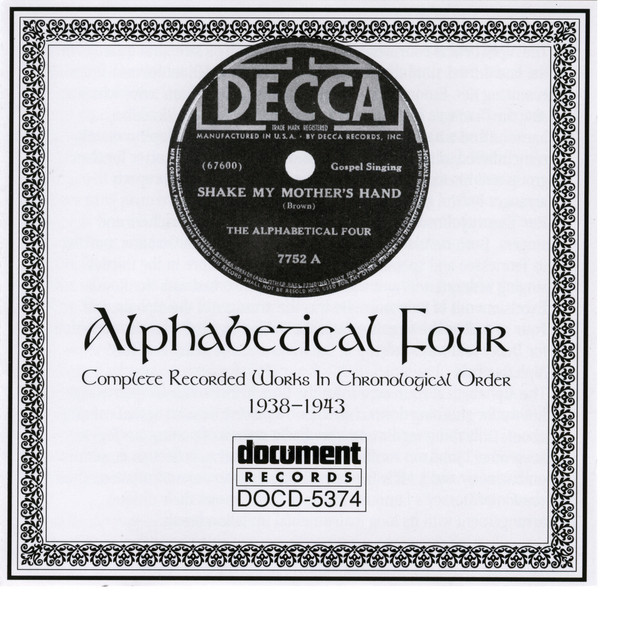
Alphabetical Four (1938-1943)
Alphabetical Four
Vocal Harmony Group
Similar artists
Hide discovered
1
/5
The Georgians
Ragtime
Southern Gospel
1
/5
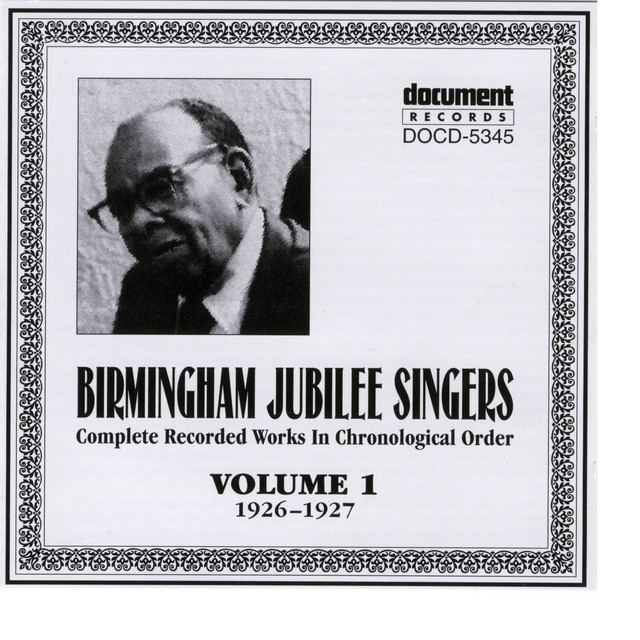
Birmingham Jubilee Singers
Ragtime
Southern Gospel
Vintage Gospel
1
/5
Various Artists
Soundtrack
Afro-Funk
Alternative Rock
5
/5
Elvis Presley
Rock And Roll
Rockabilly
Pop
4
/5
Oscar Peterson Trio
Contemporary Post-Bop
Bebop
Cool Jazz
3
/5
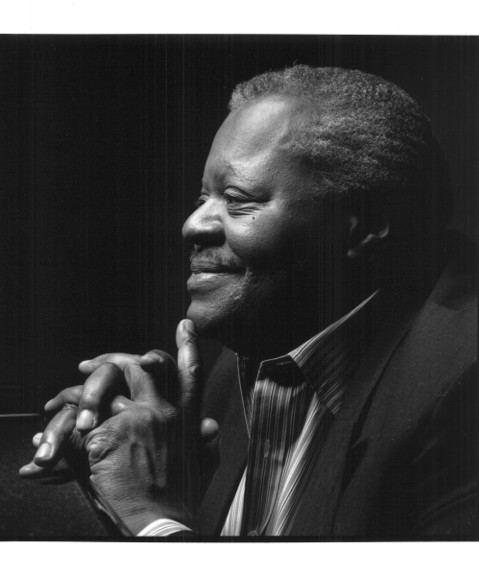
Oscar Peterson
Jazz
Bebop
Cool Jazz
3
/5
The Oak Ridge Boys
Southern Gospel
Country
Urban Cowboy
3
/5
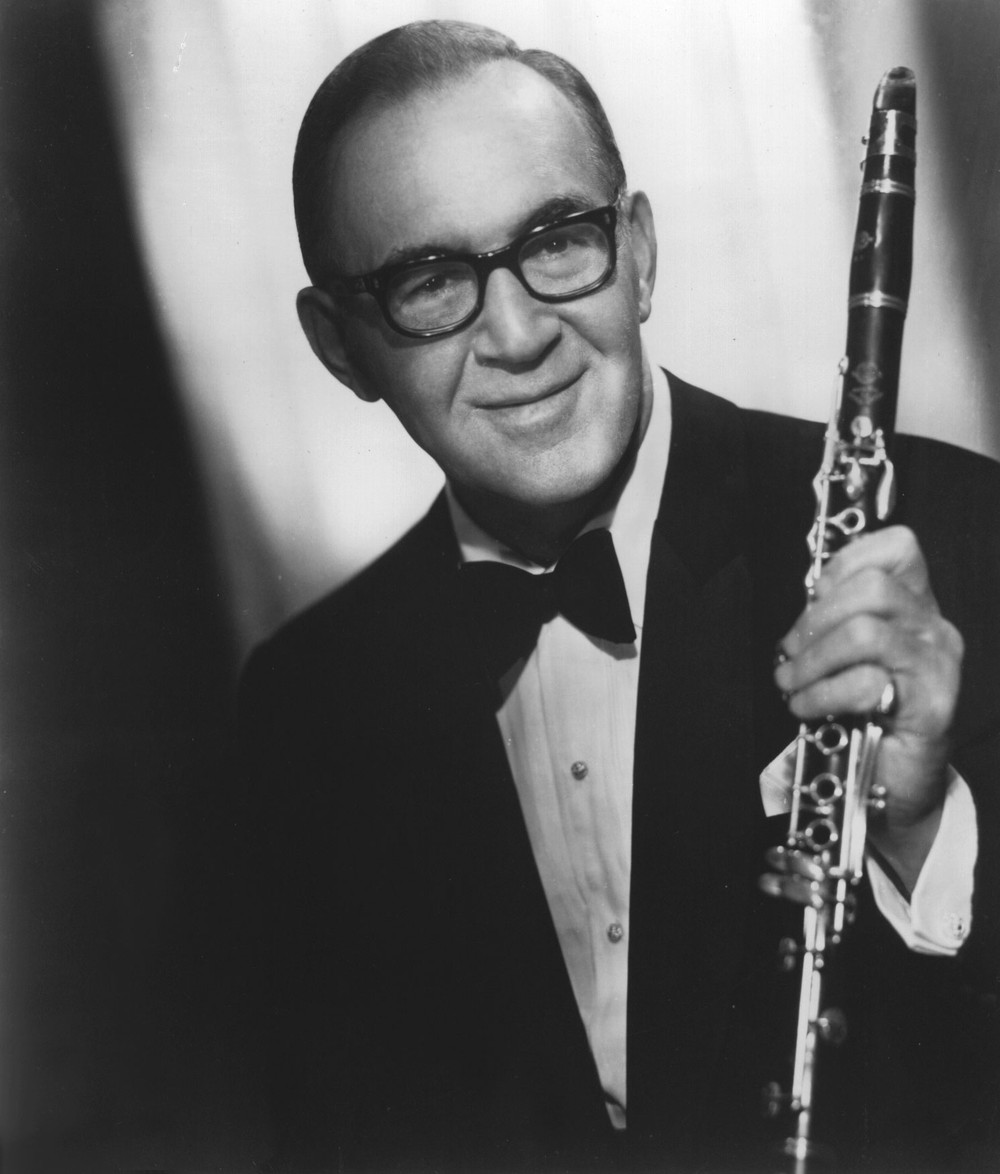
Benny Goodman
Ragtime
Big Band
Jazz
3
/5
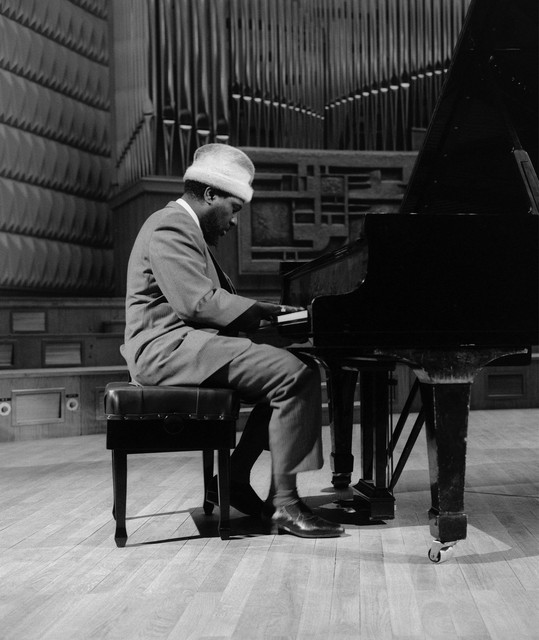
Thelonious Monk
Hard Bop
Jazz
Bebop
3
/5
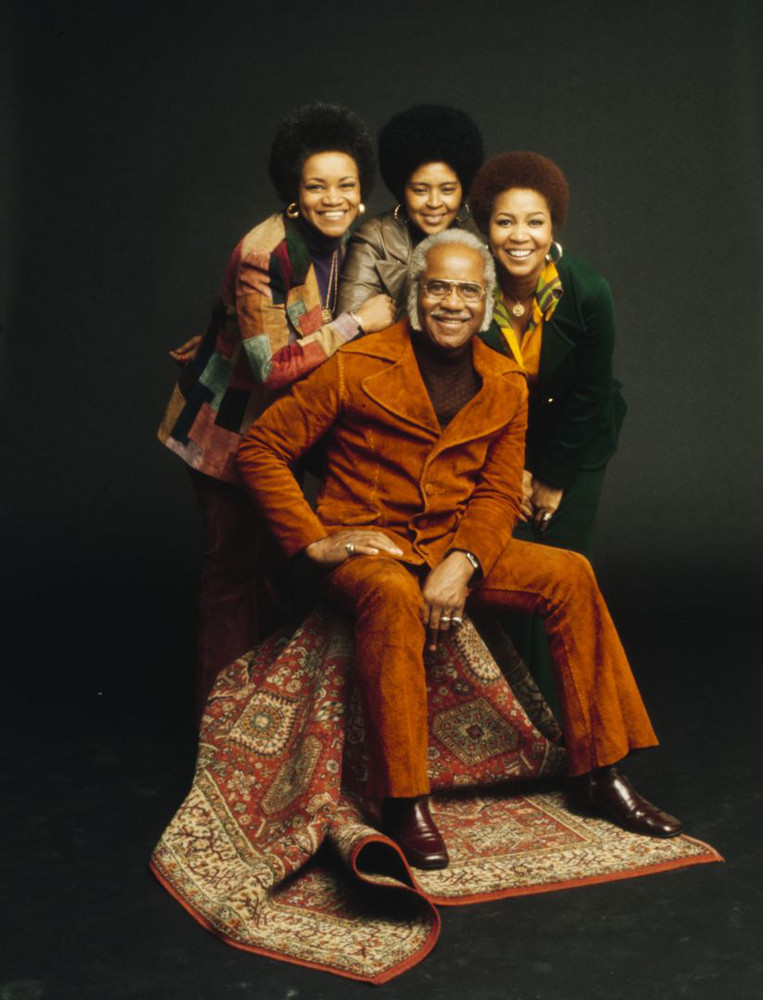
The Staple Singers
Chicago Soul
Southern Soul
Gospel
Download our mobile app
Get the Melodigging app and start digging for new genres on the go
Download on the App Store
Get it on Google Play
© 2026 Melodigging
Give feedback
About & FAQ
Legal
Melodding was created as a tribute to
Every Noise at Once
, which inspired us to help curious minds keep digging into music's ever-evolving genres.