Genres
Artists
Albums
Make Music
Sign in
Sign in
Artists
New Orleans Blues
Artists
New Orleans Blues
Allen Toussaint
1958–2016
·
9 albums
Listen
3
/5
Genres
Alternative Rock
Alternative rock is a broad umbrella for guitar-based rock that emerged from the independent and college-radio scenes as a counterpoint to mainstream, commercial rock. It blends the energy and ethos of punk with the textural and songwriting experiments of post-punk, new wave, jangle pop, and noise rock, often foregrounding introspective or socially aware lyrics. Across its many strains—from the melodic minimalism of college rock to the loud-quiet-loud dynamics of grunge and the artful experimentation of Radiohead-era modernism—alternative rock prioritizes authenticity, sonic individuality, and a do-it-yourself approach. Its sound ranges from chiming, chorus-laden clean guitars to abrasive distortion and feedback, supported by straightforward rock rhythms or off-kilter grooves, and production that can be either raw and live-sounding or polished yet unconventional.
Discover
Listen
Modern Electric Blues
Modern electric blues is a contemporary, amplified take on the classic blues tradition. It keeps the idiomatic phrasing, blue notes, and 12‑bar (and 8‑bar/16‑bar) song forms of earlier blues, but frames them with modern guitar tones, punchy rhythm sections, and studio production aesthetics drawn from rock, soul, and funk. Typically centered on electric guitar, bass, drums, and often keyboards, the style favors saturated overdrive, expressive bends and vibrato, and extended solos. Grooves range from shuffles and slow 12/8 ballads to straight‑eighth backbeats and funkier syncopations. Lyrically, it preserves blues’ personal, confessional voice while updating themes to contemporary life. Where mid‑century electric blues crystallized in Chicago and Texas scenes, modern electric blues globalizes that language—embracing boutique amps and pedals, hi‑fidelity recording, and festival‑scale performance—while retaining the call‑and‑response, tension–release, and storytelling that define the blues.
Discover
Listen
Funk
Funk is a rhythm-forward African American popular music style that centers on groove, syncopation, and interlocking parts. Rather than emphasizing complex chord progressions, funk builds tight, repetitive vamps that highlight the rhythm section and create an irresistible dance feel. The genre is marked by syncopated drum patterns, melodic yet percussive bass lines, choppy guitar "chanks," punchy horn stabs, call‑and‑response vocals, and a strong backbeat. Funk’s stripped-down harmony, prominent use of the one (accenting the downbeat), and polyrhythmic layering draw deeply from soul, rhythm and blues, jazz, gospel, and African rhythmic traditions. From James Brown’s late-1960s innovations through the expansive P-Funk universe and the slicker sounds of the 1970s and 1980s, funk has continually evolved while seeding countless other genres, from disco and hip hop to house and modern R&B.
Discover
Listen
Southern Soul
Southern soul is a regional style of 1960s soul music rooted in the U.S. South, centered on Memphis, Tennessee, and Muscle Shoals, Alabama. It blends the sanctified fervor of Black gospel with the grit of Southern rhythm & blues, blues, and the storytelling sensibility of country. Compared with the smoother, pop-oriented Motown sound, Southern soul is rawer and more church-inflected: impassioned lead vocals, call-and-response backing, handclaps, Hammond organ swells, tight horn stabs, and a deep pocket rhythm section. Classic recordings were cut largely live in the studio by house bands like Booker T. & the M.G.'s and the Muscle Shoals Rhythm Section, capturing a warm, unvarnished groove.
Discover
Listen
Rock
Rock is a broad family of popular music centered on amplified instruments, a strong backbeat, and song forms that foreground riffs, choruses, and anthemic hooks. Emerging from mid‑20th‑century American styles like rhythm & blues, country, and gospel-inflected rock and roll, rock quickly expanded in scope—absorbing folk, blues, and psychedelic ideas—while shaping global youth culture. Core sonic markers include electric guitar (often overdriven), electric bass, drum kit emphasizing beats 2 and 4, and emotive lead vocals. Rock songs commonly use verse–chorus structures, blues-derived harmony, and memorable melodic motifs, ranging from intimate ballads to high‑energy, stadium‑sized performances.
Discover
Listen
Soul
Soul is a genre of popular music that blends the spiritual fervor and vocal techniques of African‑American gospel with the grooves and song forms of rhythm & blues and the harmonic palette of jazz and blues. It is defined by impassioned, melismatic lead vocals; call‑and‑response with backing singers; handclaps and a strong backbeat; syncopated bass lines; and memorable horn or string riffs. Typical instrumentation includes drum kit, electric bass, electric guitar, piano or Hammond organ, horns (trumpet, saxophone, trombone), and sometimes orchestral strings. Lyrically, soul ranges from love and heartbreak to pride, social commentary, and spiritual yearning. Regionally distinct scenes—such as Detroit’s Motown, Memphis/Stax, Muscle Shoals, Chicago, New Orleans, and Philadelphia—shaped different flavors of soul, while the style’s emotional directness and rhythmic drive made it a cornerstone of later funk, disco, contemporary R&B, and hip hop.
Discover
Listen
New Orleans Blues
New Orleans blues is a piano- and horn-driven branch of postwar blues that developed in the clubs and studios of New Orleans. It blends the city’s brass-band and parade traditions with the relaxed swing of jazz, the rolling left-hand figures of boogie-woogie, and the clipped, syncopated “second‑line” feel rooted in Afro-Caribbean rhythms. Characterized by lilting triplet feels, tresillo/habanera accents, and a light yet insistent backbeat, the style favors catchy horn riffs, rolling piano patterns, and conversational, good-natured vocals. Compared with harsher urban blues styles, New Orleans blues feels breezier and more danceable, often straddling an early rhythm-and-blues sound that directly fed rock and roll.
Discover
Listen
New Orleans R&b
New Orleans R&B is a piano-driven, horn-rich strain of rhythm and blues that emerged in the late 1940s and flourished through the 1950s. It blends blues harmony with the lilt of Caribbean rhythms, the swing of jazz, and gospel’s vocal inflections, creating an irresistibly rolling groove. The style is marked by triplet-based piano patterns, parade-inspired backbeats, syncopated horn riffs, and relaxed yet danceable shuffles. Its sound was defined by the city’s storied studio scene (notably Cosimo Matassa’s J&M Studio), visionary bandleaders and producers like Dave Bartholomew and Allen Toussaint, and charismatic singer-pianists such as Fats Domino and Professor Longhair. Lyrically, New Orleans R&B favors good-time party themes, romance, and streetwise vignettes. Its warm, unhurried feel and rhythmic cross-pollination would prove foundational to rock and roll, soul, funk, ska, and swamp pop.
Discover
Listen
Louisiana Blues
Louisiana blues is a regional blues style rooted in the musical cultures of New Orleans, Baton Rouge, and the bayou country. It blends traditional country and Delta blues guitar with the rolling, syncopated grooves of New Orleans R&B, touches of Cajun rhythm, and a humid, "swampy" ambience. Typical features include relaxed mid-tempos, loping shuffle or second-line-inflected beats, reverb- and tremolo-soaked electric guitar tones, amplified harmonica, and spare, conversational vocals. Piano-driven variants in New Orleans add Caribbean and jazz flavors, while the Baton Rouge "swamp blues" sound—popularized by Excello Records—favors laconic vocals, hypnotic riffs, and echo-laden production. Lyrically, Louisiana blues often evokes bayou imagery, late-night bars, heat and rain, heartbreak, and everyday resilience, all delivered with an unhurried, soulful understatement.
Discover
Listen
R&b
R&B (Rhythm and Blues) is a vocal- and groove-centered popular music tradition that blends blues tonality, jazz harmony, and gospel-inflected singing with a steady backbeat. It emphasizes expressive lead vocals, call-and-response, lush harmonies, and danceable rhythms. From its 1940s roots in African American communities to its later evolutions, R&B has continually absorbed and reshaped surrounding sounds—from jump blues and swing in the early days to soul, funk, hip hop, and electronic production in the contemporary era. Today, R&B ranges from intimate, slow-burning ballads to club-ready tracks, all tied together by a focus on feel, melody, and vocal performance.
Discover
Listen
Cajun
Cajun is the dance-driven traditional music of the Francophone Cajuns of south Louisiana, characterized by driving two-steps, lonesome waltzes, and heartfelt, often nasal-tinged vocals sung in Cajun French and English. Its core sound blends button accordion and fiddle, propelled by guitar, bass, and the metallic pulse of the triangle (tit-fer). Built for social dancing in packed halls, the music emphasizes strong melodic hooks, call-and-response refrains, and sturdy rhythms. Repertoires include up-tempo two-steps in duple meter and lyrical waltzes in triple meter, with instrumental breaks that showcase the accordion’s bellows phrasing and the fiddle’s double-stops and slides. Over time, Cajun incorporated elements from country, blues, and swing while retaining a distinct regional identity.
Discover
Listen
Jazz
Jazz is an improvisation-centered music tradition that emerged from African American communities in the early 20th century. It blends blues feeling, ragtime syncopation, European harmonic practice, and brass band instrumentation into a flexible, conversational art. Defining features include swing rhythm (a triplet-based pulse), call-and-response phrasing, blue notes, and extended harmonies built on 7ths, 9ths, 11ths, and 13ths. Jazz is as much a way of making music—spontaneous interaction, variation, and personal sound—as it is a set of forms and tunes. Across its history, jazz has continually hybridized, from New Orleans ensembles and big-band swing to bebop, cool and hard bop, modal and free jazz, fusion, and contemporary cross-genre experiments. Its influence permeates global popular and art music.
Discover
Listen
Dixieland
Dixieland is one of the earliest forms of jazz, crystallizing in New Orleans in the 1910s and spreading to Chicago and New York in the 1920s. It is characterized by collective improvisation, where the front line—trumpet or cornet carrying the melody, clarinet weaving countermelodies, and trombone providing "tailgate" harmonies and slides—creates a lively polyphonic texture over a buoyant two-beat feel. Its rhythm section often features banjo or piano, tuba or string bass, and drums playing parade-derived press rolls and stop-time figures. Harmonically it draws on functional tonality (I–IV–V with frequent secondary dominants), and structurally it favors 12-bar blues, 16-bar strains from ragtime, and 32-bar AABA song forms. Repertoire includes marches, blues, spirituals, popular songs, and Creole dances, rendered with a brassy, celebratory sound that evokes the New Orleans brass band tradition.
Discover
Listen
Piano Blues
Piano blues is a blues tradition centered on solo piano performance, where the instrument carries both rhythm-section drive and melodic lead. It fuses ragtime’s syncopation, early jazz phrasing, and the 12‑bar blues form into a percussive, highly expressive style. Hallmarks include steady left‑hand patterns (walking tenths, stride figures, broken octaves, and boogie ostinatos) supporting right‑hand riffs built from the blues scale, blue notes, crushed grace notes, tremolos, and call‑and‑response motifs. It flourished in saloons, rent parties, theaters, and recording studios, giving rise to regional approaches like Chicago’s understated, swinging shuffle and New Orleans’ rolling, rhumba‑tinged feel. Closely related to barrelhouse and boogie‑woogie, piano blues underpins much of later American popular music, feeding directly into jump blues, early R&B, rock and roll, and rockabilly.
Discover
Listen
Louisiana Music
Louisiana music is a rich regional tapestry that blends African, French, Caribbean, and American roots into a set of distinctive styles associated with the state of Louisiana, especially New Orleans and the Acadiana region. It encompasses the second‑line brass band tradition, early jazz and rhythm & blues from New Orleans, Cajun dance tunes and waltzes, Creole zydeco grooves built around accordion and rubboard, and the humid, blues‑inflected sounds of swamp pop and swamp blues. Hallmarks include syncopated “second‑line” rhythms, the Cuban habanera/clave pulse in early New Orleans music, call‑and‑response, blue notes, and a unique mingling of English, Louisiana French, and Creole lyrics. More than a single genre, “Louisiana music” denotes a family of styles whose feel is communal, dance‑forward, and deeply tied to local celebrations like Mardi Gras, trail rides, fais‑do‑dos, and second‑lines.
Discover
Listen
Piedmont Blues
Piedmont blues is an East Coast style of acoustic blues defined first and foremost by its guitar technique. Players use a steady, alternating-thumb bass on the lower strings while the index (and sometimes middle) finger picks syncopated melodies on the treble strings. The resulting texture imitates ragtime or stride piano: a walking/oom‑pah bass underpinning a dancing, off‑beat melody on top. Developed in the southern Appalachian foothills and the broader U.S. East Coast, the style favors clear, song‑like melodies, buoyant rhythms, and a repertoire that ranges from blues and hokum to gospel and dance tunes. Blues researcher Peter B. Lowry coined the term “Piedmont blues,” sharing credit with folklorist Bruce Bastin, to distinguish this ragtime‑based, melodically oriented approach from the more riff‑driven, modal feel of Mississippi Delta blues.
Discover
Listen
Blues
Blues is an African American musical tradition defined by expressive "blue notes," call-and-response phrasing, and a characteristic use of dominant-seventh harmony in cyclical song forms (most famously the 12‑bar blues). It is as much a feeling as a form, conveying sorrow, resilience, humor, and hard-won joy. Musically, blues commonly employs the I–IV–V progression, swung or shuffled rhythms, and the AAB lyric stanza. Melodies lean on the minor/major third ambiguity and the flattened fifth and seventh degrees. Core instruments include voice, guitar (acoustic or electric), harmonica, piano, bass, and drums, with slide guitar, bends, and vocal melismas as signature techniques. Over time the blues has diversified into regional and stylistic currents—Delta and Piedmont country blues, urban Chicago and Texas blues, West Coast jump and boogie-woogie—while profoundly shaping jazz, rhythm & blues, rock and roll, soul, funk, and much of modern popular music.
Discover
Listen
Show all 17 genres
Albums
2016
3
/5
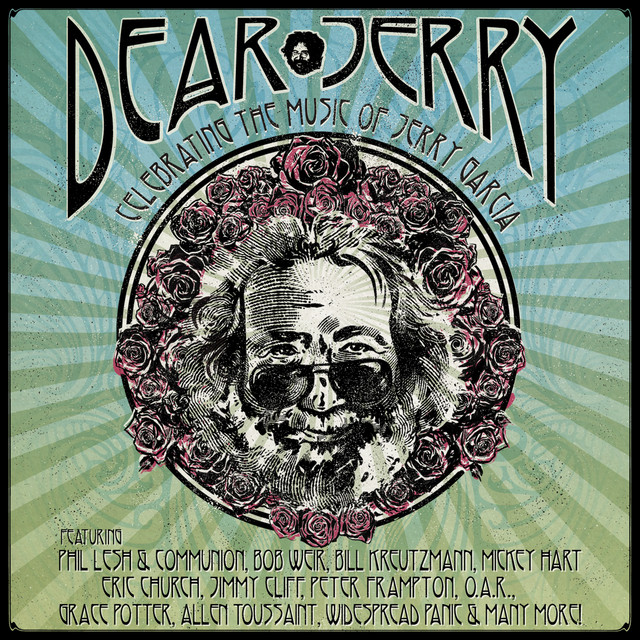
Dear Jerry: Celebrating The Music Of Jerry Garcia (Live)
Allen Toussaint
Piedmont Blues
New Orleans Blues
2016
2
/5
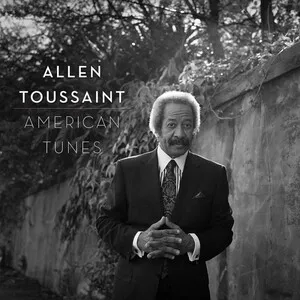
American Tunes
Allen Toussaint
New Orleans Blues
2009
3
/5
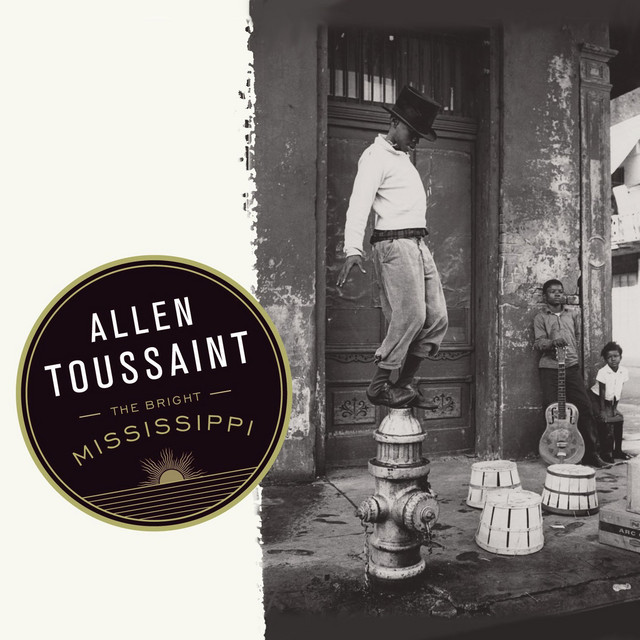
The Bright Mississippi
Allen Toussaint
Dixieland
New Orleans R&b
Louisiana Music
2006
2
/5
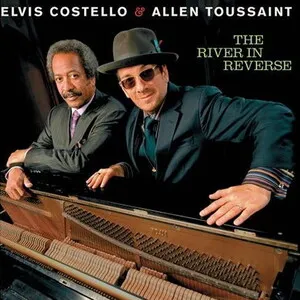
The River in Reverse
Elvis Costello & Allen Toussaint
New Orleans R&b
Louisiana Music
Alternative Rock
1975
3
/5
Southern Nights
Allen Toussaint
New Orleans R&b
Louisiana Music
New Orleans Blues
1972
3
/5
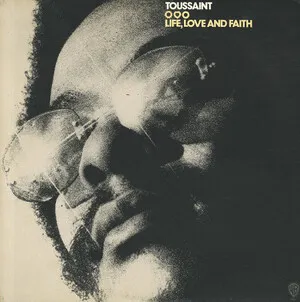
Life, Love and Faith
Allen Toussaint
New Orleans R&b
Louisiana Music
1971
1
/5
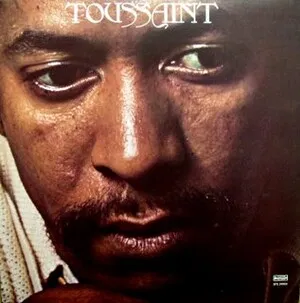
Toussaint
Allen Toussaint
New Orleans R&b
Louisiana Music
1958
1
/5
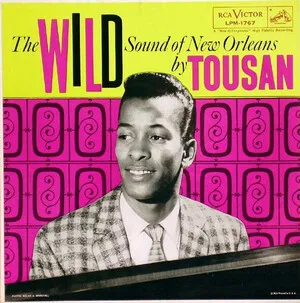
The Wild Sound of New Orleans
Tousan
Piano Blues
New Orleans R&b
Louisiana Music
1
/5
Artist • Producer • Songwriter (Deluxe Edition)
Allen Toussaint
New Orleans Blues
Similar artists
3
/5
Dr. John
Louisiana Music
New Orleans R&b
Piano Blues
3
/5
The Neville Brothers
Louisiana Blues
New Orleans Blues
Cajun
3
/5
Lloyd Price
New Orleans Blues
Doo-Wop
Louisiana Blues
1
/5
Various Artists
Afro-Funk
Alternative Rock
Ambient
3
/5
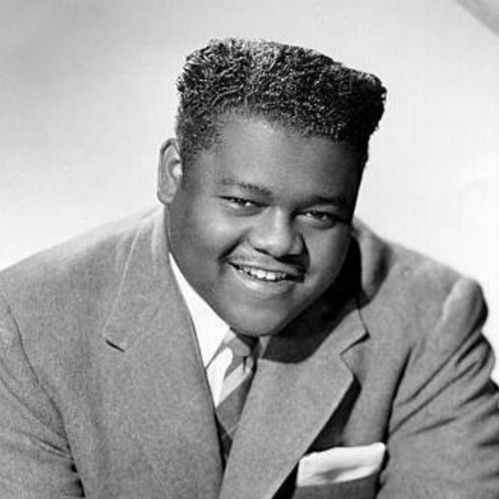
Fats Domino
New Orleans Blues
Piano Blues
Louisiana Blues
2
/5
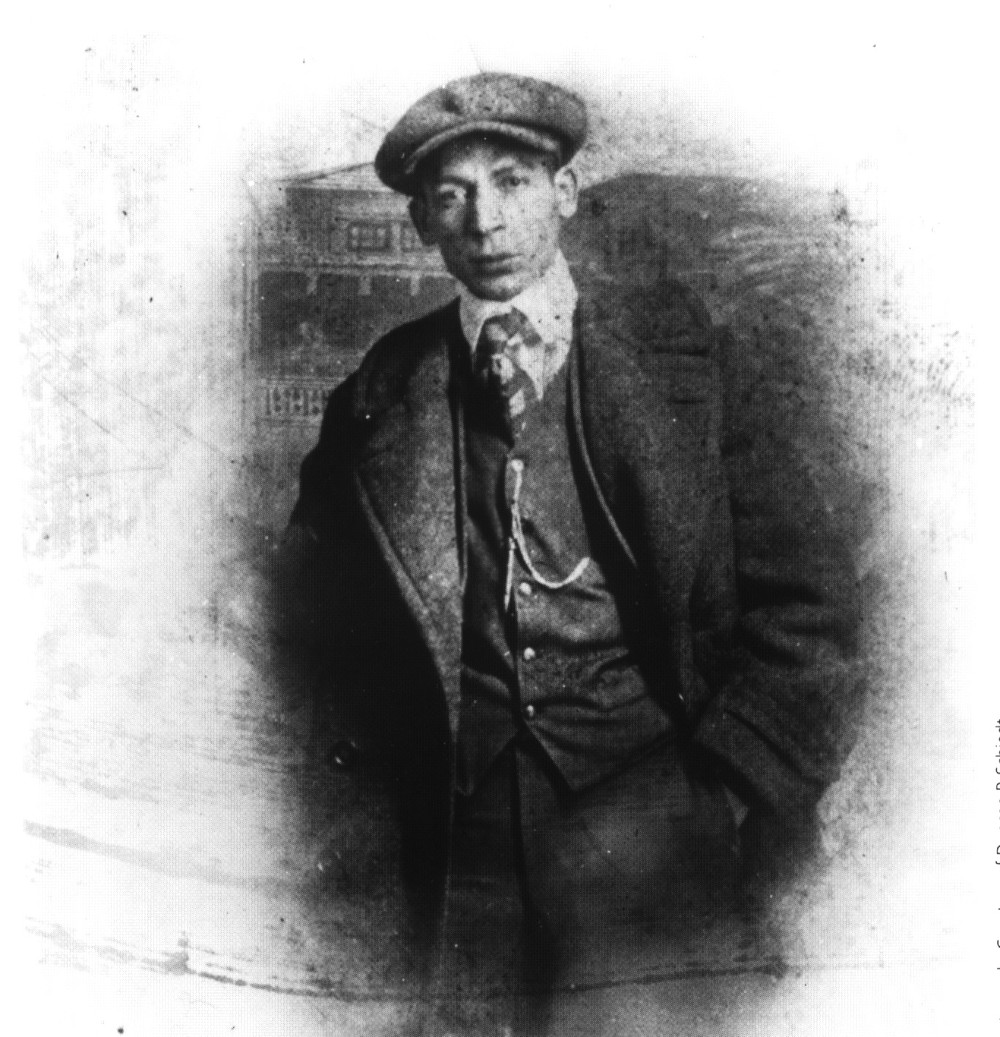
Jelly Roll Morton
New Orleans Blues
Ragtime
Dixieland
2
/5
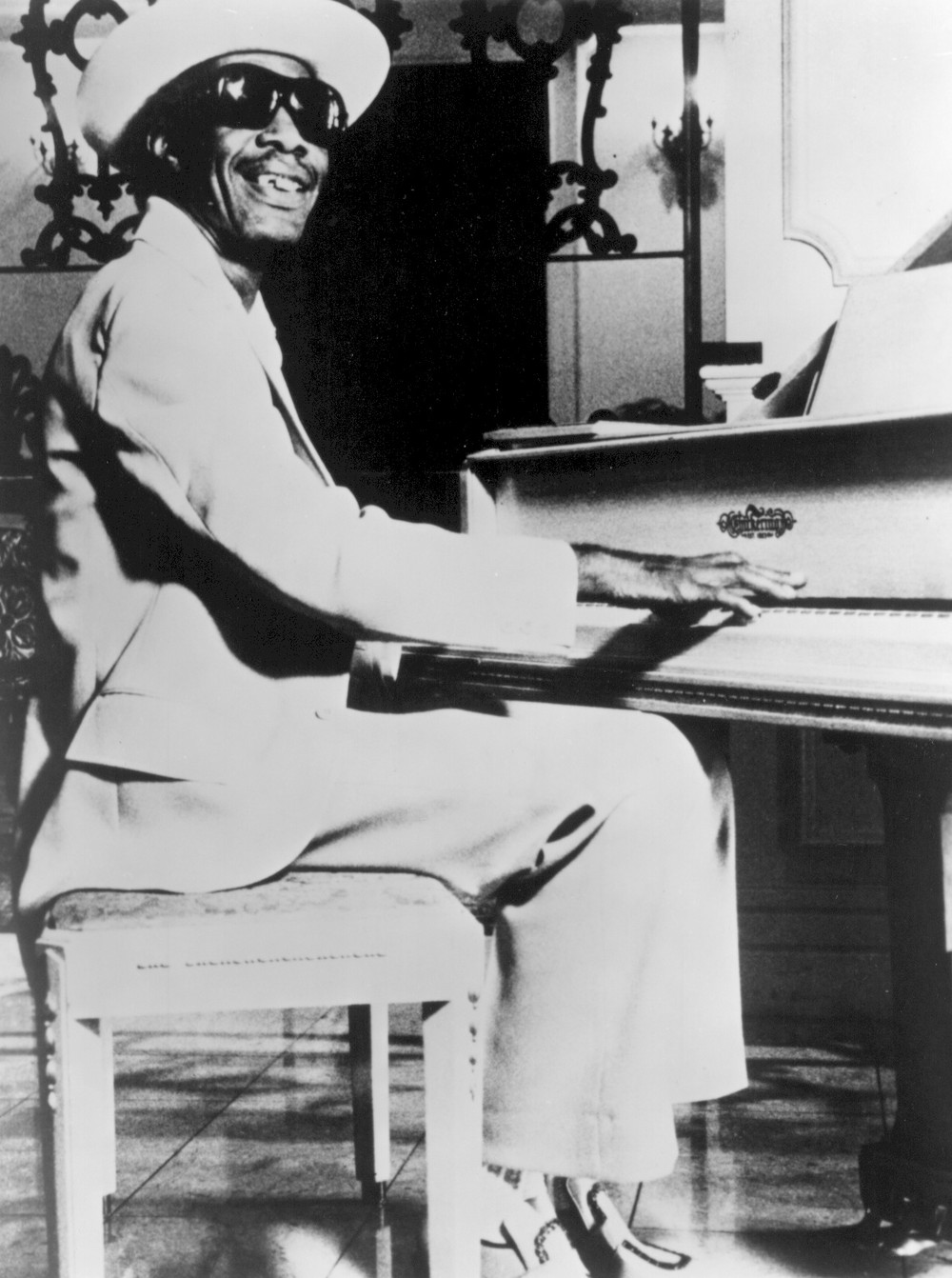
Professor Longhair
Blues
Cajun
Boogie-Woogie
2
/5
The Dirty Dozen Brass Band
New Orleans Brass Band
Street Band
Jazz
3
/5
Elvis Costello
Power Pop
Rock
Alternative Rock
3
/5
Hugh Laurie
Blues
Comedy
Jazz Blues
Download our mobile app
Get the Melodigging app and start digging for new genres on the go
Download on the App Store
Get it on Google Play
© 2026 Melodigging
Give feedback
Legal
Melodding was created as a tribute to
Every Noise at Once
, which inspired us to help curious minds keep digging into music's ever-evolving genres.