Genres
Make Music
Artists
Albums
Challenges
Sign in
Sign in
Albums
By Allen Toussaint
Albums
By Allen Toussaint
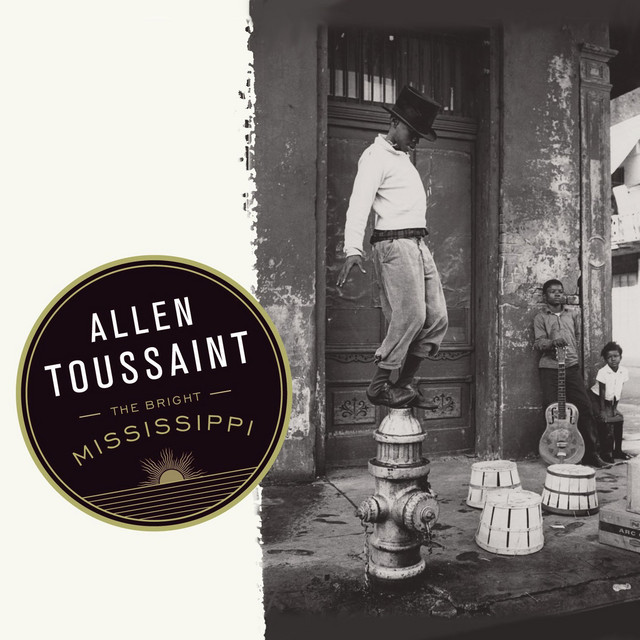
The Bright Mississippi
January 27, 2009
Listen
3
/5
Genres
New Orleans R&b
New Orleans R&B is a piano-driven, horn-rich strain of rhythm and blues that emerged in the late 1940s and flourished through the 1950s. It blends blues harmony with the lilt of Caribbean rhythms, the swing of jazz, and gospel’s vocal inflections, creating an irresistibly rolling groove. The style is marked by triplet-based piano patterns, parade-inspired backbeats, syncopated horn riffs, and relaxed yet danceable shuffles. Its sound was defined by the city’s storied studio scene (notably Cosimo Matassa’s J&M Studio), visionary bandleaders and producers like Dave Bartholomew and Allen Toussaint, and charismatic singer-pianists such as Fats Domino and Professor Longhair. Lyrically, New Orleans R&B favors good-time party themes, romance, and streetwise vignettes. Its warm, unhurried feel and rhythmic cross-pollination would prove foundational to rock and roll, soul, funk, ska, and swamp pop.
Discover
Listen
New Orleans Blues
New Orleans blues is a piano- and horn-driven branch of postwar blues that developed in the clubs and studios of New Orleans. It blends the city’s brass-band and parade traditions with the relaxed swing of jazz, the rolling left-hand figures of boogie-woogie, and the clipped, syncopated “second‑line” feel rooted in Afro-Caribbean rhythms. Characterized by lilting triplet feels, tresillo/habanera accents, and a light yet insistent backbeat, the style favors catchy horn riffs, rolling piano patterns, and conversational, good-natured vocals. Compared with harsher urban blues styles, New Orleans blues feels breezier and more danceable, often straddling an early rhythm-and-blues sound that directly fed rock and roll.
Discover
Listen
Louisiana Blues
Louisiana blues is a regional blues style rooted in the musical cultures of New Orleans, Baton Rouge, and the bayou country. It blends traditional country and Delta blues guitar with the rolling, syncopated grooves of New Orleans R&B, touches of Cajun rhythm, and a humid, "swampy" ambience. Typical features include relaxed mid-tempos, loping shuffle or second-line-inflected beats, reverb- and tremolo-soaked electric guitar tones, amplified harmonica, and spare, conversational vocals. Piano-driven variants in New Orleans add Caribbean and jazz flavors, while the Baton Rouge "swamp blues" sound—popularized by Excello Records—favors laconic vocals, hypnotic riffs, and echo-laden production. Lyrically, Louisiana blues often evokes bayou imagery, late-night bars, heat and rain, heartbreak, and everyday resilience, all delivered with an unhurried, soulful understatement.
Discover
Listen
Dixieland
Dixieland is one of the earliest forms of jazz, crystallizing in New Orleans in the 1910s and spreading to Chicago and New York in the 1920s. It is characterized by collective improvisation, where the front line—trumpet or cornet carrying the melody, clarinet weaving countermelodies, and trombone providing "tailgate" harmonies and slides—creates a lively polyphonic texture over a buoyant two-beat feel. Its rhythm section often features banjo or piano, tuba or string bass, and drums playing parade-derived press rolls and stop-time figures. Harmonically it draws on functional tonality (I–IV–V with frequent secondary dominants), and structurally it favors 12-bar blues, 16-bar strains from ragtime, and 32-bar AABA song forms. Repertoire includes marches, blues, spirituals, popular songs, and Creole dances, rendered with a brassy, celebratory sound that evokes the New Orleans brass band tradition.
Discover
Listen
Louisiana Music
Louisiana music is a rich regional tapestry that blends African, French, Caribbean, and American roots into a set of distinctive styles associated with the state of Louisiana, especially New Orleans and the Acadiana region. It encompasses the second‑line brass band tradition, early jazz and rhythm & blues from New Orleans, Cajun dance tunes and waltzes, Creole zydeco grooves built around accordion and rubboard, and the humid, blues‑inflected sounds of swamp pop and swamp blues. Hallmarks include syncopated “second‑line” rhythms, the Cuban habanera/clave pulse in early New Orleans music, call‑and‑response, blue notes, and a unique mingling of English, Louisiana French, and Creole lyrics. More than a single genre, “Louisiana music” denotes a family of styles whose feel is communal, dance‑forward, and deeply tied to local celebrations like Mardi Gras, trail rides, fais‑do‑dos, and second‑lines.
Discover
Listen
Similar albums
1973
In the Right Place
Dr. John
1989
Yellow Moon
The Neville Brothers
1968
Gris-Gris
Dr. John, the Night Tripper
1972
Dr. John's Gumbo
Dr. John
1975
Southern Nights
Allen Toussaint
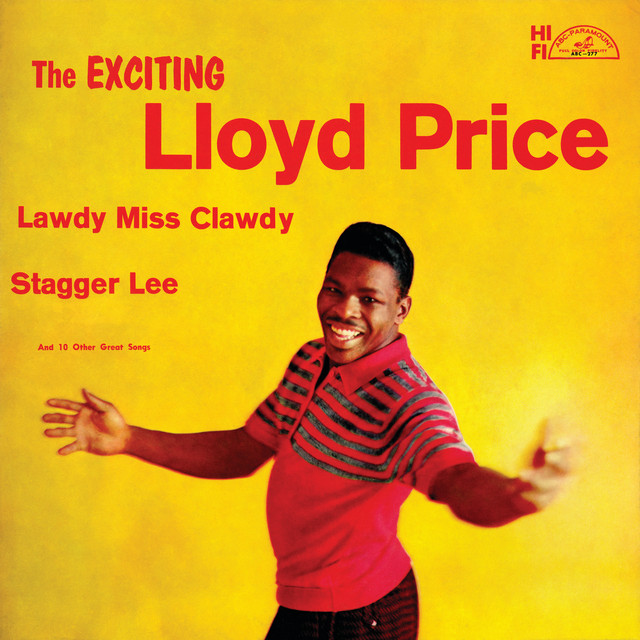
1959
The Exciting Lloyd Price
Lloyd Price
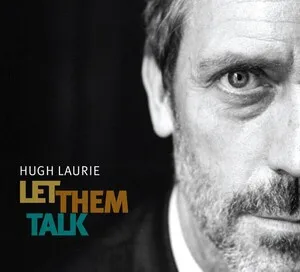
2011
Let Them Talk
Hugh Laurie
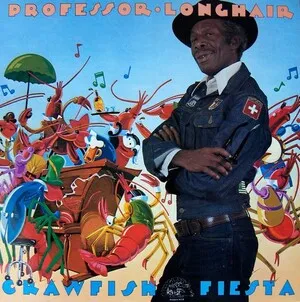
1980
Crawfish Fiesta
Professor Longhair
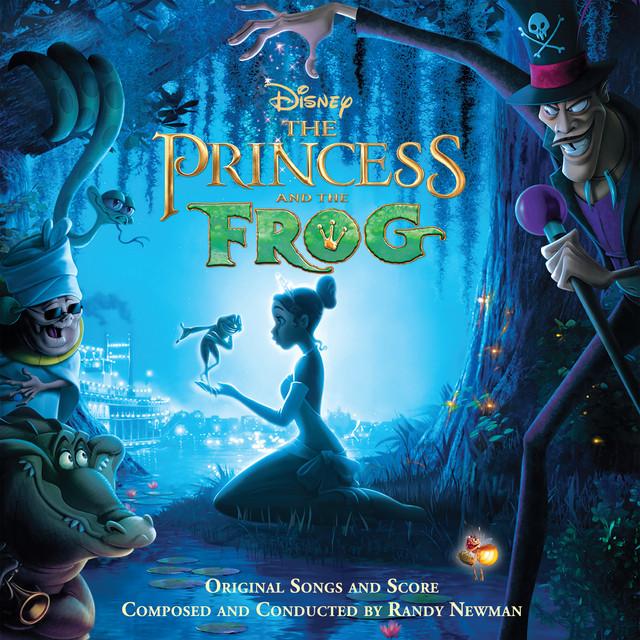
2009
The Princess and the Frog (Original Motion Picture Soundtrack)
Dr. John
2000
O Brother, Where Art Thou? (Original Motion Picture Soundtrack)
The Cox Family
Download our mobile app
Get the Melodigging app and start digging for new genres on the go
Download on the App Store
Get it on Google Play
© 2026 Melodigging
Give feedback
Legal
Melodding was created as a tribute to
Every Noise at Once
, which inspired us to help curious minds keep digging into music's ever-evolving genres.