Genres
Make Music
Artists
Albums
Challenges
Sign in
Sign in
Albums
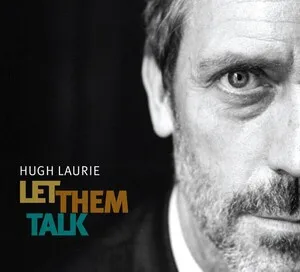
By Hugh Laurie
Albums
By Hugh Laurie
Let Them Talk
April 18, 2011
Listen
3
/5
Genres
Blues Rock
Blues rock is a guitar-driven style that fuses the raw feeling and 12‑bar structures of the blues with the power, volume, and rhythmic punch of rock. It emphasizes riff-based songs, pentatonic and blues-scale soloing, call‑and‑response between voice and guitar, and an expressive, often gritty vocal delivery. Typical ensembles are power trios (guitar, bass, drums) or quartet formats adding second guitar, keyboards, or harmonica, and performances commonly feature extended improvisation. Sonically, it favors overdriven tube-amp tones, sustained bends, vibrato, and dynamic contrasts, moving from shuffles and boogies to straight‑eighth rock grooves.
Discover
Listen
New Orleans R&b
New Orleans R&B is a piano-driven, horn-rich strain of rhythm and blues that emerged in the late 1940s and flourished through the 1950s. It blends blues harmony with the lilt of Caribbean rhythms, the swing of jazz, and gospel’s vocal inflections, creating an irresistibly rolling groove. The style is marked by triplet-based piano patterns, parade-inspired backbeats, syncopated horn riffs, and relaxed yet danceable shuffles. Its sound was defined by the city’s storied studio scene (notably Cosimo Matassa’s J&M Studio), visionary bandleaders and producers like Dave Bartholomew and Allen Toussaint, and charismatic singer-pianists such as Fats Domino and Professor Longhair. Lyrically, New Orleans R&B favors good-time party themes, romance, and streetwise vignettes. Its warm, unhurried feel and rhythmic cross-pollination would prove foundational to rock and roll, soul, funk, ska, and swamp pop.
Discover
Listen
Louisiana Blues
Louisiana blues is a regional blues style rooted in the musical cultures of New Orleans, Baton Rouge, and the bayou country. It blends traditional country and Delta blues guitar with the rolling, syncopated grooves of New Orleans R&B, touches of Cajun rhythm, and a humid, "swampy" ambience. Typical features include relaxed mid-tempos, loping shuffle or second-line-inflected beats, reverb- and tremolo-soaked electric guitar tones, amplified harmonica, and spare, conversational vocals. Piano-driven variants in New Orleans add Caribbean and jazz flavors, while the Baton Rouge "swamp blues" sound—popularized by Excello Records—favors laconic vocals, hypnotic riffs, and echo-laden production. Lyrically, Louisiana blues often evokes bayou imagery, late-night bars, heat and rain, heartbreak, and everyday resilience, all delivered with an unhurried, soulful understatement.
Discover
Listen
Louisiana Music
Louisiana music is a rich regional tapestry that blends African, French, Caribbean, and American roots into a set of distinctive styles associated with the state of Louisiana, especially New Orleans and the Acadiana region. It encompasses the second‑line brass band tradition, early jazz and rhythm & blues from New Orleans, Cajun dance tunes and waltzes, Creole zydeco grooves built around accordion and rubboard, and the humid, blues‑inflected sounds of swamp pop and swamp blues. Hallmarks include syncopated “second‑line” rhythms, the Cuban habanera/clave pulse in early New Orleans music, call‑and‑response, blue notes, and a unique mingling of English, Louisiana French, and Creole lyrics. More than a single genre, “Louisiana music” denotes a family of styles whose feel is communal, dance‑forward, and deeply tied to local celebrations like Mardi Gras, trail rides, fais‑do‑dos, and second‑lines.
Discover
Listen
Blues
Blues is an African American musical tradition defined by expressive "blue notes," call-and-response phrasing, and a characteristic use of dominant-seventh harmony in cyclical song forms (most famously the 12‑bar blues). It is as much a feeling as a form, conveying sorrow, resilience, humor, and hard-won joy. Musically, blues commonly employs the I–IV–V progression, swung or shuffled rhythms, and the AAB lyric stanza. Melodies lean on the minor/major third ambiguity and the flattened fifth and seventh degrees. Core instruments include voice, guitar (acoustic or electric), harmonica, piano, bass, and drums, with slide guitar, bends, and vocal melismas as signature techniques. Over time the blues has diversified into regional and stylistic currents—Delta and Piedmont country blues, urban Chicago and Texas blues, West Coast jump and boogie-woogie—while profoundly shaping jazz, rhythm & blues, rock and roll, soul, funk, and much of modern popular music.
Discover
Listen
Similar albums
1980
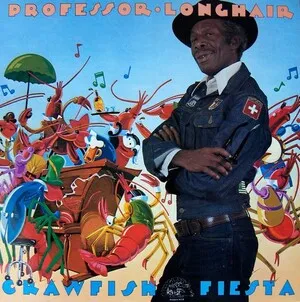
Crawfish Fiesta
Professor Longhair
1973
In the Right Place
Dr. John
1989
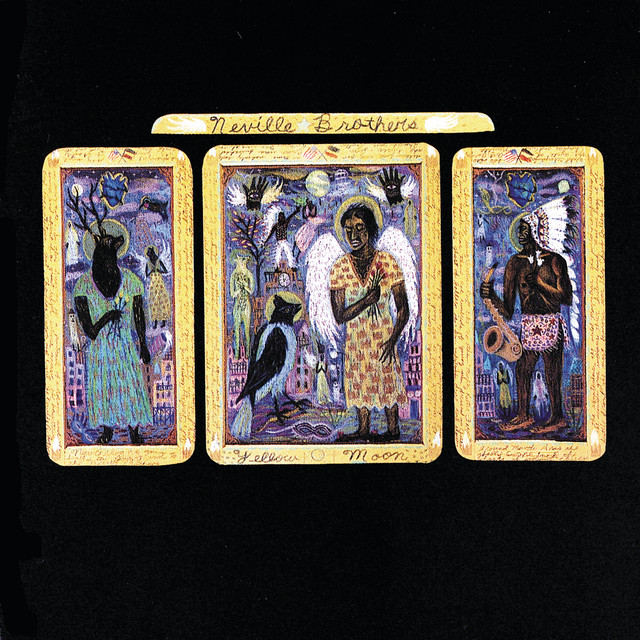
Yellow Moon
The Neville Brothers
2009
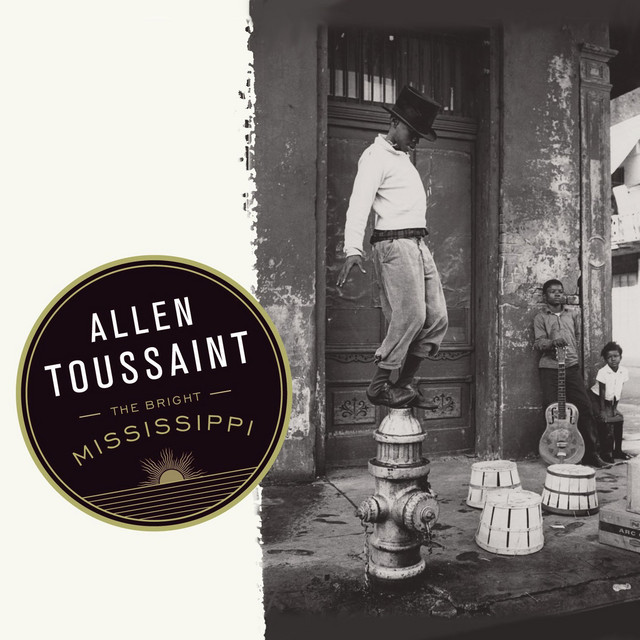
The Bright Mississippi
Allen Toussaint
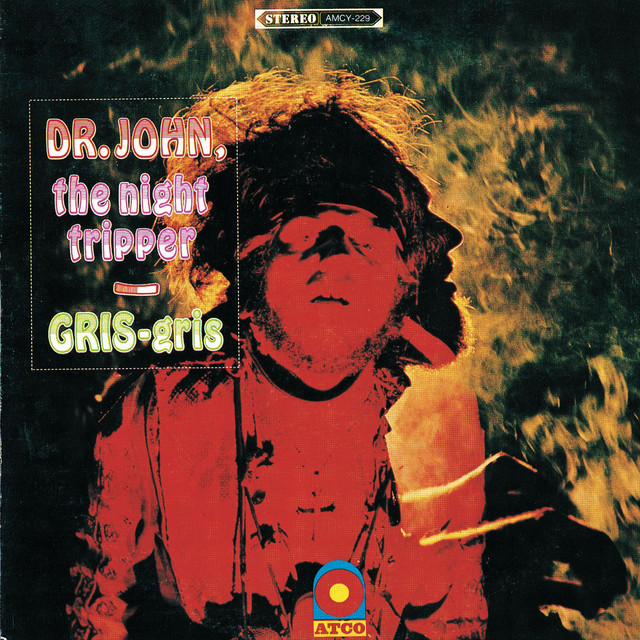
1968
Gris-Gris
Dr. John, the Night Tripper
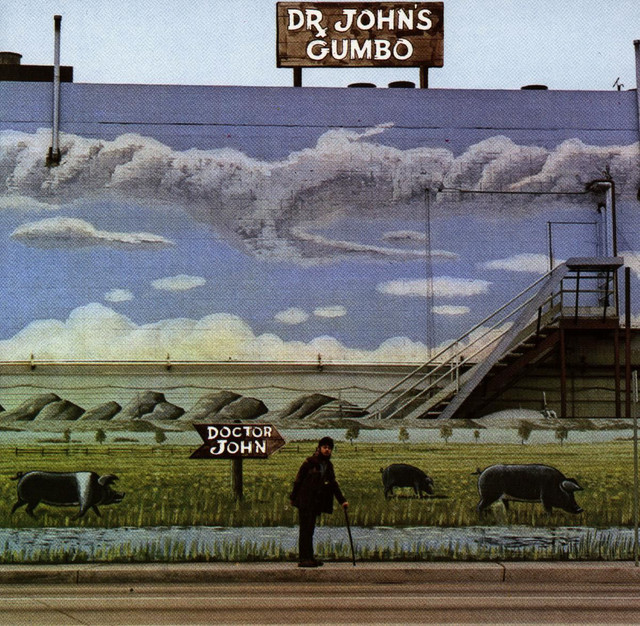
1972
Dr. John's Gumbo
Dr. John
2012
Locked Down
Dr. John
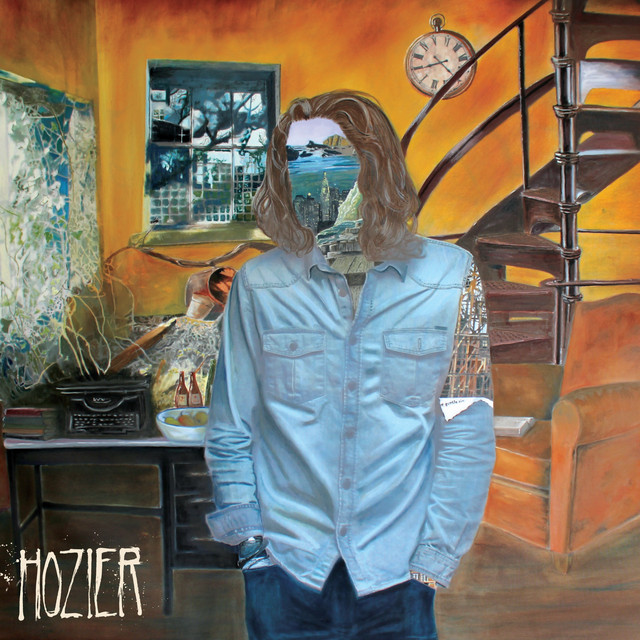
2014
Hozier
Hozier
2009
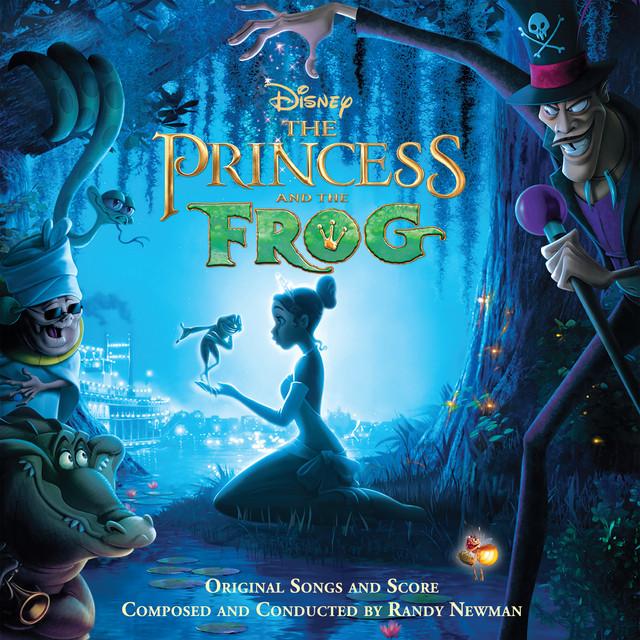
The Princess and the Frog (Original Motion Picture Soundtrack)
Dr. John
1977
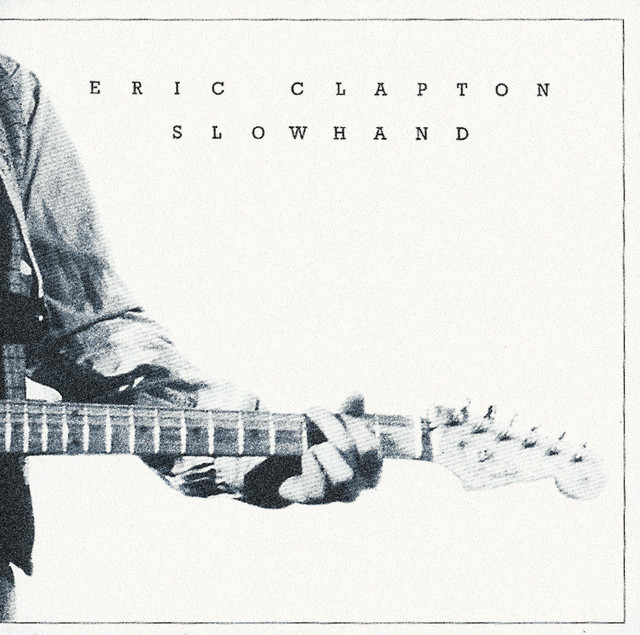
Slowhand 35th Anniversary
Eric Clapton
Download our mobile app
Get the Melodigging app and start digging for new genres on the go
Download on the App Store
Get it on Google Play
© 2026 Melodigging
Give feedback
Legal
Melodding was created as a tribute to
Every Noise at Once
, which inspired us to help curious minds keep digging into music's ever-evolving genres.