Genres
Artists
Albums
Make Music
Sign in
Sign in
Artists
Pop
Artists
Pop
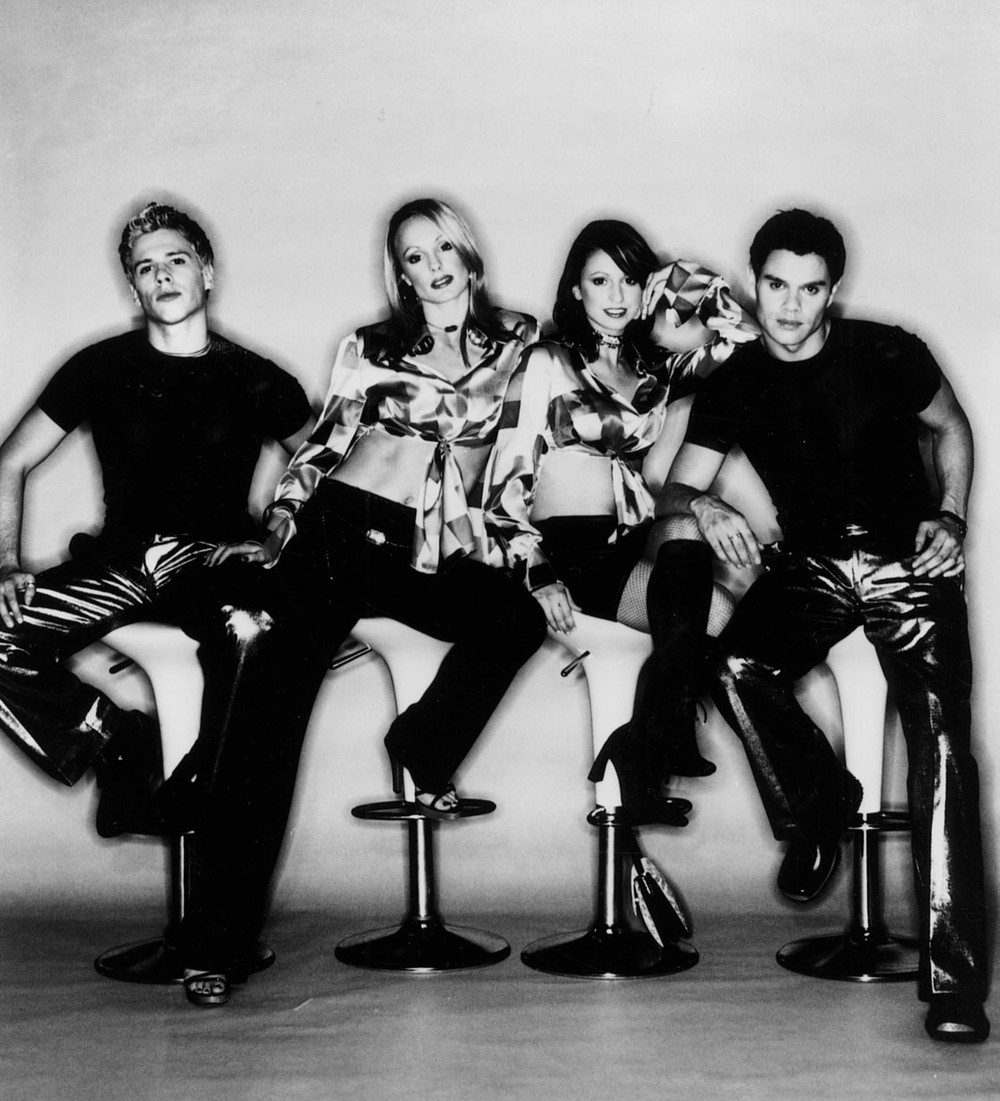
A Touch Of Class
2000
·
1 album
Listen
4
/5
Genres
Covertronica
Covertronica is a microgenre centered on electronically produced cover versions of well‑known songs. Artists retain the recognizability of the original melodies and hooks, but reimagine them with contemporary electronic palettes—glossy synths, side‑chained pads, drum machines, 808s, and modern pop/EDM production. The style thrives on clever reharmonization (e.g., minor/major flips), tempo shifts, and textural redesign, often translating rock, soul, or classic pop into sleek electropop/indietronica frameworks. Vocals are typically polished and upfront, with stacked harmonies, tight autotune as a color (when desired), and arrangement tricks such as filtered intros, half‑time drops, and breakdowns that mirror club and synth‑pop dynamics. Because the repertoire comes from existing songs, covertronica is as much about curatorial taste and arrangement craft as it is about sound design, making it a meeting point between DJ culture’s recontextualization and the singer‑producer era of the internet.
Discover
Listen
Deep Deep House
Deep deep house is a late-evolution branch of deep house that emphasizes warmth, space, and subtlety over overt hooks or peak-time energy. Compared with classic deep house, it leans even more toward minimal, dub-inflected textures, extended harmonies, and long atmospheric tails. Tracks typically feature understated yet weighty low end, soft Rhodes or pad chords rich in 7ths/9ths, lightly swung percussion, and carefully sculpted ambience. The mood is intimate and immersive—club music that invites close listening as much as dancing—often suited to small rooms, lounges, after-hours sets, and sunset/sunrise moments.
Discover
Listen
Nyc Pop
NYC pop is a contemporary, hook-forward strain of alternative pop centered on artists living and working in New York City. It blends the sheen of electropop and dance-pop with the songwriting sensibilities of indie pop and indie rock, often pairing bright synths, rhythmic guitars, and punchy drums with large, chantable choruses. Lyrically, it frequently references urban life, ambition, relationships, and self-discovery, capturing the speed, romance, and pressure-cooker energy of the city. Production is glossy but retains an indie edge: live instruments sit beside modern electronic textures, with crisp vocal stacking and ear-catching toplines designed for both radio and festival stages.
Discover
Listen
Tropical House
Tropical house is a mellow, melodic offshoot of deep house that blends a four-on-the-floor pulse with sun-soaked timbres like steel drums, marimba, pan flute, and warm acoustic guitar. It typically runs around 100–115 BPM, favors major-key progressions, and foregrounds breezy hooks over heavy drops, making it feel more like a summer pop record than a club banger. Vocals often carry romantic, nostalgic, or escapist themes—beaches, sunsets, and travel—while the production emphasizes soft percussion, sidechained pads, and a smooth, rolling sub. The genre rose to global prominence mid-2010s through hit remixes and crossover singles that brought house aesthetics into mainstream pop radio.
Discover
Listen
Vixa
Vixa is a Polish club-oriented strain of mainstream EDM that blends the swagger of big room house with the bouncy drive of Melbourne bounce and Dutch house. In Poland, “vixa” is also slang for a wild party, and the genre reflects that ethos: hard-hitting kicks, bold supersaw or brass-stab leads, and simple, chantable hooks designed for maximum dancefloor impact. Typically sitting around 128–132 BPM, vixa favors dramatic snare-roll builds, pitch-rising risers, and explosive drops with offbeat bass patterns. DJ edits of pop and regional hits—reworked into high-energy drops—are common, helping the sound dominate Polish club nights and festival stages where it thrives on big, euphoric moments.
Discover
Listen
Edm
EDM (Electronic Dance Music) refers to the mainstream, festival-oriented wave of electronic dance styles that rose to global prominence in the early 2010s. It emphasizes high-energy drops, ear-catching toplines, and crowd-pleasing arrangements designed for large stages and mass audiences. Musically, EDM typically sits around 124–130 BPM with a strong four-on-the-floor kick, wide supersaw leads, bright plucks, and heavily sidechained pads and basses for a pumping feel. Tracks are structured around tension-and-release: intros and builds lead to explosive drops, followed by breakdowns that rebuild energy. Vocals and pop-style songwriting frequently appear, enabling crossover success on radio and streaming platforms.
Discover
Listen
Slap House
Slap house is a pop-leaning strain of deep/house music built around a short, percussive "slap" bass that punches through the mix with aggressive sidechain compression. It typically sits between 118–125 BPM, uses simple minor-key harmony, and places a catchy topline—often a pitched‑down vocal or a cover of a familiar hit—over a sparse, club‑ready groove. The style borrows the weighty low end and rhythmic bounce of Brazilian bass while streamlining arrangements for streaming and radio. Clean four‑on‑the‑floor kicks, clipped claps on 2 and 4, and a tight, syncopated bass riff define the drop, with subtle pads, plucks, and FX in the breakdowns. Its combination of moody harmony, recognizable hooks, and dancefloor impact helped it dominate charts and TikTok/Spotify playlists in the late 2010s and early 2020s.
Discover
Listen
Proto-Hyperpop
Proto-hyperpop is a retrospective label for the cluster of internet-born pop experiments in the early-to-mid 2010s that foreshadowed what would later be called “hyperpop.” It fused candy-coated melodies and pitched-up vocals with maximalist sound design, glossy synthetic timbres, and playful, self-aware pop tropes. Rather than being a single scene, proto-hyperpop emerged across YouTube nightcore edits, early PC Music releases, and adjacent electronic and indie-pop circles. It drew heavily from Eurodance and trance hooks, J-pop and Vocaloid aesthetics, chiptune brightness, and the irreverent futurism of experimental pop and deconstructed club, while keeping an addictive, radio-ready sense of melody.
Discover
Listen
Bass Trap
Bass trap is a high-energy electronic dance music style that merges trap’s halftime hip-hop drum language with festival-scale sound design. It is defined by hard-hitting 808-style sub-bass, punchy snare/clap patterns, rapid hi-hat figures, and aggressive synth or bass “growls” borrowed from modern bass music. Tracks are typically built for big drops and crowd impact, using tension-heavy builds, sudden silences, and explosive low-end releases.
Discover
Listen
Chill House
Chill house is a mellow, laid-back strain of house music designed for relaxed listening as much as for dancing. It typically keeps a steady four-on-the-floor pulse but softens the impact with warm pads, gentle basslines, filtered chords, and spacious reverb. Compared with peak-time or club-focused house, chill house prioritizes atmosphere, smooth groove, and “sunset” vibes, often borrowing the hazy textures of chillwave and downtempo while staying within house’s rhythmic framework.
Discover
Listen
Classify
Classify is a streaming-era microgenre that blends light classical technique with contemporary pop repertoire, typically presented as unobtrusive instrumental covers. It prioritizes soft dynamics, gentle tempos, and intimate recording to create a calm, elegant backdrop suitable for studying, working, or events. Most arrangements are for solo piano, string quartet, cello/piano duos, or small chamber ensembles. Harmonies remain diatonic and consonant, melodies are clearly voiced, and textures favor arpeggios, ostinati, and sustained legato lines. The overall aesthetic borrows from modern classical and new age moods while retaining the familiarity of pop song forms.
Discover
Listen
Deep Tropical House
Deep tropical house is a mellow, low-end–rich offshoot of tropical house that blends the genre’s sunlit, beachy timbres (steel or mallet-like plucks, airy flutes, nylon-guitar or marimba motifs) with the smooth, subterranean warmth of deep house. Typically sitting around 100–115 BPM, it favors a steady four-on-the-floor kick, soft off-beat hats, hand percussion (shakers, congas), and a sidechained, rounded sub or sine/saw bass. Pads and keys are lush but restrained, with long reverbs and delays creating a humid, enveloping space. Vocals tend to be intimate and breathy, often centering nostalgic, romantic, or feel-good themes. Compared with mainstream tropical house, deep tropical house is less syrupy and more nocturnal: fewer big-room pop flourishes, more low-mid warmth, deeper grooves, and a calmer, poolside-after-dark atmosphere.
Discover
Listen
Fake
“Fake” is an informal, streaming-era genre tag used for sound‑alike covers, karaoke takes, tribute recordings, and generic instrumental remakes that closely mimic current or classic hits. Rather than foregrounding the original songwriter’s concept, these recordings prioritize recognizability, search optimization, and fast turnaround. Session singers and studio players reproduce the hook, tempo, and arrangement with minimal reinterpretation; track and artist names often echo the original title or lyrical catchphrase to capture search traffic.
Discover
Listen
Jirai Kei
Jirai kei is a recent Japanese internet-born pop micro‑genre and aesthetic that blends cute, sugary sounds with darker, obsessive and self‑destructive themes. The term comes from a fashion/aesthetic scene associated with yamikawaii and menhera culture, and in music it describes songs that sound soft and adorable on the surface but conceal lyrics about toxic love, dependency, jealousy, and emotional volatility. Sonically, jirai kei draws from J‑pop and Vocaloid traditions (denpa/picopop brightness, catchy hooks) while adopting modern hyperpop gloss, trap/EDM percussion, and highly edited, youthful vocals. The contrast between childlike, pastel timbres and intense, confessional writing is central to the style, making it both immediately hooky and emotionally sharp—an audio embodiment of “cute but dangerous.”
Discover
Listen
Modern Uplift
Modern uplift is a streaming‑era microgenre label for contemporary, radio‑friendly pop/rock that emphasizes optimistic, motivational songwriting and anthemic, sing‑along choruses. It sits at the intersection of post‑grunge sheen and arena‑rock scale, updated with modern pop production touches. Compared with darker alternative strains, modern uplift favors major‑key progressions, mid‑tempo grooves, layered guitars and keys, and polished mixes designed to translate from headphones to large venues. Its lineage runs through 1990s–2000s post‑grunge’s radio‑ready polish and 1970s–1980s arena rock’s big, melodic hooks, reframed in the 2010s by streaming and playlist culture that grouped kindred artists under fine‑grained microgenre tags.
Discover
Listen
Retro Pop
Retro pop is contemporary pop music that deliberately evokes the sound, songwriting, and studio aesthetics of earlier eras—most commonly the late 1970s and 1980s, but also the 1960s girl‑group era, 1970s disco, soft rock, and early 1990s pop-R&B. Hallmarks include analog-leaning synth textures, danceable four-on-the-floor or funky backbeats, prominent basslines, glossy chorus-heavy guitars, gated-reverb drums, stacked background vocals, and big, unforgettable hooks. While its palette looks backward, retro pop uses modern production workflows—tight low-end, streaming-friendly loudness, and contemporary vocal processing—so it feels nostalgic yet current. Lyrically, retro pop often pairs timeless pop themes (romance, yearning, nightlife, bittersweet memories) with sleek, neon-tinged imagery and cinematic nostalgia, bridging classic pop sensibilities with today’s chart expectations.
Discover
Listen
Eurodance
Eurodance is a high-energy, club-oriented pop style that emerged in Europe in the early 1990s. It is characterized by a strong four-on-the-floor kick, catchy synth hooks, prominent piano riffs, and a blend of sung choruses (often female) with rap verses (often male). The style typically runs between 128–145 BPM, favors simple, anthemic chord progressions, and emphasizes uplifting, motivational, or romantic lyrics delivered in English for international appeal. Production commonly features staccato house pianos, bright saw-lead melodies, choir/strings pads, and tight drum-machine patterns with offbeat open hi-hats. The result is hook-driven dance-pop designed for maximum radio and dancefloor impact.
Discover
Listen
Euro House
Euro house is a commercially oriented branch of house music that crystallized in continental Europe in the early 1990s. It blends the four-on-the-floor rhythms and club structure of house with the glossy melodies, big hooks, and pop accessibility of European chart music. Characterized by bright piano/organ stabs (often from the Korg M1), prominent diva-style vocals or chant-like hooks, punchy 909/808 drum programming, and uplifting chord progressions, euro house aimed squarely at radio and mainstream dancefloors. It often overlaps with early Eurodance, but tends to keep closer to straight house grooves and fewer rap verses. The style was driven largely by Italian, German, Belgian, and British producers and labels, delivering high-energy tracks that translated equally well to clubs, TV music shows, and pan-European charts.
Discover
Listen
Italo Dance
Italo dance is a melodic, radio-ready strain of European dance music that emerged from Italy in the late 1990s. It blends the hook-forward gloss of Italo disco and Eurodance with the groove of house, emphasizing catchy toplines, bright synth leads, and four‑on‑the‑floor rhythms. Tracks typically run around 128–140 BPM and feature an off‑beat bass, side‑chained pads, and supersaw or square‑lead riffs that mirror the vocal chorus. English‑language vocals—often delivered with a distinctly Italian timbre—alternate with instrumental refrains, making songs equally suited for club play and mainstream charts. The overall aesthetic is uplifting, sentimental, and unabashedly “pop,” with earworm choruses and simple, emotive chord progressions.
Discover
Listen
Techno
Techno is a four-on-the-floor, machine-driven form of electronic dance music that emerged in mid-to-late 1980s Detroit. It is characterized by steady 4/4 kick drums, repetitive and hypnotic rhythmic patterns, synthetic timbres, and an emphasis on texture, groove, and forward momentum over elaborate harmony. Producers typically use drum machines, sequencers, and synthesizers to build layered percussion, pulsing basslines, and evolving motifs. While often dark and minimalistic, techno spans a wide spectrum—from soulful, futuristic Detroit aesthetics to hard, industrially tinged European strains—yet it consistently prioritizes kinetic energy for dancefloors and a sense of machine futurism.
Discover
Listen
Electro
Electro is an early 1980s machine-funk style built around drum machines (especially the Roland TR-808), sequenced basslines, and a futuristic, robotic aesthetic. It emphasizes syncopated rhythms, sparse arrangements, and timbres drawn from analog and early digital synthesizers. Vocals, when present, are often delivered via vocoder or rap-style chants, reinforcing a sci‑fi, cyborg persona. Electro’s grooves powered breakdance culture, and its sonic palette—crisp 808 kicks, snappy snares, dry claps, cowbells, and squelchy bass—became foundational to later techno and bass music.
Discover
Listen
Synth-Pop
Synth-pop is a pop-oriented style that foregrounds the synthesizer as its primary instrument, often paired with drum machines and sequencers. It favors clean, melodic hooks, concise song structures, and a sleek, modernist sound that ranges from cool and minimal to lush and romantic. Emerging at the turn of the 1980s from the UK new wave and post-punk scenes, synth-pop leveraged affordable analog and then digital keyboards to bring electronic textures into the mainstream. Its sonic palette includes arpeggiated basslines, shimmering pads, bright leads, gated or machine-driven drums, and polished vocals that convey both futuristic detachment and emotional immediacy.
Discover
Listen
Europop
Europop is a broad pop music style that developed in continental Europe and emphasizes catchy melodies, strong hooks, and danceable rhythms. It often features bright, polished production, simple and memorable choruses, and a preference for major keys and sing‑along refrains. While early europop drew on local traditions like schlager and yé‑yé, the genre quickly integrated international influences such as disco, synth‑pop, and new wave. English‑language lyrics are common to facilitate cross‑border appeal, though many hits also mix languages. Europop is closely associated with the Eurovision Song Contest aesthetic—big choruses, theatrical staging, and accessible, universal themes.
Discover
Listen
Pop
Pop is a broad, hook-driven style of popular music designed for wide appeal. It emphasizes memorable melodies, concise song structures, polished vocals, and production intended for radio, charts, and mass media. While pop continually absorbs elements from other styles, its core remains singable choruses, accessible harmonies, and rhythmic clarity. Typical forms include verse–pre-chorus–chorus, frequent use of bridges and middle-eights, and ear-catching intros and outros. Pop is not defined by a single instrumentation. It flexibly incorporates acoustic and electric instruments, drum machines, synthesizers, and increasingly digital production techniques, always in service of the song and the hook.
Discover
Listen
Show all 24 genres
Albums
2000
4
/5
Planet Pop
ATC
Italo Dance
Euro House
Pop
Similar artists
4
/5
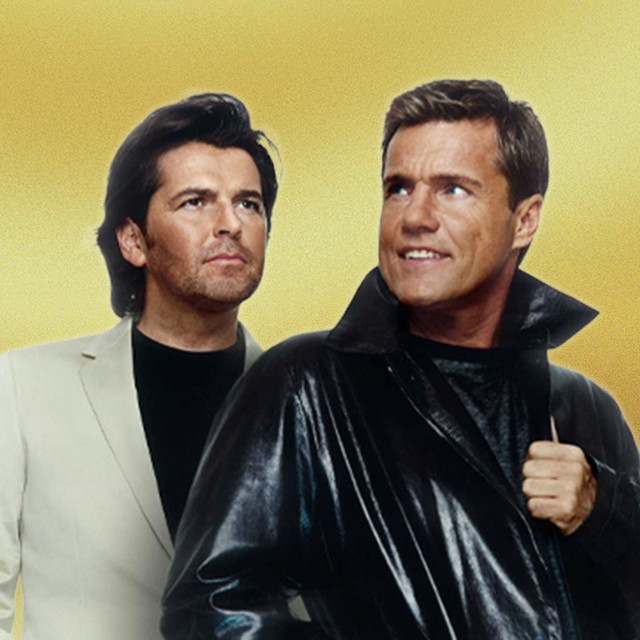
Modern Talking
Europop
Italo-Disco
Pop
4
/5
INNA
Europop
Electronic
Tropical House
4
/5
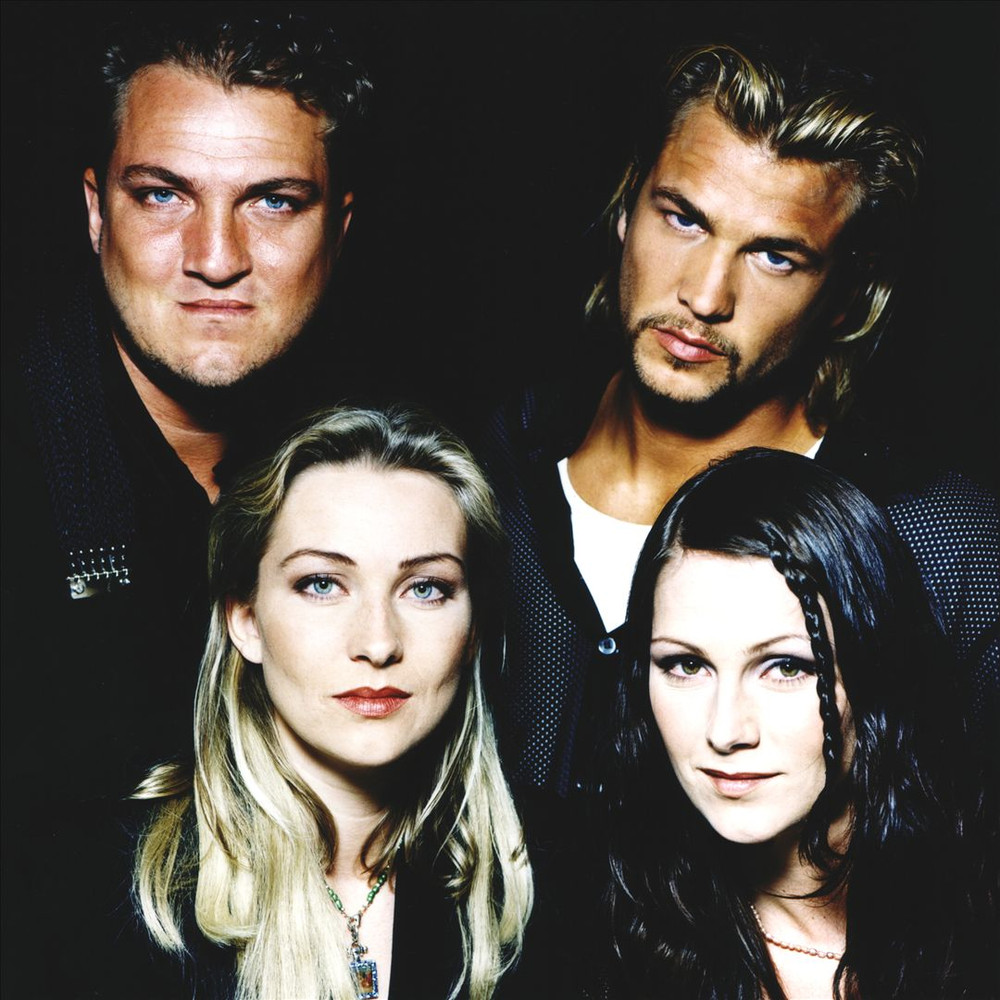
Ace of Base
Europop
Pop
Adult Contemporary
4
/5
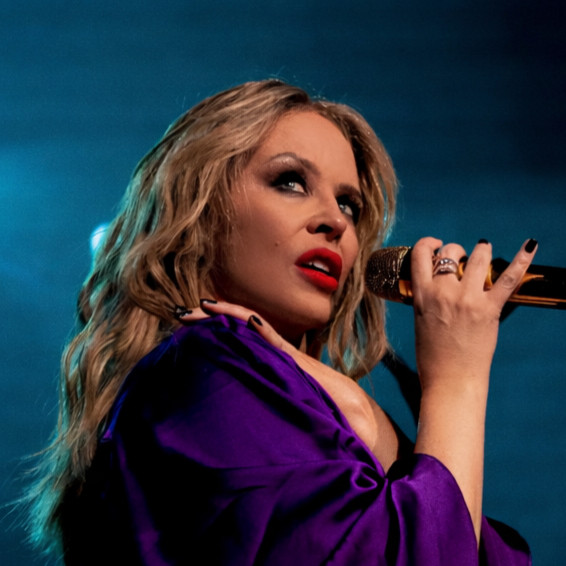
Kylie Minogue
Dance-Pop
Edm
Acoustic Guitar Cover
4
/5
GIGI D'AGOSTINO
Italo Dance
Eurodance
Lento Violento
4
/5
Haddaway
Eurodance
Chill Pop
Electronic
4
/5
Vengaboys
Bubblegum Dance
Eurodance
Electronic
4
/5
Joost
Gabber
Europop
Brony Music
5
/5
Rihanna
Barbadian Pop
Contemporary R&b
Electronic
5
/5
David Guetta
Dance
Electronic
House
Download our mobile app
Get the Melodigging app and start digging for new genres on the go
Download on the App Store
Get it on Google Play
© 2026 Melodigging
Give feedback
Legal
Melodding was created as a tribute to
Every Noise at Once
, which inspired us to help curious minds keep digging into music's ever-evolving genres.