Genres
Artists
Albums
Make Music
Sign in
Sign in
Artists
City Pop
Artists
City Pop
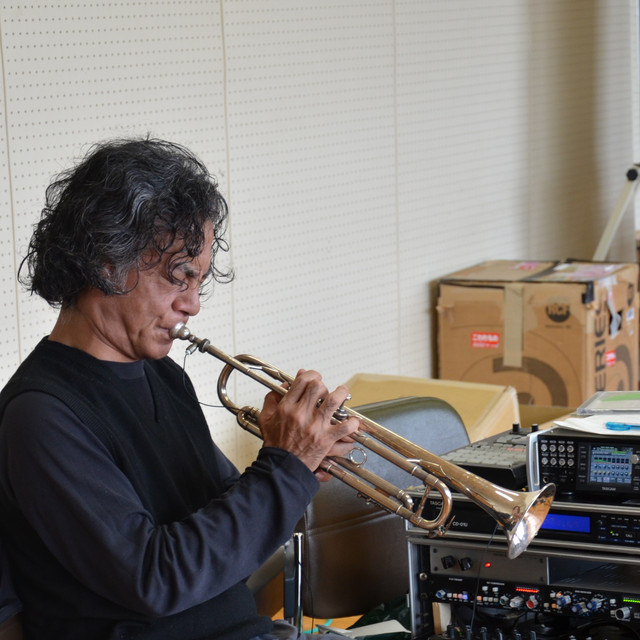
近藤等則
Listen
1
/5
Genres
Downtempo
Downtempo is a mellow, groove-oriented branch of electronic music characterized by slower tempos, plush textures, and a focus on atmosphere over dancefloor intensity. Typical tempos range from about 60–110 BPM, with swung or laid-back rhythms, dub-informed basslines, and warm, jazz-tinged harmonies. Stylistically, it blends the spaciousness of ambient, the head-nodding rhythms of hip hop and breakbeat, and the cosmopolitan smoothness of lounge and acid jazz. Producers often use sampled drums, Rhodes or Wurlitzer electric pianos, guitar licks with delay, and field recordings to create intimate, cinematic soundscapes. The mood spans from soulful and romantic to introspective and dusk-lit, making it a staple of after-hours listening, cafes, and relaxed club back rooms.
Discover
Listen
Nu Jazz
Nu jazz is a late-1990s movement that blends contemporary electronic production with the improvisational language and harmony of jazz. It keeps jazz’s extended chords, modal colors, and live soloing, but places them over programmed beats, sampled textures, and synth-driven arrangements. Typical tracks feature warm Rhodes or piano voicings, roomy horns, and deep bass sitting alongside house, broken beat, or downtempo grooves. The result is music that feels both club-ready and listening-focused, bridging intimate jazz sensibilities with modern electronic sound design.
Discover
Listen
Trip Hop
Trip hop is a downtempo, atmospheric fusion of hip hop rhythm and sampling techniques with the textures of dub, soul, jazz, and ambient music. Emerging from the Bristol scene in the early 1990s, it favors slow, head‑nodding breakbeats, deep bass, and cinematic sound design. The style is characterized by moody harmonies (often in minor keys), woozy tape- and vinyl-derived timbres, and liberal use of delay and reverb. Vocals frequently alternate between intimate, breathy singing and spoken word/rap, and lyrical themes tend toward noir, introspective, and melancholic subjects. Strings, Rhodes pianos, turntable scratches, and field recordings are common, creating a shadowy, filmic vibe.
Discover
Listen
City Pop
City pop is a sleek, cosmopolitan strain of Japanese popular music that emerged in the late 1970s and flourished throughout the 1980s. It fuses the polish of Western AOR and soft rock with funk, disco, jazz fusion, and boogie grooves, wrapping them in sophisticated harmonies and studio gloss. Built for car stereos, FM radio, and neon-lit nightlife, the style favors tight rhythm sections, lush keyboards (Rhodes, FM synths), clean chorus-laden guitars, and sax or synth leads. Lyrics often paint aspirational urban scenes—coastal highways, midnight drives, summer romance—balancing breezy optimism with a bittersweet, nostalgic hue. After a period of relative dormancy in the 1990s, city pop enjoyed a global revival in the 2010s via YouTube algorithms, online crate-digging, and sample-based microgenres, turning once-domestic hits into worldwide cult classics.
Discover
Listen
Free Improvisation
Free improvisation is a practice of spontaneous music-making that avoids fixed idioms, stylistic templates, and pre-agreed structures. Musicians prioritize listening, interaction, and the exploration of sound itself—timbre, texture, dynamics, and silence—over conventional melody, harmony, or pulse. Guitarist Derek Bailey popularized the notion of "non-idiomatic improvisation," describing a music that deliberately resists falling into recognizable genre habits. While often overlapping with free jazz and contemporary classical experimentalism, free improvisation is not confined to either. It welcomes any instrument or sound source—acoustic, electronic, or everyday objects—and frequently uses extended techniques, feedback, and unconventional performance gestures. Performances can range from whisper-quiet, pointillistic interplay to ferocious, high-energy noise, with the ensemble shaping form in real time through attention and constraint.
Discover
Listen
Free Jazz
Free jazz is a radical branch of jazz that rejects fixed chord progressions, strict meter, and conventional song forms in favor of collective improvisation, textural exploration, and spontaneous interaction. Musicians prioritize timbre, dynamics, and gesture as much as pitch and harmony, often using extended techniques (multiphonics, overblowing, prepared piano) and unconventional sounds. While rooted in the blues and earlier jazz vocabularies, free jazz frees improvisers from pre-set harmonic cycles, allowing lines to unfold over tonal centers, shifting modes, drones, or complete atonality. Rhythm sections may float without a steady pulse, or drive with layered polyrhythms and “energy playing.” The result ranges from contemplative soundscapes to cathartic, high-intensity eruptions. Culturally, the genre intersected with the civil rights era and broader avant-garde movements, emphasizing autonomy, community, and new possibilities for musical expression.
Discover
Listen
Avant-Garde Jazz
Avant-garde jazz is a boundary-pushing current of jazz that privileges experimentation, collective improvisation, and timbral exploration over conventional song forms and chord progressions. It often uses atonality or loose tonality, extended instrumental techniques, shifting or absent meters, and open forms. Ensembles may emphasize texture and density as much as melody and harmony, drawing as readily from modern classical music and non-Western traditions as from blues and bebop. While sometimes intense or noisy, avant-garde jazz also embraces spaciousness and silence, allowing players to interact in real time without predetermined roles. The result is music that questions the limits of jazz itself, foregrounding sound, spontaneity, and social expression.
Discover
Listen
Congolese Rumba
Congolese rumba (often called African rumba) is a danceable, guitar-driven popular music that emerged in Kinshasa and Brazzaville after World War II. It blends Afro‑Cuban son and bolero harmonies with Central African rhythmic sensibilities and call‑and‑response vocals. Typical recordings feature interlocking electric guitars (rhythm, mi‑solo and lead) playing lilting, cyclical figures over a steady, clave‑informed groove, buoyed by congas, maracas, cowbell, bass tumbao, and occasional horns. Songs frequently move from a lyrical, crooning verse into an extended instrumental vamp called the “sebene,” where the band raises the energy for dancers. Lyrically, Congolese rumba often uses Lingala (and sometimes French), celebrating romance, urban life, and social themes with suave vocal harmonies and a refined sense of melody.
Discover
Listen
Jazz
Jazz is an improvisation-centered music tradition that emerged from African American communities in the early 20th century. It blends blues feeling, ragtime syncopation, European harmonic practice, and brass band instrumentation into a flexible, conversational art. Defining features include swing rhythm (a triplet-based pulse), call-and-response phrasing, blue notes, and extended harmonies built on 7ths, 9ths, 11ths, and 13ths. Jazz is as much a way of making music—spontaneous interaction, variation, and personal sound—as it is a set of forms and tunes. Across its history, jazz has continually hybridized, from New Orleans ensembles and big-band swing to bebop, cool and hard bop, modal and free jazz, fusion, and contemporary cross-genre experiments. Its influence permeates global popular and art music.
Discover
Listen
Show all 9 genres
Similar artists
1
/5
Various Artists
Soundtrack
Afro-Funk
Alternative Rock
4
/5
Joe Hisaishi
Anime
Classical
Electronic
4
/5
Bonobo
Instrumental Hip Hop
Jazztronica
Downtempo
4
/5
The Cinematic Orchestra
Nu Jazz
Downtempo
Electronic
4
/5
Thievery Corporation
Livetronica
Acid Jazz
Downtempo
4
/5
Quantic
Electronic
Nu-Cumbia
Downtempo
4
/5
Parov Stelar
Balkan Beats
Electro Swing
Nu Jazz
3
/5
Nightmares On Wax
Bleep Techno
Trip Hop
Downtempo
3
/5
St Germain
Jazztronica
Acid Jazz
Downtempo
3
/5
Gotan Project
Neotango
Electronic
Electrotango
Download our mobile app
Get the Melodigging app and start digging for new genres on the go
Download on the App Store
Get it on Google Play
© 2026 Melodigging
Give feedback
Legal
Melodding was created as a tribute to
Every Noise at Once
, which inspired us to help curious minds keep digging into music's ever-evolving genres.