Your digging level

For this genre
0/8
🏆
Sign in, then listen to this genre to level up

Description

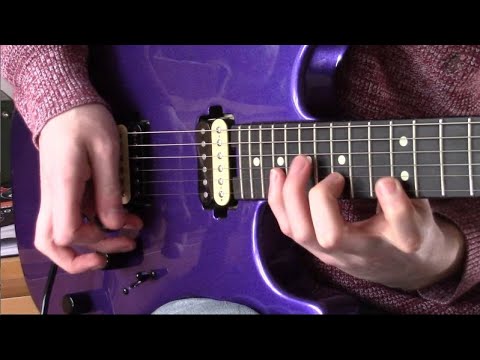
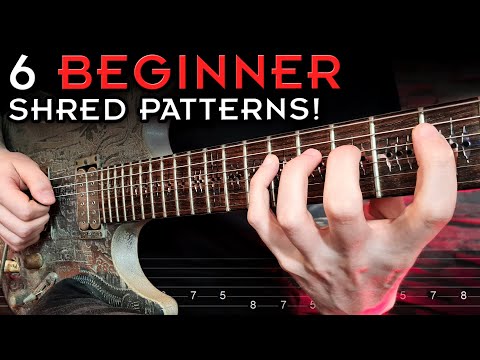
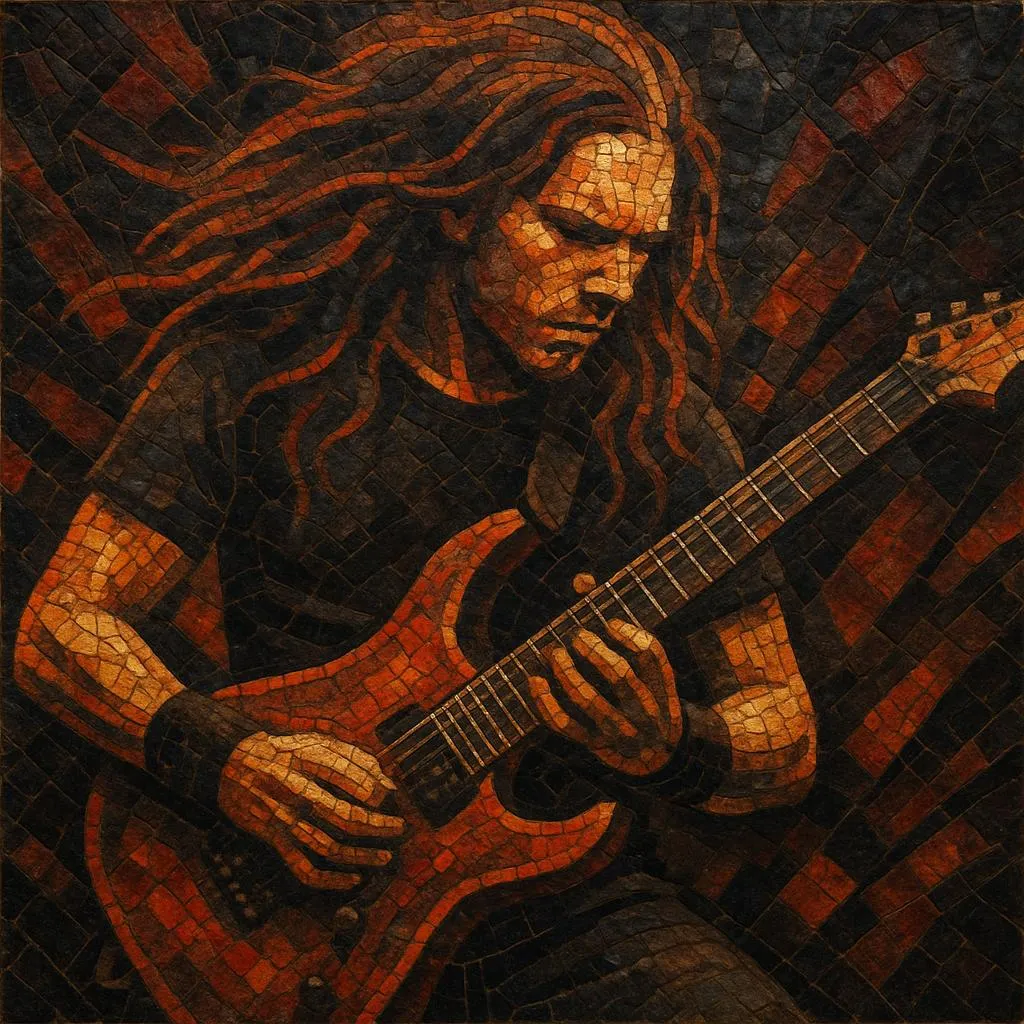
Shred (often “shred guitar”) is a virtuosic, high-speed style of rock/metal lead guitar playing distinguished by extreme technical facility and showmanship.

It emphasizes rapid alternate picking, sweep/economy-picked arpeggios, legato runs, multi-finger tapping, wide-string skipping, whammy-bar articulation, and precise synchronization between both hands. Harmonically it often draws on minor tonalities (especially harmonic minor, Phrygian dominant, and diminished), neoclassical cadences, and chromaticism, while rhythm sections supply a hard rock or metal backbeat at high tempos.

The sound typically uses high-gain distortion, tight compression, delay/reverb for sustain, and articulate amp/EQ settings so fast passages remain clear. Although closely associated with 1980s metal aesthetics, shred persists as a technique-forward idiom across instrumental rock, power/progressive metal, and online guitar culture.


Sources: Spotify, Wikipedia, Discogs, RYM, MB, user feedback and other online sources

History

Origins (late 1970s–early 1980s)
•   The roots of shred lie in late-1970s hard rock and heavy metal, as guitarists pushed speed, clarity, and extended techniques. Eddie Van Halen’s 1978 “Eruption” mainstreamed two-hand tapping and set a new bar for lead pyrotechnics. Simultaneously, players inspired by classical repertoire (notably Baroque violin/keyboard figurations) began adapting scalar runs and arpeggio patterns to electric guitar.
The 1980s Boom
•   The style exploded in the 1980s via US and European metal scenes, instructional media, and gear that favored high-gain sustain. Yngwie Malmsteen codified a neoclassical approach (harmonic minor, diminished/arpeggiated sequences), while Randy Rhoads blended classical figures with melodic hard rock. Shrapnel Records championed a roster of virtuosi (e.g., Tony MacAlpine, Jason Becker, Marty Friedman), and magazines/videos (Guitar Player, Guitar World, Hot Licks) popularized advanced techniques. Glam and speed/power metal arenas embraced the “extended solo” as a spectacle.
1990s Retrenchment and Evolution
•   With the rise of grunge/alternative, hyper-virtuosic solos fell out of mainstream fashion, but shred persisted in niche metal, instrumental rock, and progressive communities. Players refined precision over pure speed, integrating phrasing and composition with technique.
2000s–Present: Globalization and Hybridization
•   The internet (tabs, forums, YouTube) democratized access to lessons and backing tracks, creating a global shred pedagogy. New generations blended shred with progressive metal, djent, and extreme metal, while extended-range guitars and modern amp modeling expanded articulation and low-register techniques. Tours like G3 and a thriving boutique-pedal/amp market sustained interest. Today, shred is both a discrete genre and a technique set permeating power/progressive/symphonic metal and instrumental guitar music.

How to make a track in this genre

Core Sound and Gear
•   Use a high-gain amp or modeler with tight bass, focused mids, and enough treble for note definition. Add light compression and medium delay/reverb for sustain without smearing fast passages. •   Guitars with flatter radii, jumbo frets, a reliable tremolo (for controlled vibrato/dive-bombs), and medium–low action aid facility. Hot humbuckers help maintain clarity at speed.
Harmony and Vocabulary
•   Favor minor tonalities and neoclassical colors: natural minor (Aeolian), harmonic minor, Phrygian dominant, and diminished/whole–half symmetrical scales. •   Common cadential gestures: V–i (often via harmonic minor), circle-of-fifths movement, and pedal-point riffs under scalar sequences. •   Arpeggio focus: triads and seventh chords swept across 3–6 strings; incorporate diminished/augmented for dramatic tension.
Technique and Phrasing
•   Build a toolbox: strict alternate picking, legato (hammer-ons/pull-offs/slides), sweep/economy picking, 2–4 finger tapping, string skipping, hybrid picking, and precise left-hand muting. •   Practice with a click at moderate tempos (e.g., 100–140 BPM sextuplets), gradually increasing speed. Prioritize synchronization and tone even at maximum velocity. •   Balance velocity with motifs: sequence a short idea through diatonic steps; contrast scalar bursts with lyrical bends and vibrato; leave space for breath.
Rhythm Section and Form
•   Backing: tight hard rock/metal rhythm guitars (palm-muted 8ths/16ths), bass locked with drums; tempos frequently 140–200+ BPM. •   Typical structure (instrumental): intro riff → theme/head → solo development (modulations, arpeggio etudes, tapping interludes) → recapitulation → coda. In band songs, place concise, high-impact solos that develop the vocal harmony.
Compositional Tips
•   Outline harmony: design solo lines that hit 3rds/7ths at chord changes, then add tension tones (b9/#9/#11/13) sparingly. •   Contrast sections: alternate neoclassical cadence runs with bluesy phrasing to avoid monotony. •   Record clean DI and reamp to fine-tune gain/EQ so every note of fast passages remains intelligible.

Top tracks

Locked
Share your favorite track to unlock other users’ top tracks

Upcoming concerts

in this genre
Influenced by
Has influenced

Download our mobile app

Get the Melodigging app and start digging for new genres on the go
© 2026 Melodigging
Melodding was created as a tribute to Every Noise at Once, which inspired us to help curious minds keep digging into music's ever-evolving genres.
Buy me a coffee for Melodigging