Your digging level
Description
Polka paraguaya is Paraguay’s distinctive take on the European polka, transformed in the Southern Cone into a vibrant dance-music idiom.
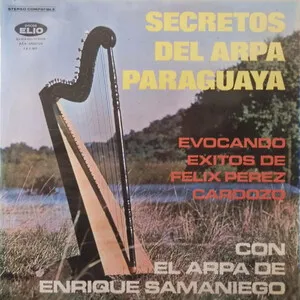
Unlike the Central European 2/4 polka, the Paraguayan variant is commonly felt in 6/8 and features a hallmark sesquiáltera (hemiola) interplay between 6/8 and 3/4, producing a buoyant, forward-driving swing. The Paraguayan harp (arpa paraguaya) and guitars are core timbral signatures, with violin and sometimes accordion supplementing the ensemble.
Two principal subtypes coexist: the faster instrumental galopa (dance-oriented) and the more lyrical polca canción (song form), often sung in Guaraní or in Jopará (a Spanish–Guaraní mix). Melodic lines tend to be diatonic and singable, harmony typically revolves around I–IV–V with occasional dominant preparations, and textures showcase arpeggiation, rasgueado strumming, and characteristic harp glissandi.
History
European polka reached Paraguay amid the continent-wide polka craze of the mid-1800s. Local musicians and dancers adapted the imported dance to regional aesthetics, instruments, and repertoires. By the 1850s, a distinctly Paraguayan form—polka paraguaya—had taken shape. The shift toward a 6/8 feel and the widespread use of sesquiáltera reflected longstanding Hispanic–Indigenous rhythmic practices found across the Southern Cone, while the Paraguayan harp and criollo guitars grounded the sound in local craftsmanship and performance traditions.
After the War of the Triple Alliance (1864–1870), polka paraguaya remained a resilient vehicle of communal recreation and identity. Rural fêtes and urban salons alike favored the style. Luthiers refined the arpa paraguaya, and ensembles standardized a harp–guitar core with optional violin or accordion. The music circulated via traveling performers and early print/collecting efforts, gradually codifying forms and dance steps.
Radio and recording from the 1930s onward expanded the style’s reach. Harp virtuosi and vocal groups brought polka paraguaya to international audiences, especially in the 1950s–1970s, when ensembles like Los Paraguayos toured widely. Alongside the introspective, slower guarania that emerged later, polka paraguaya remained the upbeat, danceable cornerstone of the nation’s repertoire.
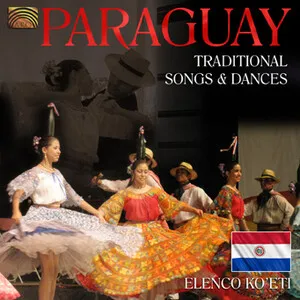
Contemporary performers maintain the dance tradition in folkloric festivals while also arranging polkas for concert stage and crossover settings. The genre endures as a symbol of Paraguayan cultural identity, sung in Guaraní or Spanish, and continues to inspire regional folk and popular styles.