Your digging level

For this genre
0/8
🏆
Sign in, then listen to this genre to level up

Description

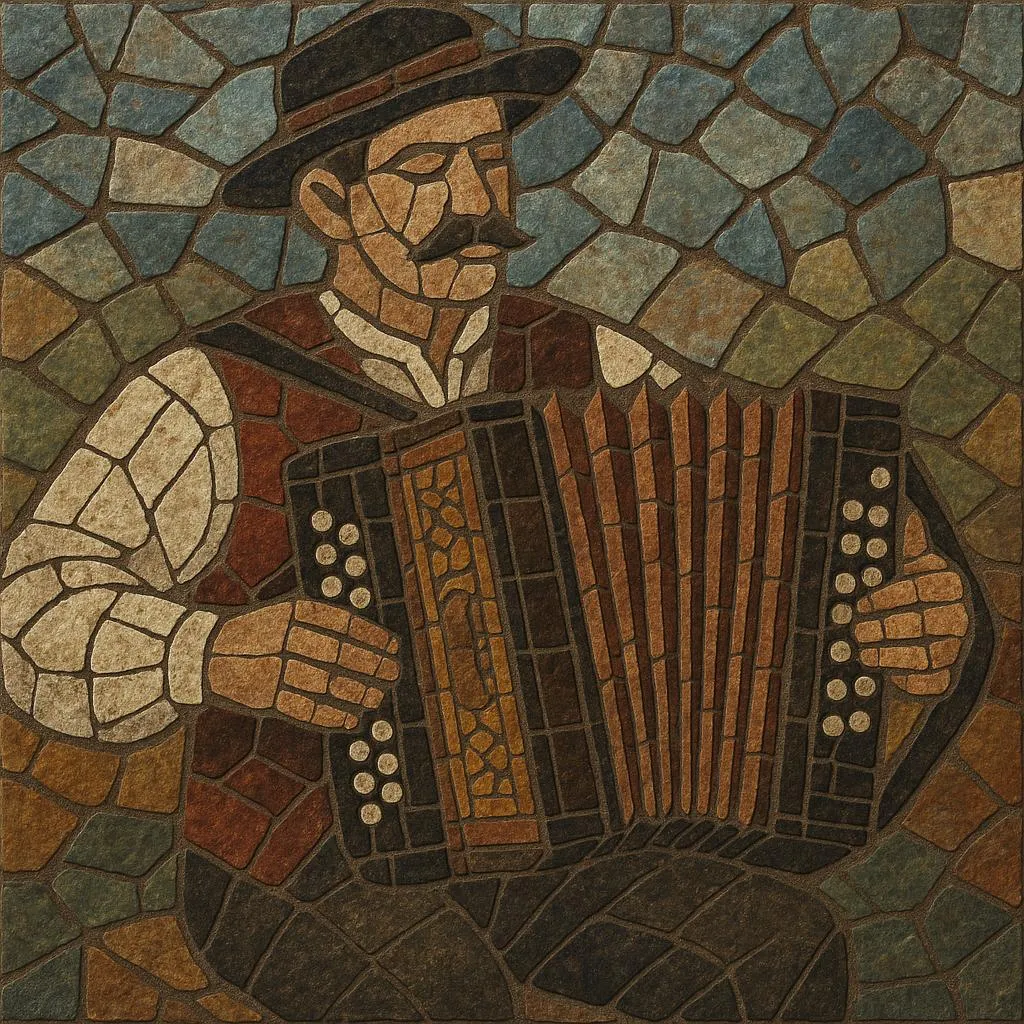
Heligonka refers to the Central European folk music tradition built around the heligónka/heligonka: a diatonic button accordion fitted with powerful “helicon” bass reeds that produce a tuba‑like growl. The instrument’s punchy bass and bright, reedy treble make it ideal for outdoor dancing and village festivities.

In performance, heligonka players lead polkas, waltzes (valčík), čardáš, and regional song repertories. Typical textures feature right‑hand melody with left‑hand oom‑pah bass figures and walking runs, often supporting solo or unison singing. The style thrives in Slovak and Moravian regions, where small folk groups, family bands, and community "heligonkári" ensembles keep a lively, dance‑forward sound rooted in local tradition.


Sources: Spotify, Wikipedia, Discogs, RYM, MB, user feedback and other online sources

History

Origins (late 19th–early 20th century)

The heligonka instrument emerged in the late 19th century as a robust, rural variant of the diatonic button accordion equipped with large helicon (tuba‑style) bass reeds. Its strong projection and portability quickly made it a favorite for village dances and weddings across northern and central Slovakia and neighboring Moravian/Czech regions.

Consolidation in local dance life (early–mid 20th century)

By the early 1900s, heligonka playing had become closely tied to regional dance repertoires: fast 2/4 polkas, elegant 3/4 waltzes, and expressive čardáš with flexible tempo. Soloists and small groups of “heligonkári” provided music at fairs, harvest celebrations, and family gatherings, often alternating instrumental sets with choral strophic songs.

Folk revival and stage presentation (late 20th century)

Post‑war folkloric ensembles and amateur festivals helped standardize arrangements for stage, preserving local dialect songs while showcasing virtuosic heligonka techniques (ornamented right‑hand lines, accented left‑hand bass runs, and antiphonal singing). Recording and radio appearances further popularized the instrument’s distinctive bass growl and crisp bellows phrasing.

Contemporary scene

Today, heligonka remains a living community practice. Regional clubs and festivals gather “heligonkári” of all ages; makers continue to build and restore instruments; and new repertoires mix traditional dance tunes with fresh compositions—all while maintaining the idiomatic oom‑pah drive, communal singing, and celebratory dance function that define the style.


How to make a track in this genre

Core instrumentation and setup
•   Use a diatonic button accordion (heligonka) with helicon bass reeds. Common tunings include paired rows such as G/C, C/F, or D/G. •   Solo heligonka works well, but small folk groupings (voice, fiddle or clarinet, and sometimes bowed or plucked bass/brass) are idiomatic.
Rhythm and groove
•   Polka (2/4): Emphasize a firm oom‑pah bass—low root (beat 1) then chord (beat 2). Keep tempos lively and danceable. •   Waltz/Valčík (3/4): Shape a flowing 1‑2‑3 with a strong first beat and lighter 2–3, allowing singers room to phrase. •   Čardáš: Employ rubato/intensity shifts between slow, lyrical sections and brisk dance passages; use bellows dynamics for drama.
Harmony and texture
•   Favor simple diatonic harmonies (I–IV–V) with occasional modal inflections tied to local song dialects. •   Left hand supplies bass + chord patterns; right hand carries melody with ornamentation (grace notes, mordents, rapid triplets). •   Use call‑and‑response: instrumental “answers” to sung lines, or short right‑hand fills between vocal phrases.
Melody and phrasing
•   Compose strophic tunes with singable ranges and memorable refrains. Balance stepwise motion with leaps that suit the button layout. •   Shape phrases with bellows expression: accent upbeats for lift, taper phrase ends, and add bellows shakes for climactic cadences.
Form and arrangement
•   Alternate instrumental dances with stanzas of a folk song; insert brief instrumental interludes or modulate to a closely related key row for contrast. •   Keep endings crisp—ritard a final phrase and punctuate with a decisive bass‑chord hit to cue dancers.

Top tracks

Locked
Share your favorite track to unlock other users’ top tracks

Upcoming concerts

in this genre
Influenced by

Download our mobile app

Get the Melodigging app and start digging for new genres on the go
© 2026 Melodigging
Melodding was created as a tribute to Every Noise at Once, which inspired us to help curious minds keep digging into music's ever-evolving genres.
Buy me a coffee for Melodigging