Your digging level

For this genre
0/8
🏆
Sign in, then listen to this genre to level up

Description

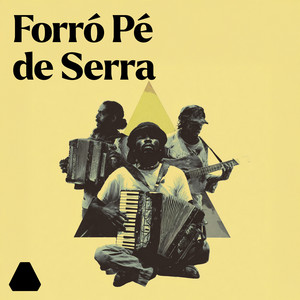
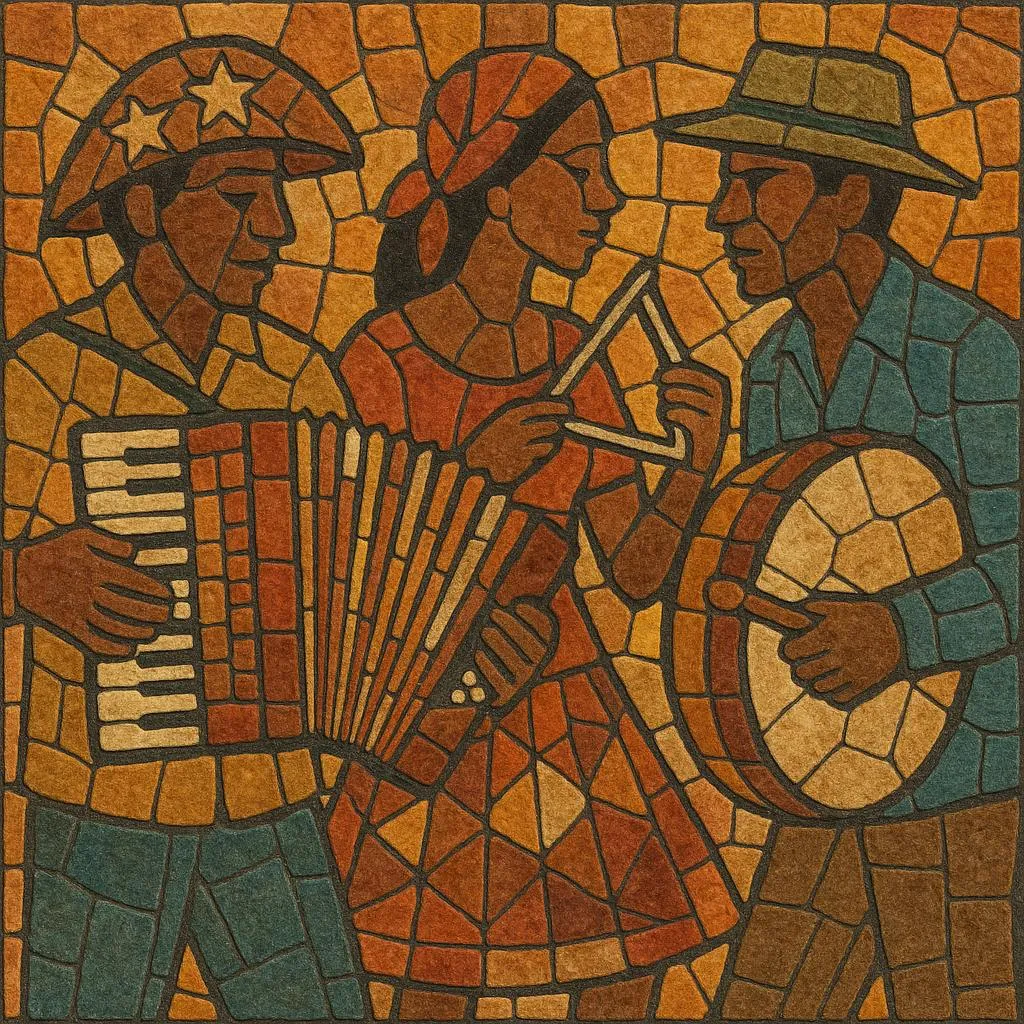
Forró pé de serra is the traditional, "roots" strain of forró from Northeastern Brazil. It is centered on an acoustic trio—accordion (sanfona), zabumba (a shallow bass drum played with beater and stick), and triangle—whose interlocking patterns create an infectious, syncopated 2/4 groove.

Within pé de serra, musicians cycle through danceable rhythms such as baião (springy and syncopated), xote (slower, swaying step), and arrasta-pé (faster, driving party rhythm). Melodies are typically diatonic and singable, harmonies are concise and functional (I–IV–V with occasional modal color), and lyrics celebrate festas juninas (June festivities), love and longing, rural life in the sertão, and the social fabric of the Northeast.

The sound is earthy and immediate: the accordion supplies bass, chords, and melody; the zabumba anchors the backbeat and offbeat slaps; and the triangle shimmers with steady ostinati. The result is music that is at once rustic, urban-popular, and endlessly danceable.


Sources: Spotify, Wikipedia, Discogs, RYM, MB, user feedback and other online sources

History

Origins and Popularization (1940s–1950s)

Forró pé de serra took shape in the 1940s as Northeastern Brazilian dance-music traditions—especially baião, xote (from European schottische), xaxado, coco, and related forms—coalesced into a portable urban style. The accordionist-singer Luiz Gonzaga, often called the “King of Baião,” was pivotal: through radio, records, and nationwide tours, he popularized the sanfona–zabumba–triangle trio, urbanizing rural dances and defining the pé de serra aesthetic for a mass audience.

Consolidation and Expansion (1960s–1980s)

In the 1960s and 1970s, artists like Dominguinhos (Gonzaga’s protégé) refined the idiom with sophisticated harmonies and lyrical depth, while groups such as Trio Nordestino and Os 3 do Nordeste carried the trio format to dance halls and festivals. The repertoire widened to include slower xotes and sprightly arrasta-pés, and the style became a staple of São João festivities across Brazil.

Revivals, Scenes, and New Offshoots (1990s–present)

In the 1990s, a youth-driven revival helped re-center pé de serra in club and university scenes, even as more electronic, pop-oriented offshoots—like forró eletrônico and later piseiro (pisadinha)—gained prominence. Festivals (e.g., in Itaúnas) and forró dance communities in Europe and the Americas fostered international followings. In the 21st century, cultural recognition initiatives in Brazil further cemented forró’s status as a key expression of Northeastern identity, with pé de serra upheld as the genre’s acoustic, rootsy core.

How to make a track in this genre

Core Instrumentation and Roles
•   Accordion (sanfona): Provide bass (left-hand buttons), chordal comping, and melody. Use staccato bass-chord patterns and melodic hooks; ornament with grace notes and quick bellows shakes. •   Zabumba: Strike the head center (low thump) typically on beat 2; play rimshots (offbeat/"e-and") with a thin stick to create syncopation; vary accents to distinguish baião, xote, and arrasta-pé. •   Triangle: Maintain a bright 16th-note ostinato with subtle open–closed articulations; emphasize offbeats to lift the groove.
Rhythmic Blueprints (2/4 time common)
•   Baião: Syncopated push–pull feel; zabumba low hit on 2, rim syncopations (often on the “e/and”); tempo ~110–135 BPM. •   Xote: Swaying, relaxed step; more even subdivision; tempo ~85–110 BPM. •   Arrasta-pé: Up-tempo party feel; driving triangle; tempo ~130–160 BPM.
Harmony and Melody
•   Use concise tonal harmony: I–IV–V, occasional ii–V or V/V; mixolydian color is common (flat 7 on the dominant chord), with modal inflections drawn from folk practice. •   Favor singable, diatonic melodies with call-and-response refrains; keep phrases 4 or 8 bars; modulations are rare but effective between verses/choruses. •   Accordion-friendly keys (G, D, A, C) ease left-hand bass patterns and right-hand melody.
Lyrics and Form
•   Topics: festas juninas, romance and saudade, the sertão’s climate and culture, travel, humor and double entendre. •   Forms: Verse–refrain, often with a strong, repeatable chorus; insert short instrumental interludes (accordion solos) between verses.
Arrangement and Performance Tips
•   Keep the trio texture clear: avoid over-arranging; let each instrument’s pattern interlock. •   Use dynamic swells into choruses; spotlight the triangle in breaks to stoke the dance floor. •   For authenticity, prioritize live, acoustic timbres; minimal amplification and light reverb preserve the raw swing.

Top tracks

Locked
Share your favorite track to unlock other users’ top tracks

Upcoming concerts

in this genre
Influenced by
Has influenced

Download our mobile app

Get the Melodigging app and start digging for new genres on the go
© 2026 Melodigging
Melodding was created as a tribute to Every Noise at Once, which inspired us to help curious minds keep digging into music's ever-evolving genres.
Buy me a coffee for Melodigging