Your digging level
Description
Música sergipana refers to the diverse popular and traditional music made in Sergipe, the smallest state in Brazil. It blends the Northeast’s dance rhythms (baião, xote, coco) with contemporary pop/rock approaches and the amplified sound of forró eletrônico.
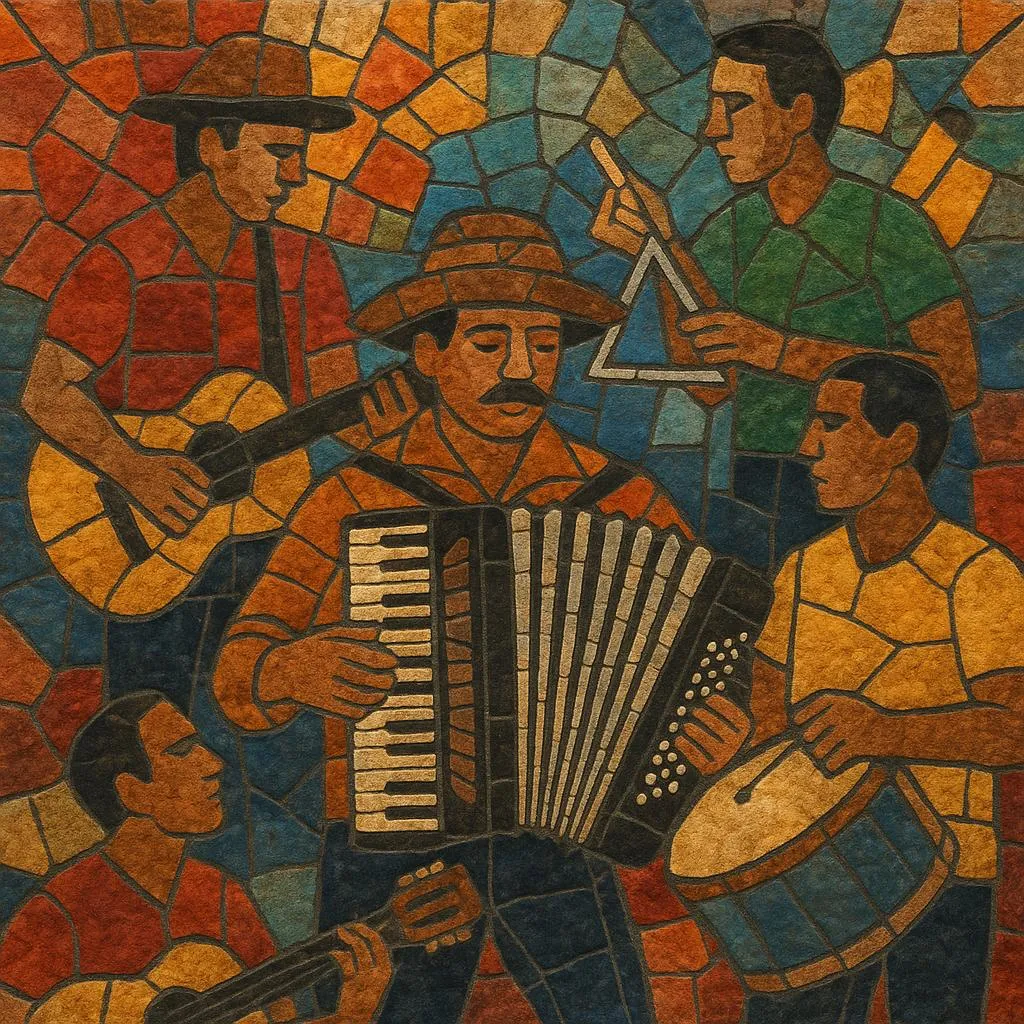
At its core are regional instruments such as the sanfona (accordion), zabumba, and triangle, now often reinforced by electric guitars, drum kits, and synthesizers. Lyrically it favors Portuguese texts with Northeastern idioms, balancing festive themes (arraiás, forró parties) with romantic and nostalgic storytelling about sertão life and coastal culture.
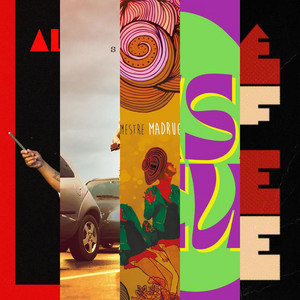
Since the 1990s, Sergipe became a hub for chart‑friendly forró and arrocha (e.g., Calcinha Preta), while an alternative wave (e.g., The Baggios, Naurêa) pushed blues‑rock, ska, and MPB fusions. The scene also honors deep folk forms like samba de pareia and coco de roda, keeping tradition audible alongside modern production.
History
Sergipe shares the Northeastern rhythmic matrix of baião, xote, coco de roda, and samba de pareia, heard in religious and community festivities (festejos juninos, chegança, taieiras). These forms laid the groove, instrumentation, and call‑and‑response vocabularies that still shape songwriting and dance culture in the state.
In the 1970s, local recording and radio ecosystems helped crystallize a recognizably “sergipana” sound. Artists like Rogério (the cult psych/MPB figure) and regional sanfoneiros bridged tradition with urban pop/rock sonics, setting precedents for later crossover.
From the mid‑1990s, Aracaju’s bands professionalized dance‑band formats, amplifying sanfona with drum kits, bass, guitars, and keyboards. Calcinha Preta became a national reference for forró eletrônico and romantic forró/arrocha, exporting Sergipe’s dancefloor energy across Brazil.
A new generation expanded the palette. The Baggios took blues‑rock grit to festivals and the Latin Grammys; Naurêa fused forró with ska/rock; accordion virtuoso Mestrinho linked roots forró with MPB/jazz harmony. Parallel to this, folk ensembles (e.g., samba de pareia groups) preserved community repertoires on stages and in research/heritage circuits.
Streaming and social media strengthened ties between Sergipe and the broader Northeast, interweaving arrocha, piseiro, and pop‑forró. Local producers and singers collaborate across state borders, while heritage practices remain active at festas juninas and cultural events, ensuring música sergipana spans both heritage and hit‑driven pop.