Your digging level
Description
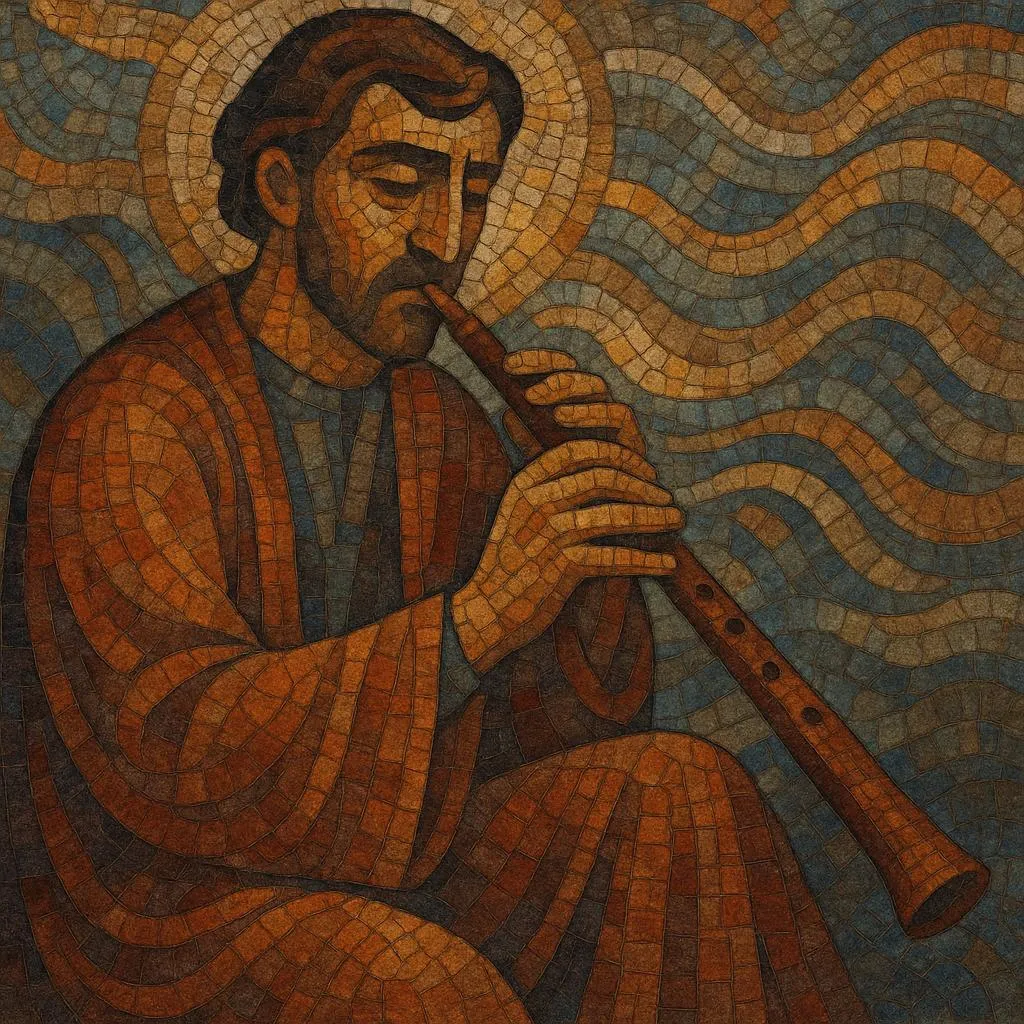
Duduk is the musical tradition centered on the Armenian double‑reed woodwind of the same name, carved from apricot wood and known for its warm, breathy, and mournful tone. In performance, a lead duduk plays the melody while a second duduk sustains a continuous drone (called the dam), creating a floating, modal soundscape.
Its repertoire ranges from laments and lyrical songs to dance tunes and free, improvisatory preludes. The sound has become emblematic of Armenian identity, yet it also resonates across West Asia and, in recent decades, global film and ambient music for its evocative, melancholic color.
History
The duduk tradition is deeply rooted in Armenia, with antecedents documented from late antiquity and the early medieval period. The instrument (often called tsiranapogh, “apricot pipe”) evolved alongside Armenian folk song and dance, courtly and village music, and liturgical modal thinking shared with the wider Caucasus and Byzantine spheres.
By the early modern era, the pairing of a lead duduk with a second drone duduk (dam) became the archetypal ensemble texture. Repertoire solidified around lyrical airs, laments, wedding pieces, and asymmetrical dance meters. Expert players cultivated a highly ornamented style—slides, sighing appoggiaturas, flexible intonation—and a deeply vocal, breath‑based phrasing.
In the late 20th century, masters such as Djivan Gasparyan introduced the duduk to audiences worldwide through concertizing and recordings. The instrument’s unique timbre became a favorite color in world fusion and film scoring (notably for themes of memory, exile, and vast landscapes). In 2008, UNESCO inscribed “Armenian duduk and its music” on the Representative List of the Intangible Cultural Heritage of Humanity, acknowledging both its antiquity and living tradition.
Contemporary artists preserve village repertories while expanding collaborations with strings, piano, electronics, and percussion. The duduk now occupies parallel roles: a bearer of Armenian heritage and an internationally recognized timbral signature in ambient, new age, and cinematic music.