Genres
Artists
Albums
Make Music
Sign in
Sign in
Artists
Emoviolence
Artists
Emoviolence
Wristmeetrazor
2017–2024
·
5 albums
Listen
2
/5
Genres
New Wave Of Screamo
New wave of screamo (often abbreviated as NWoS) is a 2010s-era revival and expansion of 1990s/2000s skramz/screamo that blends the style’s raw catharsis with modern post-rock atmospherics, emo melodicism, and occasional blackgaze ferocity. It is characterized by desperate, high-register screamed vocals, whiplash dynamic contrast (from whisper-quiet, twinkly passages to explosive crescendos), tense, dissonant chord voicings alongside suspended/add9 “emo” harmonies, and drumming that can pivot from restrained, room-mic’d subtlety to blasty, emoviolence-adjacent bursts. Lyrics tend to be deeply personal, reflective, or politically aware, and the production often favors an immediate, live-in-the-room feel that preserves grit and dynamic headroom. DIY networks, small labels, and Bandcamp-era distribution helped the sound spread globally, while collaborations with post-rock, post-hardcore, and shoegaze/blackgaze aesthetics gave the style a widescreen, cinematic intensity without losing its basement-show urgency.
Discover
Listen
Emoviolence
Emoviolence is a ferocious fusion of 1990s screamo and powerviolence/grindcore. It combines the emotional intensity and lyrical vulnerability of early screamo (“skramz”) with the speed, brevity, and abrasion of powerviolence. Songs are often extremely short (20–90 seconds), marked by sudden starts and stops, dissonant chord clusters, blast beats, and high‑pitched, desperate screams. The style is deeply rooted in DIY punk ethics: raw, lo‑fi recordings; basement shows; hand‑assembled 7"s and tapes; and zine culture. The guitar tone skews thin and treble‑forward, the production favors live immediacy over polish, and lyrics often blend confessional fragments with political urgency.
Discover
Listen
Metalcore
Metalcore is a fusion of hardcore punk’s urgency and ethos with heavy metal’s riff language and technicality. It is defined by tightly palm‑muted riffs, rapid double‑kick drumming, and frequent breakdowns—rhythmic, syncopated passages written to accentuate impact and crowd movement. Vocals typically alternate between harsh screams or growls and, in many bands, soaring clean choruses—a contrast that emphasizes both aggression and catharsis. Harmony and melody often borrow from melodic death metal, yielding minor‑key leads, harmonized guitars, and hook‑driven refrains. Modern production favors precise editing, dense guitar layering, and punchy drum sounds that keep complex rhythms clear at high intensity.
Discover
Listen
Screamo
Screamo is an emotionally charged offshoot of emo and hardcore punk characterized by cathartic, screamed vocals, dynamic extremes, and a blend of melody with discordance. Songs often move rapidly between fragile, clean passages and explosive, chaotic climaxes, emphasizing tension-and-release. Guitars favor octave runs, tremolo-picked melodies, and dissonant chord voicings, while drums switch from driving d-beats to blast beats and spacious half-time drops. Lyrics are typically confessional, poetic, and socially aware, delivered with a visceral intensity that foregrounds vulnerability and urgency. Early recordings embraced raw, DIY production and intimate, basement-show energy; later waves incorporated post-rock atmospherics and more expansive songwriting.
Discover
Listen
Emo
Emo is a rock subgenre that emerged from the mid-1980s Washington, D.C. hardcore punk scene as “emotional hardcore” (often shortened to emocore). It retains punk’s urgency but foregrounds confessional, vulnerable lyrics and dramatic dynamic shifts. Across its eras, emo has encompassed several distinct sounds: the intense, cathartic D.C. style; the melodic, guitar‑intricate “Midwest emo” of the 1990s; and the 2000s mainstream wave that blended emo’s lyrical candor with pop‑punk hooks (often called “emo pop”). Common musical traits include intertwining clean and overdriven guitars, intricate arpeggios and counter‑melodies, elastic song structures, and vocals that range from intimate murmurs to raw, impassioned shouts.
Discover
Listen
Metal
Metal (often used to mean heavy metal in its broad, umbrella sense) is a loud, guitar-driven style of rock defined by high-gain distortion, emphatic and often martial rhythms, and a dense, powerful low end. It foregrounds riff-based songwriting, dramatic dynamics, virtuosic guitar solos, and commanding vocals that range from melodic wails to aggressive snarls and growls. Harmonically, metal favors minor modes, modal color (Aeolian, Phrygian), chromaticism, and tritone-inflected tension, while thematically it explores power, mythology, the occult, social critique, fantasy, and existential subjects. While adjacent to hard rock, metal typically pushes amplification, distortion, precision, and thematic intensity further, forming a foundation for many specialized subgenres.
Discover
Listen
Punk
Punk is a fast, abrasive, and minimalist form of rock music built around short songs, stripped-down instrumentation, and confrontational, anti-establishment lyrics. It emphasizes DIY ethics, raw energy, and immediacy over virtuosity, often featuring distorted guitars, shouted or sneered vocals, and simple, catchy melodies. Typical songs run 1–3 minutes, sit around 140–200 BPM, use power chords and basic progressions (often I–IV–V), and favor live, unpolished production. Beyond sound, punk is a cultural movement encompassing zines, independent labels, political activism, and a fashion vocabulary of ripped clothes, leather, and safety pins.
Discover
Listen
Rock
Rock is a broad family of popular music centered on amplified instruments, a strong backbeat, and song forms that foreground riffs, choruses, and anthemic hooks. Emerging from mid‑20th‑century American styles like rhythm & blues, country, and gospel-inflected rock and roll, rock quickly expanded in scope—absorbing folk, blues, and psychedelic ideas—while shaping global youth culture. Core sonic markers include electric guitar (often overdriven), electric bass, drum kit emphasizing beats 2 and 4, and emotive lead vocals. Rock songs commonly use verse–chorus structures, blues-derived harmony, and memorable melodic motifs, ranging from intimate ballads to high‑energy, stadium‑sized performances.
Discover
Listen
Show all 8 genres
Albums
2024
2
/5
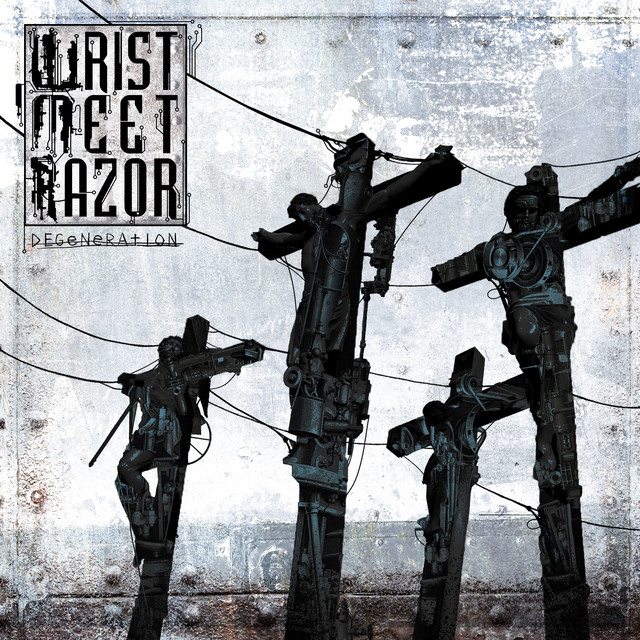
Degeneration
Wristmeetrazor
Emoviolence
Metalcore
2024
1
/5
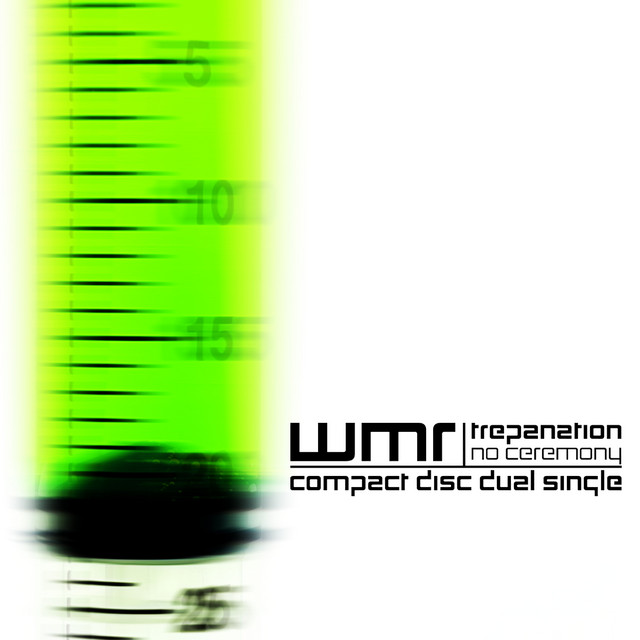
Trepanation
Wristmeetrazor
Emoviolence
2019
1
/5
Take Your Shot, Funboy
Wristmeetrazor
Emoviolence
Metal
Metalcore
2019
2
/5
Misery Never Forgets
Wristmeetrazor
Emoviolence
Emo
Metalcore
2017
2
/5
I talk to god...
Wristmeetrazor
Emoviolence
Metal
Metalcore
Similar artists
4
/5
A Day To Remember
Neon Pop Punk
Easycore
Metalcore
1
/5
Various Artists
Afro-Funk
Alternative Rock
Ambient
2
/5
Nuvolascura
Emoviolence
Screamo
Mathcore
2
/5
mis sueños son de tu adiós
Emoviolence
Bedroom Skramz
Skramz
5
/5
Bring Me The Horizon
Melodic Metalcore
Post-Hardcore
Screamo
3
/5
Converge
Hardcore Punk
Metalcore
Mathcore
1
/5
Blind Girls
Emoviolence
Punk
Screamo
4
/5
Asking Alexandria
Emocore
Trancecore
Electronic Djent
4
/5
Silverstein
Post-Hardcore
Emocore
Emo
2
/5
Pageninetynine
Screamo
Emo
Emoviolence
Download our mobile app
Get the Melodigging app and start digging for new genres on the go
Download on the App Store
Get it on Google Play
© 2026 Melodigging
Give feedback
Legal
Melodding was created as a tribute to
Every Noise at Once
, which inspired us to help curious minds keep digging into music's ever-evolving genres.