Genres
Artists
Albums
Make Music
Sign in
Sign in
Artists
Post-Hardcore
Artists
Post-Hardcore
Silverstein
2003–2025
·
14 albums
Listen
4
/5
Genres
Pumpcore
Pumpcore is a hyper-energetic, gym-oriented microgenre that blends blown-out bass, sped-up hooks, and hard-hitting drops tailored for workout intensity and short-form video edits. It borrows from trap (and EDM-trap), phonk’s gritty timbres, hardstyle’s festival-scale builds, and nightcore-style acceleration, then pushes everything through aggressive saturation and sidechain “pump” to create a relentless, motivational surge. Tracks typically revolve around a memorable vocal or lead riff that has been time-stretched, pitch-shifted, and looped to maximize adrenaline and impact.
Discover
Listen
Electronic Djent
Electronic djent is a hybrid microgenre that fuses the palm‑muted, polyrhythmic chug and extended‑range guitar vocabulary of djent with the sound design, structures, and drops of modern electronic music. Producers and guitarists build songs around tight, syncopated low‑string riffs, then interweave synth basses, arpeggiators, glitch edits, and half‑time drops drawn from dubstep, drum & bass, and IDM. The result feels at once mechanical and cinematic: staccato guitars lock to quantized drums while side‑chained pads and digital ‘wub’ basses breathe in the spaces between the accents. Although largely instrumental, the genre ranges from sleek, futuristic ‘chip‑djent’ and synthwave‑tinted palettes to heavier industrial and bass‑music crossovers. It is a quintessential internet‑era style: written in DAWs, shared on Bandcamp/YouTube, and refined by tight community feedback loops.
Discover
Listen
Emo Revival
Emo revival is a 2010s resurgence of the melodic, introspective strain of 1990s and early-2000s emo, updated with indie-rock and math-rock sensibilities. It emphasizes twinkly, interlocking clean guitars, confessional and diaristic lyrics, dynamic quiet‑loud arrangements, and a DIY ethos rooted in house shows, small labels, and online communities. Compared with 2000s mainstream emo-pop, the revival leans closer to Midwest emo and indie aesthetics—often cleaner in tone, more rhythmically intricate, and less polished, while remaining hooky and emotionally direct.
Discover
Listen
Modern Downshift
Modern downshift is a contemporary, playlist-era microgenre that blends hushed alternative pop and alt‑R&B sensibilities with the spaciousness of downtempo and ambient pop. Songs are typically slow to mid‑tempo, minimal in arrangement, and intimate in vocal delivery—often breathy, close‑miked, and confessional. Production emphasizes warmth and negative space: soft sub‑bass, restrained percussion, reverb‑washed pads or guitars, and gentle saturation that keeps the overall texture velvety and nocturnal. Lyrically, the style skews introspective and late‑night: relationships, vulnerability, quiet self‑reflection, and the emotional afterglow of parties or city drives. The result is music that feels low‑key and cinematic—designed as much for solitary listening as for low‑light social settings.
Discover
Listen
Pop Edm
Pop EDM (often written as pop-EDM) is a crossover style that fuses the song-centric writing, hooks, and structure of mainstream pop with the sound design, drops, and production techniques of modern electronic dance music. It typically features verse–pre‑chorus–chorus forms, radio-friendly toplines, and polished vocals, but replaces a traditional instrumental chorus with an EDM-style drop built from synth leads, vocal chops, or rhythmic bass. Tempos commonly range from 100–128 BPM, with harmonic language that favors diatonic, feel‑good progressions and bright, euphoric timbres. Commercially oriented and festival‑compatible, pop EDM is designed to work on both radio/streaming and the dancefloor, prioritizing memorable hooks, high-impact drops, and a glossy, sidechained mix.
Discover
Listen
Post-Screamo
Post-screamo is a modern, studio-savvy offshoot of screamo that blends the genre’s emotive harsh vocals with sleek, pop-leaning hooks and polished, post-hardcore/metalcore instrumentation. Compared with classic screamo, it favors dynamic “scream-and-sing” song forms, EDM/electronic textures, and breakdowns with djent-tinged guitar tones. Clean choruses, cinematic builds, and glossy production sit alongside cathartic screams, creating a style that is equal parts heavy release and radio-ready melodicism.
Discover
Listen
Post-Post-Hardcore
Post-post-hardcore is a polished, third-wave offshoot of post-hardcore that crystallized in the 2010s. It fuses the genre’s emotive, dynamic vocals and tension-release structures with modern pop hooks, electronic programming, and metalcore heft. Compared with classic post-hardcore, it favors glossy production, radio-leaning choruses, and hybridized textures—think syncopated djent-lite riffs under bright synths, EDM-style risers and drops, half-time breakdowns, and call-and-response vocals (screamed versus soaring cleans). The result is an accessible yet intense sound that thrives in the internet era of playlists, YouTube covers, and scene cross-pollination.
Discover
Listen
Progressive Deathcore
Progressive deathcore is a fusion of deathcore’s crushing heaviness and breakdown-centric aggression with the adventurous songcraft, technicality, and textural breadth of progressive metal. Hallmarks include extended-range guitars (7–9 strings) in very low tunings, polymetric “djent”-leaning grooves, rapid meter changes, and long-form structures that move well beyond verse/chorus. You’ll hear a blend of palm‑muted syncopation, angular technical riffs, sweeping leads, and atmospheric keyboards or orchestration that add space between punishing passages. Vocals typically alternate between low growls, layered screams, and occasional clean passages; production is tight, modern, and punchy. Lyrically, the style often departs from deathcore’s horror tropes to explore sci‑fi, philosophy, cosmic imagery, and introspective themes, matching the music’s expansive, cinematic scope.
Discover
Listen
Swancore
Swancore is a bright, technical offshoot of post-hardcore marked by intricate, funk-tinged guitar work, elastic grooves, and the interplay of soaring clean vocals with harsher screams. Named after guitarist Will Swan (Dance Gavin Dance), the style emphasizes tight, syncopated riffing, frequent tapping, and jazz-fusion flourishes wrapped in catchy, pop-forward hooks. Arrangements pivot rapidly between aggressive bursts and sleek melodic passages. The harmony often ventures beyond basic triads to include extensions, mode mixture, and chromatic voice-leading, while drums favor ghost-note heavy, linear patterns and occasional odd-meter turns. Despite the complexity, Swancore typically retains an upbeat, glossy production aesthetic that highlights clarity, agility, and rhythmic snap.
Discover
Listen
New England Emo
New England emo is a regional strand of the 2010s emo revival centered around college towns and DIY spaces in Massachusetts, Connecticut, New Hampshire, Rhode Island, Vermont, and Maine. It blends twinkly, interlocking guitar lines and melodic bass with confessional, place-rooted lyricism and dynamic swings from hushed vulnerability to cathartic shout‑along climaxes. Sonically it draws from Midwest emo’s clean guitar arpeggios and odd-meter playfulness, the urgency of post‑hardcore and screamo, and the tuneful directness of pop‑punk and indie rock. Characteristically recorded on modest budgets in houses, basements, and small studios, the scene’s records foreground immediacy over gloss, emphasizing room sound, gang vocals, and a lived-in sense of geography and community.
Discover
Listen
Glitch Hop Edm
Glitch hop EDM is a bass-heavy, midtempo offshoot of glitch and hip-hop that adopts the large-scale sound design, drops, and festival-ready structures of contemporary EDM. It typically runs around 90–115 BPM with a swung or syncopated hip-hop groove, while employing stutter edits, tape stops, bitcrushing, buffer repeats, granular chops, and intricate automation to create the characteristic "glitched" feel. Tracks often feature thick, modulated basslines; punchy, off-kilter drums; chopped vocals and foley; and harmonies that borrow from jazz, funk, and soul, all arranged in EDM-style buildups and drops.
Discover
Listen
Mall Screamo
Mall screamo is a mainstream, radio-ready variant of early-2000s screamo and post‑hardcore that fused pop‑punk hooks, emo melodrama, and screamed vocals with glossy, high‑budget production. Built for Warped Tour stages, MTV2 rotation, and Hot Topic racks, it emphasizes big, cathartic choruses, breakdowns that nod to metalcore, and confessional lyrics about heartbreak, alienation, and coming‑of‑age angst. Typical hallmarks include alternating clean/screamed vocals, octave‑lead guitar riffs in minor keys, fast pop‑punk drum patterns, and tightly edited, sample‑reinforced mixes. While rooted in 1990s underground screamo, “mall screamo” is distinguished by its accessibility and pop songwriting focus, trading abrasive chaos for earworm melodies and a verse‑pre‑chorus‑chorus economy that made the sound ubiquitous in mid‑2000s North American youth culture.
Discover
Listen
Neon Pop Punk
Neon pop punk is a glossy, synth-splashed offshoot of pop punk that emerged in the late 2000s alongside the MySpace/“scene” era and Warped Tour culture. It retains the brisk tempos, power-chord guitar drive, and catchy, chantable hooks of pop punk, but pairs them with bright electronic textures, dance-pop rhythms, and a highly processed, radio-ready sheen. Sonically, you’ll hear palm-muted guitars layered with fizzy polysynths and arpeggiated leads, four-on-the-floor kicks or clap-heavy pop grooves, and clean, often Auto-Tuned vocals stacked with harmonies and gang shouts. Lyrically, it leans toward youthful romance, summer escapism, and playful party imagery, packaged in a neon-bright aesthetic that defined late-2000s teen alternative culture.
Discover
Listen
Metalcore
Metalcore is a fusion of hardcore punk’s urgency and ethos with heavy metal’s riff language and technicality. It is defined by tightly palm‑muted riffs, rapid double‑kick drumming, and frequent breakdowns—rhythmic, syncopated passages written to accentuate impact and crowd movement. Vocals typically alternate between harsh screams or growls and, in many bands, soaring clean choruses—a contrast that emphasizes both aggression and catharsis. Harmony and melody often borrow from melodic death metal, yielding minor‑key leads, harmonized guitars, and hook‑driven refrains. Modern production favors precise editing, dense guitar layering, and punchy drum sounds that keep complex rhythms clear at high intensity.
Discover
Listen
Screamo
Screamo is an emotionally charged offshoot of emo and hardcore punk characterized by cathartic, screamed vocals, dynamic extremes, and a blend of melody with discordance. Songs often move rapidly between fragile, clean passages and explosive, chaotic climaxes, emphasizing tension-and-release. Guitars favor octave runs, tremolo-picked melodies, and dissonant chord voicings, while drums switch from driving d-beats to blast beats and spacious half-time drops. Lyrics are typically confessional, poetic, and socially aware, delivered with a visceral intensity that foregrounds vulnerability and urgency. Early recordings embraced raw, DIY production and intimate, basement-show energy; later waves incorporated post-rock atmospherics and more expansive songwriting.
Discover
Listen
Emo Pop
Emo pop blends the confessional lyricism and emotional intensity of emo with the bright hooks, concise song forms, and polished production of mainstream pop and pop-punk. The style typically features up-tempo drums, chimey or lightly overdriven guitars, and anthemic choruses built around earworm melodies and glossy vocal harmonies. Lyrical themes revolve around vulnerability, relationships, growing pains, and self-doubt, delivered in an earnest, often dramatic vocal style. Production tends to be clean and radio-ready, with dynamic contrasts between restrained verses and explosive, cathartic choruses.
Discover
Listen
Hardcore
Hardcore (often called hardcore techno in its early form) is a fast, aggressive branch of electronic dance music characterized by heavily distorted, punchy 4/4 kick drums, tempos ranging from roughly 160 to well over 200 BPM, and a dark, high‑energy aesthetic. It emphasizes percussive drive over complex harmony, using clipped and saturated kick-bass sound design, sharp hi-hats, claps on the backbeat, and harsh synth stabs or screeches. Vocals, when present, are typically shouted hooks, sampled movie lines, or crowd chants processed with distortion and effects. Originating in the Netherlands in the early 1990s, the style quickly splintered into related scenes and subgenres such as gabber, happy hardcore, Frenchcore, terrorcore, speedcore, and later hardstyle. Its culture is closely associated with large-scale raves, specialized labels, and distinctive visual branding.
Discover
Listen
Post-Hardcore
Post-hardcore is a branch of hardcore punk that retains the style’s urgency and DIY ethos while expanding its musical vocabulary. Bands push beyond breakneck tempos and simple power-chord progressions into more dynamic song structures, varied rhythms, and a wider emotional range. Guitars often alternate between caustic distortion and clean, chiming textures; vocals can shift from shouted slogans to melodic singing; and arrangements emphasize tension-and-release, odd meters, and dramatic builds. Lyrically, post-hardcore tends to be more introspective and socially conscious than its hardcore roots, touching on personal, political, and philosophical themes.
Discover
Listen
Emocore
Emocore (short for emotional hardcore) is a style of hardcore punk distinguished by intensely personal, confessional lyrics, dynamic song structures, and a heightened emphasis on melody and expressivity. It grew from the Washington, D.C. punk scene as musicians sought more nuanced ways to channel catharsis beyond the blunt-force speed and aggression of early hardcore. Musically, emocore retains hardcore’s driving rhythms and shouted/sung vocals, but it favors dramatic shifts in tempo and volume, ringing octave chords, crawling clean passages that explode into overdrive, and bass/drum interplay that supports sudden mood changes. Lyrically, it pivots from overt political manifestos toward vulnerability, interiority, relationships, and self-interrogation—without abandoning punk’s DIY ethic and intensity.
Discover
Listen
Emo
Emo is a rock subgenre that emerged from the mid-1980s Washington, D.C. hardcore punk scene as “emotional hardcore” (often shortened to emocore). It retains punk’s urgency but foregrounds confessional, vulnerable lyrics and dramatic dynamic shifts. Across its eras, emo has encompassed several distinct sounds: the intense, cathartic D.C. style; the melodic, guitar‑intricate “Midwest emo” of the 1990s; and the 2000s mainstream wave that blended emo’s lyrical candor with pop‑punk hooks (often called “emo pop”). Common musical traits include intertwining clean and overdriven guitars, intricate arpeggios and counter‑melodies, elastic song structures, and vocals that range from intimate murmurs to raw, impassioned shouts.
Discover
Listen
Alternative Rock
Alternative rock is a broad umbrella for guitar-based rock that emerged from the independent and college-radio scenes as a counterpoint to mainstream, commercial rock. It blends the energy and ethos of punk with the textural and songwriting experiments of post-punk, new wave, jangle pop, and noise rock, often foregrounding introspective or socially aware lyrics. Across its many strains—from the melodic minimalism of college rock to the loud-quiet-loud dynamics of grunge and the artful experimentation of Radiohead-era modernism—alternative rock prioritizes authenticity, sonic individuality, and a do-it-yourself approach. Its sound ranges from chiming, chorus-laden clean guitars to abrasive distortion and feedback, supported by straightforward rock rhythms or off-kilter grooves, and production that can be either raw and live-sounding or polished yet unconventional.
Discover
Listen
Pop Punk
Pop punk blends the speed and attitude of punk rock with the melody, hooks, and songcraft of pop. It features bright, concise songs driven by crunchy power-chord guitars, punchy drums, and catchy vocal lines that often favor gang shouts and harmonies. Lyrically, pop punk tends to focus on adolescence, relationships, boredom, suburbia, and self-deprecating humor, delivered with a mix of earnestness and wit. Production ranges from raw and DIY to radio-ready polish, but the core is always immediacy: big choruses, tight structures, and energetic performances.
Discover
Listen
Punk
Punk is a fast, abrasive, and minimalist form of rock music built around short songs, stripped-down instrumentation, and confrontational, anti-establishment lyrics. It emphasizes DIY ethics, raw energy, and immediacy over virtuosity, often featuring distorted guitars, shouted or sneered vocals, and simple, catchy melodies. Typical songs run 1–3 minutes, sit around 140–200 BPM, use power chords and basic progressions (often I–IV–V), and favor live, unpolished production. Beyond sound, punk is a cultural movement encompassing zines, independent labels, political activism, and a fashion vocabulary of ripped clothes, leather, and safety pins.
Discover
Listen
Rock
Rock is a broad family of popular music centered on amplified instruments, a strong backbeat, and song forms that foreground riffs, choruses, and anthemic hooks. Emerging from mid‑20th‑century American styles like rhythm & blues, country, and gospel-inflected rock and roll, rock quickly expanded in scope—absorbing folk, blues, and psychedelic ideas—while shaping global youth culture. Core sonic markers include electric guitar (often overdriven), electric bass, drum kit emphasizing beats 2 and 4, and emotive lead vocals. Rock songs commonly use verse–chorus structures, blues-derived harmony, and memorable melodic motifs, ranging from intimate ballads to high‑energy, stadium‑sized performances.
Discover
Listen
Show all 24 genres
Albums
2025
3
/5
Pink Moon
Silverstein
Emocore
Neon Pop Punk
Hardcore
2025
2
/5
Negative Space
Silverstein
Emocore
2025
3
/5
Antibloom
Silverstein
Emocore
2025
2
/5
Don't Let Me Get Too Low
Silverstein
Emocore
2024
2
/5
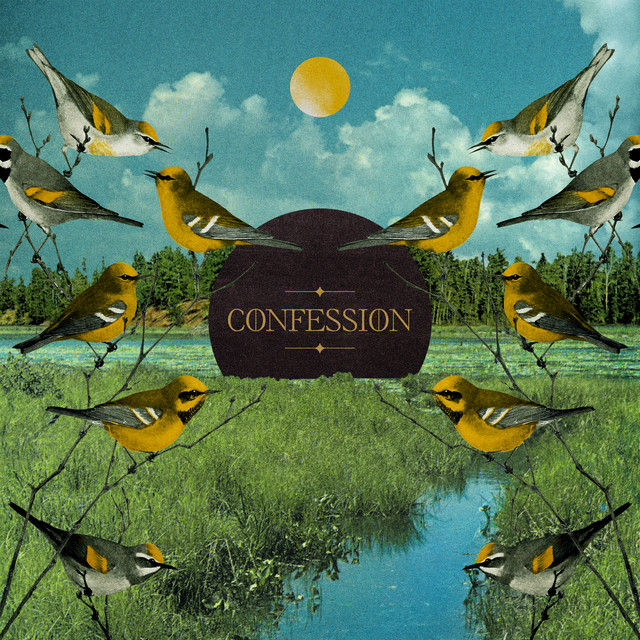
Confession
Silverstein
Emocore
2019
3
/5
Redux: The First 10 Years
Silverstein
Mall Screamo
Post-Hardcore
Rock
2017
1
/5
Dead Reflection
Silverstein
Mall Screamo
Post-Hardcore
Punk
2015
1
/5
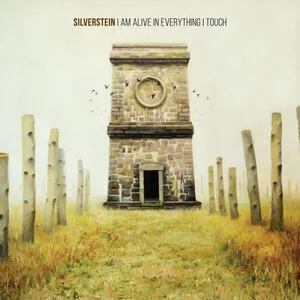
I Am Alive in Everything I Touch
Silverstein
Mall Screamo
Post-Hardcore
Rock
2013
1
/5
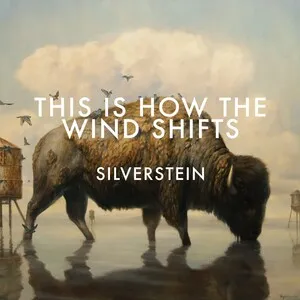
This Is How the Wind Shifts
Silverstein
Mall Screamo
2009
3
/5
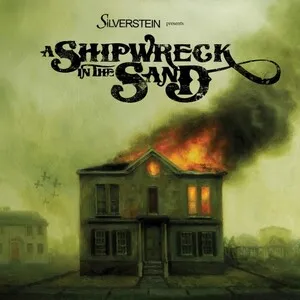
A Shipwreck in the Sand
Silverstein
Mall Screamo
Emo
Post-Hardcore
2005
4
/5
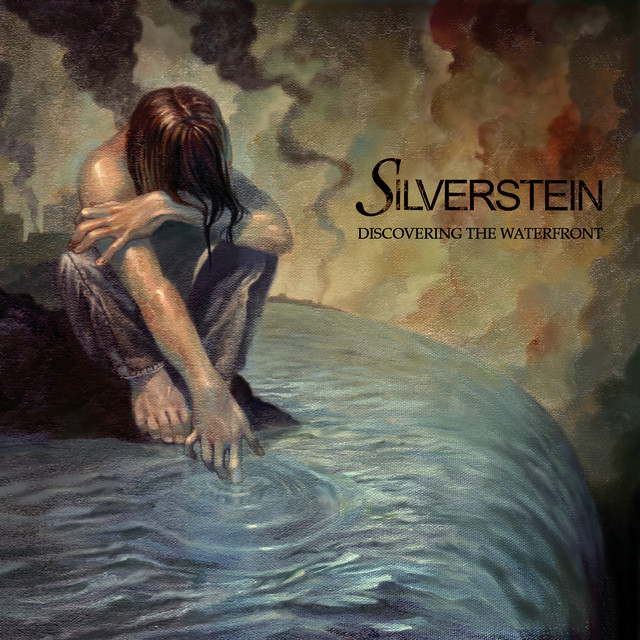
Discovering the Waterfront
Silverstein
Emocore
Emo Pop
Emo
2005
1
/5
Discovering the Waterfront
Silverstein
Mall Screamo
Emo
Post-Hardcore
2003
4
/5
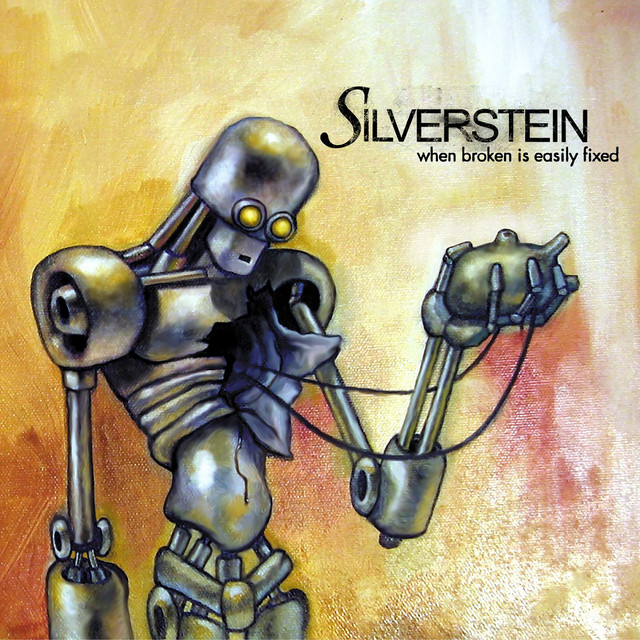
When Broken Is Easily Fixed
Silverstein
Emocore
Alternative Rock
Emo
2003
1
/5
When Broken Is Easily Fixed
Silverstein
Mall Screamo
Alternative Rock
Emo
Similar artists
3
/5
Chiodos
Post-Hardcore
Emo
Emo Revival
3
/5
Alesana
Emo
Emo Revival
Emocore
4
/5
Pierce The Veil
Screamo
Post-Hardcore
Emo
4
/5
Dance Gavin Dance
Post-Hardcore
Math Rock
Swancore
3
/5
Saosin
Emocore
Post-Hardcore
Emo
3
/5
Hot Water Music
Emocore
Punk
Melodic Hardcore
3
/5
Touché Amoré
Post-Hardcore
The Wave
Chaotic Hardcore
3
/5
Emery
Post-Hardcore
Emo
Mall Screamo
4
/5
Escape the Fate
Emocore
Emo
Pixie
3
/5
Senses Fail
Emo
Pop Punk
Screamo
Download our mobile app
Get the Melodigging app and start digging for new genres on the go
Download on the App Store
Get it on Google Play
© 2026 Melodigging
Give feedback
Legal
Melodding was created as a tribute to
Every Noise at Once
, which inspired us to help curious minds keep digging into music's ever-evolving genres.