Genres
Artists
Albums
Make Music
Sign in
Sign in
Artists
Neon Pop Punk
Artists
Neon Pop Punk
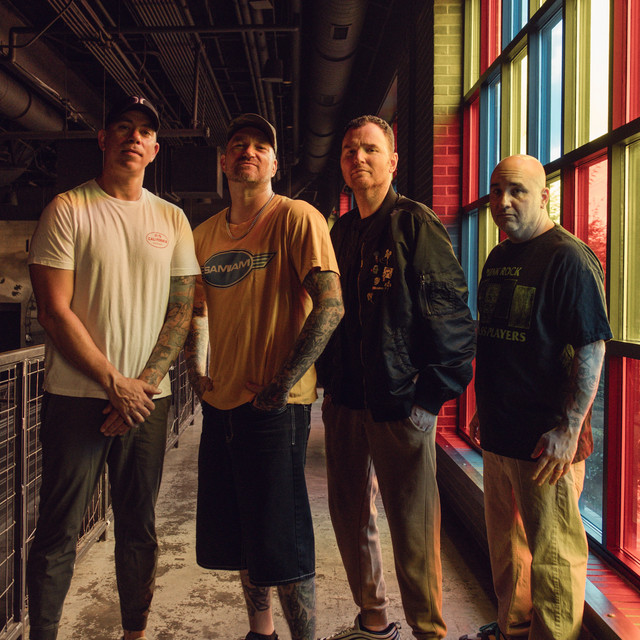
A Day To Remember
2005–2025
·
15 albums
Listen
4
/5
Genres
Emo Revival
Emo revival is a 2010s resurgence of the melodic, introspective strain of 1990s and early-2000s emo, updated with indie-rock and math-rock sensibilities. It emphasizes twinkly, interlocking clean guitars, confessional and diaristic lyrics, dynamic quiet‑loud arrangements, and a DIY ethos rooted in house shows, small labels, and online communities. Compared with 2000s mainstream emo-pop, the revival leans closer to Midwest emo and indie aesthetics—often cleaner in tone, more rhythmically intricate, and less polished, while remaining hooky and emotionally direct.
Discover
Listen
Nu-Metalcore
Nu‑metalcore (often nicknamed "nu‑core") blends the bounce, hip‑hop inflections, and downtuned groove of late‑1990s nu metal with the breakdown‑heavy aggression and precise syncopation of 2000s metalcore. Expect sharply gated, low‑tuned riffs, halftime drops, and elastic grooves that swing between punchy chugs and percussive, djent‑like accents. Vocals typically jump from harsh screams and pitched‑down growls to rap‑leaning cadences and hooky, melodic choruses. Electronic textures—turntable cuts, glitch edits, sub‑drops, and 808 layers—are common, supporting a glossy yet crushing modern production aesthetic. Lyrically, the style carries nu metal’s confessional angst and social frustration while adopting metalcore’s cathartic intensity and mosh‑centric energy. The result is a contemporary, club‑ready heaviness that feels both nostalgic and forward‑looking.
Discover
Listen
Rap Metalcore
Rap metalcore is a hybrid style that fuses the rhythmic, lyrical flow of hip hop with the high-gain guitars, breakdowns, and screamed/sung hooks of metalcore. Compared to 1990s rap metal and nu metal, it keeps metalcore’s tighter, modern low-tuned riffing, double-time drumming, and cathartic breakdown structures, while foregrounding MC-style verses, rhyme schemes, and hip‑hop cadences. Production often blends live drums with programmed elements (808 subs, trap hats) and layers percussive, djent-leaning guitar chugs under rapped verses, then explodes into screamed or anthemic sung choruses. Lyrical themes span personal struggle, social commentary, resilience, and identity, delivered with a mix of rap’s directness and metalcore’s emotive intensity.
Discover
Listen
Speedrun
Speedrun is a gaming-adjacent EDM microgenre designed for adrenaline, focus, and momentum. It blends hyper-energetic drops with catchy, game-like melodies and rapid switch‑ups that mirror the pace and tension of timed gameplay. Typically sitting between 140–175+ BPM, the style pivots between half‑time dubstep weight, electro/complextro riffing, glitchy fills, and drum & bass acceleration. Producers favor bright, synthetic leads (often with chiptune flourishes), tightly sidechained supersaws, and animated bass design that stays clean and punchy for streaming. The mood is triumphant, high‑octane, and “level‑up” cinematic—made to keep speedrunners and viewers locked in.
Discover
Listen
Modern Ska Punk
Modern ska punk is a 2010s–2020s reboot of ska’s off‑beat guitar “skank” and brass arrangements fused with pop‑punk hooks, hardcore energy, and contemporary indie/DIY production. It keeps Jamaican ska’s upstroke rhythm and walking bass feel, but toggles to double‑time punk beats and distortion for choruses, foregrounding big gang vocals and tightly voiced horn stabs. Culturally, the scene coalesced around inclusive, explicitly anti‑racist/anti‑sexist, queer‑affirming DIY communities (e.g., Bad Time Records), and a new crop of bands that treat ska not as nostalgia but as a flexible songwriting language. High‑profile signals of the revival included Jeff Rosenstock’s 2021 full‑album ska rework SKA DREAM, and We Are the Union’s Ordinary Life, a trans‑affirming, hook‑forward ska‑punk LP. The term “New Tone,” popularized by members of Bad Operation, captures a cleaner, roots‑aware but forward‑looking branch of the sound.
Discover
Listen
Post-Screamo
Post-screamo is a modern, studio-savvy offshoot of screamo that blends the genre’s emotive harsh vocals with sleek, pop-leaning hooks and polished, post-hardcore/metalcore instrumentation. Compared with classic screamo, it favors dynamic “scream-and-sing” song forms, EDM/electronic textures, and breakdowns with djent-tinged guitar tones. Clean choruses, cinematic builds, and glossy production sit alongside cathartic screams, creating a style that is equal parts heavy release and radio-ready melodicism.
Discover
Listen
The Wave
The Wave is a loosely defined cluster of American post-hardcore/emo bands that surged in the early 2010s as emo-pop’s mainstream moment faded. The name was a tongue‑in‑cheek scene tag that stuck in press coverage, but it points to a real overlap in sound, ethos, and touring networks. Musically, The Wave fuses the urgency of 1990s post‑hardcore and screamo with confessional, literate lyric writing associated with emo. Expect shouted or half‑sung/half‑spoken vocals, dynamic quiet‑loud builds, intricate but driving drums, and guitar textures that shift between glassy clean arpeggios and overdriven, emotive climaxes. The songs often emphasize catharsis, narrative detail, and community-minded DIY presentation.
Discover
Listen
New England Emo
New England emo is a regional strand of the 2010s emo revival centered around college towns and DIY spaces in Massachusetts, Connecticut, New Hampshire, Rhode Island, Vermont, and Maine. It blends twinkly, interlocking guitar lines and melodic bass with confessional, place-rooted lyricism and dynamic swings from hushed vulnerability to cathartic shout‑along climaxes. Sonically it draws from Midwest emo’s clean guitar arpeggios and odd-meter playfulness, the urgency of post‑hardcore and screamo, and the tuneful directness of pop‑punk and indie rock. Characteristically recorded on modest budgets in houses, basements, and small studios, the scene’s records foreground immediacy over gloss, emphasizing room sound, gang vocals, and a lived-in sense of geography and community.
Discover
Listen
Progressive Deathcore
Progressive deathcore is a fusion of deathcore’s crushing heaviness and breakdown-centric aggression with the adventurous songcraft, technicality, and textural breadth of progressive metal. Hallmarks include extended-range guitars (7–9 strings) in very low tunings, polymetric “djent”-leaning grooves, rapid meter changes, and long-form structures that move well beyond verse/chorus. You’ll hear a blend of palm‑muted syncopation, angular technical riffs, sweeping leads, and atmospheric keyboards or orchestration that add space between punishing passages. Vocals typically alternate between low growls, layered screams, and occasional clean passages; production is tight, modern, and punchy. Lyrically, the style often departs from deathcore’s horror tropes to explore sci‑fi, philosophy, cosmic imagery, and introspective themes, matching the music’s expansive, cinematic scope.
Discover
Listen
Post-Post-Hardcore
Post-post-hardcore is a polished, third-wave offshoot of post-hardcore that crystallized in the 2010s. It fuses the genre’s emotive, dynamic vocals and tension-release structures with modern pop hooks, electronic programming, and metalcore heft. Compared with classic post-hardcore, it favors glossy production, radio-leaning choruses, and hybridized textures—think syncopated djent-lite riffs under bright synths, EDM-style risers and drops, half-time breakdowns, and call-and-response vocals (screamed versus soaring cleans). The result is an accessible yet intense sound that thrives in the internet era of playlists, YouTube covers, and scene cross-pollination.
Discover
Listen
Neon Pop Punk
Neon pop punk is a glossy, synth-splashed offshoot of pop punk that emerged in the late 2000s alongside the MySpace/“scene” era and Warped Tour culture. It retains the brisk tempos, power-chord guitar drive, and catchy, chantable hooks of pop punk, but pairs them with bright electronic textures, dance-pop rhythms, and a highly processed, radio-ready sheen. Sonically, you’ll hear palm-muted guitars layered with fizzy polysynths and arpeggiated leads, four-on-the-floor kicks or clap-heavy pop grooves, and clean, often Auto-Tuned vocals stacked with harmonies and gang shouts. Lyrically, it leans toward youthful romance, summer escapism, and playful party imagery, packaged in a neon-bright aesthetic that defined late-2000s teen alternative culture.
Discover
Listen
Easycore
Easycore is a fusion of pop punk’s catchy melodies with the weight and rhythmic punch of metalcore and hardcore punk. It is often summarized as “pop punk with breakdowns.” Songs typically feature bright, hook-heavy choruses; upbeat, skate-punk tempos; and dynamic shifts into syncopated, half‑time breakdowns with palm‑muted chugs. Vocals are predominantly clean and energetic, sometimes reinforced by gang shouts and the occasional screamed accent. Lyrics lean toward youthful themes—friendship, perseverance, relationships, and cathartic optimism—delivered with an anthemic, crowd-ready feel.
Discover
Listen
Metalcore
Metalcore is a fusion of hardcore punk’s urgency and ethos with heavy metal’s riff language and technicality. It is defined by tightly palm‑muted riffs, rapid double‑kick drumming, and frequent breakdowns—rhythmic, syncopated passages written to accentuate impact and crowd movement. Vocals typically alternate between harsh screams or growls and, in many bands, soaring clean choruses—a contrast that emphasizes both aggression and catharsis. Harmony and melody often borrow from melodic death metal, yielding minor‑key leads, harmonized guitars, and hook‑driven refrains. Modern production favors precise editing, dense guitar layering, and punchy drum sounds that keep complex rhythms clear at high intensity.
Discover
Listen
Emo Pop
Emo pop blends the confessional lyricism and emotional intensity of emo with the bright hooks, concise song forms, and polished production of mainstream pop and pop-punk. The style typically features up-tempo drums, chimey or lightly overdriven guitars, and anthemic choruses built around earworm melodies and glossy vocal harmonies. Lyrical themes revolve around vulnerability, relationships, growing pains, and self-doubt, delivered in an earnest, often dramatic vocal style. Production tends to be clean and radio-ready, with dynamic contrasts between restrained verses and explosive, cathartic choruses.
Discover
Listen
Screamo
Screamo is an emotionally charged offshoot of emo and hardcore punk characterized by cathartic, screamed vocals, dynamic extremes, and a blend of melody with discordance. Songs often move rapidly between fragile, clean passages and explosive, chaotic climaxes, emphasizing tension-and-release. Guitars favor octave runs, tremolo-picked melodies, and dissonant chord voicings, while drums switch from driving d-beats to blast beats and spacious half-time drops. Lyrics are typically confessional, poetic, and socially aware, delivered with a visceral intensity that foregrounds vulnerability and urgency. Early recordings embraced raw, DIY production and intimate, basement-show energy; later waves incorporated post-rock atmospherics and more expansive songwriting.
Discover
Listen
Hardcore
Hardcore (often called hardcore techno in its early form) is a fast, aggressive branch of electronic dance music characterized by heavily distorted, punchy 4/4 kick drums, tempos ranging from roughly 160 to well over 200 BPM, and a dark, high‑energy aesthetic. It emphasizes percussive drive over complex harmony, using clipped and saturated kick-bass sound design, sharp hi-hats, claps on the backbeat, and harsh synth stabs or screeches. Vocals, when present, are typically shouted hooks, sampled movie lines, or crowd chants processed with distortion and effects. Originating in the Netherlands in the early 1990s, the style quickly splintered into related scenes and subgenres such as gabber, happy hardcore, Frenchcore, terrorcore, speedcore, and later hardstyle. Its culture is closely associated with large-scale raves, specialized labels, and distinctive visual branding.
Discover
Listen
Post-Hardcore
Post-hardcore is a branch of hardcore punk that retains the style’s urgency and DIY ethos while expanding its musical vocabulary. Bands push beyond breakneck tempos and simple power-chord progressions into more dynamic song structures, varied rhythms, and a wider emotional range. Guitars often alternate between caustic distortion and clean, chiming textures; vocals can shift from shouted slogans to melodic singing; and arrangements emphasize tension-and-release, odd meters, and dramatic builds. Lyrically, post-hardcore tends to be more introspective and socially conscious than its hardcore roots, touching on personal, political, and philosophical themes.
Discover
Listen
Emo
Emo is a rock subgenre that emerged from the mid-1980s Washington, D.C. hardcore punk scene as “emotional hardcore” (often shortened to emocore). It retains punk’s urgency but foregrounds confessional, vulnerable lyrics and dramatic dynamic shifts. Across its eras, emo has encompassed several distinct sounds: the intense, cathartic D.C. style; the melodic, guitar‑intricate “Midwest emo” of the 1990s; and the 2000s mainstream wave that blended emo’s lyrical candor with pop‑punk hooks (often called “emo pop”). Common musical traits include intertwining clean and overdriven guitars, intricate arpeggios and counter‑melodies, elastic song structures, and vocals that range from intimate murmurs to raw, impassioned shouts.
Discover
Listen
Alternative Metal
Alternative metal blends the weight and riff-centric power of heavy metal with the experimentation, attitude, and sonic breadth of alternative rock. It favors downtuned guitars, groove-forward rhythm sections, dynamic shifts between quiet and loud passages, and a wide stylistic toolkit that can include funk syncopation, industrial textures, noise rock abrasion, and even hip-hop cadences. Vocals range from melodic crooning to aggressive shouts and screams; song forms often depart from standard verse–chorus structures in favor of unpredictable builds, angular bridges, and atmospheric interludes. Harmonically, it leans on modal colors (Aeolian, Dorian, Phrygian), dissonant intervals, and chromatic motion, while production choices highlight contrast—thick guitar layers set against open space, clean arpeggios against crushing walls of sound, and organic performances enhanced by creative effects.
Discover
Listen
Alternative Rock
Alternative rock is a broad umbrella for guitar-based rock that emerged from the independent and college-radio scenes as a counterpoint to mainstream, commercial rock. It blends the energy and ethos of punk with the textural and songwriting experiments of post-punk, new wave, jangle pop, and noise rock, often foregrounding introspective or socially aware lyrics. Across its many strains—from the melodic minimalism of college rock to the loud-quiet-loud dynamics of grunge and the artful experimentation of Radiohead-era modernism—alternative rock prioritizes authenticity, sonic individuality, and a do-it-yourself approach. Its sound ranges from chiming, chorus-laden clean guitars to abrasive distortion and feedback, supported by straightforward rock rhythms or off-kilter grooves, and production that can be either raw and live-sounding or polished yet unconventional.
Discover
Listen
Pop Punk
Pop punk blends the speed and attitude of punk rock with the melody, hooks, and songcraft of pop. It features bright, concise songs driven by crunchy power-chord guitars, punchy drums, and catchy vocal lines that often favor gang shouts and harmonies. Lyrically, pop punk tends to focus on adolescence, relationships, boredom, suburbia, and self-deprecating humor, delivered with a mix of earnestness and wit. Production ranges from raw and DIY to radio-ready polish, but the core is always immediacy: big choruses, tight structures, and energetic performances.
Discover
Listen
Punk
Punk is a fast, abrasive, and minimalist form of rock music built around short songs, stripped-down instrumentation, and confrontational, anti-establishment lyrics. It emphasizes DIY ethics, raw energy, and immediacy over virtuosity, often featuring distorted guitars, shouted or sneered vocals, and simple, catchy melodies. Typical songs run 1–3 minutes, sit around 140–200 BPM, use power chords and basic progressions (often I–IV–V), and favor live, unpolished production. Beyond sound, punk is a cultural movement encompassing zines, independent labels, political activism, and a fashion vocabulary of ripped clothes, leather, and safety pins.
Discover
Listen
Metal
Metal (often used to mean heavy metal in its broad, umbrella sense) is a loud, guitar-driven style of rock defined by high-gain distortion, emphatic and often martial rhythms, and a dense, powerful low end. It foregrounds riff-based songwriting, dramatic dynamics, virtuosic guitar solos, and commanding vocals that range from melodic wails to aggressive snarls and growls. Harmonically, metal favors minor modes, modal color (Aeolian, Phrygian), chromaticism, and tritone-inflected tension, while thematically it explores power, mythology, the occult, social critique, fantasy, and existential subjects. While adjacent to hard rock, metal typically pushes amplification, distortion, precision, and thematic intensity further, forming a foundation for many specialized subgenres.
Discover
Listen
Rock
Rock is a broad family of popular music centered on amplified instruments, a strong backbeat, and song forms that foreground riffs, choruses, and anthemic hooks. Emerging from mid‑20th‑century American styles like rhythm & blues, country, and gospel-inflected rock and roll, rock quickly expanded in scope—absorbing folk, blues, and psychedelic ideas—while shaping global youth culture. Core sonic markers include electric guitar (often overdriven), electric bass, drum kit emphasizing beats 2 and 4, and emotive lead vocals. Rock songs commonly use verse–chorus structures, blues-derived harmony, and memorable melodic motifs, ranging from intimate ballads to high‑energy, stadium‑sized performances.
Discover
Listen
Show all 24 genres
Albums
2025
4
/5
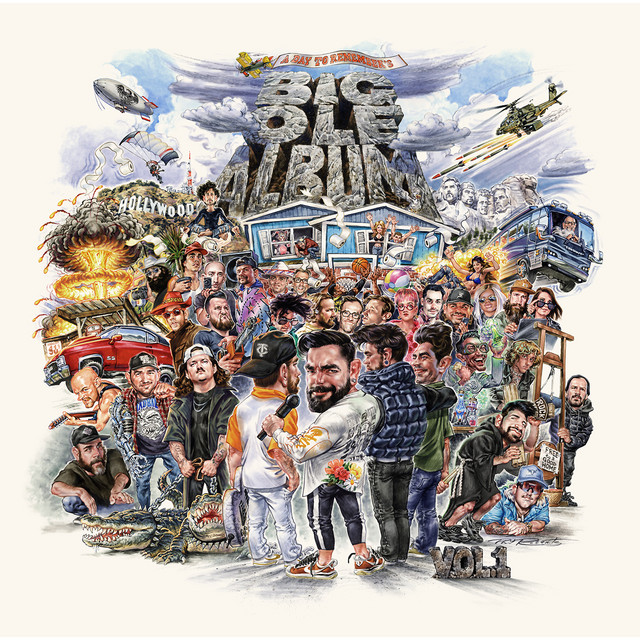
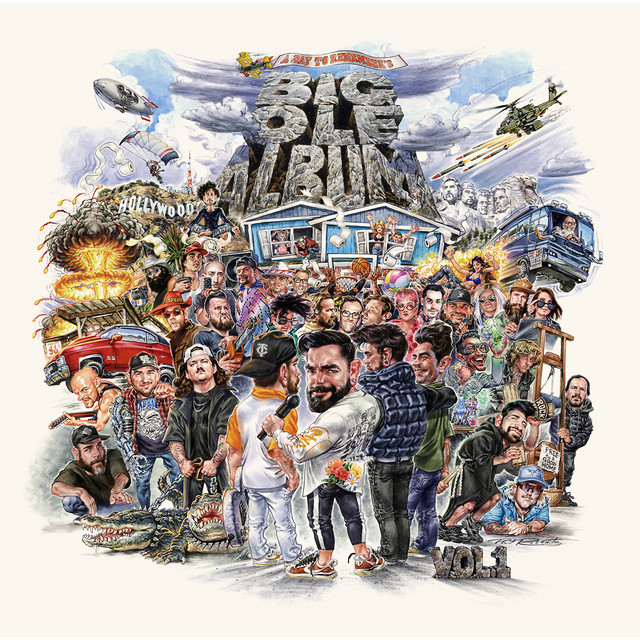
Big Ole Album Vol. 1
A Day To Remember
Neon Pop Punk
Screamo
Emo Pop
2025
3
/5
Make It Make Sense
A Day To Remember
Neon Pop Punk
2022
3
/5
Miracle
A Day To Remember
Neon Pop Punk
Screamo
Emo Pop
2021
2
/5
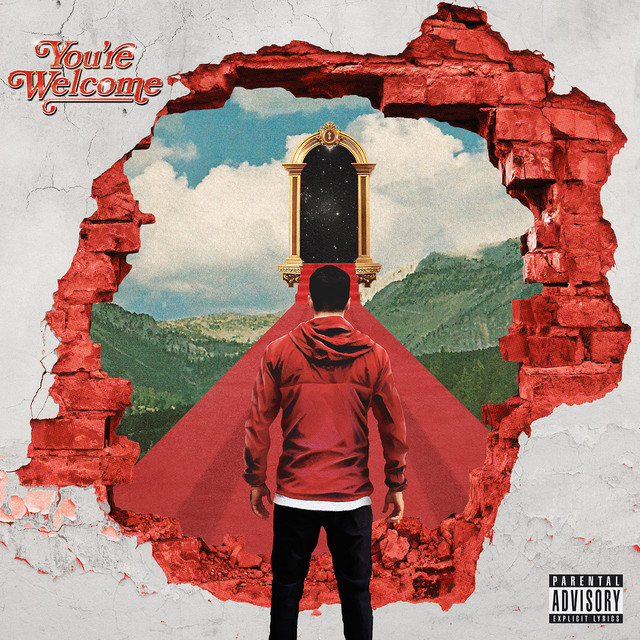
Everything We Need
A Day To Remember
Neon Pop Punk
2020
2
/5
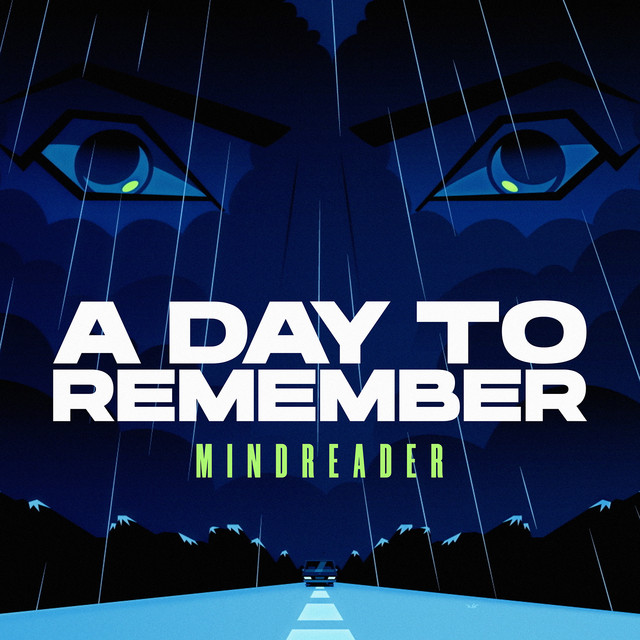
Mindreader
A Day To Remember
Neon Pop Punk
2019
3
/5
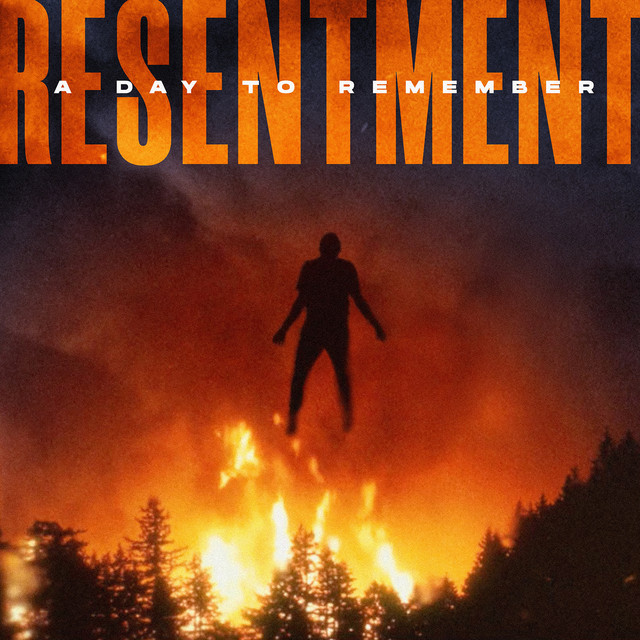
Resentment
A Day To Remember
Neon Pop Punk
2016
3
/5
Bad Vibrations
A Day to Remember
Easycore
Metalcore
Pop Punk
2013
1
/5
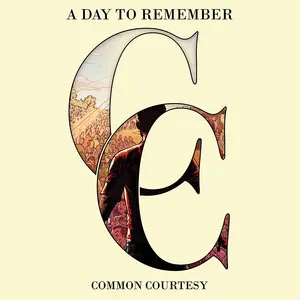
Common Courtesy
A Day to Remember
Easycore
2010
4
/5
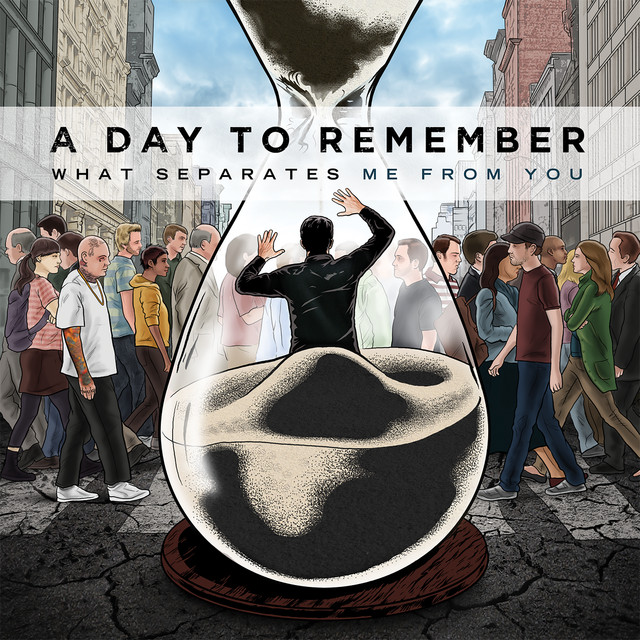
What Separates Me From You
A Day To Remember
Neon Pop Punk
Screamo
Emo Pop
2010
1
/5
What Separates Me From You
A Day to Remember
Easycore
Metalcore
Pop Punk
2009
4
/5
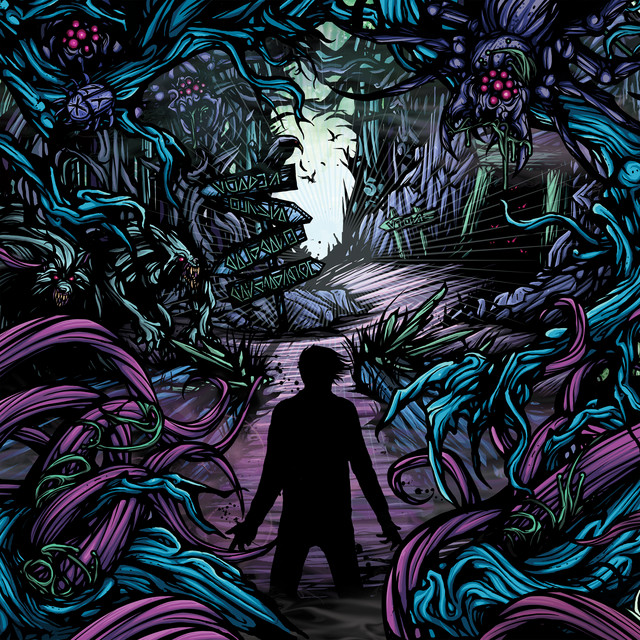
Homesick
Nathanson, Matt, Taking Back Sunday, Various Artists, The People's Choir of Ope…
Neon Pop Punk
Screamo
Emo Pop
2009
1
/5
Homesick
A Day to Remember
Easycore
2008
3
/5
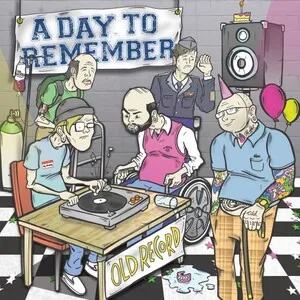
Old Record
A Day to Remember
Easycore
Metalcore
Pop Punk
2008
1
/5
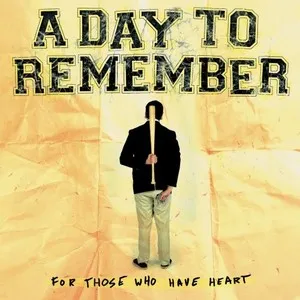
For Those Who Have Heart
A Day to Remember
Easycore
Metalcore
Punk
2005
1
/5
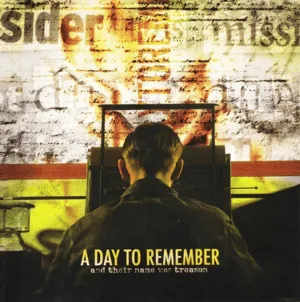
And Their Name Was Treason
A Day to Remember
Easycore
Hardcore
Punk
Similar artists
4
/5
New Found Glory
Easycore
Pop Punk
Emo Pop
1
/5
Various Artists
Afro-Funk
Alternative Rock
Ambient
4
/5
Silverstein
Post-Hardcore
Emocore
Emo
4
/5
All Time Low
Neon Pop Punk
Punk
Emo Pop
3
/5
Four Year Strong
Easycore
New England Emo
Pop Punk
3
/5
Chunk! No, Captain Chunk!
Easycore
Metalcore
Pop Punk
4
/5
The All-American Rejects
Neon Pop Punk
Emo Pop
Emo
4
/5
BOYS LIKE GIRLS
Neon Pop Punk
Emo
Emo Pop
3
/5
Broadside
Easycore
Anthem Emo
Neon Pop Punk
4
/5
Good Charlotte
Neon Pop Punk
Pop Punk
Emo
Download our mobile app
Get the Melodigging app and start digging for new genres on the go
Download on the App Store
Get it on Google Play
© 2026 Melodigging
Give feedback
Legal
Melodding was created as a tribute to
Every Noise at Once
, which inspired us to help curious minds keep digging into music's ever-evolving genres.