Genres
Artists
Albums
Make Music
Sign in
Sign in
Artists
Afrobeat
Artists
Afrobeat
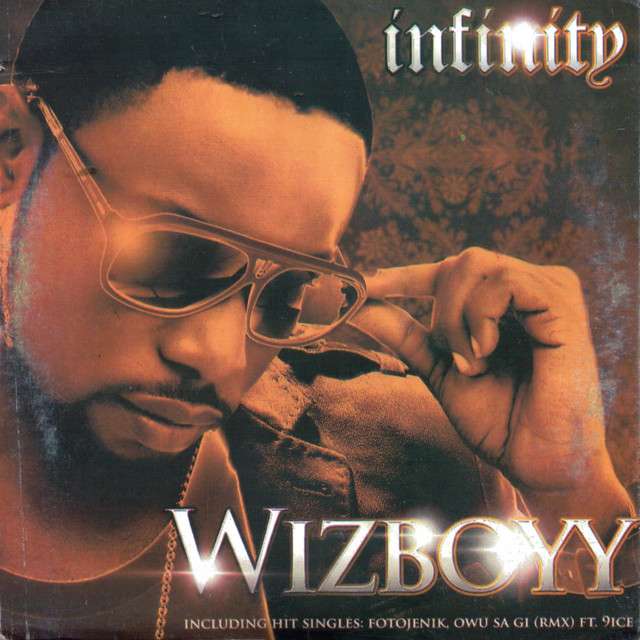
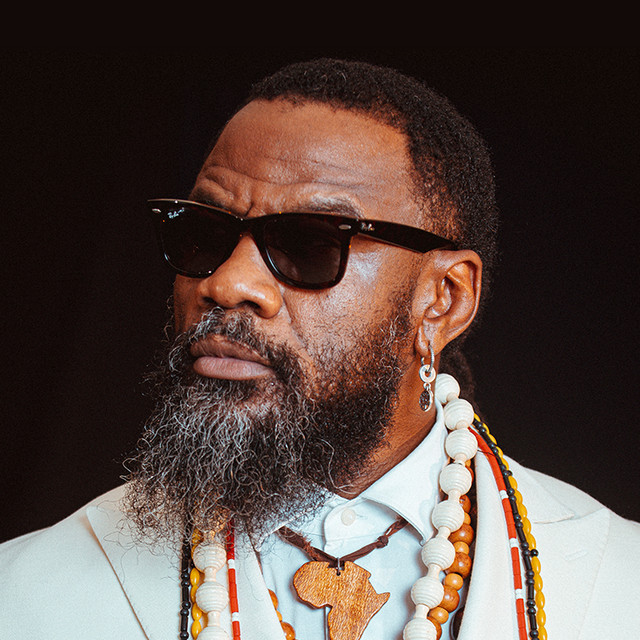
Wizboyy
Listen
3
/5
Genres
Afrobeats
Afrobeats (plural) is a contemporary West African pop umbrella that blends indigenous Nigerian and Ghanaian rhythms with global Black music—especially dancehall, hip hop, R&B, and highlife. Typical tracks sit in the mid‑tempo 95–115 BPM range and feature syncopated, polyrhythmic drum programming (shakers, rimshots, congas, talking drum), rubbery sub‑bass lines, bright synths, and guitar licks that recall highlife. Vocals are melodic and hook‑driven, often delivered in a fluid mix of English, Nigerian Pidgin, Yoruba, Twi, or other local languages, with call‑and‑response refrains tailored for dance floors. Distinct from Fela Kuti’s Afrobeat (singular), Afrobeats prioritizes songcraft, club‑ready grooves, and pop structures. It travels easily across diasporas, seamlessly absorbing UK club influences and Caribbean cadence while maintaining unmistakably West African rhythmic DNA.
Discover
Listen
Azonto
Azonto is a contemporary Ghanaian dance-music style built for parties, street performances, and viral choreography. Emerging in the early 2010s, it matches swaggering, humorous dance moves with catchy call-and-response hooks and MC-led verses. Musically, Azonto sits on a bright, syncopated 4/4 groove—often between 105–130 BPM—with crisp handclaps, off‑beat hi‑hats, bouncing kick patterns, and short melodic riffs from synths, bell/mallet tones, or plucks. Harmony is usually minimal (two to four repeating chords), keeping the spotlight on rhythm, energy, and vocal interplay. Lyrics blend Twi, Ga, and Ghanaian Pidgin with English, and celebrate fashion, flirtation, everyday jokes, and local slang. The genre rose with dance challenges and YouTube-era virality, helping push West African pop into UK and global club culture. Signature tracks include Sarkodie & E.L.’s “U Go Kill Me,” Fuse ODG’s “Azonto” and “Antenna,” Castro’s “Azonto Fiesta,” and Gasmilla’s “Aboodatoi.”
Discover
Listen
Pop Urbaine
Pop urbaine is a French mainstream pop style that blends contemporary R&B, hip hop, Afrobeats, dancehall, zouk, raï, and reggaeton with chart‑friendly songwriting. It emphasizes melodic hooks, mid‑tempo grooves, and sleek vocal production (often with Auto‑Tune) while foregrounding everyday, romantic, and nightlife themes in colloquial French. Rhythmically it favors syncopated Afro‑Caribbean patterns, sparse but bouncy 808 drums, and light guitar or synth plucks, creating a buoyant, danceable feel without the aggressiveness of club music. Vocals typically alternate between sung refrains and rap‑influenced verses, with catchy refrains designed for streaming and social media virality. The genre became a defining sound of French popular culture in the late 2010s, driven by a new generation of Francophone artists with diasporic roots who globalized French pop while keeping its language and local slang at the center.
Discover
Listen
Hiplife
Hiplife is a Ghanaian fusion of classic highlife rhythms and melodies with hip hop’s rapped delivery, drum programming, and sampling aesthetics. Built around mid‑tempo grooves, hiplife typically marries syncopated, guitar-led highlife riffs and horn stabs with hip hop drum patterns, dancehall energy, and catchy R&B‑style hooks. Artists rap predominantly in Ghanaian languages (Twi, Ga, Ewe) and Ghanaian Pidgin English, foregrounding local idioms, humor, social commentary, and storytelling. The result is a vibrant, dance‑forward urban pop sound that remains unmistakably Ghanaian while being fully conversant with global rap and Caribbean diasporic styles.
Discover
Listen
Kizomba
Kizomba is a smooth, romantic dance-music style that originated in Angola, blending the melodic sensibilities of local semba with the lush, slow-tempo grooves of Caribbean zouk. Typically set in 4/4 time around 86–100 BPM, it emphasizes a deep, round sub‑bass, sparse drum programming, and gently syncopated percussion that encourages close, flowing partner movement. Arrangements favor silky synth pads, clean electric guitar arpeggios or comping, and R&B-influenced vocals in Portuguese and other Angolan or Cape Verdean languages. Lyrical themes gravitate to love, intimacy, nostalgia, and urban life. Over time, kizomba diversified into substyles (such as the even sparser, bass-forward tarraxinha) and spread through the Lusophone diaspora, especially in Portugal, before becoming a global social-dance phenomenon.
Discover
Listen
Zouk
Zouk is a high-energy dance music that originated in the French Caribbean (Guadeloupe and Martinique) in the early 1980s, crystallized by the band Kassav’. It blends Haitian compas (kadans) with local folk rhythms and the glossy production aesthetics of disco, funk, and early electronic pop. Early “zouk béton” emphasized driving, tightly arranged rhythms, bright synth-brass stabs, and call-and-response vocals. A slower, smoother branch known as “zouk love” followed, foregrounding romantic lyrics, silky harmonies, and sensual grooves. Sung primarily in Antillean Creole and French, zouk is both a party soundtrack and a cultural statement of Caribbean identity.
Discover
Listen
Afrobeat
Afrobeat is a horn-driven, polyrhythmic, and politically charged style that emerged in Nigeria, spearheaded by bandleader Fela Kuti and drummer Tony Allen. It fuses West African highlife and juju with American funk, jazz, and soul to create extended, hypnotic grooves. Typical tracks revolve around interlocking guitar and keyboard ostinatos, elastic bass vamps, dense percussion (shekere, congas, agogô, cowbell), and tightly arranged horn riffs that punctuate the beat. Vocals often use call-and-response and socially conscious lyrics, delivered in English, Nigerian Pidgin, or Yoruba. Harmonically sparse but rhythmically intricate, Afrobeat prioritizes feel: long, evolving arrangements, richly syncopated drum patterns, and sectional dynamics that spotlight solos and collective interplay.
Discover
Listen
Compas
Compas (also spelled konpa or compas direct) is Haiti’s modern, méringue-based dance music. It features a steady, driving groove, lyrical melodies, and tight horn or synth hooks designed for continuous social dancing. The style blends Haitian méringue rhythms with jazz and Afro‑Cuban/Latin elements, typically in a mid‑tempo 4/4. A locked‑in drum/cowbell pattern, syncopated bass ostinatos, percussive rhythm guitar, keyboards playing montuno-like figures, and call‑and‑response vocals in Haitian Creole or French are core traits. Since the late 1970s, electronic keyboards and drum machines have been common, but the feel remains warm, romantic, and unshakably danceable.
Discover
Listen
Show all 8 genres
Similar artists
3
/5
Ya Levis
Kizomba
Zouk
Afro Drill
2
/5
Wiz Ofuasia
Afrobeat
Afrobeats
Azonto
4
/5
Joé Dwèt Filé
Kizomba
Zouk
Shatta
3
/5
Kim
Afro Drill
Basshall
Compas
3
/5
Josey
Bikutsi
Ndombolo
Rap Ivoire
3
/5
Jeady Jay
Kizomba
Zouk
Compas
3
/5
Kaysha
Kizomba
Zouk Love
Basshall
3
/5
Nelson Freitas
Kizomba
Afrobeats
Cabo Zouk
3
/5
Kalipsxau
Maloya
Reunion Pop
Basshall
3
/5
C4 Pedro
Kizomba
Kuduro
Compas
Download our mobile app
Get the Melodigging app and start digging for new genres on the go
Download on the App Store
Get it on Google Play
© 2026 Melodigging
Give feedback
Legal
Melodding was created as a tribute to
Every Noise at Once
, which inspired us to help curious minds keep digging into music's ever-evolving genres.