Your digging level
Description
Réunion pop is contemporary popular music from Réunion Island (an overseas department of France) that blends local rhythms and instruments with global pop aesthetics. It typically mixes the rolling ternary grooves of maloya and the upbeat swing of séga with sleek, radio‑ready production, often sung in Réunion Creole and French.
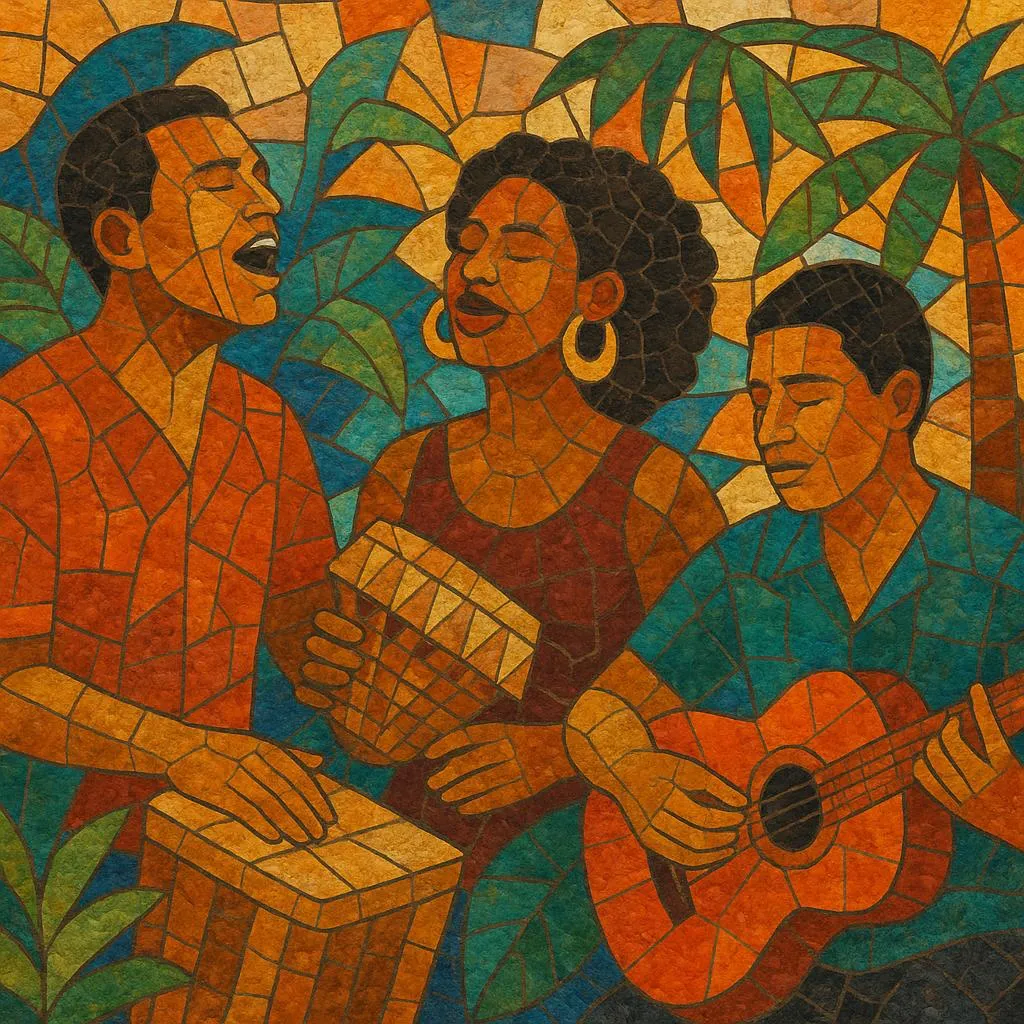
In the studio, producers combine kayamb and roulèr (traditional maloya shakers and drum) with drum machines, synth bass, and glossy pads. Hooks are catchy and melodic, while rhythms borrow freely from zouk, dancehall, reggae, Afropop, R&B, and modern electropop. The result is a danceable, tropical yet cosmopolitan sound that foregrounds island identity and contemporary pop polish.
History
Modern Réunion pop is rooted in the island’s signature styles: maloya (with its kayamb and roulèr grooves and call‑and‑response vocals) and séga (a buoyant, guitar‑ and percussion‑driven dance music shared across the Mascarene Islands). Through the 1980s and 1990s, artists modernized these traditions by adding electric instruments and studio production while absorbing influences from Caribbean zouk, reggae, and French chanson/pop.
In the 2000s, a distinctly “pop” approach crystallized: producers began to frame maloya/séga rhythms within contemporary pop song forms and radio‑friendly arrangements. French pop sensibilities, R&B harmonies, and dancefloor grooves (zouk love, dancehall) became standard palettes. Local labels, radio, and TV helped standardize this sound for both island and diaspora audiences.
The 2010s brought a surge of digital production and online distribution. Beatmakers folded in Afropop, EDM/electropop, and trap‑leaning drums, while singers switched fluidly between Réunion Creole and French. Festivals (like Sakifo) and regional showcases (e.g., IOMMA) increased collaborations with Indian Ocean, African, and European scenes, giving Réunion pop a broader international footprint.
Réunion pop often carries themes of love, everyday island life, and cultural pride. Code‑switching (Creole/French) reflects a modern, bicultural identity. The scene remains a dialogue between tradition and innovation: some acts spotlight kayamb/roulèr in a modern mix, while others lean more toward glossy urban pop—all still recognizably Réunionnais.